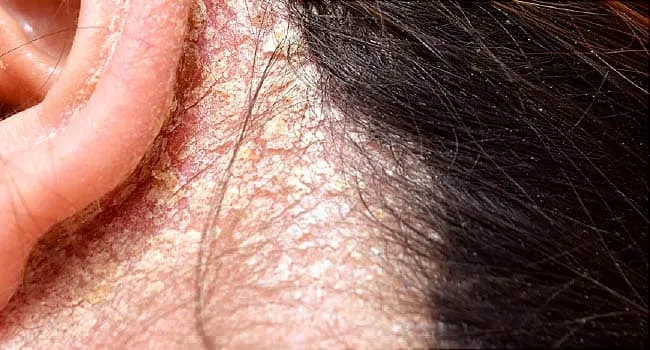
Your scalp may spend most of its life hidden beneath your hair, but it is still skinand skin can be surprisingly dramatic. One week it is quiet and cooperative. The next, it is producing flakes, bumps, bald patches, or enough itching to make you consider wearing oven mitts to bed.
Pictures of scalp conditions can help you recognize general patterns, but they cannot provide a reliable diagnosis. Dandruff, psoriasis, fungal infections, allergic reactions, and several forms of hair loss can look remarkably similar, especially during their early stages. Appearance also varies with skin tone, hair color, hair density, styling practices, and whether the area has been scratched or treated.
This visual-style guide explains what common scalp disorders may look and feel like, what often separates one condition from another, and when a suspicious spot deserves professional attention.
Why Scalp Conditions Can Be Difficult to Identify
Many scalp problems share the same basic symptoms: itching, scaling, redness, tenderness, bumps, and hair shedding. Even photographs can be misleading. A fungal infection may resemble dandruff. Psoriasis may be mistaken for seborrheic dermatitis. Allergic contact dermatitis can look like eczema, while an inflamed cyst may imitate a boil.
Color is not always a dependable clue. In lighter skin tones, inflammation may look pink or bright red. In darker skin tones, it may appear purple, gray, brown, deep red, or lighter than the surrounding skin. Scale may also be less obvious beneath thick, curly, coiled, braided, or tightly styled hair.
Instead of focusing on one feature, clinicians consider the complete pattern: where the problem started, whether hair shafts are broken, how quickly it developed, whether it spreads beyond the hairline, and whether there is pain, drainage, scarring, or exposure to possible triggers.
1. Dandruff and Seborrheic Dermatitis
What It May Look Like
Dandruff usually produces loose white or pale flakes without major swelling. The flakes may be most noticeable on dark shirts, where they arrive uninvited and apparently determined to attend every important meeting.
Seborrheic dermatitis is a more inflammatory version of the problem. It can cause greasy white or yellow scale, crusty patches, itching, and irritated skin. The rash may extend along the hairline, behind the ears, around the eyebrows, or beside the nose. On darker skin, affected areas may look pink, purple, gray, or lighter than the surrounding skin rather than bright red.
Clues That Point Toward Seborrheic Dermatitis
- Greasy or yellowish scale
- Flaking around the ears, eyebrows, or sides of the nose
- Symptoms that improve and return repeatedly
- Flares during stress, cold weather, or changes in skin-care routines
What Usually Helps
Medicated shampoos containing ingredients such as ketoconazole, selenium sulfide, zinc pyrithione, salicylic acid, or coal tar may be recommended. The right choice and frequency depend on the condition and the person’s hair type. Persistent inflammation may require a prescription antifungal or anti-inflammatory treatment.
2. Scalp Psoriasis
What It May Look Like
Scalp psoriasis commonly creates sharply defined, raised patches covered by dry scale. In lighter skin, plaques may look red with silvery-white scaling. In darker skin, plaques may appear purple, dark brown, gray, or reddish-brown, sometimes leaving temporary areas of discoloration after the inflammation settles.
The scale is often thicker and drier than ordinary dandruff. Patches may extend beyond the hairline onto the forehead, temples, back of the neck, or skin around the ears. The scalp can itch, burn, crack, or bleed, particularly when scale is scratched or forcibly removed.
How It Differs From Dandruff
Dandruff tends to produce loose flakes, while psoriasis often forms attached plaques with clearer borders. Psoriasis may also appear on the elbows, knees, lower back, nails, or other areas of the body. However, some people have psoriasis only on the scalp, so location alone cannot confirm the diagnosis.
Avoid Picking at Thick Scale
Scratching and aggressive scale removal can worsen inflammation and cause temporary hair loss. A dermatologist may recommend scale-softening products, medicated shampoos, topical corticosteroids, nonsteroidal treatments, phototherapy, or systemic medication for difficult cases.
3. Scalp Ringworm, or Tinea Capitis
What It May Look Like
Despite its name, scalp ringworm involves fungus, not a tiny worm wearing a belt. It commonly affects children but can occur at any age.
Pictures may show round or irregular scaly patches with broken hairs and areas of hair loss. Some hairs break directly at the scalp, leaving dark dots. Other cases resemble severe dandruff, with diffuse scaling rather than a perfect ring. The scalp may itch, feel tender, or develop small pustules.
A severe inflammatory form called a kerion can produce a swollen, boggy, painful mass with pus or crusting. Nearby lymph nodes may become enlarged. Delayed treatment of severe inflammation can occasionally result in scarring and permanent hair loss.
Important Treatment Difference
Scalp ringworm generally requires prescription antifungal medicine taken by mouth because shampoo alone cannot adequately reach fungus inside the infected hair shafts. Medicated shampoo may be used alongside oral treatment to reduce transmission.
How It Spreads
The infection can pass through direct contact with an infected person or animal and through contaminated combs, brushes, hats, pillowcases, towels, helmets, or hair accessories. Household members and pets may sometimes need evaluation.
4. Allergic or Irritant Contact Dermatitis
What It May Look Like
Contact dermatitis may appear as an itchy, burning rash after the scalp encounters an irritating substance or an allergen. Possible triggers include hair dye, fragrance, preservatives, shampoos, essential oils, adhesives, bleaching agents, relaxers, and styling products.
The skin may look dry and scaly, swollen, bumpy, blistered, or weepy. A reaction to hair dye can affect the scalp, hairline, ears, eyelids, face, and neck. In darker skin, redness may be subtle, while swelling, texture changes, itching, and discoloration may be more noticeable.
Timing Can Provide a Clue
An irritant reaction may occur soon after exposure. An allergic reaction can take hours or days to become obvious, and repeated exposure may make future reactions more severe.
When It Is an Emergency
Call emergency services for difficulty breathing, throat tightness, faintness, or rapidly increasing swelling of the face, eyes, lips, or tongue. For recurring scalp reactions, a dermatologist may use patch testing to identify the responsible allergen.
5. Scalp Folliculitis
What It May Look Like
Folliculitis is inflammation involving the hair follicles. It may create clusters of small red, purple, brown, or skin-colored bumps centered around individual hairs. Some bumps contain white or yellow pus and may resemble acne. The area can itch, sting, burn, or feel tender.
Folliculitis can result from bacteria, yeast, friction, sweating, occlusive headwear, close shaving, or irritation from hair products. A deeper infection may form a painful boil or a connected group of boils called a carbuncle.
Do Not Squeeze the Bumps
Squeezing can drive inflammation deeper, spread infection, and increase the chance of scarring. A clinician may recommend an antimicrobial wash, topical medication, oral treatment, or a culture if the condition is severe or repeatedly returns.
Warning Signs
Seek medical care when bumps spread rapidly, become increasingly painful, produce significant drainage, or occur with fever. Recurring folliculitis with scarring and permanent hair loss may represent a more serious inflammatory scalp disorder.
6. Alopecia Areata
What It May Look Like
Alopecia areata often begins as one or more smooth, round or oval bald patches. Unlike ringworm, the bare skin usually does not have heavy scale, crusting, or obvious inflammation. The surface may look completely normal, which can make the sudden absence of hair feel especially mysterious.
Short hairs shaped like exclamation marks may appear near the edges of a patch. Some people experience tingling, itching, or burning before the hair falls out. Nail pitting or roughness can occur as well.
Why Diagnosis Matters
Alopecia areata is an autoimmune condition and is treated differently from fungal infection, traction-related loss, or hormonal pattern hair loss. It can remain limited to a few patches, progress to wider scalp loss, or improve with regrowth. A dermatologist may examine the scalp with magnification and occasionally order tests to rule out other causes.
7. Traction Alopecia
What It May Look Like
Traction alopecia results from repeated pulling on the hair. Early pictures may show thinning around the temples, forehead, ears, or areas where braids, ponytails, extensions, locs, rollers, or tight head coverings create tension.
Broken hairs, tiny bumps, tenderness, itching, or a widened hairline can appear before obvious baldness. A thin fringe of surviving hairs may remain along the front edge of the scalp.
Early Changes May Be Reversible
Hair may regrow when tension is reduced early enough. Long-term pulling can damage follicles permanently and leave smooth, shiny areas of scarring. Hairstyles should not cause pain, headaches, crusting, or a constant pulling sensation. “Beauty is pain” is not a medical guideline.
8. Central Centrifugal Cicatricial Alopecia
What It May Look Like
Central centrifugal cicatricial alopecia, commonly shortened to CCCA, is a form of scarring hair loss that usually begins near the crown and gradually expands outward. It occurs most often in Black women, although people of other backgrounds can develop it.
Early signs may include increased hair breakage, tenderness, itching, burning, stinging, small bumps, crusting, or an area at the crown that looks less dense. As follicles become scarred, the scalp may appear smooth and shiny.
Why Early Evaluation Is Important
Hair lost after permanent follicle scarring generally cannot regrow. Early treatment may reduce inflammation and slow progression, making prompt evaluation important when crown thinning is accompanied by scalp discomfort or texture changes.
9. Head Lice
What It May Look Like
Head lice are tiny crawling insects that live close to the scalp. An infestation may cause intense itching, a tickling sensation, scratch marks, or sores. However, some people do not itch immediately.
Nits, or lice eggs, look like tiny oval specks firmly attached to individual hair shafts, often near the scalp and behind the ears or at the back of the neck. Unlike dandruff, nits do not brush away easily. Live lice move quickly and can be difficult to spot without bright light and a fine-toothed comb.
What Lice Do Not Mean
Head lice are not evidence of poor hygiene, and they cannot jump or fly. They usually spread through close head-to-head contact. Treatment must follow product instructions carefully, and a second application may be necessary depending on the medicine used.
10. Pilar or Epidermoid Cysts
What They May Look Like
Scalp cysts commonly appear as smooth, firm, rounded lumps beneath otherwise normal-looking skin. They may be small enough to discover accidentally while shampooing or large enough to interfere with combing and haircuts.
Most grow slowly and are painless. If a cyst ruptures or becomes inflamed, it may turn red or dark, feel warm and tender, swell rapidly, or release thick material.
Do Not Perform Bathroom Surgery
Puncturing or squeezing a scalp lump can introduce infection and usually does not remove the cyst wall, allowing the bump to return. A clinician should examine any new, growing, painful, or unusual scalp mass before removal is considered.
11. Acne Keloidalis Nuchae
What It May Look Like
Acne keloidalis nuchae usually begins as itchy or tender acne-like bumps along the back of the scalp and neck. It is seen most often in Black men and may flare after very close haircuts, friction from helmets or collars, or repeated irritation.
Over time, small bumps can merge into thick, raised scars or plaques. Tufts of hair may emerge from affected areas, and permanent hair loss can develop within scarred skin.
Early Care Can Limit Scarring
Avoiding close shaving and repeated friction may help, but established disease often requires treatment from a dermatologist. The longer inflammation continues, the more difficult scarring can be to manage.
12. Skin Cancer on the Scalp
What It May Look Like
The scalp receives substantial ultraviolet exposure, particularly where hair is thin or absent. Basal cell carcinoma may resemble a pearly or shiny bump, a persistent pink patch, or a sore that repeatedly crusts and bleeds. Squamous cell carcinoma may look like a rough scaly patch, firm growth, tender bump, or wound that heals and then reopens.
Melanoma may appear as a new or changing pigmented spot, although it is not always dark. Warning signs include asymmetry, irregular borders, multiple colors, growth, or any mole that begins itching, bleeding, crusting, or behaving differently from nearby spots.
In darker skin tones, skin cancer may be brown, black, red, purple, gray, or similar to the surrounding skin. Texture changes and nonhealing wounds can be as important as color.
Check the Scalp Deliberately
Use a mirror, hair dryer, or comb to separate sections of hair, and ask a partner or stylist to mention unfamiliar spots. Photographing a lesion beside a ruler can help document change, but a photograph cannot determine whether a growth is cancerous.
How to Compare Common Scalp Conditions
| Condition | Typical Visual Pattern | Common Sensation | Hair Loss |
|---|---|---|---|
| Seborrheic dermatitis | Greasy white or yellow scale | Itching | Usually not directly |
| Scalp psoriasis | Thick, sharply defined plaques | Itching, burning, soreness | Usually temporary if caused by scratching |
| Tinea capitis | Scaly patches with broken hairs | Itching or tenderness | Common and sometimes scarring |
| Alopecia areata | Smooth round or oval patches | Often none; sometimes tingling | Central feature |
| Folliculitis | Pimple-like bumps around hairs | Itching, pain, or burning | Possible in severe cases |
| Head lice | Nits attached to hair shafts | Intense itching or tickling | Not usually |
| Contact dermatitis | Rash, swelling, blisters, or scale | Itching or burning | Possible after severe inflammation |
| Scalp skin cancer | Changing growth or nonhealing sore | Often none; may itch or hurt | Possible around an advanced lesion |
When to See a Dermatologist
Arrange an examination when a scalp problem lasts more than a few weeks, repeatedly returns, causes hair loss, or fails to improve with gentle over-the-counter care. Earlier evaluation is especially important for children with scaly bald patches because scalp ringworm can spread and typically requires prescription oral medication.
Seek prompt medical attention for:
- A rapidly growing or changing scalp lesion
- A sore that bleeds, crusts, or does not heal
- Painful swelling, pus, warmth, or spreading redness
- Fever or swollen lymph nodes with a scalp rash
- Sudden smooth bald patches or rapidly increasing shedding
- Shiny, scarred areas where hair no longer grows
- Severe swelling after hair dye or another product
Experiences Related to Scalp Conditions
The following are realistic composite scenarios created to illustrate common experiences. They are not quotations from specific patients.
The “It Is Probably Just Dandruff” Experience
A common story begins with a few flakes. Someone buys a regular dandruff shampoo, uses it twice, sees no immediate miracle, and decides the shampoo has personally betrayed them. Weeks later, the scaling is thicker, the hairline is inflamed, and patches have appeared behind the ears.
A dermatologist may then identify scalp psoriasis or seborrheic dermatitis and explain that treatment requires the correct active ingredient, adequate contact time, and consistent use. The experience can be frustrating because the condition is visible yet difficult for others to understand. People may worry that coworkers think they are unclean, even though inflammatory scalp diseases are not caused by laziness or poor hygiene.
The Parent Who Notices a Mysterious Bald Patch
A parent may discover a scaly patch while washing a child’s hair. At first it looks like dryness, but the hairs inside the area are short and broken. The patch expands, and another child in the household begins scratching.
After an examination, the child may be diagnosed with tinea capitis. The family then learns that antifungal shampoo alone is not usually enough and that combs, hats, pillowcases, and close contacts may require attention. The biggest surprise is often that “ringworm” is fungal rather than worm-related. The second-biggest surprise is how many stuffed animals apparently own hats.
The Hair-Dye Reaction That Arrives Late
Another person colors their hair without immediate difficulty. By the following morning, the scalp burns, the ears itch, and the eyelids begin swelling. Because the symptoms were delayed, the hair dye is not initially suspected.
Contact dermatitis can turn a familiar beauty routine into an uncomfortable lesson about allergens. After recovery, patch testing may help identify the triggering chemical. Future label reading becomes less casual, and “perform a patch test” suddenly stops sounding like decorative wording written by lawyers.
The Gradual Hairline Change
Traction alopecia often develops so slowly that the person sees the same reflection each morning without noticing the change. Photographs taken months apart may reveal that the temples have thinned and the hairline has moved backward.
Changing hairstyles can feel emotionally complicated when braids, extensions, uniforms, performances, or professional expectations are involved. A useful care plan respects both hair health and personal identity. Looser styles, breaks between installations, reduced extension weight, and attention to pain or bumps can help protect vulnerable follicles.
The Invisible Burden of Chronic Itching
Persistent scalp itching can interfere with sleep, concentration, exercise, and social comfort. Someone may avoid dark clothing because of flakes, decline salon appointments out of embarrassment, or constantly check whether a bald area is visible.
These concerns are not superficial. Hair and scalp changes can affect confidence, cultural expression, and a person’s sense of control over their appearance. Effective care should address the medical condition without dismissing its emotional impact.
The Spot Hidden Beneath the Hair
A barber or hairstylist may be the first person to notice a crusted spot that repeatedly bleeds. Because the scalp is difficult to inspect, the growth may have been present for months. A dermatology examination and biopsy can then determine whether it is benign or a form of skin cancer.
This experience illustrates why scalp checks matter even for people with thick hair. A small mirror, regular photographs, and an observant partner or stylist can reveal changes that would otherwise remain hidden. Hair provides some shade, but it is not an invisible-force-field upgrade.
Conclusion
Pictures of conditions that affect the scalp can help you notice meaningful patterns, but many disorders overlap in appearance. Greasy flakes may suggest seborrheic dermatitis, thick plaques may suggest psoriasis, broken hairs may point toward fungal infection, and smooth bald patches may indicate alopecia areata. Still, laboratory testing, magnified examination, medical history, or a biopsy may be necessary to reach the correct diagnosis.
Pay attention to changes in texture, tenderness, drainage, hair density, and healingnot just color. Avoid scratching, squeezing, or aggressively removing scale, and seek professional care when symptoms persist, spread, cause scarring, or involve a changing growth. Your scalp may be hidden, but it should never be ignored.