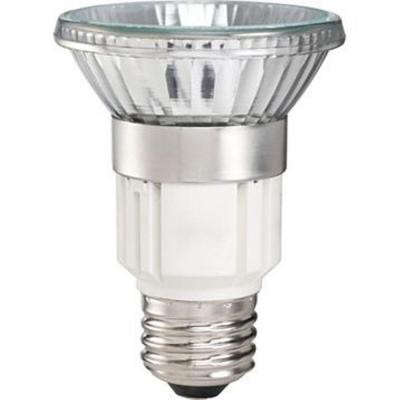
The Philips 20-Watt PAR20E Halogen Integrated Electronic Ballast Flood Light Bulb is the kind of lighting product that sounds tiny until you realize how many decisions can hide inside one small bulb. Wattage, beam angle, color temperature, base type, life rating, fixture compatibility, heat, dimming, energy useyes, the humble light bulb has apparently been attending engineering school at night.
This particular Philips PAR20E bulb was designed as an energy-saving halogen reflector lamp for accent and flood lighting applications. It uses 20 watts, runs on 120 volts, fits a standard E26 medium screw base, produces a bright 2900K white light, and uses a 25-degree flood beam. In practical terms, it was made for places where you want controlled, attractive illumination without blasting the room like a stadium scoreboard.
For homeowners, shop owners, designers, and anyone who has ever stood in a hardware aisle wondering why bulbs have more codes than a spy agency, this guide explains what the Philips 20-Watt PAR20E Halogen Flood Light Bulb does, where it works best, how it compares with standard halogen and LED PAR20 bulbs, and what to know before using or replacing one today.
What Is the Philips 20-Watt PAR20E Halogen Flood Light Bulb?
The Philips 20-Watt PAR20E is a compact reflector-style halogen flood bulb. “PAR” stands for parabolic aluminized reflector, which means the bulb is built to direct light forward in a controlled beam rather than spraying it everywhere like a panicked flashlight. The “20” refers to the bulb’s diameter category, making PAR20 bulbs smaller than PAR30 or PAR38 lamps.
The “E” in PAR20E refers to the electronic design. Philips marketed this lamp as a PAR20 Electronic halogen bulb with an integrated electronic ballast or transformer-style system inside the lamp envelope. That design allowed the bulb to deliver halogen-like quality while using less power than a typical 50-watt halogen PAR20.
The Philips 152165 model, often described as 20PAR20E/FL25 120V, is the flood version with a 25-degree beam angle. It was commonly used in track lighting, recessed cans, display lighting, accent lighting, kitchens, living rooms, offices, retail displays, and some outdoor fixtures rated for compatible bulbs.
Key Specifications at a Glance
Here are the most important specifications shoppers and installers usually care about:
- Brand: Philips
- Product type: Halogen PAR20 electronic flood light bulb
- Common model: 152165 / 20PAR20E/FL25 120V
- Wattage: 20 watts
- Voltage: 120 volts
- Base: E26 medium screw base
- Beam angle: 25-degree flood
- Color temperature: 2900K bright warm white
- Light output: about 220 lumens
- Rated average life: up to 5,000 hours
- Shape: PAR20 reflector
- Dimming: commonly listed as not dimmable because it is self-ballasted
- Typical use: accent lighting, track lighting, recessed lighting, display lighting, and general directional lighting
That spec list is not just technical confetti. It tells you whether the bulb will physically fit, whether it will produce the right kind of light, and whether it belongs in your fixture at all.
Why 20 Watts Mattered
The big selling point of the Philips 20-Watt PAR20E Halogen Integrated Electronic Ballast Flood Light Bulb was energy savings. It was intended to replace a standard 50-watt halogen PAR20 in many applications while using 30 fewer watts. That is a meaningful drop, especially in spaces with dozens or hundreds of bulbs.
Imagine a small boutique with 40 track lights. Replacing 50-watt lamps with 20-watt lamps could reduce lighting load from 2,000 watts to 800 watts. That is not pocket lint. That is lower electricity demand, less heat pouring into the room, and potentially less air-conditioning strain. Your electric bill may not send you a thank-you card, but it might stop glaring at you.
Compared with modern LED PAR20 bulbs, however, this Philips halogen is no longer the efficiency champion. Many LED PAR20 replacements now use far less power, last longer, and deliver higher lumen output. Still, in its era, the PAR20E was a smart bridge between traditional halogen performance and better energy control.
Light Quality: Bright, Warm, and Crisp
One reason people still remember halogen fondly is light quality. Halogen bulbs typically offer excellent color rendering, which means colors appear natural and vivid under the light. The Philips 20-Watt PAR20E produces a 2900K light, which sits in the warm-to-bright-white range. It is warmer than cool daylight bulbs but slightly crisper than very soft 2700K household lamps.
That makes it useful for accent lighting where appearance matters. Wood grain looks richer. Artwork looks more dimensional. Food looks less like it is being interrogated under a blue office lamp. In retail spaces, warm halogen light can make clothing, jewelry, ceramics, and displays feel inviting.
Best Places to Use This Bulb
The Philips PAR20E flood bulb works best where directional light is useful. Good applications include:
- Track lighting aimed at artwork or shelves
- Recessed cans over counters or small seating areas
- Retail displays and boutique merchandise lighting
- Accent lighting for architectural details
- Kitchen task zones where a warm flood beam is preferred
- Living rooms, dining rooms, offices, and family rooms
- Outdoor fixtures only when the fixture is rated for the bulb and environment
The 25-degree flood beam is not extremely wide. It is more focused than a broad wash but softer than a tight spotlight. Think “highlight this area nicely,” not “summon Batman.”
Understanding the 25-Degree Flood Beam
Beam angle determines how wide the light spreads. A 10-degree beam is narrow and dramatic, good for highlighting a small object. A 40-degree beam is wider and more general. The Philips 20PAR20E/FL25 lands in the middle with a 25-degree flood beam.
This makes it versatile for accent lighting. It can illuminate a framed photo, a kitchen island, a fireplace surround, or a product display without spilling light across the whole room. If you place several bulbs in a row, the beams can overlap to create an even layer of light.
Spacing matters. A PAR20 bulb installed too close to a wall may create a hot spot. Installed too far away, it may lose punch. For wall art, many designers aim directional lights at roughly a 30-degree angle from vertical to reduce glare and shadows. The bulb does not do the design thinking for you, sadly. It is talented, not psychic.
Integrated Electronic Ballast: What It Means
The phrase “integrated electronic ballast” can be confusing because most people associate ballasts with fluorescent or HID lighting. In this Philips PAR20E lamp, the integrated electronic system allowed the bulb to operate its low-voltage halogen burner within a standard line-voltage lamp format. In simpler language: Philips packed the supporting electronics into the bulb so it could screw into a compatible standard fixture.
This design helped the lamp use less energy than a conventional 50-watt halogen PAR20 while maintaining a pleasing beam and high-quality halogen appearance. It also means the bulb should be treated as a specific self-contained lamp, not as a regular dimmable halogen. Many listings identify it as not dimmable, so it should not be assumed compatible with dimmer switches unless the exact packaging or manufacturer documentation says otherwise.
PAR20E vs. Standard 50-Watt Halogen PAR20
A traditional 50-watt halogen PAR20 can be bright, attractive, and simple. The downside is energy use and heat. Halogen lamps convert a significant amount of electrical energy into heat, which is why touching one too soon after use is a fast way to learn new vocabulary.
The Philips 20-Watt PAR20E was designed to reduce wattage while keeping a useful accent-light beam. It offers about 220 lumens and a strong beam concentration, so the perceived brightness in the target area can still be effective. Instead of flooding a room with raw lumens, it focuses output where it is needed.
The rated average life of up to 5,000 hours was also attractive compared with many older halogen reflector lamps. Fewer replacements mean less ladder climbing, and fewer ladder climbs mean fewer opportunities to question every life choice that led you to changing bulbs above a stairwell.
PAR20E vs. LED PAR20 Bulbs
Modern LED PAR20 bulbs have largely taken over the category. A current LED PAR20 may use around 6 to 8 watts, produce more lumens than this 20-watt halogen, last 15,000 to 25,000 hours or more, and come in dimmable versions. Many LED options also offer 2700K, 3000K, 4000K, or 5000K color temperatures.
So why would someone still care about the Philips PAR20E halogen? Three reasons: existing fixtures, specific light quality, and replacement matching. Some older lighting designs were built around the look of halogen reflectors. In a row of track lights, replacing one bulb with a mismatched LED can create a “one of these things is not like the others” effect. The Philips PAR20E can help maintain consistency where the same bulb type is already installed.
That said, if you are redesigning a space from scratch, LED PAR20 bulbs are usually the more practical long-term choice. They run cooler, save more energy, last longer, and are easier to find in today’s market.
Is This Bulb Still Available?
The Philips 20-Watt PAR20E Halogen Integrated Electronic Ballast Flood Light Bulb appears to be a legacy product. Some lighting retailers list it as discontinued, out of stock, or available only through limited inventory. That is not unusual. Many halogen reflector lamps have become harder to find as efficiency standards and market demand have pushed lighting toward LED technology.
If you are trying to replace one, search by the exact identifiers: Philips 152165, 20PAR20E/FL25 120V, PAR20E 20W 25-degree flood, or Philips Energy Advantage PAR20 Electronic. Exact matching matters because a PAR20 LED, a 39-watt halogen PAR20, and a 20-watt PAR20E may all fit an E26 socket but behave differently.
Buying Tips Before You Replace It
1. Check the Fixture Rating
Before installing any bulb, confirm that the fixture supports the bulb shape, wattage, voltage, and heat profile. PAR lamps can run hot, and enclosed or recessed fixtures may have specific requirements.
2. Match the Base
This bulb uses an E26 medium screw base, the common household screw base in the United States. Do not confuse it with GU10, E12, or pin-base lamps.
3. Match the Beam Angle
If you liked the original lighting effect, look for a 25-degree flood or something close. A 10-degree spot will look more dramatic and narrow. A 40-degree flood will spread wider and may feel softer.
4. Match the Color Temperature
The Philips PAR20E is 2900K. A 3000K LED is usually the closest modern match. A 2700K bulb will look warmer and more golden; a 4000K bulb will look cooler and more neutral.
5. Watch the Dimming Claim
Do not assume this bulb is dimmable simply because it is halogen. Because the PAR20E is self-ballasted, many product listings identify it as not dimmable. If your fixture is on a dimmer, check compatibility carefully.
Safety and Handling Notes
Halogen bulbs get hot. Always let the bulb cool before removing it. Use a dry cloth or gloves when handling the lamp, especially if you are installing it in a fixture where heat buildup matters. Avoid using it in damaged sockets, loose fixtures, or locations exposed to moisture unless the fixture is properly rated.
Also, never exceed the fixture’s maximum wattage. The Philips PAR20E uses only 20 watts, which is lower than many PAR20 halogens, but fixture compatibility is about more than wattage. Shape, heat direction, enclosure type, and electrical behavior all matter.
Who Should Consider This Bulb?
This bulb makes the most sense for someone maintaining an older lighting setup that already uses Philips PAR20E lamps. It is also useful for designers or property managers who need a consistent halogen appearance across a space. If you have one burned-out lamp in a row of matching track heads, replacing it with the exact Philips model can preserve the visual rhythm.
However, for new installations, LED is usually easier to justify. LEDs offer stronger efficiency, longer life, cooler operation, and broader availability. The Philips PAR20E is best viewed as a high-quality legacy halogen solution rather than the default choice for a new lighting project.
Real-World Experience: Living With a Philips 20-Watt PAR20E Halogen Flood Bulb
Using the Philips 20-Watt PAR20E Halogen Integrated Electronic Ballast Flood Light Bulb feels a little different from using a typical general-purpose bulb. It is not trying to light the entire room. It is more like a polite spotlight with good manners. It points attention toward a surface, object, or zone and says, “Look here, but please do not squint.”
In a kitchen, the bulb works especially well over small task areas. Mounted in a recessed can or track head above a countertop, it creates a warm, concentrated pool of light that makes chopping vegetables easier and makes the counter look more intentional. A cooler LED can sometimes make stone counters look flat or clinical, but the 2900K halogen tone gives surfaces a warmer, more natural appearance. Tomatoes look like tomatoes, bread looks bakery-adjacent, and nobody feels like dinner is being prepared inside a dental office.
In a living room, the bulb is most impressive when used as accent lighting. Aim it at a framed print, a bookshelf, a textured wall, or a fireplace, and the 25-degree beam gives the area definition. It does not create the razor-sharp drama of a narrow spot, but that is actually a benefit in homes. The light feels designed rather than theatrical. Your family photos will look lovingly highlighted, not like they are suspects in a detective show.
Retail and display use is where the PAR20E personality really makes sense. Halogen’s color rendering helps materials look rich and lively. Wood, leather, fabric, ceramics, and metal all gain depth under warm directional light. For a boutique, gallery wall, or small showroom, that can matter. Products do not just need to be visible; they need to look worth noticing.
The biggest practical downside is heat. Even at 20 watts, this is still a halogen product. It runs warmer than an LED replacement, so you should give it space, use it in compatible fixtures, and avoid treating it like a cool-running modern lamp. After it has been on for a while, do not grab it barehanded unless your hobby is regret.
Another real-world consideration is availability. If you already have several Philips PAR20E bulbs installed, it may be worth buying matching replacements when you find them. Mixing a single modern LED into a group of halogen PAR20E lamps can work, but it may not look identical. The LED may have a different beam edge, different color temperature, different dimming behavior, or a slightly different face design. In lighting, “close enough” can sometimes stand out more than expected.
Still, the Philips PAR20E has a very likable quality. It is compact, warm, controlled, and efficient compared with older 50-watt halogen PAR20 lamps. It belongs to that interesting middle chapter in lighting history: after wasteful incandescent habits, before LEDs became the obvious winner. It is not the newest kid on the block, but it knows how to dress a room.
Conclusion
The Philips 20-Watt PAR20E Halogen Integrated Electronic Ballast Flood Light Bulb is a specialized, energy-saving halogen reflector lamp built for directional accent and flood lighting. With its 20-watt power use, 120-volt operation, E26 medium base, 25-degree flood beam, 2900K bright white color, and up to 5,000-hour rated life, it was designed to replace higher-wattage PAR20 halogen bulbs while preserving attractive light quality.
It is best suited for track lighting, recessed lighting, retail displays, artwork, architectural accents, and warm task lighting. While modern LED PAR20 bulbs now offer greater energy savings and longer life, this Philips PAR20E remains relevant for matching existing installations or preserving a specific halogen look.
If you are replacing one today, search by the exact model number and technical description, confirm fixture compatibility, pay attention to beam angle and color temperature, and do not assume dimmer compatibility. A light bulb may be small, but as this little Philips reflector proves, it can still bring a surprising amount of engineering, atmosphere, and personality into a room.