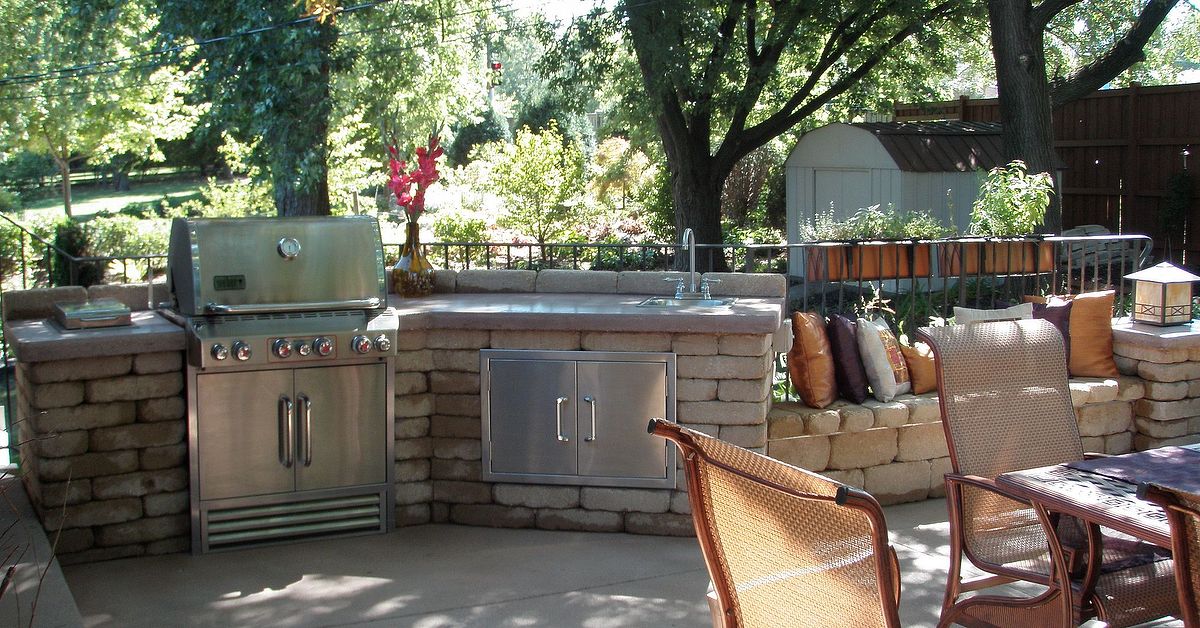
An outdoor kitchen sounds a little fancy at first, like something that belongs only in glossy magazines where nobody ever spills barbecue sauce. But in real life, an outdoor kitchen can be as simple as a well-planned grill station with prep space or as elaborate as a full backyard setup with refrigeration, storage, lighting, and bar seating. The magic is not in how expensive it looks. The magic is in how well it works.
At its best, an outdoor kitchen turns a patio or backyard into a true living space. It helps you cook without sprinting back and forth to the indoor kitchen every five minutes carrying tongs in one hand and a platter in the other. It creates a natural place for people to gather. It also makes entertaining feel easier, because the cook no longer disappears inside while everyone else stays outside having fun and pretending they are being helpful.
If you are planning an outdoor kitchen, the smartest approach is to think beyond the grill. A great setup balances layout, materials, airflow, weather protection, storage, safety, and comfort. In other words, it should be attractive, yes, but it should also survive heat, rain, grease, smoke, and that one guest who sets their drink on the only square inch of prep space you had left.
Why an Outdoor Kitchen Is Worth Considering
The biggest advantage of an outdoor kitchen is function. Cooking outdoors keeps heat, smoke, and food odors outside, which is especially welcome during warm weather. It also lets the cook stay part of the party. Instead of missing half the conversation while checking a skillet indoors, you can prep, grill, plate, and serve in one connected space.
There is also a lifestyle benefit. An outdoor kitchen encourages more casual meals, more weekend gatherings, and more use of the backyard overall. Even a modest setup can make the outdoors feel more intentional. Suddenly, the patio is not just where a grill sits. It becomes a destination. Morning coffee happens there. Weeknight burgers happen there. Saturday pizza night happens there. Before long, your indoor kitchen starts to get a little jealous.
Start With Location, Not Appliances
One of the most common planning mistakes is shopping for appliances before deciding where the kitchen should go. Location affects everything: convenience, utility access, ventilation, traffic flow, and how comfortable the space feels during different seasons.
A good outdoor kitchen location is close enough to the house to be practical, but not so cramped that heat and smoke become a headache. If your kitchen will include gas, plumbing, lighting, refrigeration, or other powered components, distance matters because utility runs can raise the total cost. The farther your kitchen is from existing connections, the more your budget may start doing dramatic theater.
Think about sun, wind, and views too. A west-facing setup may look beautiful at sunset but feel brutal during peak afternoon heat. Wind can blow smoke directly into the seating area if the grill is positioned poorly. And if you have a great backyard view, do not waste it by aiming your seating at a fence when it could face a garden, pool, or open lawn.
You should also check local building requirements before construction begins, especially if the project involves electrical, plumbing, gas, or structural work. Outdoor kitchens are one of those projects where “we’ll figure it out later” can become an expensive sentence.
Choose a Layout That Matches How You Actually Cook
The best outdoor kitchen layout depends on space, budget, and how you use the area. If you mostly grill a few nights a week, a straight or linear kitchen may be plenty. If you host larger gatherings and want room for multiple cooks, an L-shaped or U-shaped design can make the space more efficient and social.
Linear Layout
A linear layout is ideal for smaller patios or simpler needs. Everything sits along one run: grill, counter space, and maybe a refrigerator or storage cabinet. It is clean, compact, and usually more affordable than larger configurations.
L-Shaped Layout
An L-shaped outdoor kitchen creates better separation between cooking and entertaining. One leg can hold the grill and prep area, while the other supports serving, seating, or drinks. This format feels more custom without requiring a giant footprint.
U-Shaped Layout
If you want a backyard command center, a U-shaped layout offers generous counter space and a naturally social setup. It can support several zones at once, though it requires more room and a more serious budget.
Galley or Parallel Layout
A galley design uses two facing counters or islands. This works especially well when multiple people are cooking or serving, because tasks can be separated without crowding the grill.
Whatever shape you choose, think in zones. A practical outdoor kitchen usually includes a cooking zone, a prep zone, a serving zone, and an entertainment or beverage zone. This keeps movement natural and reduces the backyard version of traffic jams.
Must-Have Outdoor Kitchen Features
The grill is the star, but a one-star cast rarely wins awards. The most useful outdoor kitchens include a few supporting players that make cooking easier and cleanup less annoying.
Prep Space
Counter space is not glamorous, but it is one of the most important features in the entire kitchen. Without enough room for trays, platters, seasoning, and raw ingredients, even the nicest grill setup becomes awkward fast. If space allows, include more countertop than you think you need. Future you will be grateful.
Storage
Outdoor-rated drawers, cabinets, and access doors keep tools, fuel connections, serving pieces, and cleaning supplies organized. Storage also keeps the counters from becoming a clutter festival of thermometers, skewers, foil, and mystery utensils.
Sink
An outdoor sink is not mandatory, but it is incredibly useful. It makes food prep easier, helps with handwashing, and reduces trips indoors. If plumbing is not practical, at least plan for nearby access to water and sanitation supplies.
Refrigeration
An outdoor-rated refrigerator or beverage cooler can be a game changer for entertaining. It keeps drinks, condiments, and prepped ingredients close at hand, which means fewer indoor interruptions and a smoother flow while cooking.
Lighting
Good lighting is often overlooked until someone tries to slice a burger bun at dusk like they are solving a mystery in a candlelit library. Task lighting around the grill and prep area is essential, and ambient lighting helps the space feel welcoming after sunset.
Best Materials for an Outdoor Kitchen
Outdoor kitchens work hard, so materials need to do the same. They should handle moisture, heat, grease, sunlight, and temperature swings without falling apart or looking tired after one season.
Countertops
Popular outdoor countertop choices include natural stone, concrete, and tile. Each has strengths. Stone offers durability and a high-end appearance. Concrete can be customized and often suits modern or rustic designs. Tile provides variety and color, though grout maintenance matters. The best material depends on climate, maintenance preferences, and overall design.
Cabinetry and Appliances
Stainless steel remains a favorite for appliances and many cabinet systems because it is durable, weather-resistant, and relatively easy to clean. It also pairs well with almost every style, from sleek modern patios to rustic stone-clad islands.
Cladding and Structure
Stone, brick, tile, and stucco are common finishes for outdoor kitchen islands. These materials can create anything from a Mediterranean look to a farmhouse feel to a crisp contemporary aesthetic. Choose finishes that complement your home so the kitchen feels integrated rather than dropped into the yard like an afterthought.
Flooring
The surface underfoot matters more than many people realize. Outdoor kitchen flooring should be durable, easy to clean, and slip-resistant. Concrete pavers, natural stone, porcelain tile, and some composite decking options can work well, depending on the design and drainage.
Safety Is Not the Boring Part, It Is the Smart Part
An outdoor kitchen deals with open flame, hot surfaces, food handling, gas connections, and electricity. That is not a reason to avoid the project. It is a reason to plan it carefully.
Leave gas, electrical, and plumbing work to qualified professionals. Proper ventilation is essential, especially around built-in grills and covered kitchen areas. The grill needs clearance, airflow, and thoughtful placement away from combustible materials. Fire safety guidelines also matter when deciding how close cooking equipment should be to structures and seating zones.
Food safety matters just as much as construction safety. Outdoor cooking often means longer serving times and warmer conditions, so proper handling is critical. Use separate tools and platters for raw and cooked foods. Keep cold foods cold and hot foods hot. And use a food thermometer instead of relying on color alone, because “looks done” is a terrible safety policy for chicken.
If your outdoor kitchen will be used often for gatherings, consider creating a small cleanup station with paper towels, sanitizer, trash access, and a designated tray for used utensils. Tiny systems like these make a big difference in how smoothly the space works.
Budgeting Without Losing Your Mind
Outdoor kitchen costs vary widely because the category covers everything from a dressed-up grill cart to a custom masonry kitchen with refrigeration, plumbing, and shelter. The trick is to decide what counts as essential for your household before shiny add-ons start whispering to you.
For many homeowners, the essentials are simple: a quality grill, enough prep space, a durable counter, some storage, and proper lighting. After that, upgrades can be added as budget allows. A refrigerator, sink, side burner, pizza oven, pergola, or bar seating might be wonderful, but they are easier to prioritize when you know how often you will really use them.
Another smart strategy is phasing the project. Build the structure and core appliances first, then add decorative details or extra equipment later. That approach keeps the project manageable and avoids the classic “we accidentally turned our burger station into a luxury resort” problem.
Outdoor Kitchen Ideas for Small Spaces
You do not need a giant backyard to create a useful outdoor kitchen. Small spaces often benefit from tighter planning and fewer unnecessary features. In fact, a compact design can feel more efficient than an oversized one.
A linear layout with a built-in grill, a few feet of counter space, and under-counter storage may be all you need. Add a rolling cart for flexibility or a nearby dining table that doubles as prep and serving space. Choose multifunctional pieces whenever possible. A bar ledge can become seating and serving space. A cabinet can hold tools, platters, and paper goods. A slim fridge can keep drinks and marinades handy without taking over the footprint.
The key in smaller outdoor kitchens is discipline. Every inch should earn its keep. If something looks good but solves no real problem, it may be decor rather than design.
Design Tips That Make the Space Feel Finished
An outdoor kitchen should feel connected to the rest of the home and yard. That does not mean everything has to match perfectly, but the materials, colors, and style should feel intentional. If your home leans modern, clean lines, neutral counters, and minimal hardware may make sense. If your home has a traditional or rustic feel, stone, brick, warm wood tones, and textured finishes may fit better.
Shade structures such as pergolas, pavilions, or canopies can make the kitchen more comfortable and extend its useful season. Bar stools, lounge seating, and dining furniture help define the broader entertaining zone. Decorative lighting, planters, and a backsplash can add personality without interfering with function.
It is also wise to think seasonally. Patio heaters, fans, weather covers, and storage for cushions or serving gear can keep the area practical long after the initial reveal moment is over. The most beautiful outdoor kitchen is the one you still enjoy using six months later.
Common Outdoor Kitchen Mistakes to Avoid
The first mistake is underestimating prep space. The second is ignoring storage. The third is pretending weather does not exist. Outdoor kitchens fail most often when they are designed as photo opportunities instead of real workspaces.
Other common errors include choosing indoor materials for outdoor use, forgetting task lighting, skipping ventilation planning, crowding seating too close to the grill, and failing to think through utility access. It is also easy to overbuild. Not every homeowner needs a side burner, ice maker, smoker, griddle, pizza oven, and beverage center. Sometimes a simple, sturdy setup with a great grill and smart layout is the better long-term choice.
Outdoor Kitchen Experiences: What It Is Really Like to Live With One
On paper, an outdoor kitchen sounds like a home upgrade. In everyday life, it feels more like a behavior change. People who add one often find that they spend more time outside without planning to. Dinner becomes less of an indoor event and more of a backyard ritual. You step outside to preheat the grill, and suddenly you stay for an hour because the air is good, the lighting is soft, and someone has already pulled up a stool with a drink and an opinion about seasoning.
A common experience is how much easier entertaining becomes when the cook is not trapped inside. With a well-planned outdoor kitchen, the host can prep vegetables, watch the burgers, refill drinks, and still stay in the conversation. That alone changes the energy of a gathering. Instead of a divided house where one person works and everyone else asks, “Need help?” from a comfortable distance, the whole event feels more connected.
Weeknight use can be just as meaningful as party use. Many homeowners find that they cook outdoors more often than expected once the setup is convenient. A quick Tuesday dinner feels less like a chore when the grill is paired with nearby prep space and storage for tools, oils, and platters. There is no scavenger hunt for the tongs. There is no balancing act with a tray on one arm and a door handle on the other. Little frictions disappear, and that makes the kitchen feel worth it.
There are also lessons people learn only after living with the space. More counter space almost always proves useful. Good lighting matters the first time dinner runs late. Storage matters when pollen, dust, or weather starts settling on everything left outside. Shade matters more than expected in the hottest months, and wind direction suddenly becomes a topic nobody thought they would care about until smoke follows every guest to the same corner of the patio.
Another real experience is that outdoor kitchens tend to pull double duty. They become coffee bars in the morning, buffet stations during birthdays, and serving counters during holidays. Kids use them for snacks. Adults use them for happy hour. Even people who thought they only wanted a built-in grill often realize that the surrounding features, like refrigeration, bar seating, or a sink, are what make the whole area feel effortless.
Of course, no outdoor kitchen is magical all by itself. The best experiences usually come from thoughtful planning, not sheer size. A modest setup with a strong grill, durable counters, smart storage, and a comfortable seating area can outperform a larger but poorly organized design. In the end, the most satisfying outdoor kitchen is not the one with the longest feature list. It is the one that makes you want to use your backyard more often, feed people more comfortably, and linger outside a little longer after the plates are empty.
Conclusion
An outdoor kitchen is one of the most practical ways to turn a backyard into a working, welcoming extension of the home. The best designs start with location, flow, materials, and safety, then layer in the features that genuinely match how you cook and entertain. Whether your dream kitchen is a compact grill station or a full open-air culinary setup, success comes from balancing beauty with usefulness. Build for your climate, your space, and your habits, and the result will feel less like a trend and more like a place your household actually loves to use.