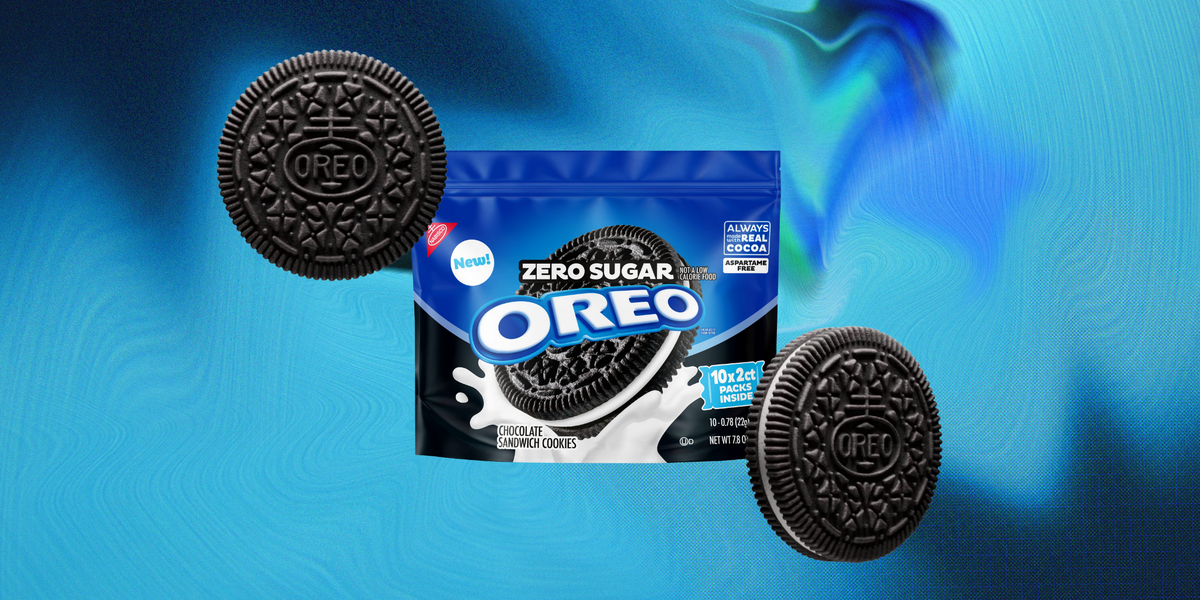
America’s favorite twist-lick-dunk cookie is about to get a major pantry plot twist: Oreo is releasing a zero-sugar cookie in the U.S. Yes, the cookie that has spent more than a century convincing people that “just one more” is a reasonable life philosophy is now stepping into the no-sugar snack aisle.
Oreo Zero Sugar is arriving as a permanent addition to the brand’s U.S. lineup, not as a blink-and-you-missed-it limited-edition flavor. That matters. This is not a novelty cookie dressed up for a one-week social media circus. It is a serious move by Mondelēz International, Oreo’s parent company, into the fast-growing world of lower-sugar snacks and “mindful indulgence.” In normal human language, that means people still want cookies, but many would prefer not to spend their entire daily added-sugar budget on a sleeve of chocolate sandwich joy.
The new Oreo Zero Sugar cookies are expected in Original and Double Stuf varieties. They keep the familiar chocolate wafer-and-creme concept but swap traditional sugar for a blend of sweeteners, including maltitol, polydextrose, sucralose, and acesulfame potassium. The cookies also come in a new stand-up bag with individually wrapped two-cookie packs, which is Oreo’s polite way of saying, “We know what happens when you open a full tray at 11:47 p.m.”
What Is Oreo Zero Sugar?
Oreo Zero Sugar is the first sugar-free Oreo cookie to be sold in the United States. The product has already appeared in markets such as China and Europe, but this launch brings the concept to American grocery shelves on a broad scale. For U.S. fans, that means a new choice: the classic Oreo experience, redesigned for shoppers who are actively reducing sugar but still want something that tastes like a treat.
The launch includes two core options: Oreo Zero Sugar and Oreo Double Stuf Zero Sugar. That second version is important because Double Stuf has its own fan base, and those people are not casual cookie observers. They have opinions. They know the creme-to-cookie ratio. They can detect a disappointing filling situation from across the kitchen.
According to product details shared in industry and food media coverage, the cookies are packaged differently from standard Oreo trays. Instead of the familiar horizontal resealable pack, Oreo Zero Sugar comes in a stand-up bag containing 10 individually wrapped packs, each with two cookies. This format makes the cookie easier to toss into a lunchbox, desk drawer, gym bag, or glove compartmentthough please do not blame the glove compartment when you forget they are there and find melted crumbs in August.
Why Oreo Is Launching a Zero-Sugar Cookie Now
The timing is not random. American consumers have been paying closer attention to added sugar, nutrition labels, and portion sizes. Public health organizations have long encouraged people to limit added sugars, and shoppers are increasingly looking for snacks that feel more flexible. They want fun food, but they also want options that fit personal goals, dietary needs, or simple “I am trying to make slightly better choices” energy.
That is exactly where Oreo Zero Sugar enters the picture. The sandwich cookie category has plenty of indulgent choices, from classic chocolate creme to wild limited-edition flavors, but the zero-sugar corner has been relatively quiet. Mondelēz appears to see an opportunity: make a cookie that tastes close enough to the original to satisfy Oreo fans while opening the door to people who previously skipped the brand because of sugar concerns.
It is also a smart brand strategy. Oreo has spent years proving that a classic cookie can be endlessly remixed without losing its identity. There have been birthday cake Oreos, mint Oreos, peanut butter Oreos, gluten-free Oreos, seasonal Oreos, mashups, collaborations, and flavors that sound like they were invented during a sleepover with unlimited snack money. But Oreo Zero Sugar is different from a flavor stunt. It is not about adding more candy-like drama. It is about changing the formula while protecting the familiar experience.
What Makes the Cookie Sweet Without Sugar?
The big question is simple: if there is no sugar, what makes it sweet? Oreo Zero Sugar uses a mix of alternative sweeteners and bulking ingredients, including maltitol, polydextrose, sucralose, and acesulfame potassium. Each plays a different role. Some provide sweetness, some help with texture, and some help the cookie feel more like a cookie instead of a sad cocoa-flavored cracker that has given up on its dreams.
Sucralose and acesulfame potassium are high-intensity sweeteners, meaning only a small amount is needed to create sweetness. Maltitol is a sugar alcohol commonly used in sugar-free candies and baked goods because it can add sweetness and body. Polydextrose is often used as a fiber-like ingredient that can help replace some of the bulk that sugar normally provides in processed foods.
This is one reason sugar-free baking is difficult. Sugar is not just sweetness. It affects browning, crunch, moisture, spread, mouthfeel, and the way flavors travel across the tongue. Remove it, and the recipe can collapse faster than a cookie tower built by a toddler. That helps explain why Mondelēz reportedly spent years developing Oreo Zero Sugar before bringing it to the U.S. market.
Will Oreo Zero Sugar Taste Like the Original?
Early taste-test coverage suggests that Oreo Zero Sugar comes surprisingly close to the classic version. The most common takeaway is that the cookie still looks and behaves like an Oreo: dark chocolate wafers, sweet creme, familiar sandwich structure, and a crunch that does not announce itself as “diet snack” with a tiny sad trumpet.
That said, zero-sugar cookies are not magic. Some tasters have noticed a mild sweetener aftertaste, especially when eating the creme by itself. But when eaten as a whole cookie, the difference appears to be subtle enough that many casual snackers may not immediately detect it. In other words, if you twist it apart and conduct a forensic creme analysis, you may notice a change. If you dunk it in milk and eat it while standing over the sink like a busy American with emails to answer, you may simply think, “Yep, that’s an Oreo.”
The Double Stuf version may have an extra advantage for some shoppers because the increased creme can make the cookie feel more indulgent. However, it may also make any sweetener notes more noticeable to people who are sensitive to sugar substitutes. Taste is personal. Some people adore diet soda; others take one sip and make the face of a betrayed Victorian ghost. Oreo Zero Sugar will likely create the same divided but curious reaction.
Is Oreo Zero Sugar a Healthy Cookie?
Here is where we must gently place the cookie on the table and have an adult conversation. Oreo Zero Sugar may have zero grams of sugar, but that does not automatically make it a health food. It is still a packaged dessert snack. It still contains calories, carbohydrates, fats, and processed ingredients. The “zero sugar” label is useful information, but it is not a golden halo floating above the bag.
For people trying to reduce added sugar, the product may be helpful as an occasional treat. For people managing blood sugar, it may be a more appealing option than a traditional sweet cookie, though anyone with diabetes or specific medical needs should read the nutrition label carefully and consult a qualified health professional when needed. Sugar alcohols such as maltitol can affect digestion for some people, especially when eaten in larger amounts. Translation: the individually wrapped two-cookie packs are not just cute; they are also a friendly reminder not to turn “zero sugar” into “zero self-control.”
The best way to think about Oreo Zero Sugar is as a different kind of treat, not a nutrition miracle. It gives consumers another choice. That is valuable. But the smartest snack strategy is still moderation, variety, and reading labels like the tiny print actually mattersbecause it does.
Why the Two-Cookie Packs Matter
One of the most interesting parts of this launch is not just the recipe. It is the packaging. Oreo Zero Sugar comes in pre-portioned packs of two cookies, which changes the entire snacking experience. Standard Oreo packs are wonderful, but they also rely on a heroic level of personal discipline. You open the tray for “two cookies,” and suddenly the row looks uneven, and now you have to fix the row, and then the other row looks lonely. This is how civilizations fall.
Pre-portioned packs create a natural stopping point. They are convenient for school lunches, office snacks, road trips, movie nights, and people who like having dessert without opening a full family-size package. They may also keep cookies fresher longer because each pair is sealed separately.
From a business perspective, the format helps Oreo position the product as a modern snack rather than just a sugar-free version of an old favorite. Portion control, portability, and freshness are all important in today’s snack market. Consumers want food that fits into their routines, not just food that sits in a pantry and judges them quietly.
How Oreo Zero Sugar Fits Into the Bigger Snack Trend
Oreo Zero Sugar is part of a larger movement in packaged food: brands are trying to balance indulgence with wellness cues. Consumers are not giving up snacks. They are asking snacks to work a little harder. They want lower sugar, more protein, gluten-free options, smaller portions, plant-based choices, cleaner labels, or at least the feeling that a treat can fit into a realistic lifestyle.
That does not mean every shopper wants the same thing. Some people want fewer ingredients. Some want fewer calories. Some want less sugar. Some want no artificial sweeteners. Some want the original Oreo and would prefer everyone stop interfering with dessert. A successful brand now has to serve all of those people without making the cookie aisle feel like a personality test.
Oreo has already shown that it can expand without abandoning the original. Gluten-free Oreo gave shoppers with gluten restrictions a way to enjoy the brand. Limited-edition flavors keep fans engaged. Collaborations generate social buzz. Oreo Zero Sugar adds another lane: the lower-sugar consumer who still wants a mainstream cookie with nostalgic flavor.
Who Will Buy Oreo Zero Sugar?
The most obvious audience is people who are reducing sugar but still crave familiar desserts. That may include shoppers watching added sugar, parents looking for portioned lunchbox treats, office snackers who want a sweet bite after lunch, and longtime Oreo fans who are curious about a different formula.
It may also appeal to people who already buy sugar-free candy, diet soda, low-sugar protein bars, or reduced-sugar baked goods. These consumers understand that alternative sweeteners taste different, but they often accept that trade-off if the overall experience is satisfying.
Then there is the curiosity crowd. Oreo launches tend to attract people who simply want to try the newest thing. Some will buy one bag, conduct a family taste test, and announce their verdict like judges on a snack courtroom show. Others will become loyal repeat buyers. A few will post dramatic reviews online, because apparently every cookie now needs a press conference.
Potential Concerns: Sweeteners, Aftertaste, and the “Health Halo”
The biggest challenge for Oreo Zero Sugar may not be awareness. People will hear about it. The challenge will be trust. Some consumers are skeptical of artificial sweeteners and sugar alcohols. Others worry that “zero sugar” products encourage overeating because they sound healthier than they are. Nutrition experts often refer to this as the health halo effect: when one positive claim makes a product seem better overall than the label actually supports.
That concern is fair. A cookie with zero sugar is still a cookie. Eating an entire bag of zero-sugar cookies is not the same as eating a balanced meal, no matter how persuasive the creme layer may be. Consumers should compare serving sizes, calories, carbohydrates, fiber, fat, and ingredients before deciding how the product fits into their diets.
Digestive comfort is another consideration. Sugar alcohols such as maltitol can cause gas, bloating, or laxative effects in some people when consumed in excess. Not everyone experiences this, and portion size makes a big difference. The best approach is simple: try a small serving first. Your taste buds and stomach can hold a meeting afterward.
How to Enjoy Oreo Zero Sugar Without Overthinking It
The simplest way to enjoy Oreo Zero Sugar is the classic way: open a pack, eat the cookies, move on with your life. But if you want to make the experience more satisfying, pair the cookies with something that adds balance. A glass of milk, unsweetened coffee, Greek yogurt, or a handful of nuts can make the snack feel more complete.
For parents, the two-cookie packs may be useful for portioning treats without turning lunchbox dessert into a sugar festival. For adults, they can be a convenient desk snack when the afternoon slump arrives and your brain starts typing emails with the emotional range of a printer error message.
Oreo Zero Sugar could also work in recipes where a sugar-free cookie base is useful. Think crushed cookie topping for pudding cups, a lower-sugar cookie crust for no-bake desserts, or a quick garnish for a weekend milkshake made with reduced-sugar ice cream. Just remember that recipe add-ins can quickly change the nutrition profile. A zero-sugar cookie sprinkled over a mountain of sweetened whipped cream is still dessert wearing a tiny disguise.
What This Launch Says About Oreo’s Future
Oreo Zero Sugar signals that the brand is not just chasing fun flavors. It is also adapting to long-term shifts in how Americans snack. Consumers still want comfort food, nostalgia, and recognizable brands, but they also want more choices. The future of the cookie aisle may not be one “better” cookie replacing the original. It may be a shelf where classic, gluten-free, zero-sugar, seasonal, and limited-edition versions all coexist.
That is good news for consumers. Choice lets different households shop according to taste, health goals, dietary restrictions, and budget. It also means big brands have to keep improving products instead of assuming nostalgia alone will carry them forever.
For Oreo, the challenge is especially high because the original cookie is iconic. People know what it should taste like. They know how it should crunch. They know how the creme should behave when twisted. Mess with that formula too much, and fans will notice. But if Oreo Zero Sugar can deliver enough of the classic experience with no sugar, it could become one of the brand’s most important modern launches.
Experience Section: Trying Oreo Zero Sugar in Real Life
The most interesting test for Oreo Zero Sugar will not happen in a laboratory or a corporate tasting room. It will happen in ordinary kitchens, break rooms, lunchboxes, and grocery carts. A shopper will spot the bag, pause for three seconds, and think, “Zero sugar Oreo? Either this is genius or science has gone too far.” Then the bag will go into the cart, because curiosity is undefeated.
The first experience will probably be visual. The stand-up bag feels different from the classic Oreo package, and the individually wrapped two-cookie packs immediately change expectations. Instead of opening a full tray, you open a small pack. That makes the snack feel more controlled and intentional. It also makes the cookies feel more portable, like something you can keep in a backpack or desk drawer without creating a crumb-based disaster scene.
The first bite is where expectations get serious. People know Oreo. This is not an obscure cookie from a mysterious health-food aisle where everything tastes faintly like cardboard and optimism. Oreo has a standard to meet. The wafer needs crunch. The creme needs sweetness. The whole cookie needs that familiar cocoa-vanilla balance. If the sweetener aftertaste takes over, fans will notice immediately.
For many snackers, the best comparison will be side-by-side. Put one regular Oreo and one Oreo Zero Sugar on a plate, then taste both with water or milk between bites. The original will likely taste rounder and more familiar because sugar has a flavor and texture role beyond sweetness. The zero-sugar version may taste slightly different at the finish, especially in the creme. But the real question is not whether it is identical. The question is whether it is close enough to satisfy the craving.
In a family setting, Oreo Zero Sugar could become a conversation snack. One person may say, “I can’t tell the difference.” Another may say, “I can tell, but I still like it.” A third person may deliver a dramatic speech about the sanctity of original Oreos. This is normal. Food opinions are how families bond when there is nothing good on TV.
At work, the two-cookie packs may be the product’s secret weapon. They are neat, easy to share, and less risky than leaving an open tray in the office kitchen, where snacks disappear under mysterious circumstances. For people who like a small dessert after lunch, the pack size makes sense. It offers a sweet finish without inviting the “I accidentally ate eight” problem.
For people reducing sugar, the emotional experience may matter as much as the nutrition label. Many lower-sugar products feel like replacements. Oreo Zero Sugar has the potential to feel less like a compromise and more like an invitation back to a familiar treat. That is powerful. Food is not only math; it is memory, habit, comfort, and fun. A cookie that supports a personal goal while still feeling like an Oreo could earn a loyal audience.
The smartest way to experience Oreo Zero Sugar is with realistic expectations. Do not expect a superfood. Do not expect a perfect clone of the original. Expect a zero-sugar version of a famous cookie that tries very hard to keep the joy intact. Try one pack, notice the flavor, see how your body responds, and decide whether it belongs in your snack rotation. That is the beauty of this launch: no one has to retire the original Oreo. The cookie aisle is simply getting another option, and this one arrives with a familiar smile, a new label, and absolutely no patience for boring snack time.
Conclusion
Oreo Zero Sugar is more than a new cookie. It is a sign of where mainstream snacking is headed. Consumers want indulgence, but they also want options that match changing sugar habits, wellness goals, and modern routines. By launching a zero-sugar Oreo in both Original and Double Stuf varieties, Mondelēz is betting that America is ready for a cookie that keeps the fun while changing the formula.
Will it replace the classic Oreo? Probably not, and it does not need to. The original cookie is not going anywhere. Oreo Zero Sugar succeeds if it gives sugar-conscious shoppers a credible alternative that still tastes like a treat. If the crunch is right, the creme is close, and the two-cookie packs keep snack chaos under control, this could become a permanent pantry player.
In the end, Oreo Zero Sugar is built around a very modern idea: people want choices, not lectures. Sometimes they want the original. Sometimes they want less sugar. Sometimes they want Double Stuf because life is short and creme matters. Oreo’s newest launch simply makes room for one more kind of cookie fanand honestly, the cookie jar was getting crowded anyway.