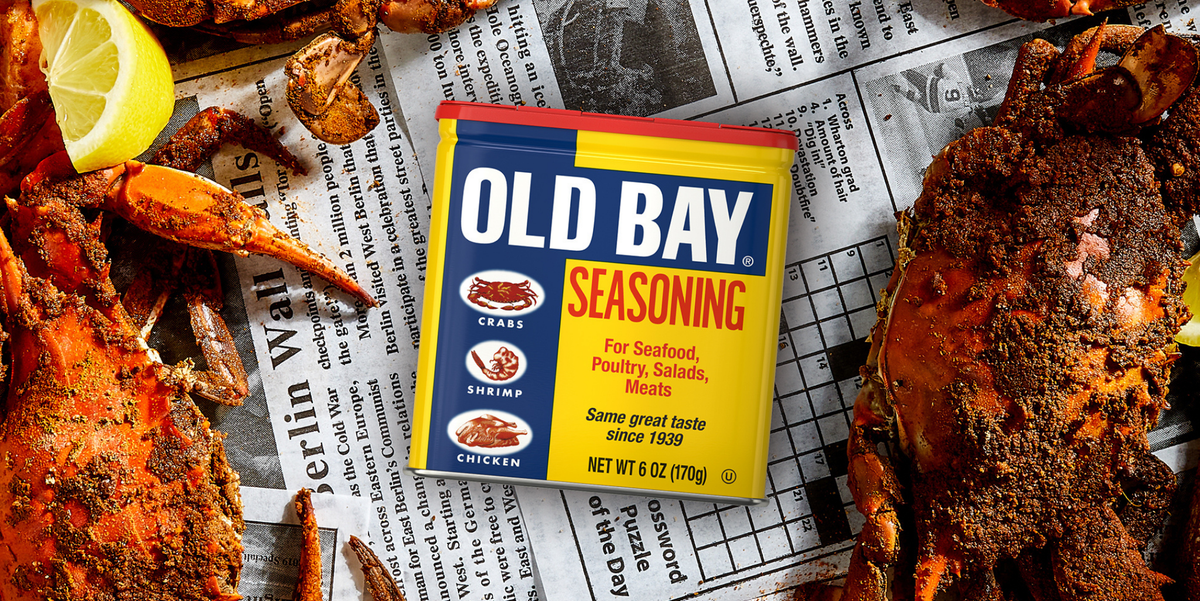
Some food news arrives quietly. A new cereal flavor appears. A fast-food sauce gets “reimagined.” A snack brand adds pickle dust to something that probably did not ask for it. Then there is news that makes the internet collectively stand up, point at the pantry, and say, “Finally.” Old Bay is bringing back its classic tin packaging, and for longtime fans, this is not merely a container update. It is a homecoming with a red lid.
McCormick announced that Old Bay Seasoning is moving away from plastic containers and returning to its original tin packaging, while keeping the familiar yellow, blue, and red design that has lived rent-free in American kitchens for generations. The blend inside is still the same beloved Chesapeake-style seasoning: salty, savory, peppery, slightly warm, and somehow able to make fries taste like they just got promoted.
For people outside the Old Bay orbit, this may sound like a small packaging change. For Marylanders, seafood lovers, spice collectors, and anyone who has ever dusted popcorn with Old Bay “just to see what happens,” it feels much bigger. The tin was never just a box. It was part of the ritual: the shake, the pour, the table presence, the tiny metal monument sitting next to crab mallets and paper towels.
Why the Old Bay Tin Comeback Matters
Old Bay’s return to tin packaging matters because it proves something food brands sometimes forget: customers do not only buy flavor. They buy memory, habit, trust, and a little bit of theater. A seasoning tin may seem ordinary until it disappears. Then suddenly everyone realizes the container was part of the experience all along.
When Old Bay moved to plastic packaging in 2017, the decision made sense on paper. The company pointed to recyclable plastic and environmental considerations. But pantry shelves are not spreadsheets, and Old Bay fans are not casual bystanders. Many missed the sturdiness, look, feel, and nostalgia of the old metal tin. Some complained that plastic lids were easier to knock loose. Others kept their empty tins and refilled them from newer plastic containers, which is either brand loyalty or spice-hoarding with excellent branding.
Now, the classic Old Bay tin is returning with the signature look intact. The announcement arrived with the playful message “Plastic’s Out. Tin Is In,” a line that sounds like it belongs on a T-shirt worn proudly at a crab feast.
A Quick History of Old Bay Seasoning
Old Bay was born in the Chesapeake Bay area in 1939 and has long been tied to Baltimore food culture. The seasoning was created by Gustav Brunn, a German-Jewish immigrant who fled Nazi Germany and rebuilt his life in Maryland through the spice business. Before becoming known as Old Bay, the blend had the very practical name “Delicious Brand Shrimp and Crab Seasoning.” Accurate? Yes. Snappy? Not exactly.
The name “Old Bay” came from the Old Bay Line, a steamship route associated with the Chesapeake region. That name helped turn a seafood seasoning into a regional icon. Over time, Old Bay became more than something sprinkled on crabs. It became shorthand for summer tables, seafood boils, beach-house kitchens, ballpark snacks, and the particular Mid-Atlantic confidence that almost any food can be improved with “just a little more.”
The formula is famously built around celery salt, herbs and spices, red pepper, black pepper, and paprika. McCormick describes the classic seasoning as a blend of 18 herbs and spices. The full recipe remains guarded, which is probably wise. If everyone knew the exact formula, half the internet would be making “authentic homemade Old Bay” videos before dinner.
What Is Actually Changing?
The biggest change is the packaging material. Old Bay Seasoning is returning from plastic containers to tin can packaging, the format that many fans associate with the brand’s classic identity. The company is keeping the familiar visual style, including the bright yellow body, blue paneling, red lid, and bold Old Bay logo.
The seasoning itself is not being reinvented. This is not a “new flavor profile,” “modernized blend,” or “AI-generated seafood dust.” The point is the opposite: Old Bay is going back to what people already loved. That is the charm. The product remains the kitchen staple fans use on crab cakes, shrimp, seafood boils, fries, chicken, vegetables, burgers, popcorn, dips, and whatever else looks a little underdressed.
The Classic Tin Is About Function, Too
Yes, nostalgia is doing a lot of work here. But the tin also has practical appeal. Fans often describe the old tin as easier to store, more durable, and more satisfying to use. It stands upright neatly, looks good on a shelf, and has that familiar shaker-pour personality that plastic could not fully duplicate.
For cooks, packaging matters more than people admit. A flimsy container can turn a simple dinner into a seasoning avalanche. A good tin feels stable. It pours with authority. It says, “I belong beside the stove,” not “I might roll behind the flour and disappear until 2029.”
The Fan Reaction: A Seasoned Victory
Old Bay fans reacted strongly when the tin left, and they reacted just as strongly when it came back. That is because the brand has one of the most emotionally invested followings in the American spice aisle. Some people like Old Bay. Others appear to have taken a lifelong oath involving crab steam, yellow cans, and loyalty under paprika.
Online comments over the years have shown that the tin carried real sentimental weight. Fans talked about growing up with it, seeing it at family seafood dinners, and associating it with Maryland pride. When the plastic container arrived, many felt like a familiar piece of kitchen culture had been swapped out for something less personal.
The return to tin feels like a company listening to its audience. That is rare enough to deserve applause, or at least a respectful sprinkle over a plate of fries.
Why Packaging Nostalgia Works So Well
Food packaging is powerful because it lives in ordinary moments. A cereal box on a breakfast table, a soda bottle at a cookout, a hot sauce label on a diner counter, or an Old Bay tin beside a seafood platter can become part of a person’s memory without asking permission.
When brands bring back classic packaging, they are not only selling a product. They are reopening a tiny emotional door. Consumers get to feel like the product still belongs to the world they remember, even if everything else has changed, including grocery prices, kitchen gadgets, and the number of streaming services required to watch one show.
Old Bay’s tin packaging works because it never looked overly polished. It looked useful, regional, durable, and unmistakable. It was not trying to be minimalist or trendy. It was trying to season crab, and it did so with confidence.
Old Bay and Baltimore Pride
Old Bay has deep roots in Baltimore and the Chesapeake Bay region. The seasoning is tied to seafood traditions, especially steamed blue crabs, but it has expanded far beyond crab houses. It appears in home kitchens, restaurants, snack collaborations, sauces, and novelty products. Still, the heart of the brand remains regional pride.
McCormick’s announcement also included a celebration with the Baltimore Ravens through a limited-edition giveaway. That partnership makes sense. Few things say Baltimore quite like Old Bay, football, and strong opinions about food. Put those together and you basically have a civic holiday with better seasoning.
For many fans, the return of the tin is a nod to the people who kept the brand’s identity alive. It recognizes that Old Bay is not just a seasoning sold in Maryland; it is a symbol carried by Marylanders everywhere. If someone moves across the country and still keeps Old Bay in the pantry, that tin is doing emotional support work.
What Makes Old Bay So Versatile?
Old Bay became famous as a seafood seasoning, but its true superpower is versatility. The blend has enough saltiness to wake up bland foods, enough spice to add personality, and enough savory depth to work far beyond shrimp and crab. It can make roasted potatoes more exciting, give popcorn a snack-bar glow-up, and turn plain mayonnaise into a dip that suddenly has weekend plans.
Classic uses include steamed crabs, crab cakes, shrimp, clam chowder, seafood boils, and fish. But modern Old Bay fans put it on french fries, wings, deviled eggs, corn on the cob, chicken salad, burgers, roasted vegetables, mac and cheese, and even Bloody Mary rims. There are few seasonings that can move from a crab feast to a brunch cocktail without changing outfits.
Easy Ways to Use Old Bay at Home
For a simple upgrade, sprinkle Old Bay over hot fries right after they come out of the oven or fryer. The heat helps the seasoning cling, and the result tastes like a boardwalk snack without needing to locate a boardwalk.
For seafood, add Old Bay to boiling water with lemon, garlic, and bay leaves before cooking shrimp or crab. For weeknight dinners, mix it into melted butter and brush it over baked fish. For party food, stir it into sour cream, cream cheese, or Greek yogurt for a fast dip. If you are feeling bold, add a pinch to scrambled eggs or popcorn. If anyone questions you, simply say, “It’s culinary research.”
Tin Packaging and Sustainability Conversations
The return to tin also arrives during a broader conversation about packaging waste, recyclability, and consumer expectations. Plastic packaging has been widely used across food categories because it is lightweight, inexpensive, and convenient. However, consumers are increasingly aware of plastic waste and are paying closer attention to what happens after a package leaves the kitchen.
Metal packaging, including tin-plated steel, can offer advantages when it is properly recycled. Tin containers are sturdy, reusable, and often more appealing to consumers who like packaging that feels permanent rather than disposable. Of course, no packaging material is magically perfect. Manufacturing, shipping, recycling systems, and consumer behavior all matter. But for Old Bay, the tin also brings a built-in second life: many fans keep the containers long after the seasoning is gone.
That reuse factor is part of the charm. An empty Old Bay tin can become a pencil holder, a screw container, a tiny kitchen relic, or a backup spice vessel. Plastic containers can be reused too, but they rarely earn the same emotional real estate.
Why This Move Is Smart Branding
From a marketing perspective, Old Bay’s return to classic tin packaging is a smart lesson in brand equity. The company did not need to create a completely new product to generate excitement. It restored a feature fans already loved. That is powerful because it turns loyal customers into enthusiastic messengers.
The decision also shows the value of sensory branding. A product is not just what it tastes like. It is how it looks on the shelf, how it feels in the hand, how it opens, how it pours, and what memories it triggers. Old Bay’s classic tin checks all those boxes. It feels like the brand’s natural habitat.
Many companies chase modern packaging trends and accidentally sand off the details that made them distinctive. Old Bay is doing the opposite. It is leaning into heritage, color, sound, shape, and culture. In a crowded grocery aisle, that kind of identity is goldor in this case, yellow, blue, and red.
What Shoppers Should Expect
Shoppers should expect to see Old Bay tins replacing plastic containers at retailers that carry the seasoning. Availability can vary by store and location, so some shelves may transition faster than others. That means the plastic container may not vanish overnight, but the classic tin is officially back in the spotlight.
For collectors, the first wave of returning tins may feel especially fun to grab. For everyday cooks, it simply means the familiar kitchen workhorse is returning in the package many fans never stopped wanting. Either way, the comeback gives shoppers one more reason to pause in the spice aisle and smile at a can of seasoning like it just returned from a long vacation.
The Bigger Lesson: Listen to the People Holding the Crab Mallets
Old Bay’s packaging comeback is a reminder that customers often understand a brand’s emotional value better than a boardroom slide deck can capture. The tin represented tradition, durability, and a sense of place. When it disappeared, fans noticed. When it came back, they celebrated.
That does not mean every brand must freeze itself in the past. Change can be good. New formats, better materials, and updated designs can make products easier to use and more responsible. But when a packaging element becomes iconic, removing it can feel like changing the product itself, even if the recipe stays untouched.
Old Bay’s tin return works because it respects the product’s roots without pretending time has stopped. It is a retro move that still feels relevant. It gives longtime fans the familiar container they missed and gives newer fans a chance to experience the seasoning in its most recognizable form.
Experience: Living With the Old Bay Tin Comeback
The best way to understand the excitement around Old Bay’s classic tin packaging is to imagine the difference between using a regular spice jar and using something that feels like it has a passport stamped “Chesapeake Bay.” A plastic shaker can season food just fine, technically. But the tin adds a little ceremony. You pick it up, hear the faint metallic sound, shake it over a tray of fries or shrimp, and suddenly the meal feels less like Tuesday survival cooking and more like a tiny seafood festival.
In everyday kitchen life, that matters. A lot of cooking is repetition: open the cabinet, grab the same ingredients, make the same dinner, promise yourself you will meal prep next week, repeat. A familiar package can bring warmth into that routine. The Old Bay tin is the kind of object that makes a pantry feel lived-in rather than assembled by an algorithm.
One of the most enjoyable things about the tin is how naturally it fits into different cooking situations. At a summer crab boil, it belongs on the table like napkins and cold drinks. During football season, it is ready for wings, popcorn, fries, or snack mix. On a rushed weeknight, it can rescue roasted vegetables from the land of “healthy but emotionally silent.” Even a simple egg salad sandwich can benefit from a tiny shake. Not too much, unless you want your lunch to announce itself from across the room.
The tin also encourages experimentation. Because it feels less like a hidden spice jar and more like a tabletop tool, people reach for it more often. That is how Old Bay ends up on corn, pizza, potato salad, grilled chicken, and homemade dips. It becomes part of the cooking conversation. Someone says, “What if we add Old Bay?” and unless dessert is involved, the answer is usually, “Honestly, yes.” Even with dessert, there is probably a brave soul somewhere testing Old Bay caramel popcorn and making a persuasive case.
There is also a storage advantage. The square-ish tin shape sits neatly in a cabinet, and the bold colors make it easy to find. Nobody wants to dig through twelve beige spice jars while shrimp are overcooking. The Old Bay tin solves that problem by looking like a tiny billboard. It says, “I am here, I am seasoned, and I am ready.”
For families, the comeback may feel even more personal. Food memories are often attached to small objects: a grandmother’s mixing bowl, a father’s grilling tongs, a chipped holiday platter, or a seasoning tin that appeared at every seafood dinner. When those objects return, they bring stories with them. A new tin on the shelf can remind people of crab feasts, beach trips, neighborhood cookouts, and the person who always added “one more shake” because restraint is not a traditional seafood seasoning value.
From a cooking experience standpoint, the return of the tin makes Old Bay feel complete again. The flavor was always there, but now the package matches the memory. It is sturdy, recognizable, reusable, and just quirky enough to make a grocery-store purchase feel like a small win. In a world full of redesigns nobody asked for, Old Bay bringing back its classic tin packaging feels refreshingly sensible. The spice aisle has restored order. The crabs can relax.
Conclusion
Old Bay bringing back its classic tin packaging is more than a nostalgic product update. It is a smart return to the details that made the brand feel iconic in the first place. The seasoning remains a Chesapeake-born favorite with a flavor profile that works on seafood, snacks, vegetables, chicken, fries, dips, and almost anything that needs a little salty-spicy confidence. But the tin gives the product its old personality back.
For longtime fans, the comeback honors tradition. For new buyers, it offers a more authentic first impression. For McCormick, it shows that listening to loyal customers can be just as powerful as launching something brand-new. The classic tin is durable, recognizable, practical, and packed with emotional value. In other words, it is exactly where Old Bay belongs.