Obstructive sleep apnea, often shortened to OSA, is not just “loud snoring with extra drama.” It is a common sleep disorder in which the upper airway repeatedly becomes partly or completely blocked during sleep. When that happens, breathing slows, becomes shallow, or briefly stops. The brain notices the oxygen dip, sounds the internal alarm, and wakes the body just enough to reopen the airway. The sleeper may not remember any of this in the morning, but the body certainly keeps the receipts.
For many people, OSA looks like snoring, gasping, morning headaches, dry mouth, and daytime sleepiness. For others, it shows up as poor concentration, irritability, high blood pressure, or the mysterious ability to feel exhausted after “sleeping” for eight hours. Left untreated, obstructive sleep apnea can affect the heart, brain, mood, metabolism, safety while driving, and overall quality of life.
The good news is that OSA is treatable. From CPAP therapy and oral appliances to weight management, positional therapy, surgery, and newer medication options for certain adults with obesity, there are more paths to better sleep than ever before. The key is recognizing the signs and getting a proper diagnosis instead of blaming everything on a bad mattress, a busy schedule, or “just getting older.”
What Is Obstructive Sleep Apnea?
Obstructive sleep apnea is a sleep-related breathing disorder caused by repeated obstruction of the upper airway during sleep. The word “obstructive” matters because it separates OSA from central sleep apnea, where breathing pauses happen because the brain does not send proper breathing signals. In OSA, the breathing effort is still there, but the airway is blocked, much like trying to sip a milkshake through a straw someone has pinched shut.
During normal sleep, the muscles in the throat relax. In people with OSA, that relaxation allows soft tissues, the tongue, or other structures to narrow or close the airway. This can lead to apnea, which means breathing stops, or hypopnea, which means breathing becomes too shallow. These episodes may happen many times per hour, fragmenting sleep and lowering oxygen levels.
Doctors often classify OSA by the apnea-hypopnea index, or AHI, which measures how many breathing interruptions occur per hour of sleep. Mild OSA usually involves fewer events than moderate or severe OSA, but even mild cases can feel miserable when sleep quality is poor.
Common Causes of Obstructive Sleep Apnea
OSA usually develops from a mix of anatomy, muscle tone, body weight, age, and health factors. It is rarely one single villain twirling a mustache in the corner. More often, several small issues team up at night and turn the airway into a traffic jam.
1. Narrow or Crowded Airway Anatomy
Some people naturally have a smaller upper airway, a large tongue, enlarged tonsils, a small jaw, or a soft palate that makes airway collapse more likely. These features may run in families, which explains why snoring sometimes sounds like a family reunion soundtrack.
2. Excess Weight Around the Neck and Upper Body
Carrying extra weight, especially around the neck, can increase pressure on the airway. Fat deposits around the throat may make the airway narrower and more likely to collapse during sleep. This does not mean every person with OSA has obesity, and it does not mean every person with obesity has OSA. It simply means weight can be an important risk factor.
3. Age-Related Muscle Changes
OSA becomes more common with age. As muscles lose tone, the airway may become more collapsible during sleep. Hormonal changes, especially after menopause, may also increase risk in women.
4. Alcohol, Sedatives, and Sleep Medications
Alcohol and sedating medicines can relax throat muscles more than usual. That relaxation may worsen snoring and breathing pauses. A nightcap may feel like a shortcut to sleep, but for someone with OSA, it can behave more like a tiny bouncer blocking the airway door.
5. Nasal Congestion and Allergies
Chronic nasal congestion, allergies, deviated septum, or sinus problems can make breathing through the nose difficult. When nasal airflow is limited, the sleeper may breathe through the mouth, which can worsen airway collapse in some people.
6. Smoking
Smoking can irritate and inflame the upper airway, increasing swelling and fluid retention. This may make obstruction more likely during sleep. Quitting smoking can support better breathing, better sleep, and better health overall.
7. Family History
OSA may run in families because relatives can share airway shape, jaw structure, body-fat distribution, and lifestyle patterns. If several family members snore like small motorcycles, it may be more than coincidence.
Symptoms of Obstructive Sleep Apnea
OSA symptoms can be loud, subtle, or sneaky. Some people have classic signs that wake the whole household. Others have symptoms that are easy to mistake for stress, burnout, depression, aging, or too much screen time.
Nighttime Symptoms
- Loud, frequent snoring
- Pauses in breathing noticed by a bed partner
- Gasping, choking, or snorting during sleep
- Restless sleep or frequent awakenings
- Night sweats
- Waking with a dry mouth or sore throat
- Frequent nighttime urination
- Insomnia or difficulty staying asleep
Daytime Symptoms
- Excessive daytime sleepiness
- Morning headaches
- Poor focus or memory problems
- Irritability, mood changes, or anxiety
- Low energy despite enough time in bed
- Falling asleep while watching TV, reading, working, or driving
- Reduced work performance or motivation
One important point: not everyone with OSA snores, and not everyone who snores has OSA. Snoring is a clue, not a complete diagnosis. Think of it as the smoke alarm, not the fire report.
Why OSA Should Not Be Ignored
Untreated obstructive sleep apnea does more than ruin mornings. Repeated drops in oxygen and repeated sleep interruptions place stress on the cardiovascular system and nervous system. Over time, OSA may contribute to high blood pressure, heart disease, abnormal heart rhythms, stroke risk, insulin resistance, type 2 diabetes risk, mood disorders, and cognitive problems.
OSA also affects safety. Daytime drowsiness can increase the risk of motor vehicle crashes and workplace accidents. A person with untreated OSA may technically spend enough hours in bed but still operate during the day as if their brain is buffering on a slow internet connection.
For bed partners, OSA can also be a household problem. Loud snoring, sudden gasping, and restless movement can disrupt another person’s sleep. Treating OSA often helps both the patient and the person lying nearby wondering whether the ceiling fan has learned to snore.
How Obstructive Sleep Apnea Is Diagnosed
If OSA is suspected, a healthcare provider will usually ask about symptoms, sleep habits, medical history, medications, alcohol use, and family history. A physical exam may check the mouth, throat, neck size, nasal passages, jaw structure, and blood pressure.
Sleep Study
The main diagnostic test is a sleep study. This may be done in a sleep lab, where sensors monitor breathing, oxygen levels, brain waves, heart rhythm, body movement, and sleep stages. For some adults with a high likelihood of uncomplicated OSA, a home sleep apnea test may be an option. Home testing is more convenient, but it does not measure every detail that a full lab study can capture.
What the Results Mean
The sleep study helps determine whether OSA is present and how severe it is. It can also reveal oxygen drops, sleep fragmentation, and whether other sleep disorders may be involved. This information guides the treatment plan, because the best solution for mild positional OSA may be different from the best solution for severe OSA with heart disease or significant oxygen drops.
Treatment Options for Obstructive Sleep Apnea
OSA treatment has one main goal: keep the airway open so breathing stays steady during sleep. The right plan depends on severity, anatomy, health conditions, comfort, insurance coverage, and what the patient can realistically use every night.
CPAP and PAP Therapy
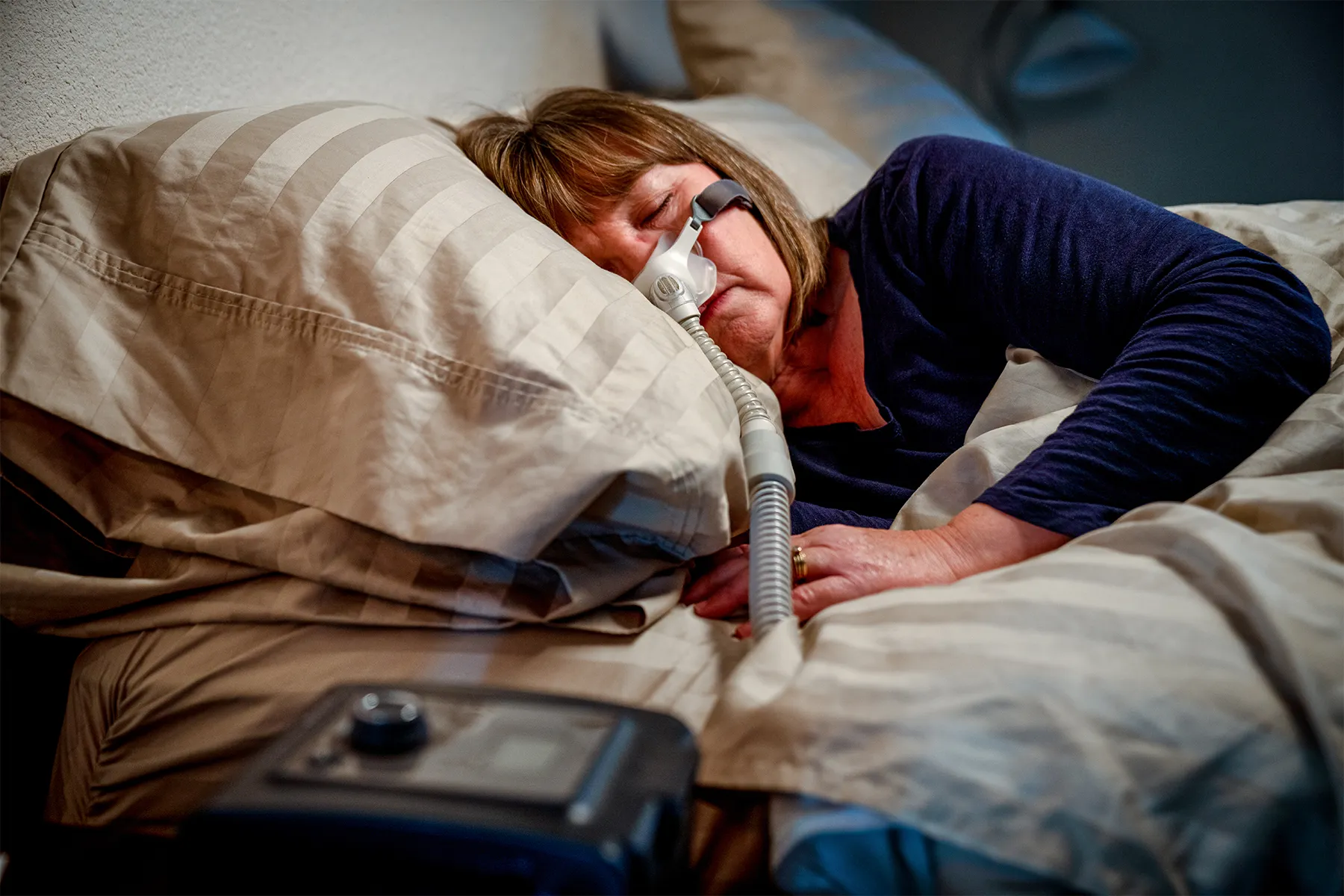
Continuous positive airway pressure, or CPAP, is one of the most common and effective treatments for OSA. A CPAP machine delivers a steady stream of pressurized air through a mask, helping keep the airway from collapsing. Other forms of positive airway pressure include APAP, which automatically adjusts pressure, and BiPAP, which provides different pressures for inhaling and exhaling.
CPAP can dramatically improve snoring, oxygen levels, daytime alertness, and sleep quality. The catch is comfort. Some people need time to adjust to the mask, pressure, tubing, or airflow. The first few nights may feel like sleeping with a very committed leaf blower. Fortunately, mask refitting, humidification, pressure adjustments, and coaching can make CPAP much easier to tolerate.
Oral Appliance Therapy
An oral appliance is a custom dental device worn during sleep. Many devices gently move the lower jaw forward, helping keep the airway open. Oral appliances may be helpful for people with mild to moderate OSA or those who cannot tolerate CPAP. They should be fitted and monitored by a qualified dental professional familiar with sleep apnea treatment, because jaw discomfort, bite changes, or tooth movement can occur.
Weight Management
For people whose OSA is linked to excess weight, weight loss can reduce airway obstruction and improve symptoms. Even modest weight loss may help some patients. However, weight management is not an instant cure and should not replace medical treatment when OSA is moderate or severe. Many patients benefit from combining weight management with CPAP, oral appliances, or other therapies.
Medication for Certain Adults With Obesity
A newer treatment development is the approval of tirzepatide under the brand name Zepbound for moderate to severe obstructive sleep apnea in adults with obesity. It is intended to be used along with reduced-calorie nutrition and increased physical activity. This option is not appropriate for everyone, and it does not replace the need for individualized medical evaluation. People considering it should discuss benefits, risks, side effects, cost, and long-term planning with their healthcare provider.
Positional Therapy
Some people have OSA that is worse when sleeping on the back. Positional therapy encourages side sleeping through special devices, pillows, or wearable reminders. It can be useful for selected patients, especially when OSA is mild and strongly position-related.
Reducing Alcohol and Sedatives
Avoiding alcohol near bedtime and reviewing sedating medications with a clinician can reduce airway collapse in some patients. Never stop prescribed medication without medical advice, but do ask whether a medication could be worsening sleep-disordered breathing.
Treating Nasal Congestion
Managing allergies, nasal blockage, or sinus problems may improve comfort with CPAP and reduce nighttime breathing trouble. Options may include saline rinses, allergy treatment, nasal steroid sprays, or evaluation for structural nasal issues.
Surgery and Implantable Devices
Surgery may be considered when anatomy plays a major role or when other treatments fail. Procedures may target enlarged tonsils, the soft palate, nasal obstruction, jaw position, or tongue-related airway collapse. Hypoglossal nerve stimulation is another option for selected adults; it uses an implanted device to help move the tongue forward during sleep. Surgery is not a universal shortcut, but for the right patient, it can be life-changing.
Living With OSA: Practical Tips That Actually Help
Successful OSA management often depends on small, consistent habits. Use prescribed treatment every night, not only on weekdays or when feeling extra responsible. Keep follow-up appointments so pressure settings, mask fit, and symptoms can be reviewed. Clean CPAP equipment as recommended, because nobody wants a science experiment growing in the humidifier chamber.
Maintain a regular sleep schedule, create a dark and comfortable bedroom, limit heavy meals before bed, and avoid alcohol close to bedtime. If using CPAP, experiment with mask styles instead of quitting after one uncomfortable attempt. Nasal pillows, nasal masks, and full-face masks all feel different. The right fit can turn CPAP from “nope” into “surprisingly okay.”
Tell your provider if symptoms continue. Persistent sleepiness may mean the treatment needs adjustment, another sleep disorder is present, or another medical issue is contributing. OSA care is not a one-and-done receipt; it is a tune-up process.
When to See a Doctor
Talk with a healthcare professional if you snore loudly, wake up gasping, have witnessed breathing pauses, feel excessively sleepy during the day, wake with headaches, or struggle to stay alert while driving. Also seek evaluation if you have high blood pressure that is difficult to control, heart rhythm problems, type 2 diabetes, obesity, or a family history of sleep apnea.
Urgent help is needed if sleepiness makes driving unsafe or if breathing problems during sleep are severe. Pull over, nap safely, and get medical advice. No meeting, errand, or grocery run is worth turning a sleepy commute into a disaster movie.
Real-Life Experiences With Obstructive Sleep Apnea
Many people with OSA describe the same confusing pattern: they go to bed at a reasonable hour, wake up after what should have been a full night of sleep, and still feel like someone unplugged their battery. One common experience is the “mystery fatigue” phase. The person drinks more coffee, blames work stress, tries a new pillow, buys blackout curtains, and wonders whether adulthood is simply supposed to feel like walking through oatmeal. Then a partner mentions the snoring, gasping, or long breathing pauses, and suddenly the puzzle pieces start sliding into place.
Consider a typical example: a middle-aged office worker notices that afternoon meetings feel impossible. He is not lazy, bored, or secretly powered by carbohydrates. His brain is tired because his sleep is being interrupted dozens of times per hour. He wakes with a dry mouth, has morning headaches, and sometimes falls asleep on the couch before dinner. After a sleep study, he is diagnosed with moderate OSA. CPAP feels awkward at first. The mask leaks, the tubing is annoying, and the machine seems to have more opinions than a smart refrigerator. But after a few adjustments, he starts waking clearer. His partner sleeps better too. The household mood improves because nobody is starting the day with a snore hangover.
Another common story involves someone who does not fit the stereotype. A woman in her 50s may not report thunderous snoring. Instead, she has insomnia, anxiety, morning headaches, brain fog, and frequent nighttime urination. She may be told she is stressed, hormonal, or “just busy.” All of those may be partly true, but they can also hide OSA. After testing and treatment, she may realize that her sleep was never truly restful. Her symptoms were quieter, but the impact was real.
Parents may notice similar patterns in children, although pediatric OSA has its own causes and treatment approach. A child may snore, breathe through the mouth, sweat at night, wet the bed, or struggle with attention and behavior during the day. In children, enlarged tonsils and adenoids are common contributors. Evaluation by a pediatric clinician is important because children are not just tiny adults with smaller pajamas; their sleep apnea needs different assessment and care.
People also describe emotional experiences after diagnosis. Some feel relieved because there is finally an explanation. Others feel frustrated because they wish they had known sooner. Many feel nervous about treatment, especially CPAP. That reaction is normal. Sleeping with equipment can feel strange at first. The practical trick is to treat the first month as a fitting period rather than a pass-fail exam. Wear the mask while reading or watching TV to get used to it. Ask for a different mask if one feels wrong. Use humidification if dryness is a problem. Report pressure discomfort instead of silently wrestling the machine at 2 a.m.
The best experience stories usually have one thing in common: persistence. OSA treatment works best when patients, sleep specialists, primary care clinicians, dentists, and sometimes ENT surgeons work together. Better sleep may not arrive in one magical night, but steady improvement can feel dramatic. People often report better energy, fewer morning headaches, improved mood, sharper focus, and less snoring. Bed partners may report the greatest miracle of all: silence.
Conclusion
Obstructive sleep apnea is common, serious, and highly treatable. It happens when the upper airway repeatedly narrows or closes during sleep, causing breathing interruptions, oxygen drops, and fragmented rest. The symptoms can include loud snoring, gasping, daytime sleepiness, morning headaches, irritability, poor concentration, and restless sleep. Over time, untreated OSA may affect heart health, blood pressure, mood, metabolism, and safety.
The right treatment depends on the individual. CPAP and other PAP therapies remain major treatment options, while oral appliances, weight management, positional therapy, medication for selected adults with obesity, and surgery can also help certain patients. The smartest step is not guessing. If OSA symptoms are present, a medical evaluation and sleep study can turn years of tired confusion into a clear plan. Better sleep is not a luxury item. It is basic maintenance for the human machineand unlike your phone, you cannot simply plug yourself into a wall at 3% and hope for the best.
Note: This article is for educational purposes and is based on information from reputable U.S. medical and public health sources. It should not replace diagnosis or treatment from a qualified healthcare professional.