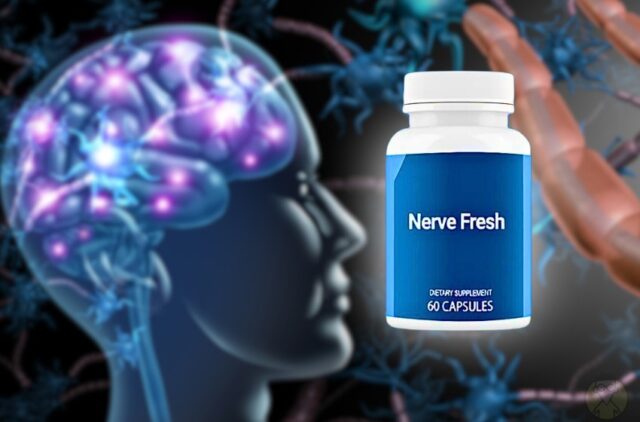
Editorial note: This review is written in plain English, not miracle-pill English. That means no magical “one weird plant cured everything” nonsense, no confetti cannon for every capsule, and no pretending that a supplement is the same thing as actual medical treatment. The goal here is simple: separate the sales pitch from the useful stuff.
If you have been researching neuropathy supplements lately, you already know the internet can feel like a carnival. One page says a product is revolutionary. Another says it is life-changing. A third says it was forged by ancient healers, modern scientists, and possibly a wizard in a lab coat. Nerve Fresh lands right in the middle of that noisy category. It is marketed as a natural nerve health supplement designed to help with tingling, burning, numbness, and nerve discomfort, especially for people worried about neuropathy.
So what is the real story? After reviewing public product pages, terms, independent review signals, and broader U.S. medical guidance on neuropathy and supplements, the answer is more mixed than the marketing suggests. Nerve Fresh is a real supplement being sold online with a five-herb formula, a 60-day refund policy, and one-time purchase language. But the public evidence for the finished product itself looks thin, the independent review volume is very limited, and some of the promotional language deserves a raised eyebrow, not a standing ovation.
What Is Nerve Fresh Supposed to Do?
Nerve Fresh is sold as a daily capsule formula for nerve support. On its public sales pages, the brand says the product is made in the United States, produced in a GMP facility, and sold with pricing tiers that usually reward bigger orders. Public pricing at the time of review showed a single bottle at $69, three bottles at $59 each, and six bottles at $39 each, plus a 60-day money-back guarantee. The official FAQ also says it is a one-off purchase rather than an autoship plan, which is a meaningful plus in a supplement category where surprise rebills can turn “wellness” into “why is my card crying?”
The product is positioned around five herbal ingredients: passionflower, prickly pear, marshmallow root, corydalis, and California poppy. The marketing claims these ingredients help calm irritated nerves, reduce inflammation, support better sleep, and improve overall nerve function. Public product pages also connect Nerve Fresh to common neuropathy complaints like burning sensations, pins and needles, numbness, and discomfort in the hands and feet.
The Fast Verdict
Nerve Fresh is not an obvious fake product, but it is also not a proven neuropathy breakthrough. It sits in the wide middle ground of online supplements: polished branding, confident promises, a botanical ingredient story, and just enough legitimate structure to look trustworthy at first glance. The problem is that the public proof for the finished formula is not especially strong. What you mostly get are the brand’s own testimonials, affiliate-style review pages, and bold marketing claims that go much further than mainstream medical guidance on neuropathy treatment.
If you are considering it, the smart framing is this: Nerve Fresh may be an adjunct wellness product for some adults who want to try an herbal supplement and who have already talked with a healthcare professional. It should not be viewed as a replacement for diagnosis, diabetes management, prescription treatment, physical therapy, or evaluation of an underlying cause.
Why the Marketing Deserves a Closer Look
One of the most important findings in this review is not about the herbs. It is about the claims. Public Nerve Fresh pages use language about restoring nerves, eradicating neuropathy symptoms, and targeting specific enzymes said to drive nerve damage. Another public-facing promotional page goes even harder, claiming a “public clinical trial” with 5,763 participants who experienced instant relief. That is the kind of statement that sounds impressive until you ask the obvious question: Where is the peer-reviewed human study on the finished product?
That question matters because U.S. regulators draw a bright line here. Dietary supplements are not FDA-approved drugs, and advertisers are supposed to have competent and reliable scientific evidence for objective health claims. In plain American English: a supplement seller does not get to dress up a sales pitch in a lab coat and call it science. If a claim sounds like a disease treatment claim, consumers should slow down and verify it.
Another detail worth mentioning is presentation. The public sales page uses an “FDA Approved” style badge, while the fine print and official federal guidance say dietary supplements are not FDA-approved for safety and effectiveness before sale. That does not automatically mean fraud, but it absolutely means consumers should understand the difference between an FDA-registered facility and an FDA-approved product. Those are not the same thing. Not even close. One is a regulatory status around manufacturing oversight; the other suggests a level of product review that supplements generally do not receive.
The terms page adds even more caution. It says the site’s information is educational only, the claims have not been evaluated by the FDA, and testimonials represent exceptional results rather than typical outcomes. It also says the site may use actors or voice actors in presenting the product. Again, none of that makes the product illegal by itself. But it does tell you something important: the dramatic sales story should be treated as marketing, not medical proof.
Nerve Fresh Ingredients: What Looks Reasonable, and What Looks Thin
Passionflower
Passionflower is the most plausible “feel-it” ingredient in the formula because it is commonly associated with calming and sedative effects. That may help some people who have nerve discomfort that flares at night or gets worse when stress and poor sleep pile on. The catch is that “calming” is not the same as “repairing damaged nerves.” Public safety references also note that passionflower can cause drowsiness, dizziness, and confusion in some users, which matters if you already take sedatives, sleep aids, or medications that affect alertness.
Prickly Pear
Prickly pear has antioxidant appeal, and supplement brands love that phrase the way reality TV loves dramatic pauses. But the more grounded read is that public references describe limited or weak scientific support for many of the sweeping health uses often attached to prickly pear. That does not make it useless. It just means the ingredient story is stronger than the proof story.
Marshmallow Root
Marshmallow root is more commonly associated with soothing irritated tissues, especially in the throat and digestive tract, than with well-established nerve pain treatment. That does not mean it cannot appear in a nerve-support blend, but it does mean buyers should not assume there is a strong neuropathy evidence base behind it. This is one of those ingredients that sounds wonderfully old-fashioned and herbal, which is nice, but charming is not a synonym for clinically validated.
Corydalis
Corydalis is probably the ingredient with the most direct “pain relief” reputation in the formula. Some research around corydalis-containing traditional preparations suggests potential pain-related effects, and that makes it more interesting than pure marketing glitter. Still, the evidence is not the same as a robust, finished-product clinical trial for Nerve Fresh itself. Public references also flag possible risks, including drug interactions and a potential increased bleeding risk, so this is not the kind of herb to toss into your routine like it is a mint.
California Poppy
California poppy is another calming herb. That may be useful for relaxation or sleep support, especially when nerve discomfort makes bedtime feel like a negotiation with your own feet. But again, there is a difference between helping someone feel calmer and proving that a product can reverse neuropathy. Safety references also note sedative effects and possible interactions with other medications that cause sleepiness.
The Bigger Ingredient Problem
The biggest issue is not that these ingredients are absurd. It is that the public pages reviewed did not prominently show a detailed Supplement Facts panel with transparent per-ingredient dosages. Without that, consumers are being asked to judge a formula without seeing the full recipe card. That is not ideal for any supplement, especially one marketed for a serious and often chronic health issue.
Complaints Investigated: What Are Buyers Most Likely to Object To?
When people search “Nerve Fresh complaints,” they usually want to know whether the product is a scam, whether refunds are hard to get, and whether the reviews are real. Based on public information, here is the balanced answer: the bigger red flags are marketing style and evidence quality, not a huge public mountain of verified consumer complaints.
Independent review volume appears very low. At the time of review, the public Trustpilot page showed just one review with an average score around 3.4 out of 5. That is simply not enough public feedback to draw sweeping conclusions about satisfaction, side effects, or long-term results. Meanwhile, the brand’s own site displays glowing testimonials, but the terms page also says testimonials represent exceptional results and are not typical. That is a pretty important asterisk.
The complaint patterns that seem most relevant are these:
- Evidence complaints: Buyers may feel the science sounds stronger in the ad than it looks in real life.
- Expectation complaints: People dealing with real neuropathy may expect major relief or nerve repair, then feel disappointed when a supplement behaves like, well, a supplement.
- Transparency complaints: Public-facing dosage detail appears limited, which makes informed comparison harder.
- Approval-language confusion: Badges and phrasing can imply more regulatory validation than supplements actually receive.
- Review-quality complaints: The public independent review pool is thin, which makes the “real reviews” question hard to answer confidently.
On the positive side, the offer structure itself is more consumer-friendly than some rivals. The refund window is clearly stated, the purchase is described as one-time rather than recurring, and ClickBank is named as the retailer on the site. Those details matter because they give buyers at least some framework for resolving purchase issues if the product does not live up to expectations.
How Does This Compare With Real Neuropathy Care?
This is the part no flashy supplement ad loves to emphasize: neuropathy is not one thing. It is a category of nerve disorders with many possible causes, including diabetes, injuries, alcohol misuse, infections, autoimmune disease, chemotherapy, vitamin deficiencies, and more. Mainstream medical guidance focuses on identifying the cause, treating what is treatable, managing pain, protecting numb areas from injury, and using tools such as medications, physical therapy, nerve testing, and lifestyle measures where appropriate.
That matters because a supplement can look more impressive than it really is when it is compared to the frustration of living with nerve symptoms rather than to actual standards of care. If you have persistent numbness, burning, weakness, balance trouble, or foot wounds you did not notice right away, the smartest move is medical evaluation first. Buying a bottle before getting answers is a little like trying to fix a check-engine light with air freshener. Pleasant? Maybe. Sufficient? Not really.
Who Might Consider Nerve Fresh, and Who Should Pass?
Nerve Fresh may appeal to adults who want to try a plant-based supplement, understand the limits, and are looking for a wellness-oriented add-on rather than a medical solution. Someone whose main issue is nighttime discomfort, mild tingling, stress-related symptom flares, or poor sleep may find the calming herbs more relevant than someone expecting documented nerve regeneration.
On the other hand, this is probably a poor fit for people who need a clinically proven treatment pathway, take multiple medications, use sedatives, take blood thinners, are pregnant or breastfeeding, or are trying to manage diabetes-related neuropathy without close medical supervision. In those groups, the risk is not just “the supplement might not work.” The risk is also delayed care, herb-drug interactions, or false reassurance.
Final Review: Is Nerve Fresh Worth Buying?
Our overall take: Nerve Fresh looks like a legitimate online supplement offer with a botanical formula, refund policy, and some reasonable quality-language basics. But the finished product still appears under-evidenced, the independent review base is very small, and the marketing often sounds more dramatic than the public proof justifies.
If you are shopping carefully, the most honest conclusion is this: Nerve Fresh may be worth considering only as a cautious, secondary experiment for adults who fully understand what it is and what it is not. It is not a miracle cure. It is not a proven replacement for neuropathy treatment. And it definitely does not get upgraded to “medical breakthrough” just because a sales page says the word “clinical” a lot.
In a supplement market crowded with glowing promises and suspiciously perfect testimonials, the most useful mindset is boring but effective: read the fine print, ask for real evidence, check for interactions, and keep your expectations on a leash.
Extended Consumer Experiences: What Buyers Commonly Feel, Hope, and Regret
Because the pool of independent public reviews for Nerve Fresh is still very small, the most honest way to talk about experiences is to look at patterns rather than pretend there are thousands of fully verified, deeply detailed consumer reports floating around the web. There are not. What does exist points to a familiar supplement journey.
The first common experience is hope mixed with urgency. Many people looking at Nerve Fresh are not casual browsers. They are dealing with burning feet at night, tingling hands during the day, or the constant annoyance of numbness that makes walking, standing, and sleeping harder than it should be. When someone feels ignored by conventional care or frustrated by slow progress, a supplement that promises nerve comfort can sound like a lifeline. That emotional context matters. People are not just buying capsules. They are buying the possibility of getting a little normal life back.
The second pattern is early optimism. A buyer may notice better sleep, a calmer body, or slightly less discomfort after a few days or weeks. That kind of response is believable, especially with calming herbs in the mix. But early relief does not automatically prove nerve healing. Sometimes a product helps someone feel more relaxed, sleep better, and cope better, which is still valuable. It just is not the same thing as reversing neuropathy.
The third pattern is disappointment caused by oversized expectations. This happens when shoppers read aggressive sales copy and expect dramatic nerve repair, “instant” relief, or major improvement in symptoms that have been building for years. When reality shows up with a much smaller result, frustration follows. In many cases, the complaint is not just “it did not work.” It is “it did not work the way the ad made it sound like it would.” That is an important difference, and it is why honest framing matters so much.
The fourth pattern is caution from medically complex buyers. People with diabetes, circulation issues, sleep medication, pain medication, or multiple prescriptions tend to approach products like Nerve Fresh more carefully. They are less interested in inspirational storytelling and more interested in boring questions like dosage, interaction risk, and what the doctor thinks. Frankly, boring questions are underrated. Boring questions save people from exciting mistakes.
The fifth pattern is value anxiety. Since the pricing structure strongly encourages buying three or six bottles, some shoppers worry about spending more upfront before they know whether the product suits them. Even with a refund policy, many buyers prefer proof before commitment. That hesitation is reasonable. The more expensive the bundle, the more important strong evidence becomes.
Put together, the experience story around Nerve Fresh is not “everyone loves it” or “everyone hates it.” It is much more human than that. People arrive hopeful, some feel a little better, some feel underwhelmed, and many are left trying to figure out whether the improvement came from the supplement, better sleep, less stress, the placebo effect, natural symptom fluctuation, or some combination of all four. That is exactly why the smartest shoppers stay curious, skeptical, and very unimpressed by miracle language.
Conclusion
Nerve Fresh is best understood as a modern online nerve-support supplement wrapped in very confident marketing. It has a botanical formula, a real refund policy, and a product structure that looks more legitimate than the sketchiest corners of the supplement world. But legitimacy is not the same as proof. The public evidence for the finished product remains limited, the independent review pool is tiny, and several parts of the promotional story run hotter than the science appears to support.
That leaves buyers with a straightforward decision. If you want to try Nerve Fresh, do it with realistic expectations, careful label reading, and medical guidance if you take other medications or have diabetes-related symptoms. If you want a product with strong, finished-formula human evidence for neuropathy relief, this review does not get you there. In other words, Nerve Fresh may be a maybe for some people, but it is definitely not a drop-everything-and-order miracle.