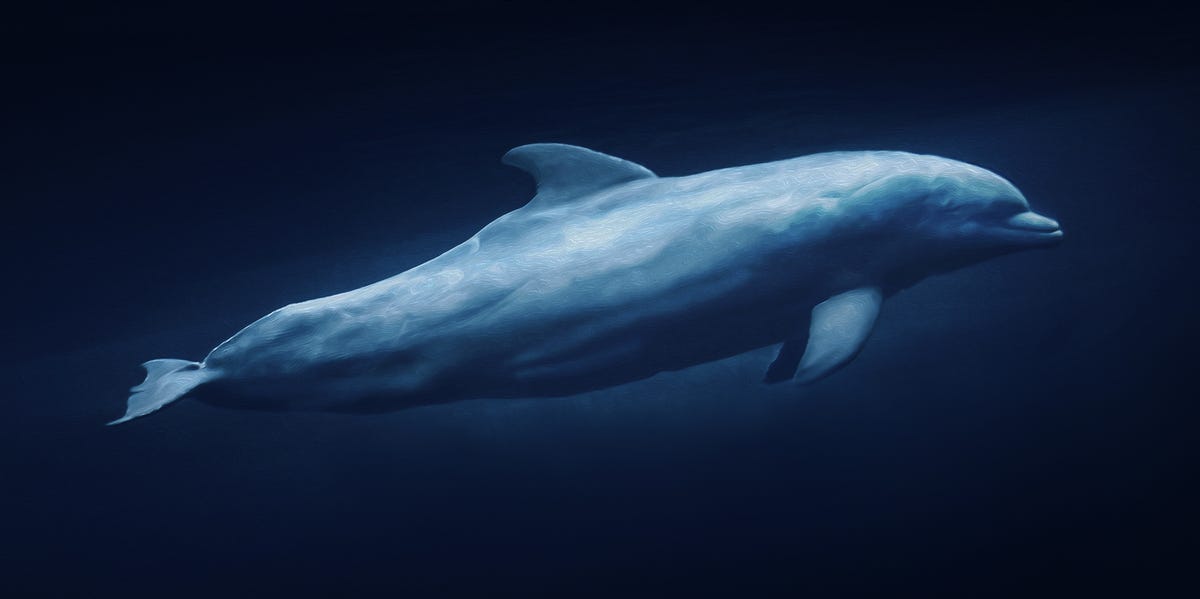
“Military dolphins” sounds like a movie pitch: a dolphin salutes, the soundtrack swells, and someone in a wetsuit says, “We’re going in.” In real life, the story is weirder, quieter, and a lot more practical. For decades, the U.S. Navy has worked with bottlenose dolphins (and their equally overachieving coworkers, California sea lions) for missions that are hard, dangerous, and underwaterwhere human eyes struggle, cameras get confused, and high-tech sensors can still miss what an animal detects naturally.
The result is a program that sits at the intersection of national security, animal behavior, ocean science, and ethics. Supporters call the animals “partners” and point to specialized skills that outperform technology in messy real-world water. Critics argue that no mission justifies keeping highly intelligent marine mammals in human control. Both sides agree on one thing: this is not a normal “pet trick” situation.
What “military dolphins” actually means
In the U.S., the phrase usually refers to bottlenose dolphins trained as part of the Navy’s Marine Mammal Program, based in San Diego. The Navy describes the work as training dolphins and sea lions to detect, locate, mark, and recover objects in harbors, coastal areas, and deeper open waterplus assisting security personnel with detecting unauthorized swimmers and divers near sensitive sites.
It’s important to separate reality from rumor. Pop culture has long loved the idea of “weapon dolphins,” and for years the program’s secrecy fueled speculation. But the publicly described missions emphasize detection, marking, and recovery worktasks that help human teams make safer decisions underwater.
Why dolphins are used in the first place
Biosonar that thrives where electronics get cranky
Dolphins don’t just “see” underwaterthey build a high-resolution sense of their surroundings using echolocation (biological sonar). In certain environmentsthink shallow coastal water, cluttered harbors, or murky areas full of vegetation and debriselectronic sonar can be thrown off by noise and reflections. The Navy argues that dolphins can detect mines and other dangerous objects that are difficult for electronic systems to spot in those conditions.
Natural diving ability (no decompression drama)
Human divers have to worry about time, depth limits, and decompression sickness (“the bends”). Dolphins and sea lions evolved for the job. The Navy notes they can dive hundreds of feet without the decompression risks that constrain human teams, which matters when you’re searching wide underwater areas and want to reduce danger to people.
Trainability and teamwork
Bottlenose dolphins are intelligent, social, and highly trainabletraits that make them suitable for complex tasks in a dynamic environment. California sea lions bring their own strengths, including excellent low-light vision and underwater directional hearing. In practice, the animals are part of a broader system that includes handlers, boats, divers, and increasingly, underwater vehicles and sensors.
The three core missions you’ll hear about most
1) Mine detection and “marking”
Sea mines remain a serious threat because they’re relatively cheap compared with the ships they can damageand because they can be difficult to locate in low-visibility conditions. In public descriptions of the program, dolphins are trained to search for mines and indicate or mark their locations so human teams can avoid them or investigate safely. The key idea is that the dolphin’s detection becomes actionable information for people, not a one-animal demolition squad.
A famous real-world example comes from the 2003 Iraq War, when Navy-trained dolphins were used in mine-clearing operations around Umm Qasr, Iraq’s port. Reports described dolphins working alongside divers and unmanned undersea vehicles to help clear large numbers of mines and underwater hazardsan early high-profile case of marine mammals operating in an active combat environment.
2) Harbor and ship security
Ports and naval bases aren’t just above-water concerns. An unauthorized swimmer or diver can be a serious threat near ships, piers, or other sensitive assets. Public accounts describe dolphins and sea lions supporting “force protection” missions by helping detect underwater intruders in areas where visibility is low and where electronic detection can be challenged by clutter and noise.
3) Object recovery
The ocean is excellent at “keeping” anything dropped into ittools, sensors, training targets, and expensive equipment. The Navy describes sea lions as especially useful for locating objects and helping attach recovery lines to equipment on the ocean floor, making it possible to retrieve items without sending divers into risky conditions.
A quick timeline of the Navy dolphin story
- Early research era (late 1950s–1960s): The Navy began work with marine mammals in the Cold War context, initially studying capabilities like swimming performance and sensory systems.
- San Diego becomes home base: The program eventually became headquartered in San Diego (today associated with Naval Information Warfare Center Pacific), with animals homeported at Point Loma for decades.
- Vietnam War deployments: Public histories and Navy-adjacent reporting describe early operational use in Vietnam, which helped cement the idea that these animals could be deployed beyond training waters.
- Declassification in the early 1990s: The Navy notes that earlier classification contributed to rumors; later declassification allowed more public discussion of missions and research.
- 2003 Iraq War: Dolphins were reported to have supported mine-clearing work in and around Umm Qasr.
- Today: The program continues with a focus on mine countermeasures, security support, object recovery, and scientific research on marine mammal health and sensory biology.
How training is described (and what it’s not)
One reason “military dolphins” creates instant debate is that people imagine coercion, aggression, or harm. In public descriptions, the training emphasis is on detection behaviorsfinding, signaling, and returning to handlerspaired with consistent routines and rewards. The Navy has also publicly highlighted enrichment work, including cognitive engagement for sea lions (yes, even games designed for mental stimulation).
Another frequently asked question is whether dolphins are “sent off” like robots. The training model described in official and journalistic coverage tends to be closer to working-dog culture: the animal performs a narrow set of learned behaviors in environments that are unpredictable, while humans interpret signals and make decisions.
Animal care: what supporters point to
Program advocates argue the animals receive extensive veterinary oversight and structured care. The Navy publicly emphasizes specialized diets, routine health monitoring, and careful transport procedures when animals deploy by sea or air. The National Marine Mammal Foundation, a U.S.-based nonprofit, describes its role in safeguarding the health and well-being of Navy marine mammals and advancing marine mammal medicine and research.
Supporters also point to the program’s scientific output. The Navy states that work with trained animals has generated a large body of peer-reviewed research on hearing, physiology, behavior, and healthknowledge that can inform both managed care and conservation science.
The controversy: the ethical debate doesn’t go away
Captivity vs. consent
The biggest ethical question is simple and uncomfortable: even if an animal is well cared for, is it ethical to use it for military missions at all? Dolphins are intelligent, social mammals with complex needs. Critics argue that captivity and human-directed work can impose chronic stress or deprive animals of natural freedomespecially when the “job” is tied to human conflict.
Risk and transparency
Deployments, transport, unfamiliar environments, and the inherent hazards of underwater operations raise additional welfare questions. There’s also a transparency issue: national security organizations don’t publish every operational detail, and that secrecy can deepen mistrust. Even if a mission is defensive, critics may worry about what isn’t disclosed.
“But the mission is defensive” isn’t a full answer
Supporters often frame the work as protectivehelping to keep ports safe and reducing risks to sailors and divers. Critics respond that “defensive” doesn’t automatically make an activity ethical, especially when the participants can’t truly opt out. That’s why this topic keeps resurfacing: it’s not just about capabilityit’s about values.
Are robots replacing military dolphins?
The short version: technology is trying, but water is humbling. Unmanned underwater vehicles, improved sonar, and smarter sensors continue to advance, and the Navy (and media covering the Navy) has discussed shifting some capabilities toward technology. Yet reporting has also highlighted a persistent reality: in certain environments, current systems still don’t reliably match a dolphin’s ability to detect subtle targets amid underwater clutter.
The most likely future is a blended one: more autonomy and robotics for broad-area search, plus specialized biological sensing (and/or very advanced sensors) for the hardest edge cases. If that sounds like a “both/and,” it isbecause mine warfare and port security punish “good enough.”
FAQ: quick answers people actually want
Are military dolphins a myth?
No. The existence of a U.S. Navy marine mammal program is publicly documented. What’s often exaggerated is what dolphins are trained to do. Public descriptions focus on detection, marking, and recovery tasks, not Hollywood-style “combat dolphin” fantasies.
Do they work alone?
Not in the way people imagine. The animals operate as part of teams with handlers, boats, divers, and other equipment. Their strength is detection and communicationhumans handle the decision-making and follow-on action.
Why not just use high-tech sonar?
Sometimes sonar works great. Sometimes harbors and shallow coastal areas are so clutteredacoustically and visuallythat a dolphin’s biological sonar can outperform electronics in identifying specific targets.
Is the program controversial?
Yes, and it likely will remain so. Even people who respect the defensive missions may still oppose using intelligent marine mammals for military purposes. Ethical concerns about captivity, stress, and mission risk are central to the debate.
Conclusion
Military dolphins aren’t science fiction, but they also aren’t the cartoon version most of us carry around in our heads. They’re working animals used for underwater detection, recovery, and security tasksroles that can reduce risk to human divers and help protect ships and ports. At the same time, the ethical questions are real: what do we owe animals that are smart enough to cooperate, but not able to consent?
The most honest takeaway is that “military dolphins” is a story about capability and conscience. The ocean creates problems humans still struggle to solve with machines. Dolphins can help solve some of them. Whether we should ask them to is the argument that never stops.
Experiences: what it feels like around “military dolphins” (and what handlers describe)
If you want to understand why the idea of military dolphins is both fascinating and divisive, picture the scene where it actually happens: not a battlefield montage, but a quiet morning on San Diego Bay. The water looks calm from above, yet it’s full of motioncurrent, silt, boat noise, and the kind of underwater clutter that makes even expensive sensors throw their hands up and say, “Best guess?”
In public-facing visits described by journalists, you’ll see handlers and technicians who don’t talk about the animals like gear. They talk about personalities. One dolphin is “laser-focused,” another is “chaos, but gifted,” and a third is basically the coworker who shows up early, does the assignment perfectly, and makes everyone else look bad. The humor is part coping mechanism, part genuine affection. If you’re around working animal teamspolice dogs, search-and-rescue horses, bomb-sniffing dogsthe vibe feels familiar: high standards, tight routines, and an emotional bond people don’t always admit until you’re standing close enough to notice it.
The training itself (as publicly described) looks less like a circus and more like a structured workday with breaks, repetition, and small “wins.” A dolphin heads out, searches, returns, gets feedback and a reward, then rests. The drama isn’t loud; it’s in the concentration. And when the animal nails a task, the human reaction is surprisingly universal: the same grin you see when a friend parallel parks in one smooth move. You’re impressed, relieved, and a little jealous.
One of the more unexpected “experience” details that shows up in recent coverage is enrichmentespecially for sea lions. Reports and Navy imagery have highlighted cognitive games as part of enrichment research. It’s easy to laugh at the headline (“Sea lions play video games!”) until you remember the serious point: intelligent animals in managed care need mental work, not just physical space. In that light, a sea lion tapping targets on a screen is less TikTok gimmick and more occupational health. A bored genius is still bored.
The ethical tension is also something you can feel in the air. People who oppose the program don’t usually deny dolphins are remarkablethey argue that’s exactly why the program is wrong. And supporters don’t usually deny captivity is morally loaded; they argue that the care is high-level and the missions save human lives. If you talk to ten people who’ve read about it, you may get ten different “gut feelings,” and they’re often rooted in values, not facts. That’s why the debate persists even when the basic missions are explained.
What sticks with most observers isn’t a single “wow” moment. It’s the uncomfortable realization that nature has already built a sensor system that technology still can’t fully replacethen the follow-up question: if we can’t replace it, do we have the right to recruit it? That’s the experience at the heart of military dolphins: awe, practicality, and moral unease in the same boat, drifting over water that refuses to be simple.