Every website wants visitors to “convert,” but that word can be sneakier than a cat sitting on a closed laptop. A conversion might be a purchase, a demo request, a newsletter signup, a pricing-page visit, a video play, a cart addition, or even a simple click on a “call now” button. Some conversions pay the bills directly. Others simply whisper, “This person is interested.” Both matter.
That is where the difference between micro conversions and macro conversions becomes essential. Macro conversions are the big wins: the sale, the lead, the booked consultation, the subscription, the completed application. Micro conversions are the smaller actions that happen before or around those big wins: viewing a product page, downloading a guide, signing up for an email list, starting checkout, watching a demo video, or using a comparison tool.
Understanding micro vs. macro conversions helps marketers, SEO teams, PPC specialists, ecommerce managers, and business owners see the full customer journey instead of staring only at the final number like it owes them money. Macro conversions tell you whether the business is winning. Micro conversions tell you why people are getting closeror why they are quietly escaping through the side door.
What Is a Macro Conversion?
A macro conversion is the primary goal of a website, landing page, app, or marketing campaign. It is the action most closely tied to revenue, growth, or a major business outcome. In ecommerce, the classic macro conversion is a completed purchase. For a SaaS company, it may be a free trial signup, demo request, or paid subscription. For a service business, it might be a submitted lead form, booked appointment, or phone call from a qualified prospect.
Think of macro conversions as the trophy moments. They are the reason the campaign exists. Nobody launches a paid search campaign because they have a lifelong dream of increasing button clicks. They want customers, revenue, leads, appointments, or subscriptions. The button clicks are useful, but they are not the party. They are the hallway leading to the party.
Common examples of macro conversions
- Completing an online purchase
- Submitting a lead generation form
- Booking a consultation or appointment
- Starting a paid subscription
- Signing up for a free trial
- Requesting a quote
- Completing an account registration
- Calling a sales team from a high-intent landing page
Macro conversions are usually the main performance indicators used in reporting. They belong in executive dashboards, campaign reviews, revenue analysis, and budget decisions. If a campaign produces a lot of traffic but no macro conversions, it may be attracting the wrong audience, sending people to the wrong page, or making an offer about as exciting as unsalted rice cakes.
What Is a Micro Conversion?
A micro conversion is a smaller action that signals user interest, engagement, or progress toward a larger goal. It may not create immediate revenue, but it helps you understand how visitors move through the conversion funnel. Micro conversions are especially useful because most people do not land on a website and instantly buy, subscribe, or request a demo. They browse, compare, hesitate, read, scroll, click, leave, return, and maybe overthink the shipping cost at 11:47 p.m.
Micro conversions show those in-between moments. They are the breadcrumbs of intent. A visitor who reads three product reviews, adds an item to cart, and checks the return policy is behaving very differently from someone who lands on a page, blinks twice, and leaves. Without micro conversion tracking, both users may look like “non-converters.” That is not helpful. It is like calling everyone who did not finish a marathon “someone who stood outside.” Technically true, but wildly incomplete.
Common examples of micro conversions
- Viewing a product detail page
- Adding a product to cart
- Starting checkout
- Clicking a pricing page
- Watching a product demo video
- Downloading a white paper or guide
- Subscribing to a newsletter
- Clicking an email link
- Using a site search box
- Reading customer reviews
- Creating a wishlist
- Clicking a phone number or email address
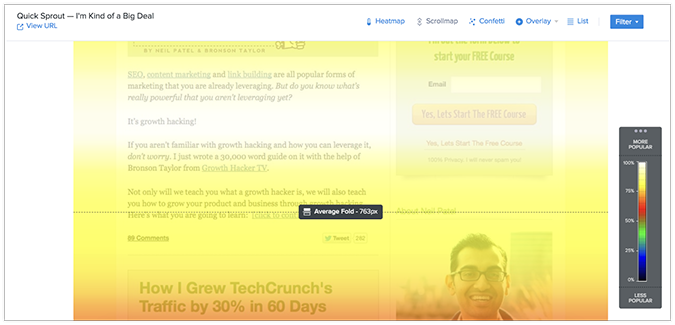
- Scrolling to a key section of a landing page
- Opening a live chat window
Two Types of Micro Conversions
Micro conversions generally fall into two useful categories: process milestones and secondary actions. Knowing the difference helps you avoid tracking every tiny interaction just because your analytics platform allows it. Measurement without strategy is just digital confetti.
1. Process milestones
Process milestones are steps that directly lead toward a macro conversion. In ecommerce, viewing a product, adding it to cart, entering checkout, and adding payment information are all process milestones. In B2B marketing, visiting a service page, checking pricing, downloading a case study, and submitting a demo form may represent a similar path.
These micro conversions are valuable because they expose funnel leaks. If many users add products to cart but few start checkout, there may be concerns about shipping, pricing, trust, or account creation. If many visitors start a form but few complete it, the form may be too long, confusing, or asking for information too early. Yes, “What is your annual budget?” on a first-touch form can feel like asking someone to name their future children on a first date.
2. Secondary actions
Secondary actions are useful behaviors that do not sit directly on the main conversion path but still indicate interest. Examples include signing up for a newsletter, following a brand on social media, downloading an educational guide, sharing content, or watching a video. These actions may not guarantee a sale, but they create opportunities for remarketing, nurturing, brand recall, and future engagement.
Secondary actions matter most in longer buying journeys. A visitor comparing enterprise software may not book a demo immediately. They may first read a guide, attend a webinar, review a comparison page, and return later. In that situation, a micro conversion can be an early signal that the person is not lost; they are simply taking the scenic route through the funnel.
Micro vs. Macro Conversions: The Key Differences
The biggest difference between micro and macro conversions is business impact. Macro conversions are primary outcomes. Micro conversions are supporting signals. Macro conversions answer, “Did we get the result?” Micro conversions answer, “What happened before the resultor before the visitor disappeared into the internet fog?”
| Factor | Micro Conversion | Macro Conversion |
|---|---|---|
| Purpose | Tracks engagement or funnel progress | Tracks the main business goal |
| Business value | Indirect or supporting value | Direct value tied to revenue, leads, or growth |
| Examples | Video views, cart adds, downloads, pricing-page visits | Purchases, demo requests, subscriptions, lead forms |
| Best use | Diagnosing behavior and improving the funnel | Measuring campaign and business success |
| Risk | Can become vanity metrics if disconnected from outcomes | May hide important journey details if tracked alone |
The smartest approach is not choosing one over the other. It is using both correctly. Macro conversions keep your strategy accountable. Micro conversions help you improve the path that leads to those big outcomes.
Why Micro Conversions Matter
Micro conversions matter because they reveal user intent before the final conversion happens. This is especially important when macro conversions are rare. A new B2B website may only receive a handful of demo requests each month. A high-ticket ecommerce store may have a low purchase volume because customers need more time to decide. A local service business may receive calls, but not enough to run reliable experiments quickly.
In those cases, micro conversions provide faster feedback. Instead of waiting weeks to see whether a landing page generates enough sales, you can study whether visitors are scrolling to the offer, clicking the pricing section, starting the form, watching the explainer video, or opening the FAQ. These signals help you identify friction earlier.
Micro conversions help diagnose funnel problems
Imagine an ecommerce store with plenty of product-page views but very few cart additions. That suggests the product page may not be persuasive enough. The issue could be weak images, unclear sizing, missing reviews, vague benefits, or a price that appears suddenly and scares people like a horror movie jump cut.
Now imagine cart additions are strong, but checkout completions are weak. That points to a later-stage issue: shipping fees, payment options, return policy, trust badges, account creation, or checkout complexity. The macro conversion tells you sales are low. The micro conversions show where the funnel is leaking.
Micro conversions support better remarketing
Not all visitors deserve the same follow-up. Someone who viewed one blog post is different from someone who viewed pricing, opened live chat, and downloaded a comparison guide. Micro conversion data allows marketers to build better audiences and messages. A cart abandoner may need reassurance about shipping. A pricing-page visitor may need a case study. A guide downloader may need educational nurturing before a sales pitch.
This is where micro conversions become more than analytics. They become segmentation clues. They help you speak to people based on what they actually did, not what you hope they were thinking while they did it.
Why Macro Conversions Still Rule the Kingdom
Micro conversions are useful, but macro conversions are still the main scoreboard. A campaign with a mountain of newsletter signups but zero qualified leads may not be successful. A landing page that gets more scroll depth but fewer purchases may have improved “engagement” while hurting revenue. That is not optimization. That is decorating the funnel while the cash register takes a nap.
Macro conversions keep teams honest. They prevent marketers from celebrating metrics that feel good but do not support the business. For example, increasing video plays is great only if those video plays help more users understand the offer, trust the brand, or move closer to purchase. If people are watching because the video auto-plays loudly and they are desperately trying to stop it, congratulations: you have not discovered a growth strategy. You have discovered annoyance.
When to Use Micro Conversions
Use micro conversions when you need more detailed insight into user behavior. They are especially helpful in four situations: low traffic, long buying cycles, funnel troubleshooting, and testing.
Use micro conversions when macro data is limited
If a website receives only a small number of purchases or leads, it may be hard to learn from macro conversions alone. Micro conversions create more data points. A SaaS company may not get many paid signups in a week, but it may get plenty of visitors viewing pricing, starting trials, inviting team members, or activating key product features. These smaller actions can reveal whether users are moving in the right direction.
Use micro conversions for long customer journeys
In industries like B2B software, healthcare services, finance, education, home improvement, and high-ticket ecommerce, buyers rarely convert instantly. They research, compare, ask questions, read reviews, and return later. Micro conversions help you measure that journey instead of pretending every visitor is either a buyer or a ghost.
Use micro conversions to improve UX and content
Micro conversion tracking can show whether content is doing its job. Are visitors clicking from a blog post to a product page? Are they downloading the checklist? Are they using the calculator? Are they expanding the FAQ section? These actions show whether your content is leading users toward a useful next step.
Use micro conversions in A/B testing carefully
Micro conversions can help A/B testing by giving early directional signals, especially when macro conversions take longer to collect. However, they should not replace the primary business goal unless the micro conversion has a proven relationship with that goal. A test variation that increases button clicks but decreases purchases is not a winner. It is just louder.
When to Use Macro Conversions
Use macro conversions whenever you are measuring business impact. They should guide budget allocation, campaign success, landing page performance, sales forecasting, and executive reporting. If the macro conversion improves, the business usually has something meaningful to celebrate.
Use macro conversions for campaign evaluation
Paid search, paid social, SEO, email, affiliate campaigns, and landing pages should ultimately be judged by macro outcomes. A campaign may have a lower click-through rate but higher lead quality. Another may drive lots of traffic but weak sales. Macro conversion tracking helps you avoid making decisions based on surface-level engagement alone.
Use macro conversions for revenue analysis
For ecommerce, macro conversion tracking should connect to revenue, average order value, product category, traffic source, and customer segment. For lead generation, it should connect to lead quality, sales acceptance, close rate, and customer lifetime value. A lead is not automatically valuable just because someone filled out a form. Sometimes the form submission says, “I need enterprise software.” Sometimes it says, “Do you sell replacement parts for my toaster?” Context matters.
How to Track Micro and Macro Conversions
The best tracking setup starts with a simple question: What actions actually matter? Do not track everything. Track the events that explain movement through the customer journey.
Step 1: Define the macro conversion first
Start with the main business goal. Is it a purchase, qualified lead, trial signup, booking, quote request, or subscription? This becomes the anchor for your conversion strategy. Without a clear macro conversion, micro conversions can multiply until your dashboard looks like a junk drawer with charts.
Step 2: Map the customer journey
List the important steps users take before converting. For ecommerce, that may include category view, product view, add to cart, checkout start, payment step, and purchase. For B2B, it may include blog visit, case study view, pricing-page visit, demo video play, form start, and demo request.
Step 3: Choose meaningful micro conversions
Choose micro conversions that show intent or reveal friction. A scroll event may be useful on a long sales page if the key offer appears lower down. A video play may matter if the video explains the product. A pricing-page visit usually shows stronger commercial intent than a homepage visit. The goal is not to collect every click. The goal is to understand behavior.
Step 4: Assign values or priority levels
Not all micro conversions are equal. A newsletter signup may be worth less than a pricing-page visit. A cart addition may be worth more than a product image zoom. You can assign values, labels, or priority tiers to help your team understand which actions deserve attention.
Step 5: Review the relationship between micro and macro conversions
The most important question is whether micro conversions predict macro conversions. If users who download a guide later become leads, that guide download is meaningful. If users who click a flashy carousel never buy, that interaction may be noise. The best micro conversions are not just popular; they are connected to progress.
Specific Examples by Business Type
Ecommerce example
Macro conversion: completed purchase.
Micro conversions: product-page view, size-guide click, review read, add to cart, coupon field interaction, checkout start, shipping-method selection.
When to use them: Use macro conversions to measure sales performance. Use micro conversions to understand why shoppers drop off. If many visitors use the size guide but do not add to cart, sizing may still feel unclear. If many shoppers abandon after shipping appears, shipping cost or delivery speed may be the villain wearing a tiny cape.
SaaS example
Macro conversion: paid subscription or demo request.
Micro conversions: pricing-page visit, feature-page engagement, webinar signup, free trial start, product activation event, integration setup, team invite.
When to use them: Use macro conversions to judge business growth. Use micro conversions to understand product-qualified behavior. A trial user who creates a project and invites teammates is usually more promising than one who logs in once and vanishes like a magician with poor customer retention.
Local service business example
Macro conversion: booked appointment, quote request, or qualified phone call.
Micro conversions: service-page visit, location-page view, click-to-call, form start, review-page click, map interaction.
When to use them: Use macro conversions to measure real inquiries. Use micro conversions to improve local SEO pages, service pages, and mobile usability. A visitor tapping the phone number on mobile is a strong intent signal, even if they do not submit a form.
Common Mistakes to Avoid
Mistake 1: Treating every click as a conversion
A conversion should represent meaningful progress. If you mark every tiny action as a conversion, your analytics will become noisy. Clicking a decorative tab, opening a menu, or accidentally tapping an image should not receive the same attention as starting checkout or requesting a demo.
Mistake 2: Optimizing for micro conversions only
Micro conversions are helpful, but they can mislead you if they are not tied to macro outcomes. A landing page may increase downloads but reduce qualified leads. A new layout may increase clicks but decrease purchases. Always check whether the small win supports the big win.
Mistake 3: Ignoring lead quality
For lead generation, a macro conversion is not always the final answer. A form submission may be high quality, low quality, or completely unrelated. Connect conversion data with CRM outcomes when possible. Otherwise, you may optimize for more leads while accidentally attracting people who will never buy.
Mistake 4: Forgetting mobile behavior
Mobile users often behave differently from desktop users. They may click to call, use shorter forms, skim faster, or abandon clunky checkout flows. Track micro and macro conversions by device so you can see where mobile friction is quietly stealing results.
How SEO Teams Should Use Micro and Macro Conversions
SEO is not just about ranking. Rankings bring visibility, but conversions create business value. Micro conversions help SEO teams understand whether organic visitors are taking the next step after landing on a page. For example, an informational blog post may not produce immediate purchases, but it can drive newsletter signups, product-page clicks, calculator usage, or guide downloads.
This matters because different keywords reflect different intent. A searcher asking “what is conversion rate optimization” is probably earlier in the funnel than someone searching “best CRO agency for ecommerce.” The first visitor may complete a micro conversion, while the second may be closer to a macro conversion. Good SEO strategy respects both journeys.
Use micro conversions to improve internal links, content calls-to-action, lead magnets, comparison pages, and product education. Use macro conversions to prove which organic pages and keyword groups eventually generate revenue or qualified leads.
How PPC Teams Should Use Micro and Macro Conversions
Paid media teams often face a practical challenge: ad platforms need conversion signals, but some accounts do not generate enough final conversions quickly. Micro conversions can help provide additional insight, especially during early learning periods. However, the chosen micro conversion must be close enough to business value to avoid training campaigns toward low-quality actions.
For example, optimizing toward “page view” may bring cheap traffic that does nothing. Optimizing toward “started checkout,” “qualified form start,” or “pricing-page visit” may be more useful because those actions show stronger intent. The closer the micro conversion is to revenue, the safer it usually is as an optimization signal.
Best Practice: Build a Conversion Measurement Framework
A strong conversion framework includes one primary macro conversion and a short list of high-quality micro conversions. It also defines where each conversion sits in the funnel, how it is tracked, and what business question it answers.
Here is a simple framework:
- Awareness micro conversions: blog engagement, video views, social clicks, email signups.
- Consideration micro conversions: product views, comparison-page visits, guide downloads, webinar registrations.
- Decision micro conversions: pricing-page visits, cart additions, checkout starts, form starts, click-to-call actions.
- Macro conversions: purchases, subscriptions, demo requests, booked calls, submitted qualified leads.
This structure keeps your analytics clean. It also helps teams make better decisions. Content teams can improve awareness and consideration steps. CRO teams can fix decision-stage friction. Sales teams can evaluate lead quality. Leadership can focus on macro outcomes without losing sight of the journey.
Field Notes: Real-World Experience With Micro vs. Macro Conversions
In real marketing work, the biggest lesson is that macro conversions rarely fail alone. When sales, leads, or subscriptions are weak, the problem usually starts earlier. The audience may be wrong. The offer may be unclear. The page may create doubt. The form may feel like paperwork from a government basement. Micro conversions help reveal those problems before the final number disappoints everyone in the meeting.
One common experience is seeing a landing page with decent traffic and a terrible lead conversion rate. At first, the team blames the headline. Then the button color. Then the weather, Mercury retrograde, or the intern who “changed something in the CMS.” But when micro conversions are tracked, the truth becomes clearer. Visitors may be scrolling only halfway down the page and never seeing the proof section. Or they may be clicking the CTA but abandoning the form because it asks for a phone number too early. In that case, the macro conversion says, “Leads are low.” The micro conversions say, “People are interested, but the form is scaring them.” That is a much more useful diagnosis.
Another practical lesson: not every micro conversion deserves celebration. Newsletter signups, video views, and downloads can look impressive, but they need context. A guide that attracts students doing research may generate many downloads and almost no customers. A pricing-page visit from a qualified industry keyword may produce fewer clicks but stronger sales opportunities. Experience teaches marketers to ask, “Does this micro conversion predict future value?” If the answer is no, it may still be useful for engagement, but it should not drive major strategy.
For ecommerce, the most revealing micro conversions often happen close to checkout. Add-to-cart rate, checkout-start rate, shipping-step drop-off, payment errors, and return-policy clicks can tell a detailed story. When shoppers add products to cart but leave after shipping appears, the issue is not traffic quality. It is expectation management. Show shipping estimates earlier, clarify delivery times, test free-shipping thresholds, or make returns easier to understand. That kind of fix comes from reading the journey, not guessing from the final purchase rate.
For SaaS and B2B, micro conversions are especially powerful after signup. A free trial is a macro conversion for the marketing team, but it is only the beginning of the customer journey. Product activation eventssuch as creating a first project, connecting an integration, inviting a teammate, or completing onboardingoften reveal whether the user is likely to become a paying customer. This is where marketing, product, and customer success need to share data instead of guarding dashboards like dragons guarding treasure.
The best experience-based advice is simple: let macro conversions define success, and let micro conversions explain behavior. Do not worship either one alone. Macro conversions without micro insights can leave you blind to the “why.” Micro conversions without macro discipline can make you busy but not profitable. Together, they create a balanced measurement system that helps teams improve campaigns, content, user experience, and revenue with fewer guesses and fewer dramatic conference-room sighs.
Conclusion
Micro and macro conversions are not rivals. They are teammates with different jobs. Macro conversions measure the major outcomes that matter most to the business: purchases, leads, trials, bookings, and subscriptions. Micro conversions track the smaller actions that show interest, intent, and movement through the funnel.
Use macro conversions to measure success. Use micro conversions to understand the path to success. When the two are tracked together, you can see not only whether your marketing works, but how it works, where it breaks, and what to improve next.
The smartest conversion strategy is not “track everything.” It is “track what matters.” Choose micro conversions that reveal meaningful behavior. Choose macro conversions that reflect real business value. Then connect the dots. Your analytics will become clearer, your tests will become smarter, and your website will stop feeling like a mysterious black box wearing a marketing badge.