Lung cancer screening is one of those health topics that sounds simple until you try to answer the practical questions: Who should get screened? How often? What test is used? And does insurance cover it? Suddenly, your brain wants to leave the room and pretend it has a dentist appointment.
The good news is that modern lung cancer screening guidelines are fairly clear for people at higher risk, especially adults with a significant smoking history. The recommended test is a low-dose CT scan, often shortened to LDCT. It is designed to find lung cancer early, before symptoms appear, when treatment may be more effective. The not-so-good news is that guidelines can differ slightly depending on whether you are looking at the U.S. Preventive Services Task Force, the American Cancer Society, Medicare coverage rules, or your own insurance plan.
This guide breaks everything down in plain English: who qualifies, how pack-years work, how often screening is recommended, when screening should stop, what happens during the test, and what real people should think about before scheduling an appointment.
What Is Lung Cancer Screening?
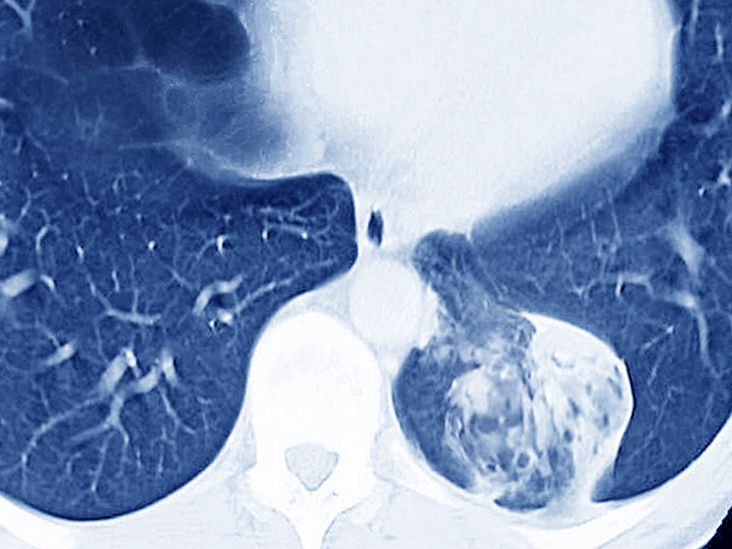
Lung cancer screening is a preventive test used to look for signs of lung cancer in people who do not have symptoms but have a higher risk of developing the disease. The standard screening test is a low-dose computed tomography scan, or LDCT. It uses a much lower amount of radiation than a regular diagnostic CT scan while still creating detailed pictures of the lungs.
Think of LDCT as a very careful “photo session” for your lungs. You lie on a table, the scanner takes multiple images, and a radiologist reviews them for small spots, nodules, or changes that may need follow-up. The scan itself is usually quick, painless, and does not require needles, dye, or dramatic hospital-movie lighting.
Who Should Get Lung Cancer Screening?
The most commonly used U.S. recommendation comes from the U.S. Preventive Services Task Force. It recommends annual lung cancer screening with low-dose CT for adults who meet all of these criteria:
- They are 50 to 80 years old.
- They have a smoking history of at least 20 pack-years.
- They currently smoke or quit smoking within the past 15 years.
- They are healthy enough and willing to have follow-up testing or treatment if cancer is found.
The Centers for Disease Control and Prevention presents similar criteria based on the USPSTF recommendation: yearly LDCT for people ages 50 to 80 with at least a 20 pack-year smoking history who currently smoke or quit within the past 15 years.
What Is a Pack-Year?
A pack-year is a way to measure smoking exposure over time. One pack-year equals smoking one pack of cigarettes per day for one year. You calculate pack-years by multiplying the number of packs smoked per day by the number of years smoked.
For example:
- 1 pack per day for 20 years = 20 pack-years.
- 2 packs per day for 10 years = 20 pack-years.
- Half a pack per day for 40 years = 20 pack-years.
This matters because lung cancer screening guidelines are built around risk. A person with a 20 pack-year history is considered at higher risk than someone who smoked occasionally for a short time.
How Often Should Lung Cancer Screening Be Done?
For people who qualify, lung cancer screening is generally recommended once every year. This yearly schedule is important because lung cancer can develop between tests. A single clear scan does not mean screening is finished forever, just as brushing your teeth once does not mean your dentist will send you a retirement cake.
Annual screening gives doctors a chance to compare new scans with older scans. If a small lung nodule appears or changes over time, that comparison helps determine whether it looks harmless, suspicious, or in need of additional testing.
When Should Lung Cancer Screening Stop?
Under USPSTF-style guidance, screening should stop when a person:
- Has not smoked for 15 years, or
- Develops a serious health problem that greatly limits life expectancy, or
- Would not be able or willing to have curative lung surgery or treatment if cancer were found.
This last point is important. Screening is useful only when finding cancer early could lead to treatment that improves health outcomes. If someone is too ill to undergo treatment, the potential harms of screening may outweigh the benefits.
American Cancer Society Guidelines: A Key Difference
The American Cancer Society updated its lung cancer screening guideline in 2023. It recommends yearly LDCT screening for adults ages 50 to 80 who smoke or used to smoke and have at least a 20 pack-year smoking history.
The major difference is that the American Cancer Society no longer uses the “quit within the past 15 years” cutoff in its own recommendation. In other words, under ACS guidance, a former smoker with a 20 pack-year history may still be encouraged to discuss annual screening with a clinician even if they quit more than 15 years ago.
However, insurance coverage may not always match this broader approach. Medicare and many insurers often follow USPSTF-based criteria. That means a person could be considered reasonable for screening in a clinical discussion but still need to check coverage before booking the scan.
Medicare Coverage: Who Qualifies?
Medicare Part B covers annual lung cancer screening with LDCT for eligible beneficiaries who meet specific conditions. Current Medicare criteria generally include:
- Age 50 to 77.
- No signs or symptoms of lung cancer.
- At least a 20 pack-year tobacco smoking history.
- Currently smoking or having quit within the past 15 years.
- An order from a qualified healthcare provider after a shared decision-making visit.
The age range is worth noticing: Medicare coverage typically goes to age 77, while USPSTF and ACS guidance discuss screening up to age 80. If you are near the upper age limit, checking your plan details before scheduling is wise.
Who Should Not Get Routine Lung Cancer Screening?
Lung cancer screening is not recommended for everyone. It is not currently advised as a routine test for people who have never smoked and do not otherwise meet high-risk criteria. It is also not used as a substitute for evaluating symptoms.
If someone has symptoms such as coughing up blood, unexplained weight loss, persistent chest pain, worsening shortness of breath, or a cough that does not go away, they should talk with a healthcare provider promptly. That situation calls for diagnostic evaluation, not routine screening.
Screening may also be inappropriate for someone who has severe medical conditions that would make follow-up procedures or lung cancer treatment unsafe or unwanted. The goal is not simply to find something; the goal is to find something early enough to act on it.
Why Low-Dose CT Instead of a Chest X-Ray?
Low-dose CT is the recommended screening test because research has shown that it can reduce lung cancer deaths among people at high risk. Chest X-rays are not recommended for lung cancer screening because they do not detect early lung cancers as effectively.
LDCT can reveal very small lung nodules. Most nodules are not cancer, but the scan gives clinicians more detail than a standard chest X-ray. That detail is helpful, but it also explains why follow-up plans matter. More detail means more tiny findings, and not every tiny finding is dangerous.
What Happens During the Screening Process?
1. You Have a Risk Discussion
Before the scan, a clinician should review your age, smoking history, overall health, and willingness to pursue follow-up care. This is often called a shared decision-making visit. It should include the benefits, limitations, and possible harms of screening.
2. You Get the LDCT Scan
The scan is quick. You lie on a table that moves through the CT machine while images are taken. You may be asked to hold your breath briefly. There is usually no contrast dye and no recovery time.
3. A Radiologist Reviews the Results
Many screening programs use standardized reporting systems such as Lung-RADS, developed by the American College of Radiology. This helps classify findings and guide follow-up, so one scan does not become a guessing game with medical stationery.
4. You Follow the Recommended Plan
A normal or low-risk result usually means returning in one year. A finding that needs attention may require a shorter-term repeat scan, additional imaging, or referral to a specialist. The exact plan depends on the size, appearance, and behavior of any nodules found.
Benefits of Lung Cancer Screening
The biggest benefit of lung cancer screening is early detection. Lung cancer often causes no symptoms in its early stages. By the time symptoms appear, the disease may be more advanced and harder to treat.
Screening can find lung cancer when it is smaller and potentially more treatable. For people at high risk, that can mean more treatment options and better chances of survival. Screening visits can also become a practical opportunity to discuss smoking cessation, breathing health, vaccinations, and other preventive care.
Possible Risks and Downsides
Lung cancer screening is useful, but it is not perfect. Possible downsides include:
- False positives: The scan may find something suspicious that turns out not to be cancer.
- Extra testing: Some findings may lead to repeat scans, biopsies, or specialist visits.
- Anxiety: Waiting for results can be stressful, even when the final outcome is harmless.
- Radiation exposure: LDCT uses a low dose of radiation, but repeated yearly scans still add exposure over time.
- Overdiagnosis: Rarely, screening may find a cancer that would not have caused harm during a person’s lifetime.
These risks do not mean screening is bad. They mean screening should be targeted to people most likely to benefit.
How to Prepare for a Lung Cancer Screening Conversation
Before your appointment, write down your smoking history as accurately as possible. Include when you started, when you quit if you quit, how much you smoked on average, and whether your smoking amount changed over time. Do not worry if your numbers are not perfect. A reasonable estimate is better than shrugging and saying, “A lot, but my memory left town in 2009.”
Ask your healthcare provider:
- Do I meet USPSTF or ACS lung cancer screening guidelines?
- How many pack-years do I have?
- Will my insurance cover the scan?
- Where should I get screened?
- How will I receive results?
- What happens if the scan finds a lung nodule?
- Should I also get help quitting smoking?
What If You Quit Smoking Years Ago?
If you quit within the past 15 years and meet the age and pack-year criteria, you likely fit USPSTF-style screening guidance. If you quit more than 15 years ago, the answer is more nuanced. The American Cancer Society’s updated guideline may still support a screening discussion if you are 50 to 80 and have at least a 20 pack-year history, but insurance coverage may vary.
This is where a clinician can help. Risk does decrease after quitting, but it does not disappear overnight. Your personal history, family history, occupational exposures, other lung conditions, and overall health may all shape the conversation.
Real-World Experiences: What Lung Cancer Screening Feels Like in Practice
For many people, the hardest part of lung cancer screening is not the scan. It is the decision to schedule it. A former smoker may feel embarrassed talking about pack-years. A current smoker may worry about being judged. Someone who quit 12 years ago may wonder whether bringing up screening makes them seem dramatic. In reality, screening is not about blame. It is about risk, timing, and giving people a better chance at early detection.
Imagine a 58-year-old named Mark who smoked one pack a day for 25 years and quit 8 years ago. He feels fine. No cough, no chest pain, no dramatic movie-scene wheezing. At his annual checkup, his doctor calculates his smoking history: 25 pack-years. Mark meets the age, pack-year, and quit-time criteria. His doctor explains that a yearly low-dose CT scan is recommended, not because Mark is sick, but because he is in a group where screening may catch cancer before symptoms begin. Mark schedules the scan, it takes only a few minutes, and his result comes back with no suspicious findings. His next step: repeat screening in one year.
Now consider Linda, age 72, who smoked two packs a day for 15 years and quit 20 years ago. Her pack-year history is 30, but she quit more than 15 years ago. Under USPSTF-style criteria, she may not qualify. Under the American Cancer Society’s updated approach, she may still be encouraged to discuss screening because the 15-year quit cutoff is no longer part of that organization’s recommendation. Linda’s next step is not to argue with a search engine at midnight. It is to ask her clinician whether screening makes sense for her and whether her insurance plan will cover it.
Another common experience is the “lung nodule panic.” A person gets screened and the report mentions a small nodule. The word sounds scary, but small lung nodules are common and often benign. Many are old scars, tiny areas of inflammation, or changes from past infections. A good screening program explains what the finding means and recommends a clear follow-up plan. Sometimes that means another scan in a year. Sometimes it means a shorter follow-up interval. The key is not to disappear into worry, but to stay connected to the care plan.
People also describe screening as a turning point. For some current smokers, the appointment becomes the first serious conversation about quitting that feels practical rather than preachy. A clinician may offer medications, counseling, quitline support, or a step-by-step plan. Screening does not replace quitting; quitting remains one of the most powerful ways to lower lung cancer risk. But screening can open the door to better lung health habits.
The best experience usually comes from choosing a structured lung cancer screening program rather than getting a random scan with no follow-up system. A strong program confirms eligibility, uses low-dose CT, explains results clearly, tracks annual reminders, and helps coordinate follow-up if needed. In other words, it does not simply hand you a report full of medical words and wish you “good luck, brave traveler.”
Conclusion
Lung cancer screening guidelines are designed to help people at higher risk find lung cancer earlier, when treatment may work better. For many adults, the key eligibility points are age 50 to 80, at least a 20 pack-year smoking history, and current smoking or quitting within the past 15 years. The recommended test is a yearly low-dose CT scan, not a chest X-ray.
The American Cancer Society’s updated guidance broadens the conversation by removing the quit-within-15-years rule, but insurance coverage may still follow USPSTF or Medicare-style criteria. That is why the best next step is a shared decision-making conversation with a healthcare provider. Bring your smoking history, ask about benefits and risks, check coverage, and choose a screening program that provides clear follow-up.
Lung cancer screening is not about guilt. It is about giving high-risk people a better chance to catch trouble early. And when it comes to lung health, early is a very good word.