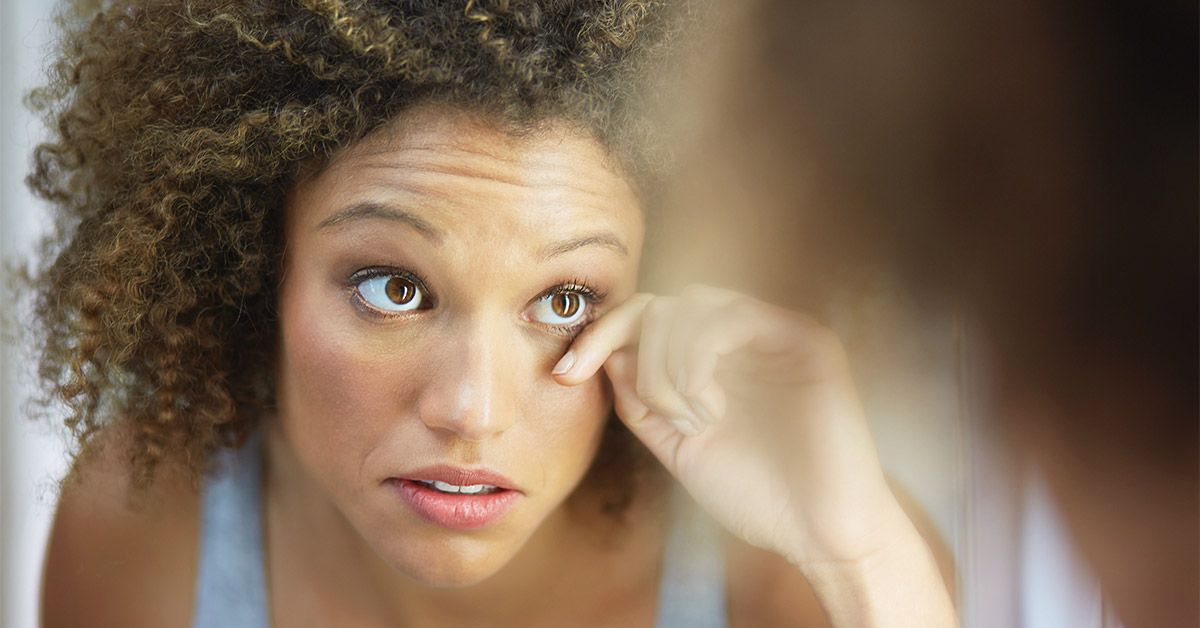
A lump on the eyelid has a special talent for turning a normal morning into a tiny medical mystery. One minute you are brushing your teeth. The next, you are leaning into the mirror like a detective in a crime drama, wondering, “Is this a stye, a cyst, or did my eyelid just file a complaint?”
The good news: most eyelid lumps are not cancer. In many cases, the culprit is something common and treatable, such as a stye, chalazion, blocked oil gland, irritation, or small skin cyst. The less comforting but important truth: some eyelid cancers can look surprisingly harmless at first. That is why knowing the difference between a typical bump and a warning sign matters.
This guide explains the most common causes of an eyelid lump, how to tell when it may need medical attention, what cancer-related signs to watch for, and what usually happens during diagnosis and treatment. Think of it as a calm, practical roadmap for a body part that really enjoys being dramatic.
What Is a Lump on the Eyelid?
A lump on the eyelid is any raised bump, swelling, knot, or thickened area on the upper or lower eyelid. It may appear near the lash line, inside the eyelid, under the skin, or at the outer corner of the eye. Some bumps are painful and red. Others are firm, painless, and slow-growing.
The eyelid is small, but it is busy. It contains skin, eyelashes, oil glands, sweat glands, blood vessels, muscles, and delicate tissues that help protect the eye. Because of that, many different things can cause a bump. A blocked oil gland may create a chalazion. A bacterial infection may form a stye. Sun-damaged skin may develop a cancerous or precancerous growth. A harmless cyst may sit there quietly, minding its business, while you panic in front of the bathroom mirror.
Common Causes of an Eyelid Lump
1. Stye: The Painful Little Troublemaker
A stye, also called a hordeolum, is one of the most common causes of a painful eyelid bump. It often forms near the edge of the eyelid, close to the eyelashes. It may look like a pimple, feel tender, and cause swelling, redness, tearing, or a scratchy sensation.
Styes usually happen when a gland or eyelash follicle becomes blocked and infected. They can appear quickly, which is part of their charm and by charm, we mean complete inconvenience. A stye may make blinking uncomfortable, and the eyelid may feel warm or swollen.
Many styes improve with warm compresses and gentle eyelid hygiene. However, squeezing or popping a stye is a bad idea. The eyelid is not a zit-testing laboratory. Popping can worsen irritation, spread infection, or cause more swelling.
2. Chalazion: The Firm, Painless Bump That Overstays
A chalazion is a lump caused by a blocked oil gland in the eyelid. Unlike a stye, a chalazion is usually not painful, though it may begin after a stye or mild inflammation. It often feels like a firm pea under the eyelid skin and may grow slowly over days or weeks.
Small chalazia may go away on their own. Larger ones can press on the eye and cause blurred vision or a heavy eyelid feeling. A chalazion that keeps returning in the same spot, does not improve, or looks unusual should be checked by an eye doctor because rare eyelid cancers can sometimes mimic a chalazion.
3. Blepharitis: Eyelid Inflammation With a Side of Crust
Blepharitis is inflammation of the eyelid margin. It can cause redness, itching, burning, crusting around the eyelashes, watery eyes, and recurring styes or chalazia. People with oily skin, dandruff, rosacea, or dry eye may be more prone to it.
Blepharitis is usually chronic, meaning it can come and go like an annoying houseguest who owns a key. Good eyelid hygiene, warm compresses, and professional care can help manage symptoms and reduce repeat bumps.
4. Milia, Cysts, and Skin Tags
Not every eyelid bump comes from an oil gland. Tiny white bumps called milia can form when keratin becomes trapped under the skin. Small cysts may develop from blocked skin structures. Skin tags or benign growths may appear around the eyelids, especially with age or friction.
These bumps are often harmless, but the eyelid is delicate. Do not try to cut, scrape, burn, freeze, or “DIY extract” anything near the eye. The internet may be brave, but your cornea did not sign up for that adventure.
5. Xanthelasma: Yellowish Patches Near the Eyelids
Xanthelasma appears as soft, yellowish plaques or bumps, often near the inner corners of the upper or lower eyelids. These deposits are related to cholesterol under the skin. They are usually not dangerous by themselves, but they may be a clue to check cholesterol and heart-health risk factors with a healthcare provider.
Can a Lump on the Eyelid Be Cancer?
Yes, an eyelid lump can be cancer, but most eyelid bumps are benign. Eyelid cancers are uncommon compared with everyday styes and chalazia, but they deserve attention because early diagnosis can make treatment simpler and more successful.
The most common eyelid cancer is basal cell carcinoma, a type of skin cancer often linked to long-term ultraviolet light exposure. It tends to occur on sun-exposed areas, including the lower eyelid. Basal cell carcinoma usually grows slowly, but it can damage nearby tissue if ignored.
Other possible eyelid cancers include squamous cell carcinoma, sebaceous carcinoma, melanoma, and Merkel cell carcinoma. Sebaceous carcinoma is especially important because it can look like a stubborn chalazion or chronic eyelid inflammation. In other words, sometimes the “same old bump” deserves a second opinion.
Warning Signs That an Eyelid Lump Needs Medical Attention
A bump that appears suddenly, hurts, and improves within a week or two is often less concerning than one that quietly grows, bleeds, or refuses to leave. Still, only a trained professional can diagnose the cause.
Make an appointment with an eye doctor or dermatologist if you notice any of the following:
- A lump that does not improve after two to four weeks
- A bump that keeps returning in the same location
- Loss of eyelashes around the lump
- Bleeding, crusting, ulceration, or a sore that does not heal
- A firm, shiny, pearly, scaly, or irregular growth
- Changes in eyelid shape or the eyelid turning inward or outward
- New or changing pigment on the eyelid
- Persistent redness, thickening, or swelling on one eyelid
- Blurred vision, eye pain, or pressure on the eye
Seek urgent care if swelling spreads rapidly, the eye itself becomes very red, you develop fever, vision changes, severe pain, pain with eye movement, or swelling after an injury. Those signs may point to infection or another condition that should not wait.
Stye vs. Chalazion vs. Cancer: How to Tell the Difference
It is tempting to diagnose an eyelid bump with a five-minute search and a zoomed-in selfie. Unfortunately, eyelids are tiny masters of disguise. Still, some general patterns can help.
Stye
A stye is usually painful, red, tender, and near the lash line. It may appear quickly and sometimes has a small yellowish point. It often feels like a sore pimple on the eyelid.
Chalazion
A chalazion is usually firmer, slower-growing, and less painful. It may sit deeper in the eyelid and feel like a small bead under the skin. It can remain for weeks and sometimes needs medical treatment if it does not shrink.
Possible Cancer
An eyelid cancer may be painless and slow-growing. It may look like a shiny bump, scaly patch, non-healing sore, crusted area, thickened lid, or recurring “chalazion.” Loss of eyelashes near the lesion is a classic warning sign. Cancer is not the most likely cause, but it should be ruled out when a bump behaves suspiciously.
Who Is More at Risk for Eyelid Cancer?
Anyone can develop an eyelid growth, but certain factors can raise the risk of eyelid skin cancer. These include a history of heavy sun exposure, tanning bed use, fair skin, older age, previous skin cancer, weakened immune system, and a family history of skin cancer.
People with darker skin can also get eyelid cancer, and diagnosis may be delayed if suspicious changes are assumed to be harmless. The rule is simple: if a lump is persistent, changing, bleeding, or unusual for you, get it checked.
How Doctors Diagnose an Eyelid Lump
An eye doctor will usually begin with a careful exam of the eyelid, lash line, and eye surface. They may ask when the lump appeared, whether it hurts, whether it has changed, whether you have had similar bumps before, and whether you have a history of skin cancer or sun exposure.
A slit-lamp exam may be used to magnify the eyelid and eye structures. If the bump looks like a typical stye or chalazion, your doctor may recommend conservative treatment first. If the lesion looks suspicious, keeps coming back, or does not respond to treatment, a biopsy may be needed. A biopsy means removing a small sample of tissue so it can be examined under a microscope.
That word can sound scary, but biopsy is often the step that changes “I hope this is nothing” into “Now we know what it is.” And knowing is much more useful than panic-Googling at midnight.
Treatment Options for Eyelid Lumps
Home Care for Likely Styes or Chalazia
For a mild stye or chalazion, doctors often recommend warm compresses. Use a clean, warm cloth over the closed eyelid for several minutes at a time. The goal is gentle warmth, not cooking the eyelid like a dumpling. Keep the area clean, avoid eye makeup until it improves, and wash hands before touching the face.
Avoid squeezing the lump. Avoid using old eye makeup. Do not share towels or cosmetics. If you wear contact lenses, follow your provider’s advice about whether to pause wearing them until the irritation improves.
Medical Treatment
If a bump is infected, very painful, persistent, or large enough to affect vision, a doctor may prescribe medication, drain the lesion, inject medication, or remove it through a minor procedure. The right treatment depends on the diagnosis.
Treatment for Eyelid Cancer
If cancer is diagnosed, treatment may involve surgical removal. Mohs surgery is commonly used for certain eyelid skin cancers because it removes cancer while preserving as much healthy tissue as possible. Some cases may require reconstruction, radiation therapy, topical medication, or care from an ophthalmologist, dermatologist, or cancer specialist.
Early treatment matters because the eyelid is not just cosmetic. It protects the eye, spreads tears, and helps vision stay comfortable. Saving eyelid function is a major goal of treatment.
How to Prevent Some Eyelid Bumps
You cannot prevent every eyelid lump, but you can reduce risk. Remove eye makeup before sleep. Replace mascara and eyeliner regularly. Wash hands before touching your eyes. Manage blepharitis, rosacea, and dry eye with professional guidance. Avoid rubbing your eyes, especially when hands are not clean.
For cancer prevention, protect the eyelids from ultraviolet light. Wear broad-spectrum sunscreen around the eye area carefully, choose UV-blocking sunglasses, and wear a wide-brimmed hat outdoors. The eyelids are easy to forget during sun protection, which is rude because they are literally on the front line.
Experience-Based Notes: What People Often Learn After Dealing With an Eyelid Lump
Many people first notice an eyelid lump not because it hurts, but because it feels “off.” There may be a heavy sensation when blinking, a tiny bump under the finger while washing the face, or a strange shadow in the mirror. The first reaction is often worry, followed by a deep investigation involving bathroom lighting, phone flash, and at least one regrettable zoomed-in photo.
One common experience is underestimating how long eyelid bumps can take to settle. A stye may feel intense at first and then improve, while a chalazion can remain as a firm lump long after redness fades. That leftover bump can be frustrating. It is not unusual for people to say, “It does not hurt anymore, but why is it still there?” This is exactly when patience and follow-up become important. A shrinking lump is usually more reassuring than one that grows, hardens, bleeds, or returns in the same place.
Another real-world lesson is that warm compresses sound simple but are often done incorrectly. Many people use a cloth that cools down too quickly, press too hard, or try it once and declare the method useless. Gentle, consistent warmth works better than aggressive squeezing. The eyelid is delicate; it prefers spa day energy, not construction equipment energy.
People who wear makeup often discover that old mascara, shared eyeliner, or sleeping in makeup can irritate the eyelids. During a flare-up, skipping eye makeup may feel annoying, especially before work, school, photos, or events. But giving the eyelid a break can reduce irritation and prevent bacteria from getting a VIP pass to the lash line.
Contact lens wearers may also need extra caution. A painful bump, redness, or discharge can make lenses uncomfortable and may increase the risk of irritation. In these cases, glasses may become the temporary hero of the story. Not glamorous, perhaps, but neither is an angry eyelid.
The biggest experience-based takeaway is this: people often wait too long when a lump is painless. Pain gets attention quickly. A quiet, painless, slow-growing bump may be ignored because it does not cause daily drama. But some suspicious eyelid lesions are painless. If a bump does not heal, changes shape, causes lash loss, crusts, bleeds, or keeps returning, it deserves a professional exam.
It also helps to take a clear photo every few days in the same lighting. This is not for social media, obviously. Your eyelid does not need a brand campaign. Photos can help you see whether the lump is shrinking, growing, or changing. They can also help your doctor understand the timeline.
Finally, the emotional side matters. An eyelid lump is visible, uncomfortable, and easy to obsess over. Feeling worried does not mean you are overreacting. It means your face has presented you with a mystery bump near your eye, which is a perfectly reasonable thing to dislike. The smart move is not panic; it is observation, gentle care, and timely medical evaluation when the lump does not behave like a typical short-term stye or chalazion.
Conclusion: Most Eyelid Lumps Are Benign, but Do Not Ignore the Weird Ones
A lump on the eyelid is usually caused by something common, such as a stye, chalazion, blocked gland, cyst, or inflammation. Most are treatable and not dangerous. However, eyelid cancer can sometimes imitate a harmless bump, especially when it is painless, persistent, recurrent, bleeding, crusting, or associated with eyelash loss.
The best approach is calm attention. Use gentle home care for mild, typical bumps, but do not delay medical evaluation if the lump lasts, changes, or looks unusual. Your eyelids do a lot for you. The least you can do is not let a suspicious bump rent space there indefinitely.