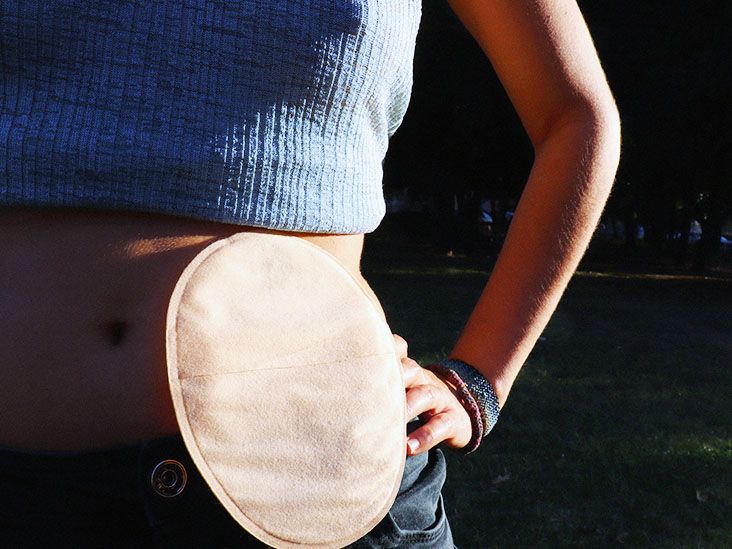
A loop colostomy is one of those medical terms that sounds like it escaped from a plumbing manual, but it is actually a carefully planned surgical procedure that can protect the bowel, support healing, and sometimes save a life. In simple terms, a surgeon brings a loop of the colon through an opening in the abdomen to create a stoma. Stool and gas then leave the body through that stoma and collect in an external ostomy pouch.
Unlike some permanent colostomies, a loop colostomy is often temporary. It is commonly used when a section of the colon, rectum, or anus needs time away from its usual job. Think of it as giving part of the digestive tract a medical vacationexcept nobody is sipping lemonade by a pool. The purpose is practical: divert stool away from an injured, inflamed, infected, newly repaired, or surgically treated area so it can heal with less irritation and lower risk of complications.
This guide explains what a loop colostomy is, why it may be used, how the procedure is performed, what recovery can look like, and what everyday life may involve afterward.
What Is a Loop Colostomy?
A loop colostomy is a type of colostomy in which a loop of the large intestine, also called the colon, is brought out through the abdominal wall. The surgeon opens the exposed loop without cutting it completely into two separate ends. This creates two nearby openings in the stoma: one that passes stool and gas, and another that may pass mucus from the inactive lower part of the bowel.
The stoma itself is usually pink or red, moist, and soft, similar to the inside of the mouth. It does not have pain nerves, so touching it should not hurt, though the surrounding skin can become sore if stool leaks onto it. In the early weeks after surgery, the stoma may look swollen or larger than expected. That is common and usually improves as healing continues.
Why Would Someone Need a Loop Colostomy?
The main use of a loop colostomy is fecal diversion. In plain English, that means redirecting poop so it does not pass through a problem area. Surgeons may recommend a loop colostomy when the lower bowel needs rest, protection, or time to heal.
Common medical reasons include:
- Colorectal cancer surgery: A temporary loop colostomy may protect a new connection in the bowel after part of the colon or rectum is removed.
- Diverticulitis complications: Severe inflammation, abscess, perforation, or emergency surgery may require stool diversion.
- Bowel obstruction: If stool cannot move safely through the colon, a loop colostomy may create a new route.
- Trauma or injury: Damage to the colon, rectum, or anus may need time to heal without stool passing through.
- Inflammatory bowel disease: Some people with Crohn’s disease or ulcerative colitis complications may need temporary diversion.
- Fistulas or severe wounds: A loop colostomy can keep stool away from infected wounds or abnormal bowel connections.
- Emergency bowel surgery: When surgeons need a fast, safer way to divert stool, a loop colostomy may be chosen.
Not everyone with these conditions needs a colostomy. The decision depends on the diagnosis, location of disease, overall health, surgical findings, and whether the affected bowel can safely heal while still carrying stool.
Loop Colostomy vs. End Colostomy
A loop colostomy and an end colostomy both create a stoma from the colon, but they are built differently.
In a loop colostomy, a loop of colon is pulled through the abdomen and opened. The bowel remains partly connected, and the stoma usually has two openings close together. This type is often temporary and easier to reverse than some other forms.
In an end colostomy, one cut end of the colon is brought to the surface as a stoma. The other end may be removed, closed, or brought out separately as a mucus fistula. End colostomies may be temporary or permanent, depending on the reason for surgery.
How the Loop Colostomy Procedure Is Done
The procedure is performed in a hospital by a surgical team. It may be planned in advance or done urgently during an emergency operation.
Before surgery
When there is time before surgery, the care team usually reviews medical history, medications, allergies, imaging results, and surgical goals. A wound, ostomy, and continence nurse may mark the best location for the stoma. This matters more than people expect. A well-placed stoma can make pouching easier and reduce leaks, skin irritation, and daily frustration. Waistbands, skin folds, scars, and the person’s ability to see and reach the area are all considered.
During surgery
The patient receives anesthesia. The surgeon makes an opening in the abdominal wall, brings a loop of colon through it, and opens the bowel to create the stoma. The edges of the bowel are stitched to the skin. Sometimes a temporary support device, such as a bridge or rod, may be used to keep the loop from slipping back inside during early healing, though practices vary by surgeon and situation.
The procedure may be done through open surgery or minimally invasive techniques, depending on the patient’s condition and the reason for the operation. In emergency cases, the surgeon may need to address infection, obstruction, perforation, or diseased tissue at the same time.
After surgery
After the operation, stool and gas leave through the stoma into an ostomy pouch attached to the abdomen. At first, output may be irregular. The digestive system has just had a major meeting with a scalpel, so it may need time to get organized again.
Hospital staff monitor pain, hydration, bowel function, the stoma’s color, the incision, and signs of infection. Many people begin with ice chips or clear liquids, then slowly move to thicker liquids and soft foods as the bowel wakes up. Before discharge, patients are usually taught how to empty and change the pouching system, clean the skin, watch for problems, and order supplies.
Recovery After a Loop Colostomy
Recovery varies. Some people are recovering from the colostomy itself; others are also recovering from cancer surgery, infection, bowel injury, or another major condition. Fatigue is common. So is feeling emotionally overwhelmed. A new stoma can be a lot to process, even when it is temporary.
At home, recovery often includes:
- Taking short walks to rebuild strength and reduce the risk of blood clots
- Avoiding heavy lifting until the surgeon says it is safe
- Eating smaller, gentle meals while the digestive system adjusts
- Drinking enough fluids, especially if output is loose
- Measuring or watching stoma size as swelling decreases
- Calling the care team for fever, worsening pain, severe bleeding, vomiting, no output, or a dark or black stoma
Many patients gradually return to normal activities, including work, travel, social events, hobbies, and exercise. The pouch is worn under clothing and is usually not visible. Yes, there may be learning curves. No, the pouch does not announce itself with dramatic background music every time someone walks into a room.
Living With a Loop Colostomy
Daily life with a loop colostomy centers on pouch care, skin protection, diet awareness, and confidence. At first, the pouch may feel like an unwanted roommate. Over time, many people develop a routine and stop thinking about it every five minutes.
Pouch care
The pouching system collects stool and gas. Some systems are one-piece, with the skin barrier and pouch attached together. Others are two-piece, with a separate barrier and pouch. The best choice depends on body shape, stoma location, output consistency, skin sensitivity, lifestyle, and personal preference.
The pouch should be emptied before it becomes too full, often when it is about one-third to one-half full. Waiting until it resembles a water balloon with ambition is not recommended. A full pouch can pull on the skin barrier and increase leakage risk.
Skin care
Healthy skin around the stoma is important. Stool can irritate skin quickly, so a snug-fitting barrier helps protect the area. If the skin becomes red, itchy, painful, weepy, or broken, the pouching system may not be fitting correctly. A WOC nurse can help troubleshoot leaks, barrier size, adhesives, rings, powders, pastes, and other supplies.
Diet and gas
After a loop colostomy, the care team may suggest starting with low-fiber or easy-to-digest foods, then adding foods gradually. Some foods may increase gas, odor, or thicker output. Common gas-producing foods include beans, cabbage, onions, broccoli, carbonated drinks, and certain dairy products. That does not mean these foods are banned forever. It means they may deserve a cautious reintroduction and perhaps a little respect.
Chewing well, eating slowly, and drinking fluids can help digestion. Anyone with special medical needs, such as diabetes, kidney disease, cancer treatment, or inflammatory bowel disease, should follow personalized nutrition advice from their clinician or dietitian.
Possible Risks and Complications
Like any surgery, a loop colostomy has risks. General surgical risks include bleeding, infection, anesthesia reactions, blood clots, and pain. Stoma-specific problems may include leakage, skin irritation, stoma narrowing, prolapse, retraction, blockage, hernia near the stoma, or changes in blood supply to the stoma.
Patients should contact their healthcare team if they notice severe abdominal pain, persistent nausea or vomiting, no stoma output, signs of dehydration, deepening redness around the stoma, pus, fever, heavy bleeding, or a stoma that turns very dark, purple, black, or gray.
Can a Loop Colostomy Be Reversed?
Many loop colostomies are designed to be temporary. Reversal means reconnecting the bowel so stool can pass through the usual route again. Timing depends on why the colostomy was created, whether the bowel has healed, whether infection or inflammation is controlled, and whether the patient is strong enough for another operation.
Some temporary colostomies are reversed after a few months, but timing is highly individual. Before reversal, doctors may order imaging, endoscopy, contrast studies, or other tests to confirm healing. After reversal, bowel habits may take time to settle. Frequency, urgency, gas, or looser stools can happen during adjustment.
Questions to Ask Your Doctor
- Why is a loop colostomy recommended in my case?
- Is it expected to be temporary or permanent?
- Where will the stoma be placed?
- Will I meet with a WOC nurse before surgery?
- What foods should I avoid during early recovery?
- What complications should I watch for?
- When might reversal be possible?
- How do I get ostomy supplies after leaving the hospital?
Real-Life Experiences and Practical Adjustments
Living with a loop colostomy is not just a medical event; it is a daily-life adjustment. Many people describe the first few days as a mix of relief, fear, curiosity, and “Wait, this is my abdomen now?” That reaction is normal. A stoma can feel strange at first because it changes a private body function into something visible and managed by supplies. Even confident adults may need time to get comfortable.
One common experience is the first pouch change. In the hospital, a nurse may demonstrate the process while the patient watches cautiously, as if the pouching system is a tiny engineering project. At home, the first solo change can feel intimidating. Supplies may be spread across the bathroom counter like a surgical craft station: barrier, pouch, disposal bag, wipes, measuring guide, scissors, maybe a barrier ring. With practice, the routine becomes faster and less dramatic.
Leaks are another real concern. A leak does not mean failure. It usually means the fit, timing, skin surface, output consistency, or product type needs adjusting. People often learn to carry a small emergency kit with a spare pouch, barrier, disposal bag, wipes, and a change of clothing. This kit can bring peace of mind at work, school, restaurants, airports, or family events. Confidence often grows not because problems never happen, but because the person knows what to do if they do.
Clothing is usually easier than expected. Many people wear the same clothes they wore before surgery, though waistbands may need adjustment. High-waisted underwear, ostomy wraps, pouch covers, or looser pants may help comfort. The goal is not to dress like a medical supply catalog. The goal is to feel secure and like yourself.
Social life can also continue. People with colostomies travel, date, swim, exercise, work, parent, dance badly at weddings, and sit through long movies with overpriced popcorn. The pouch may require planning, but it does not erase personality or independence. Some people tell close friends or partners right away; others keep it private. Both choices are valid.
Emotionally, support matters. A WOC nurse can solve practical problems, but peer support can help with the “Will life feel normal again?” part. Hearing from someone who has already figured out pouch changes, restaurant meals, road trips, intimacy, and awkward bathroom moments can be deeply reassuring. A loop colostomy may be temporary, but the skills and resilience people build while living with one can last much longer.
Conclusion
A loop colostomy is a surgical way to divert stool through a temporary stoma, often so the lower bowel can rest and heal. It may be used after colorectal surgery, bowel injury, obstruction, infection, inflammatory disease, or other serious conditions. While the procedure can feel overwhelming, education, good stoma care, the right pouching system, and support from trained professionals can make daily life manageable.
For many people, a loop colostomy is not the end of normal life. It is a bridgesometimes an awkward bridge with adhesive suppliesbut still a bridge toward healing, safety, and recovery.