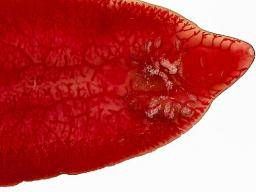
Liver fluke infection sounds like something from a medical mystery show where the detective is a gastroenterologist and the villain is hiding in dinner. In real life, liver flukes are parasitic flatworms that can infect the liver, gallbladder, and bile ducts. They are not common in the United States, but they matter for travelers, immigrants from endemic regions, people who eat raw freshwater fish, and anyone who enjoys “adventurous” food without asking too many questions.
The main liver flukes that infect humans include Fasciola, Clonorchis sinensis, and Opisthorchis species. These parasites enter the body through contaminated food, then make their way to the biliary system, where bile normally flows from the liver to help digest fat. Once there, they can cause inflammation, blockage, abdominal discomfort, abnormal liver tests, and, in long-term infections, serious complications.
The good news is that liver fluke infection is usually preventable and treatable. The less glamorous news is that prevention often requires saying no to raw freshwater fish, undercooked fish dishes, and raw watercress from risky areas. Your liver is hardworking and loyal; it deserves better than a surprise roommate with suction cups.
What Is a Liver Fluke?
A liver fluke is a parasitic trematode, or flatworm, that lives part of its life cycle in snails and another host before infecting humans. Humans typically become infected by eating food that contains the parasite’s immature stage, called metacercariae. Once swallowed, the parasite travels through the digestive system and eventually reaches the liver or bile ducts.
Main Types of Liver Flukes
Fasciola species, especially Fasciola hepatica and Fasciola gigantica, are often linked to contaminated aquatic plants such as watercress. These infections are known as fascioliasis and may occur in areas where livestock, freshwater plants, and poor sanitation overlap.
Clonorchis sinensis, sometimes called the Chinese liver fluke, is commonly associated with eating raw or undercooked freshwater fish from regions where the parasite is found. Infection is called clonorchiasis.
Opisthorchis species, including Opisthorchis viverrini and Opisthorchis felineus, are also linked to raw, pickled, salted, smoked, or undercooked freshwater fish. Infection is called opisthorchiasis.
How Do People Get Liver Fluke Infection?
People do not usually catch liver flukes from casual contact, hugging, handshakes, or sitting near someone who has an infection. This is not the kind of parasite that leaps across the room like an action hero. Infection usually happens through food.
Common Sources of Infection
The most common risk factors include eating raw or undercooked freshwater fish, consuming lightly salted or pickled fish from endemic areas, eating raw watercress or other freshwater plants, drinking contaminated water, and traveling or living in places where liver flukes are common. Regions of concern include parts of East Asia, Southeast Asia, Eastern Europe, South America, Africa, and the Middle East, depending on the species.
For Fasciola, the classic food risk is raw watercress or similar aquatic plants contaminated with parasite larvae. For Clonorchis and Opisthorchis, the classic risk is raw or undercooked freshwater fish. That means some traditional fish dishes can carry risk if they are made with infected freshwater fish and not cooked or frozen according to parasite-destruction standards.
Liver Fluke Symptoms
One tricky thing about liver fluke infection is that many people have no symptoms, especially early on or with light infections. The parasite can be quietly present while the person feels perfectly fine. Unfortunately, “I feel fine” is not always a perfect medical test, although it remains extremely popular among humans.
Early or Acute Symptoms
Symptoms vary depending on the species, the number of parasites, and the stage of infection. In acute fascioliasis, symptoms may appear while immature flukes migrate through the liver tissue. Possible symptoms include fever, fatigue, nausea, vomiting, right upper abdominal pain, diarrhea, appetite loss, enlarged liver, hives, weight loss, and abnormal liver blood tests.
A common laboratory clue is eosinophilia, which means the blood has an increased number of eosinophils, a type of white blood cell often associated with allergic reactions and parasitic infections. Eosinophilia does not prove liver fluke infection by itself, but in the right context, such as recent travel and raw watercress exposure, it becomes an important clue.
Chronic Symptoms
Chronic liver fluke infection can be subtle. Some people experience indigestion, nausea, bloating, diarrhea, constipation, vague abdominal discomfort, or pain under the right ribs. Others may develop jaundice, which causes yellowing of the skin or eyes, dark urine, pale stools, itching, or symptoms related to bile duct blockage.
Long-term infection can irritate and inflame the bile ducts. This may contribute to gallstones, bacterial infection of the bile ducts, pancreatitis, liver scarring, and, with certain species, an increased risk of cholangiocarcinoma, a cancer of the bile ducts. This does not mean every liver fluke infection becomes cancer, but it does mean chronic infection should be taken seriously.
When to See a Doctor
Anyone who develops persistent abdominal pain, fever, jaundice, unexplained weight loss, severe nausea, or abnormal liver test results should seek medical care. It is especially important to mention travel history, immigration history, and food exposures. Doctors are smart, but they are not mind readers with a passport scanner built into their stethoscope.
Tell your healthcare provider if you have eaten raw freshwater fish, pickled freshwater fish, undercooked fish, raw watercress, or freshwater plants from areas where liver fluke infections occur. Also mention if family members or dining companions have similar symptoms. These details can help the clinician choose the right tests faster.
How Liver Fluke Infection Is Diagnosed
Diagnosis usually begins with a medical history, physical exam, and laboratory tests. A clinician may ask about travel, diet, freshwater fish, aquatic plants, rural exposure, livestock contact, and sanitation conditions. Blood tests may show eosinophilia or abnormal liver enzymes.
Stool Tests
Stool ova and parasite testing may detect liver fluke eggs, especially in chronic infections when adult flukes are producing eggs. However, timing matters. Eggs may not appear in stool during the early phase, and some eggs are difficult to distinguish from those of related parasites. In some cases, multiple stool samples may be needed.
Serology and Imaging
For Fasciola, blood antibody testing can be useful, especially before eggs appear in stool. Imaging tests such as ultrasound, CT scan, MRI, or specialized bile duct imaging may show bile duct dilation, liver lesions, inflammation, or blockage. In complicated cases, doctors may use endoscopic procedures to evaluate or relieve bile duct obstruction.
The key point is simple: do not try to diagnose liver fluke infection by symptoms alone. Fever, nausea, and abdominal pain have many possible causes, ranging from mild stomach bugs to gallbladder disease. Liver flukes need proper testing, not a late-night internet spiral and a dramatic farewell letter to your favorite sushi place.
Liver Fluke Treatment
Liver fluke treatment depends on the species. The right medication for one type may not work well for another, which is why accurate diagnosis matters. Treatment should be prescribed and monitored by a healthcare professional.
Treatment for Fasciola
Fascioliasis is typically treated with triclabendazole. This medication is specifically used for Fasciola infections and is considered the preferred therapy. Praziquantel, which works against many other flukes, is generally not effective for Fasciola, so choosing the correct drug is important.
Treatment for Clonorchis and Opisthorchis
Clonorchiasis and opisthorchiasis are commonly treated with praziquantel. Albendazole may be used as an alternative in some situations. A clinician will determine the correct medication, dose, and duration based on the suspected or confirmed parasite, age, pregnancy status, other health conditions, and medication interactions.
Treating Complications
If liver flukes cause bile duct blockage, cholangitis, gallstones, pancreatitis, or severe inflammation, medication alone may not be enough. Some patients need additional care, such as antibiotics for bacterial infection, procedures to open blocked bile ducts, or specialist evaluation by gastroenterology or infectious disease experts.
After treatment, follow-up testing may be recommended to confirm that the infection has cleared. Skipping follow-up because symptoms improved is tempting, but parasites are not known for sending polite resignation letters.
How to Prevent Liver Fluke Infection
Prevention is mostly about food safety. The parasite does not care whether a dish is trendy, traditional, expensive, or served on a very photogenic plate. If the food contains live infective stages, infection is possible.
Cook Fish Thoroughly
Cook freshwater fish to an internal temperature of at least 145 degrees Fahrenheit, or 63 degrees Celsius. Properly cooked fish should separate easily with a fork and should not look translucent. This is one of the most practical ways to reduce the risk of foodborne parasites.
Be Careful With Raw, Pickled, or Smoked Fish
Raw freshwater fish is risky in areas where liver flukes are present. Lightly salted, smoked, pickled, dried, or fermented fish may still contain infectious parasites if it has not been prepared safely. Acid, salt, smoke, and confidence are not the same as proper parasite destruction.
Use Safe Freezing Standards
Freezing can kill many fish parasites when done under proper time and temperature conditions, but home freezers may not reliably meet commercial parasite-destruction standards. If you plan to eat raw fish, buy from reputable suppliers that follow food safety rules. For freshwater fish from endemic regions, cooking is the safer choice.
Avoid Risky Raw Water Plants
To prevent fascioliasis, avoid raw watercress and other freshwater plants from areas where livestock graze or sanitation may be poor. Washing helps remove dirt, but it may not reliably eliminate parasite larvae attached to aquatic plants. Cooking is safer when the source is uncertain.
Travel Smart
Travelers should be cautious with local raw freshwater fish dishes, wild aquatic plants, and untreated water. This does not mean you need to fear every meal abroad. It means asking how food is prepared, choosing cooked dishes, and remembering that “local specialty” and “parasite-free” are not automatically the same sentence.
Who Is Most at Risk?
People at higher risk include those who live in or travel to endemic areas, eat raw or undercooked freshwater fish, consume raw freshwater plants, work around livestock in areas where Fasciola is common, or have repeated exposure through traditional food practices. Children with heavy or repeated infections may be at risk for poor nutrition and growth problems.
In the United States, liver fluke infections are uncommon, but they can occur in travelers, immigrants, and people exposed to contaminated foods. Clinicians may not immediately suspect liver flukes unless the patient shares travel and diet history. In other words, your food story can be a diagnostic tool.
Common Myths About Liver Flukes
Myth 1: “Only Dirty Food Causes Liver Flukes”
Not exactly. Food can look fresh and still carry parasites if it comes from contaminated waters or infected fish. A beautiful garnish can still be biologically rude.
Myth 2: “Pickling Fish Makes It Safe”
Light pickling, salting, smoking, or fermenting may not reliably kill liver fluke larvae. Proper cooking is the most dependable household method.
Myth 3: “No Symptoms Means No Problem”
Many infections are silent. Chronic infections can still irritate bile ducts and cause complications over time. If exposure risk is real, medical evaluation may be worthwhile even when symptoms are mild.
Myth 4: “One Parasite Medicine Treats Everything”
Different liver flukes require different medications. Triclabendazole is used for Fasciola, while praziquantel is commonly used for Clonorchis and Opisthorchis. Self-treatment is not recommended.
Practical Experience: What Liver Fluke Awareness Looks Like in Real Life
Imagine someone returns from a long visit to a rural area where freshwater fish dishes are part of family celebrations. A few weeks later, they feel tired, develop vague discomfort under the right ribs, and notice nausea after meals. At first, the symptoms seem too ordinary to be important. Maybe it is jet lag. Maybe it is stress. Maybe the stomach is simply filing a complaint about vacation eating.
During a routine checkup, blood work shows elevated liver enzymes and eosinophilia. That combination does not automatically prove liver fluke infection, but it raises eyebrows in the medical way, which is quieter than movie drama but still important. The clinician asks about travel and food. The patient remembers eating raw freshwater fish and several dishes made with local aquatic plants. Suddenly, the story has a plot.
The next step is testing. Stool samples may be ordered, but the clinician explains that eggs are not always found early. Blood antibody testing and imaging may help, especially if Fasciola is suspected. The patient learns a useful lesson: parasites are not diagnosed by vibes. They require evidence.
Once the diagnosis is confirmed or strongly suspected, treatment is chosen based on the likely species. If the infection is fascioliasis, triclabendazole may be prescribed. If the infection is clonorchiasis or opisthorchiasis, praziquantel may be used. The patient is told not to share medication with relatives, not to order mystery pills online, and not to assume that herbal bitters can evict a parasite that has signed a lease in the bile ducts.
Recovery may be quick for some people, but others need follow-up. Liver tests may be repeated. Stool tests may be checked again. If there are signs of bile duct blockage, imaging or specialist care may be needed. The experience can be frustrating because the symptoms are often vague, and the diagnosis may take time. Still, once the correct parasite is identified, treatment can be highly effective.
For many people, the biggest long-term change is not fear; it is awareness. They continue enjoying cultural foods, travel, and family meals, but with smarter choices. Freshwater fish is cooked thoroughly. Raw fish dishes are avoided in high-risk settings. Watercress and aquatic plants are eaten only when the source is safe or the plants are cooked. Food traditions do not have to disappear, but food safety gets a seat at the table.
This experience also highlights the importance of speaking openly with healthcare providers. Some patients feel embarrassed to discuss what they ate, especially if the dish is unfamiliar to the doctor. But medical details are not confessions; they are clues. A good clinician wants the puzzle pieces, not a polished version of the story. Mentioning raw fish, travel, water plants, livestock exposure, or family members with similar symptoms can shorten the road to diagnosis.
The practical takeaway is simple: liver fluke infection is not a reason to panic, but it is a reason to pay attention. If symptoms appear after risky food exposure, get evaluated. If you love freshwater fish dishes, cook them properly. If you travel to endemic regions, choose hot, well-cooked foods. Your liver will not send a thank-you card, but it will quietly keep doing its 500-plus jobs, which is frankly better service than most subscription apps provide.
Conclusion
Liver fluke infection is a foodborne parasitic disease that can affect the liver, gallbladder, and bile ducts. Many people have no symptoms, while others develop fever, abdominal pain, nausea, diarrhea, abnormal liver tests, jaundice, or long-term bile duct problems. The major human liver flukes include Fasciola, Clonorchis, and Opisthorchis, and each has different food sources and treatment needs.
Prevention is refreshingly practical: cook freshwater fish thoroughly, avoid risky raw or undercooked fish, be careful with raw watercress and freshwater plants, and tell your doctor about travel and food exposures if symptoms occur. Liver flukes may be small, but the health problems they cause can be large. A little food safety now can save your bile ducts a lot of drama later.
Note: This article is for educational purposes only and does not replace medical diagnosis or treatment. If you suspect liver fluke infection, especially after travel or eating raw freshwater fish or aquatic plants, consult a qualified healthcare professional.