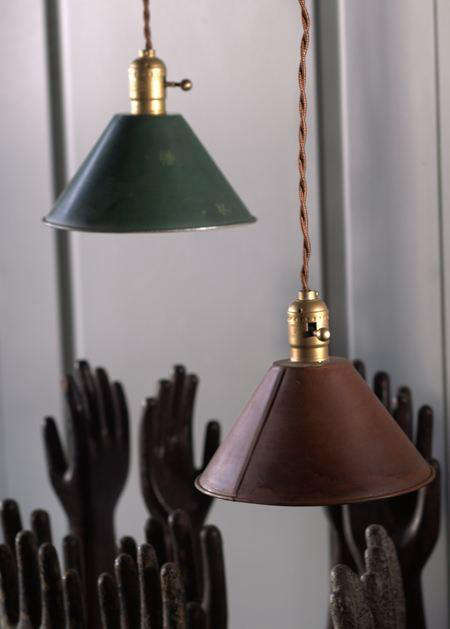
Some light fixtures politely illuminate a room. Others walk in, put their boots on the coffee table, and become part of the architecture. Vintage metal pendant lamps from Mothology belong much closer to the second category.
With iron construction, weathered finishes, industrial silhouettes, adjustable hanging elements, and details that look comfortably at home beside reclaimed wood and old factory furniture, these pendant lamps offer an easy way to give a room character. They are especially appealing for interiors that need warmth and personality without adding shelves full of decorative objects that eventually require dusting. A handsome pendant does its decorating while also helping you see dinner. Efficient.
Mothology’s lighting collection includes several designs that explore the vintage metal look from different directions, including white iron shades, dark rust-toned pendants, elongated dining-table fixtures, and unusual combinations of metal wire and heavy glass. Together, they demonstrate why industrial pendant lighting has remained useful long after the factories that inspired it became loft apartments, coffee shops, and extremely expensive places to buy sourdough toast.
What Makes Mothology’s Vintage Metal Pendant Lamps Stand Out?
The attraction begins with materials. Iron and other metal shades have a physical presence that lightweight decorative fixtures often lack. They can look substantial without becoming overly ornate, which makes them useful in farmhouse, industrial, rustic, transitional, and even minimalist spaces.
Mothology’s metal pendant designs generally favor straightforward forms rather than elaborate ornament. That simplicity is important. A vintage-inspired fixture does not need fake gears, exposed plumbing pipes, and enough decorative rivets to resemble a submarine. Often, a worn finish and a convincing silhouette are enough.
The White Iron Pendant Lamp
One of the clearest examples is Mothology’s White Iron Pendant Lamp. Made of iron, the fixture uses a compact oval shade and an adjustable chain. Its published dimensions are approximately 8.5 inches wide, 12.5 inches deep, and 13.18 inches high.
The white finish gives the industrial form a softer personality. Instead of reading as heavy or aggressively mechanical, it can work in a bright kitchen, casual dining area, bedroom, or living room. Against dark cabinets or stained wood, the pale metal creates contrast. In a mostly white room, its shape and texture provide interest without introducing a loud new color.
This is a useful lesson in decorating with vintage metal pendant lamps: industrial does not automatically mean black. White, aged cream, oxidized metal, muted brass, and faded painted finishes can deliver the same sense of history while producing very different moods.
The Black Iron Single Pendant
For a darker and more traditional industrial effect, Mothology’s Black Iron Single Pendant offers a round shade with a rusted iron character. At roughly 12.6 inches wide and 13.98 inches high, it has enough visual mass to register as a deliberate design feature while remaining compact enough for many residential settings.
The adjustable chain is particularly useful because hanging height dramatically changes how a pendant feels. Hung closer to a kitchen island or dining table, the fixture becomes intimate and task-oriented. Raised higher, it contributes more to the room’s overall visual composition.
Dark metal also has a convenient decorating superpower: it repeats other black or iron details. Window frames, cabinet pulls, faucets, chair legs, picture frames, and even appliance finishes can visually connect with a dark pendant. The result feels coordinated without requiring every object in the room to arrive wearing the exact same finish.
Rust Iron and Chicken-Wire Designs
Mothology also explores more overtly weathered forms. Its rust iron dining-table lamp uses an elongated vintage-style silhouette that can become a vertical focal point over a table. Other pendant designs combine rusted metal chicken wire with heavy glass, adding texture and a slightly more eccentric workshop or salvage-yard personality.
That mixture of materials is especially effective because glass and metal behave differently with light. Metal provides structure and directs illumination, while glass can reveal the bulb, soften reflections, or add sparkle. The combination feels layered rather than flat.
Why Vintage Metal Pendant Lighting Still Works
Design trends regularly announce that some finish, color, or decorative era is officially over. Fortunately, houses do not receive these memos.
Vintage metal pendant lighting continues to work because it is based on functional forms. Historically inspired factory, warehouse, barn, and utility lights were designed to put light where people needed it. Their straightforward shades and suspended construction still make sense over modern work surfaces, dining tables, reading areas, and kitchen islands.
There is also a useful tension between old-looking lighting and newer interiors. A weathered iron pendant can prevent a newly renovated kitchen from feeling too perfect. In a historic home, the same fixture can reinforce architectural character. In a contemporary loft, it can add texture without fighting the clean geometry of the space.
Where to Use Vintage Metal Pendant Lamps
Over a Kitchen Island
The kitchen island is the natural habitat of the pendant lamp. Metal shades are particularly useful when the goal is focused light because an opaque shade typically directs much of the illumination downward rather than allowing it to spread equally in every direction.
A commonly used starting point is to position the bottom of a pendant approximately 30 to 36 inches above the countertop. That is a guideline rather than an unbreakable law. The ideal height depends on the fixture’s dimensions, ceiling height, sightlines, and the height of the people using the kitchen.
Before final installation, stand and sit around the island. A pendant should illuminate the surface without hanging directly in someone’s line of sight. If every conversation requires leaning sideways around a lampshade, the fixture is making itself a little too important.
For multiple pendants, even spacing usually creates the cleanest result. Many lighting guides recommend leaving enough room between fixtures to prevent the shades from appearing crowded. The exact arrangement should be based on the width of the island and the diameter of each pendant rather than simply deciding that every island on Earth must have three lights.
Above the Dining Table
A vintage metal pendant can make a dining table feel like a defined room within a larger open floor plan. Again, roughly 30 to 36 inches between the tabletop and the bottom of the fixture is a practical starting range.
The shape of the table matters. A compact round table often pairs naturally with one centered pendant. A long rectangular table may benefit from an elongated fixture or a series of smaller pendants. Mothology’s taller and more strongly shaped metal designs can create a particularly dramatic focal point where sufficient ceiling height is available.
In a Living Room
Pendants are not limited to kitchens. A single vintage metal lamp can illuminate a side table, reading corner, or central seating area while freeing up floor space. This works especially well in smaller homes where a floor lamp may compete with furniture.
The key is layering. Overhead lighting alone can make a living room feel flat. Combine a pendant with table lamps, sconces, or floor-level accent lighting so the room can shift between practical brightness and evening atmosphere.
In a Bedroom
A pair of compact pendants suspended beside the bed can replace conventional bedside lamps. This approach leaves more room for books, glasses, a phone, and the mysterious glass of water that everyone places beside the bed and then worries about knocking over at 3 a.m.
For bedside use, glare control matters. A metal shade should direct light where it is useful without exposing an uncomfortably bright bulb at eye level. A dimmer or lower-output warm LED can make the installation much more relaxing.
How Metal Shades Change the Quality of Light
A metal pendant shade does more than look attractive. It controls where the light travels.
Because metal is opaque, a traditional downward-facing shade generally concentrates illumination beneath the fixture. This makes it excellent for task lighting over counters and tables. The tradeoff is that one metal pendant may not provide enough ambient light for an entire room.
That is why successful lighting plans use layers. A kitchen, for example, may combine vintage metal pendants with recessed ceiling lights, under-cabinet lighting, and natural daylight. The pendants provide focus and personality while the other sources fill shadows and support general visibility.
Open wire designs and metal-and-glass pendants behave differently. They allow more visible light to escape around the bulb, producing a broader glow and making the light source itself part of the design.
Choosing the Right Bulb
The bulb can completely change the character of a vintage pendant. Modern LED bulbs make it possible to keep an old-fashioned appearance while using significantly less electricity than traditional incandescent lighting.
When comparing bulbs, look primarily at lumens for brightness rather than using wattage alone as a brightness measurement. Wattage describes energy consumption; lumens describe visible light output.
Color temperature also matters. For vintage metal pendant lamps in dining rooms, bedrooms, and relaxed living spaces, many homeowners prefer a warm white appearance. In active kitchen work areas, a slightly cleaner neutral light may improve visibility. The best choice depends on surrounding colors and the atmosphere you want to create.
Visible bulbs deserve extra attention. A decorative filament-style LED can complement a vintage fixture while avoiding the energy appetite and heat output associated with old incandescent bulbs. For enclosed or partially enclosed shades, always verify that the chosen LED is approved for that type of fixture and follow the fixture manufacturer’s wattage and bulb recommendations.
How to Style Vintage Metal Pendant Lamps
Mix Old and New
The easiest way to make vintage lighting feel current is to avoid turning the entire room into a historical reenactment. Pair an aged metal pendant with flat-panel cabinetry, a simple stone countertop, or contemporary furniture. The contrast makes the light look intentional rather than themed.
Repeat the Finish, but Do Not Overdo It
A black or rusted iron pendant can relate to cabinet hardware, window frames, or furniture legs. Two or three visual connections are often enough. There is no requirement that the faucet, knobs, hinges, chairs, curtain rods, toaster, and family dog all match the pendant.
Use Texture as the Common Thread
Vintage metal works beautifully with wood, brick, stone, leather, linen, and handmade ceramics. These materials share a sense of texture and imperfection. A weathered pendant above a reclaimed wood table, for example, creates harmony even when the colors are not identical.
Let One Fixture Be the Star
In a small room, one distinctive Mothology pendant may be enough. Strong lighting fixtures compete with other decorative statements, so an elaborate gallery wall, dramatic wallpaper, sculptural chandelier, and multiple vintage pendants can quickly become a design committee in which everyone is shouting.
Scale and Proportion: The Details That Make or Break the Look
A beautiful pendant in the wrong size can feel surprisingly awkward. A tiny fixture over a large island may look lost. An oversized metal shade in a narrow room may dominate the ceiling and obstruct views.
Start by measuring the surface the pendant will illuminate. Consider the width and height of the fixture, the ceiling height, and the amount of open space surrounding it. Adjustable chains and cords are valuable because they provide flexibility during installation.
In open circulation areas where people walk underneath a pendant, maintain comfortable head clearance. Many residential lighting recommendations use approximately seven feet from the floor to the bottom of a fixture as a useful minimum starting point in open pathways. Over a table or island, the fixture can hang lower because no one is expected to walk directly beneath it.
Safety and Installation Matter as Much as Style
A convincing vintage appearance should not require vintage electrical safety.
Before installing any pendant, confirm the product’s current specifications, intended location, bulb limits, mounting requirements, and safety certifications. UL 1598 is a major U.S. safety standard associated with luminaires, and recognized testing or certification marks can provide important information about whether a fixture has been evaluated to applicable safety requirements.
For hardwired installations, the circuit must be switched off at the breaker before electrical work begins, and the ceiling electrical box and mounting system must be suitable for the fixture. When there is uncertainty about existing wiring, fixture weight, grounding, or local electrical requirements, hiring a qualified electrician is the sensible option.
This advice becomes even more important with genuinely old fixtures. Authentic vintage lighting may contain deteriorated wiring, outdated sockets, or components that should be inspected or replaced before use. Vintage-inspired new lighting can offer much of the visual character without inheriting every electrical decision made during the era of typewriters and questionable wallpaper.
Caring for Iron and Weathered Metal Pendants
Metal lighting is generally straightforward to maintain. Dust the shade regularly with a soft dry cloth or microfiber duster. For painted or deliberately aged finishes, avoid aggressive cleaners and abrasive pads unless the manufacturer specifically approves them.
Weathered surfaces are often part of the design, so excessive polishing can remove the character you purchased the fixture for in the first place. Clean glass components separately according to their finish, and always allow bulbs and metal parts to cool before touching them.
Periodically inspect hanging hardware and visible cords or chains. A pendant spends its life suspended overhead, which is a strong argument for occasionally checking that everything remains secure.
Experience: What It Is Like to Decorate with Vintage Metal Pendant Lamps
The most useful lesson from working with vintage-style pendant lighting is that the fixture looks very different in a room than it does in isolation. A photograph can make a medium-size metal shade appear compact, but once it is hanging at eye level over a table, its visual presence becomes much stronger.
For that reason, one of the best practical habits is to mock up the size before installation. A cardboard circle, paper template, or even a balloon roughly matching the diameter of the proposed fixture can reveal whether the scale feels right. It is not glamorous, but neither is discovering after installation that your elegant pendant resembles a small spacecraft preparing to land on the kitchen island.
Height testing is equally important. Adjustable chains are genuinely useful because the textbook measurement is only the beginning. In one room, a pendant 30 inches above the surface may feel perfect. In another, a larger shade at the same height can block views across the table. Raising it by only a few inches may completely improve the room.
Another noticeable experience is how strongly metal shades shape light. A dark opaque pendant can create a beautiful pool of illumination on a tabletop, but the ceiling above it may remain relatively subdued. That can be cozy in a dining room and inconvenient in a kitchen where the pendant was expected to illuminate every cabinet, corner, and midnight snack simultaneously.
The solution is not necessarily a brighter bulb. Often, the better answer is layered lighting. Under-cabinet lights can handle countertop work, ceiling fixtures can provide general illumination, and the pendant can do what it does best: focus attention and give the room character.
Bulb experimentation also produces surprisingly large differences. A very cool bulb can make a weathered iron fixture feel harsher and more commercial, while warm light can emphasize rust, cream paint, dark metal, and natural wood. A decorative visible bulb looks charming in an open pendant, but it may produce glare if the filament is directly in the line of sight. Choosing the prettiest bulb is therefore not always the same as choosing the most comfortable bulb.
There is also a valuable styling lesson in restraint. One vintage pendant often adds more personality than several unrelated industrial accessories. Once a room has a strong iron fixture, it may not need faux factory signs, decorative gears, metal stools, pipe shelving, and a clock the size of a tractor tire. Let the lighting establish the tone and allow the rest of the room to breathe.
Perhaps the biggest advantage of Mothology-style vintage metal pendants is their ability to make an ordinary area feel deliberately designed. A plain breakfast table becomes a destination when a distinctive fixture hangs above it. A simple island gains a visual center. An empty corner becomes useful when a low pendant creates a focused reading or display zone.
That transformation does not depend on extravagance. It comes from proportion, placement, texture, and light quality. Get those four elements right, and a relatively simple iron shade can have more impact than a room full of expensive accessories.
Final Thoughts on Vintage Metal Pendant Lamps from Mothology
Lighting: Vintage Metal Pendant Lamps from Mothology is ultimately a story about combining utility with character. The brand’s iron pendants, rusted finishes, adjustable hanging designs, and metal-and-glass combinations capture the appeal of vintage industrial lighting without requiring every room to look like an abandoned warehouse.
The strongest designs work because they are simple enough to cross stylistic boundaries. A white iron pendant can soften a modern kitchen. A dark rusted shade can strengthen a farmhouse dining area. A wire-and-glass fixture can add texture to an eclectic interior. The same basic vocabulary of metal, suspension, and focused light adapts to remarkably different spaces.
Choose the fixture according to scale, think carefully about hanging height, use layered illumination, select the bulb by lumens and light quality, and treat electrical safety as part of good design rather than an annoying footnote. Do that, and a vintage metal pendant can become one of those rare household objects that is useful when switched on and beautiful when switched off.
Note: Product availability, dimensions, finishes, electrical specifications, and installation requirements can change. Verify current Mothology product information before purchasing, follow manufacturer instructions, and use a qualified electrician whenever the installation or existing wiring is uncertain.