The Labour and Wait Towel Drier is the kind of home object that quietly wins people over. It does not flash, beep, glow blue, connect to Wi-Fi, or ask you to download an app named something like “TowelCloud.” Instead, it does something far more impressive: it gives damp towels a proper place to dry while looking as if it has always belonged on the wall.
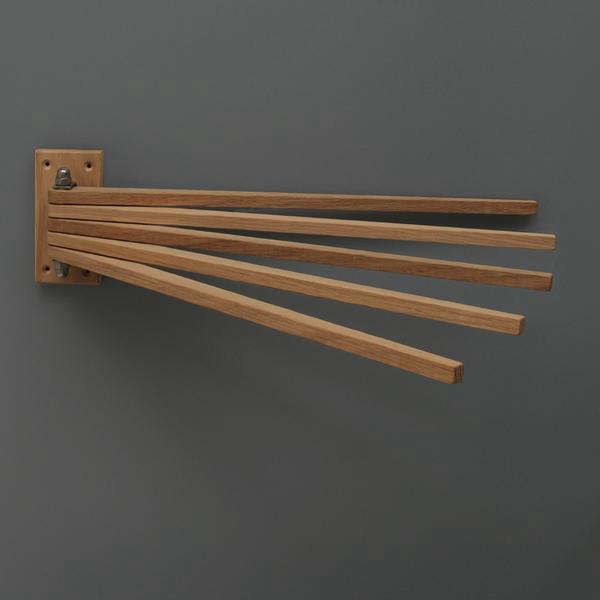
At its heart, this towel drier is a compact, wall-mounted wooden drying rack associated with Labour and Wait’s love of simple, functional, long-lasting household goods. Product listings and design references describe it as a Swedish-made oak towel drier with folding arms, a modest backplate, and a steel hinge. In other words, it is not trying to reinvent the bathroom. It is trying to make the bathroom behave.
For anyone dealing with small bathrooms, damp hand towels, tea towels, laundry corners, or the mysterious towel that never dries no matter how nicely you ask, this piece offers a practical and handsome solution. It belongs to a family of useful wall-mounted drying racks that value airflow, natural materials, and space-saving design over bulky storage. And frankly, that is a refreshing little rebellion against the plastic-bin lifestyle.
What Is the Labour and Wait Towel Drier?
The Labour and Wait Towel Drier is best understood as a minimalist wall-mounted towel rack made for drying rather than merely holding. Unlike a standard towel bar, which keeps one towel spread in a single flat line, this style uses multiple projecting arms or pegs that allow towels, cloths, or small garments to hang with better separation. More separation means more airflow, and more airflow means fewer sad, swampy towels.
Archived and related product details describe the drier as crafted in oak with a steel hinge, with arms measuring around 43 centimeters and a compact backplate around 12 centimeters by 6 centimeters. Labour and Wait Tokyo also lists a towel drier made of oak, produced in Sweden, designed to fold flat against the wall when not in use. Similar Iris Hantverk towel dryers include three-peg and five-peg versions made from untreated oak, reinforcing the Scandinavian utility behind the design.
The key point is simple: this is not a heated towel warmer. It is a passive towel drier. It relies on air, spacing, and smart placement rather than electricity. That makes it especially appealing for renters, old-house lovers, design minimalists, and people who would rather not hardwire anything near a sink unless absolutely necessary.
Why This Towel Drier Has Design Appeal
Labour and Wait has built its reputation around everyday products that feel timeless, durable, and honest. The towel drier fits that philosophy perfectly. It is made from a natural material, uses a straightforward mechanical function, and avoids decorative fuss. There is no unnecessary flourish. No fake farmhouse distressing. No chrome drama. Just oak, hinge, wall, towel. Beautiful.
Oak Brings Warmth to the Bathroom
Bathrooms can easily become cold-looking spaces. Tile, porcelain, mirrors, and metal fixtures are practical, but together they can feel a little like a dental office with better candles. A wooden towel drier softens that look. Oak adds warmth, grain, and texture without making the room feel rustic in a forced way.
The wood also pairs well with many popular bathroom styles: white subway tile, limewash walls, brass fixtures, black hardware, marble sinks, beadboard, plaster, and Scandinavian-inspired interiors. It can sit comfortably in a historic home or a modern apartment because the design is plain in the best possible sense.
It Saves Space Without Looking Like a Compromise
Many small-bathroom storage solutions have the visual elegance of a folding chair at a wedding. They work, technically, but they announce that space is a problem. The Labour and Wait Towel Drier handles the problem more gracefully. When folded back, it occupies very little visual or physical space. When opened, it creates instant hanging room for towels, washcloths, kitchen linens, or hand-washed delicates.
That fold-away feature is especially useful in narrow bathrooms, powder rooms, laundry nooks, utility rooms, and kitchens where a traditional towel bar would be too long or too flat to be truly useful.
Labour and Wait Towel Drier vs. Standard Towel Bar
A standard towel bar is excellent when you have enough wall space and only need to hang one towel. The problem begins when two people share a bathroom, guests arrive, or someone tosses a wet towel over the bar in a damp clump and walks away like a domestic criminal.
A folding towel drier gives each towel or cloth its own arm or peg. That improves separation, makes it easier to grab one item at a time, and helps prevent the layered dampness that causes musty odors. For hand towels and tea towels, it can be much more efficient than a single bar.
Compared with towel hooks, the Labour and Wait style also has an advantage. Hooks are convenient, but they often leave towels bunched together. A towel may look tidy from the outside while staying wet in the folds. A projecting arm lets more fabric hang open, which gives moisture a better chance to evaporate.
Is It Better Than a Heated Towel Warmer?
That depends on what you want. A heated towel warmer is a comfort appliance. It can warm towels before use and may help towels dry faster, especially in colder or poorly ventilated rooms. Consumer testing and bathroom product guides often highlight towel warmers for luxury, warmth, and mildew prevention.
The Labour and Wait Towel Drier is different. It is simpler, quieter, cheaper to operate, and easier to place because it does not require an outlet or hardwiring. It will not give you a spa-warm towel after a shower, but it will provide daily drying space without electricity. For many homes, that is the more practical choice.
Think of it this way: a heated towel warmer is like ordering room service. Lovely, but not always necessary. A wooden towel drier is like having a well-organized pantry. Less glamorous, more useful, and somehow deeply satisfying.
Where to Install a Labour and Wait Towel Drier
Placement matters. Even the best towel drier will underperform if it is mounted where towels cannot breathe. The goal is to choose a spot that is easy to reach, away from constant splashing, and exposed to decent airflow.
Near the Sink
Mounted beside a sink, the towel drier can hold hand towels or small linen towels. This is a strong choice for powder rooms and guest bathrooms because it looks tidy and gives guests an obvious place to return the towel. Guests love obvious. Hosts love not finding damp towels folded on the counter like tiny wet burritos.
Beside the Shower or Tub
If you use it for bath towels, mount it close enough to the shower or tub to be convenient but not in the direct spray zone. A wooden rack should not be soaked repeatedly. Occasional bathroom humidity is expected, but constant water exposure can shorten the life of wood finishes and hardware.
In the Kitchen or Laundry Room
The design also works beautifully outside the bathroom. In a kitchen, it can hold tea towels, dishcloths, aprons, or reusable produce bags. In a laundry area, it can dry wool socks, delicate garments, cleaning cloths, or small hand-washed items. It is one of those pieces that starts in the bathroom and then quietly applies for jobs around the house.
Installation Tips for a Secure Fit
Because the towel drier is wall-mounted, proper installation is important. Home improvement guidance from major retailers commonly recommends measuring carefully, marking bracket positions, drilling pilot holes, and using wall studs or suitable anchors depending on the wall type. That advice applies here as well.
Whenever possible, mount the backplate into a stud or solid blocking. If you are attaching it to drywall, use anchors rated for the expected load. Towels get heavier when wet, and children have been known to treat bathroom fixtures as gym equipment despite absolutely no one inviting them to do so.
Before drilling, open the arms fully and test the swing area. Make sure the arms will not hit a mirror, shower door, cabinet, or your forehead during a sleepy morning routine. Also consider height. A common towel bar height is around 48 inches from the floor for adults, but a small hand-towel drier can be placed lower or higher depending on the room and user.
How to Use It for Better Towel Drying
The best way to use a passive towel drier is to avoid crowding. Give each towel or cloth enough space to hang freely. If two damp towels are pressed together, airflow drops and drying slows. For thicker bath towels, shake them out before hanging so the fabric is not folded into itself.
Use the bathroom fan during and after showers. The EPA emphasizes moisture control as a key part of preventing mold in the home, and bathrooms are one of the most moisture-prone spaces. A towel drier helps, but it works best as part of a larger drying routine: ventilation, open doors when practical, less clutter, and no wet textiles abandoned on the floor.
For hand towels, rotate them regularly. For bath towels, wash them before odors set in. A good rack can support better drying, but it cannot perform miracles on a towel that has been damp since last Tuesday.
Maintenance and Wood Care
Oak is durable, but it still deserves care. Wipe the drier with a soft, slightly damp cloth when dust or soap residue appears, then dry it right away. Avoid harsh chemicals, abrasive scrubbers, and soaking. If the towel drier is untreated oak, occasional oiling with an appropriate wood oil may help maintain its appearance, but always follow the maker’s care instructions if available.
Inspect the mounting screws periodically. Folding arms create movement, and movement can loosen hardware over time. A quick check every few months can prevent wobbling. If the rack is mounted in a busy family bathroom, check more often. Family bathrooms are where hardware goes to discover its true purpose.
Styling Ideas for Different Homes
Minimalist Bathroom
Pair the oak towel drier with white towels, matte black fixtures, and simple glass storage. The result feels clean but not sterile. The wood becomes the warm note that keeps the room human.
Vintage-Inspired Bath
Use it with beadboard, an enamel sink, small-scale patterned tile, or brass hardware. The design has an old-world practicality that suits vintage bathrooms without looking like a reproduction prop.
Modern Apartment
Install it beside a compact vanity or behind the bathroom door. Add lightweight waffle towels or linen hand towels to reduce bulk and encourage faster drying. This is especially helpful in apartments where ventilation may be limited.
Kitchen Utility Wall
Mount it near the sink for dish towels and cleaning cloths. The folding arms make it more useful than a single hook, and the oak adds warmth to stainless appliances and stone counters.
Who Should Buy the Labour and Wait Towel Drier?
This towel drier is best for people who appreciate simple design, natural materials, and compact utility. It is ideal for small bathrooms, traditional interiors, Scandinavian-inspired homes, utility rooms, and anyone who prefers a passive drying solution over an electric towel warmer.
It may not be the best choice if you want heated towels, need to dry several oversized bath sheets at once, or live in a very humid bathroom with no ventilation. In that case, you may need a combination of better airflow, a stronger exhaust fan, and possibly a heated towel rack.
But for everyday hand towels, tea towels, linen cloths, and small-space organization, the Labour and Wait Towel Drier hits a rare sweet spot: useful, beautiful, compact, and refreshingly uncomplicated.
Experience Notes: Living With a Labour and Wait Towel Drier
Using a towel drier like this changes the rhythm of a room in small but noticeable ways. The first thing you notice is how satisfying it is to have a dedicated place for damp textiles. A hand towel no longer slumps over the sink edge. A tea towel no longer gets trapped beneath the cutting board. A washcloth no longer disappears behind the faucet like it has entered witness protection.
In a small bathroom, the fold-away design becomes the star. When the arms are closed, the rack feels almost architectural, like a small wooden detail rather than a storage device. When opened, it creates instant utility. This is particularly helpful in guest baths, where you may want a refined look most of the time but extra hanging space when visitors arrive.
The oak also has a calming effect. Bathrooms are full of shiny, hard surfaces. A wooden towel drier introduces a tactile, domestic quality that makes the space feel less like a utility box and more like a room. Even a plain white towel looks better on oak. Linen towels look especially good, because the slightly relaxed texture of linen suits the natural grain of the wood.
Daily use teaches one important lesson: do not overload it. The temptation is real. Once you have several arms available, you may want to hang every damp item in the house on it. Resist. The rack performs best when each towel has breathing room. A lightly used towel drier feels elegant and works well. An overloaded one looks like laundry is trying to escape.
Another practical experience is that placement can make or break satisfaction. Installed beside a sink, it becomes effortless. Installed too far away, people ignore it. Installed too close to a splash zone, the wood takes unnecessary abuse. The ideal spot is visible, reachable, and ventilated. If you can open a window or run the fan after showers, the rack becomes even more effective.
For households that use cloth napkins, tea towels, or washable cleaning cloths, the drier may migrate mentally from “bathroom accessory” to “everyday household tool.” It is excellent for small items that should not be tossed into a hamper while damp. It also helps reduce the pile of half-wet cloths that often collects in kitchens and laundry rooms.
The biggest surprise is emotional, not technical. A well-made towel drier can make ordinary routines feel more orderly. You wash your hands, reach for a towel, hang it back properly, and the room stays composed. It is not glamorous. It will not impress anyone who believes luxury requires a remote control. But it provides the kind of quiet usefulness that makes a home easier to live in.
That is the real charm of the Labour and Wait Towel Drier. It does not beg for attention. It simply solves a common problem with good material, good proportions, and good manners. In a world full of overdesigned objects, that feels almost radical.
Conclusion
The Labour and Wait Towel Drier is a compact lesson in practical design. Made in the spirit of durable, functional household goods, it offers a smart alternative to bulky towel bars, flimsy hooks, and electric warmers that may be more than some homes need. Its oak construction brings warmth, its folding arms save space, and its passive drying approach supports better towel care when paired with good ventilation.
For small bathrooms, kitchens, laundry nooks, and utility spaces, this towel drier is more than a pretty accessory. It is a daily-use tool that rewards thoughtful placement and simple habits. Hang towels with space between them, keep moisture under control, clean the wood gently, and the rack will quietly earn its place on the wall.