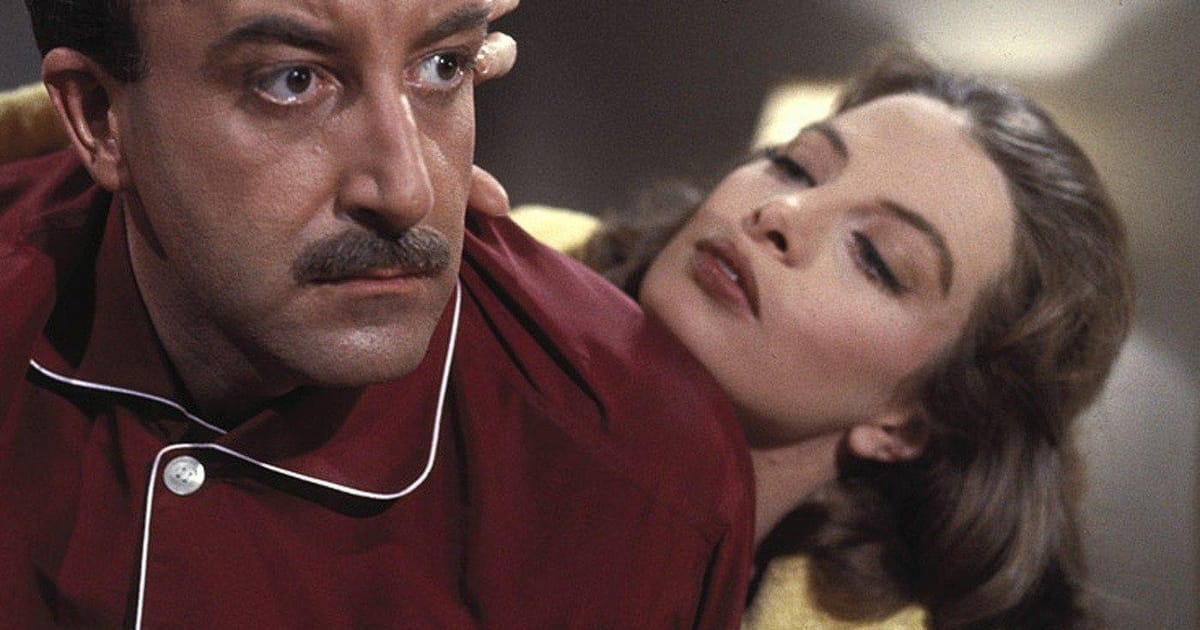
John Q is one of those movies people remember less like a casual Friday-night thriller and more like an emotional workout with popcorn. Released in 2002, directed by Nick Cassavetes, and written by James Kearns, the film follows John Quincy Archibald, a working-class father pushed into an impossible medical and financial crisis when his young son needs a heart transplant. The story is big, dramatic, and sometimes louder than a hospital waiting-room vending machine at 2 a.m., but the reason it still stays in conversation is simple: the John Q cast is stacked.
Led by Denzel Washington, the movie brings together Oscar winners, respected character actors, rising young performers, comedians, television favorites, and supporting players who make the hospital setting feel tense, crowded, and very human. Whether you are searching for the full John Q cast list, trying to remember “who played the doctor in John Q,” or wondering why the film still hits viewers in the feelings two decades later, this guide breaks down the actors and actresses from John Q in a clear, useful, SEO-friendly way.
John Q Movie Overview
John Q is a crime drama thriller distributed by New Line Cinema. The movie was released in the United States on February 15, 2002, with a runtime of about 116 minutes. Its central conflict revolves around health insurance, hospital policy, family love, and desperation. That combination gives the actors plenty of emotional fuel, and trust me, Denzel Washington does not leave a single drop in the tank.
The film is often discussed as a social-issue thriller because it uses a personal family crisis to explore larger questions about medical access and financial pressure. But at the performance level, it works as an ensemble drama. Every character represents a different pressure point: the parent, the doctor, the administrator, the police negotiator, the media, the workers, the patients, and the bystanders. That is why the actors in John Q matter so much. They are not just filling space; they are the gears in a very stressful machine.
Main John Q Cast List
Denzel Washington as John Quincy Archibald
Denzel Washington plays John Quincy Archibald, the father at the center of the movie. John is a factory worker, a husband, and a dad who suddenly discovers that love, hard work, and doing everything “the right way” may not be enough to save his son. Washington brings his usual intensity, but what makes this role memorable is how ordinary he allows John to feel. He is not presented as a superhero. He is tired, frightened, proud, angry, and deeply devoted.
Washington’s performance gives the movie its heartbeat. In less capable hands, John could have become a one-note character who simply yells at the system for two hours. Instead, Washington layers the role with shame, tenderness, stubbornness, and moral conflict. The famous emotional scenes work because he plays them like a man trying not to break, not a movie star begging for an awards clip. Among fans, this is often mentioned as one of Denzel Washington’s most underrated dramatic performances.
Kimberly Elise as Denise Archibald
Kimberly Elise plays Denise Archibald, John’s wife and Michael’s mother. Denise is the emotional lightning rod of the family, and Elise gives the role a fierce urgency. She is not there simply to cry in the background, which would have been the easy and boring version. Instead, Denise challenges John, pushes the hospital, protects her child, and communicates the terror of a parent who has no patience for polite explanations while her son’s life is at stake.
Elise’s performance is one of the reasons the family scenes feel believable. She gives Denise a sharp edge, but that edge comes from fear and love, not melodrama for its own sake. Her chemistry with Washington helps sell the Archibald marriage as real: imperfect, stressed, but deeply bonded. In a movie full of big institutional forces, Denise keeps reminding the audience that this is first and foremost a family crisis.
Daniel E. Smith as Michael “Mike” Archibald
Daniel E. Smith plays Michael “Mike” Archibald, the young son whose medical emergency drives the entire plot. Michael is written as a sweet, energetic kid who loves baseball and idolizes his parents. Smith’s job is not easy because the character must be innocent without becoming overly sentimental. He has to make the audience care quickly, and he does.
Michael’s scenes establish what John and Denise are fighting for. The movie asks viewers to believe that one child’s life can expose every weakness in a complicated system. Smith gives Michael enough warmth that the stakes feel immediate. He is not just “the sick kid” in the story; he is a son, a teammate, and the emotional center of the Archibald family.
Robert Duvall as Lt. Frank Grimes
Robert Duvall appears as Lt. Frank Grimes, the veteran police negotiator assigned to handle the emergency room crisis. Duvall brings calm authority to the role, which is exactly what the movie needs once emotions start climbing the walls. Grimes is not a cartoonishly aggressive cop, nor is he a soft pushover. He is experienced, measured, and smart enough to understand that John is not a typical criminal figure.
Duvall’s scenes with Washington create some of the movie’s most interesting tension. Grimes has a job to do, but he also recognizes the human pain behind John’s actions. That balance gives the film a more complicated moral texture. Duvall has built a legendary career playing men of authority, and in John Q, he uses that authority with restraint rather than noise.
James Woods as Dr. Raymond Turner
James Woods plays Dr. Raymond Turner, the skilled cardiac surgeon connected to Michael’s case. Dr. Turner is confident, blunt, and often cold in the way movie doctors can be when they have spent years staring down impossible odds. Woods gives him a sharp, prickly energy, making him a character viewers may not immediately warm to, even though his medical role is essential.
What makes Dr. Turner interesting is that he sits at the intersection of medicine and bureaucracy. He understands the medical facts, but he also operates inside a hospital system full of rules, payment structures, and administrative limits. Woods plays him as a man who may be brilliant in surgery but emotionally guarded outside it. That contrast makes him a strong foil for John’s raw desperation.
Anne Heche as Rebecca Payne
Anne Heche plays Rebecca Payne, the hospital administrator whose decisions and explanations become a major source of conflict. Rebecca represents the business side of healthcare, and the film does not exactly hand her a basket of warm muffins. She is polished, controlled, and focused on policy, which makes her seem painfully distant from the Archibald family’s emergency.
Heche gives Rebecca a professional chill that works well for the story. She is not presented as a mustache-twirling villain; rather, she is a person trained to speak in systems, requirements, and financial realities. That makes her frustrating in a very recognizable way. Anyone who has ever been told “that is not covered” will understand why Rebecca Payne became one of the film’s most memorable pressure points.
Ray Liotta as Chief Gus Monroe
Ray Liotta plays Chief Gus Monroe, a police official whose approach is more forceful and politically aware than Grimes’s. Liotta brings his trademark intensity to the part. His character is concerned with control, public perception, and ending the crisis decisively. In other words, he is not exactly the guy you want bringing calm herbal tea into a tense room.
Chief Monroe adds external pressure to the story. While Grimes tries to understand John, Monroe is focused on command and results. Liotta’s performance gives the movie a sharper law-enforcement edge, reminding the audience that the situation is not just emotional but dangerous and public. His presence also creates a useful contrast with Robert Duvall’s quieter negotiator style.
Eddie Griffin as Lester Matthews
Eddie Griffin plays Lester Matthews, one of the people caught inside the emergency room. Known primarily for comedy, Griffin brings personality and energy to the ensemble. His role gives the film moments of human reaction inside the pressure cooker. In a story this heavy, characters like Lester help prevent the ER scenes from becoming one long block of grim faces and medical equipment.
Griffin’s performance is memorable because he adds humor without turning the movie into a comedy. His character reacts like a person who has been dropped into a nightmare and is trying to process it in real time. That kind of supporting role is important. It helps the audience experience the crisis from the perspective of ordinary people who did not sign up for any of this.
Shawn Hatosy as Mitch Quigley
Shawn Hatosy plays Mitch Quigley, another key person inside the hospital during the crisis. Hatosy gives Mitch a volatile, uneasy quality that fits the film’s atmosphere. He is part of the group dynamic that develops among the people trapped in the emergency room, and his reactions help show how fear can bring out different sides of people.
Mitch is not the central focus, but he contributes to the ensemble tension. In a contained setting like the ER, supporting characters need to feel distinct quickly. Hatosy accomplishes that by giving Mitch a nervous, unpredictable presence. His work helps make the room feel less like a stage set and more like a crowded place full of clashing personalities.
Supporting Actors and Actresses from John Q
David Thornton as Jimmy Palumbo
David Thornton plays Jimmy Palumbo, John’s friend and co-worker. Jimmy represents the working-class community around John, the people who understand how quickly a family can go from stable to desperate when hours are cut, bills rise, and insurance fails to cover what matters most. Thornton gives Jimmy warmth and loyalty, making him one of the film’s grounded supporting figures.
Laura Harring as Gina Palumbo
Laura Harring plays Gina Palumbo, Jimmy’s wife. Her role connects to the broader circle of people around the Archibald family. Harring’s presence adds another layer to the social world outside the hospital, reminding viewers that John and Denise are not isolated movie characters; they belong to a community watching the situation unfold with fear and sympathy.
Ethan Suplee as Max Conlin
Ethan Suplee appears as Max Conlin, one of the supporting characters involved in the hospital storyline. Suplee, known for playing memorable character roles across film and television, brings a natural everyman quality to the cast. His presence contributes to the film’s crowded ER atmosphere, where every side character helps create pressure, reaction, and unpredictability.
Kevin Connolly as Steve Maguire
Kevin Connolly plays Steve Maguire. Before becoming widely associated with later television work, Connolly appeared here as part of the ensemble surrounding the central crisis. Steve’s role helps fill out the group of people impacted by John’s actions, adding another personality to the tense hospital environment.
Paul Johansson as Tuck Lampley
Paul Johansson plays Tuck Lampley, a media figure covering the unfolding event. His role brings the press into the story, showing how quickly a private family emergency can become public spectacle. Johansson’s character helps the film explore how cameras, commentary, and public opinion can intensify an already explosive situation.
Heather Wahlquist as Julie Bird
Heather Wahlquist plays Julie Bird, one of the characters inside the hospital. Her role is part of the ensemble of patients and bystanders who give the ER scenes their human variety. In movies like John Q, these smaller roles matter because they turn the setting into a living space rather than a simple backdrop for the lead actor.
Troy Byer as Miriam Smith
Troy Byer appears as Miriam Smith, another supporting character in the hospital storyline. Her performance adds to the emotional range of the room, where different people respond to fear and uncertainty in different ways. The film depends on these reactions to keep the central standoff from feeling mechanically plotted.
Obba Babatundé as Sgt. Moody
Obba Babatundé plays Sgt. Moody, adding another strong presence to the law-enforcement side of the film. Babatundé is a respected performer with stage, film, and television experience, and his role helps fill out the police response around the hospital. His scenes support the procedural tension that surrounds John’s personal crisis.
Troy Winbush as Steve Smith
Troy Winbush plays Steve Smith, part of the supporting ensemble. Winbush brings a grounded screen presence, and his character helps broaden the group affected by the emergency room situation. Like many supporting performers in John Q, he helps create the sense that the story’s consequences ripple outward beyond the Archibald family.
Larissa Laskin as Dr. Ellen Klein
Larissa Laskin plays Dr. Ellen Klein, one of the medical professionals in the film. Her role helps establish the hospital as a functioning institution with many moving parts. Doctors, nurses, administrators, and specialists all carry different responsibilities, and the movie uses those roles to show how complicated a medical crisis can become.
Dina Spybey-Waters as Debby Utley
Dina Spybey-Waters plays Debby Utley. Her supporting performance contributes to the film’s network of hospital and crisis characters. These smaller roles may not receive the same attention as Washington or Duvall, but they are essential to the ensemble structure that keeps the movie busy and emotionally charged.
Martha Chaves as Rosa Gonzales
Martha Chaves plays Rosa Gonzales, one of the supporting characters in the hospital setting. Her role adds another civilian perspective to the film. The ER in John Q is not just a location; it is a cross-section of people, and Chaves helps make that cross-section feel broader and more realistic.
Why the John Q Cast Works So Well
The strength of the John Q cast comes from contrast. Denzel Washington plays emotion under pressure. Kimberly Elise plays a mother’s fear with fire. Robert Duvall brings procedural calm. James Woods adds medical sharpness. Anne Heche represents institutional distance. Ray Liotta delivers command-level intensity. Eddie Griffin brings human humor. Together, they create a movie where every major character seems to be pulling in a different direction.
That is exactly what the story needs. If everyone agreed, there would be no movie. If everyone were cruel, the story would feel flat. Instead, the cast creates conflict through different priorities. John wants his son treated. Denise wants action now. Turner thinks like a surgeon. Rebecca Payne thinks like an administrator. Grimes thinks like a negotiator. Monroe thinks like a police chief. The people inside the ER just want to make it through the ordeal. That web of motives is what keeps the film moving.
Most Memorable Performances in John Q
Denzel Washington is the obvious standout, and for good reason. His performance carries the movie’s emotional weight. But Kimberly Elise deserves just as much recognition for making Denise feel like a full partner in the story, not simply “the worried wife.” Robert Duvall also gives the film balance by playing Grimes with intelligence and restraint.
James Woods and Anne Heche are memorable because they embody the colder side of the hospital system without turning their characters into simple villains. Ray Liotta adds pressure from outside the building, while Eddie Griffin and Shawn Hatosy help make the ER scenes feel unpredictable. The result is an ensemble cast that gives the movie its rewatch value. Even when viewers debate the film’s message or tone, many agree that the performances are powerful.
Experience Section: Watching John Q Through Its Cast
Watching John Q today is an interesting experience because the cast does something many issue-driven dramas struggle to do: they make a large social problem feel personal without letting the movie become a lecture with better lighting. The first thing most viewers notice is Denzel Washington’s control. He does not begin the movie at full emotional volume. Instead, he builds John piece by piece: a father joking with his son, a husband trying to stay steady, a worker absorbing bad news, and finally a man trapped between love and a system that will not bend.
That gradual build is why the performance still connects. Viewers may not agree with every choice the character makes, but Washington makes it easy to understand the panic behind those choices. He gives John a painful dignity. You can see the embarrassment when he cannot provide what his family needs. You can see the confusion when medical language turns into financial rejection. You can see the anger when people in suits and white coats explain impossible things in calm voices. It is the kind of acting that makes a viewer lean forward, even if they already know where the story is going.
Kimberly Elise’s work changes the viewing experience, too. Denise is not there to softly support John from the sidelines. She is active, furious, terrified, and painfully honest. In many family dramas, the mother character is asked to represent sadness while the father gets the main action. John Q gives Denise more force than that, and Elise takes full advantage. Her scenes remind viewers that the crisis is happening to both parents, even when John becomes the public face of it.
The supporting cast also shapes how the movie feels. Robert Duvall gives the audience someone calm to hold onto. Ray Liotta makes the outside world feel impatient and ready to explode. James Woods gives the medical scenes a hard professional edge. Anne Heche makes hospital policy sound smooth, polished, and devastating. Eddie Griffin provides small bursts of personality that feel almost necessary because the story is so heavy. Without those tonal shifts, the movie might become exhausting. With them, it becomes tense but watchable.
One of the best ways to appreciate the actors and actresses from John Q is to focus on the emergency room as an acting space. It is crowded, emotionally hot, and full of characters who do not know each other but suddenly have to react to the same crisis. That setup gives the ensemble a theatrical quality. Everyone has a face, a fear, a complaint, or a judgment. The room becomes a miniature society, and the cast makes that society feel alive.
For modern viewers, the film may feel dramatic, even blunt, but the performances keep it from becoming forgettable. The cast commits fully. Nobody seems bored. Nobody acts as if they are simply waiting for Denzel to finish the big scenes. That commitment is why people still search for the John Q cast list years later. The movie is remembered not just because of its premise, but because its actors made the premise feel urgent, messy, and human.
Conclusion
The John Q cast is the main reason the movie continues to spark discussion long after its 2002 release. Denzel Washington gives the film its emotional center as John Quincy Archibald, while Kimberly Elise brings equal power as Denise. Daniel E. Smith makes Michael sympathetic and believable, and veteran actors like Robert Duvall, James Woods, Anne Heche, and Ray Liotta add authority, conflict, and tension. Supporting performers such as Eddie Griffin, Shawn Hatosy, David Thornton, Laura Harring, Ethan Suplee, Kevin Connolly, Paul Johansson, Heather Wahlquist, Troy Byer, Obba Babatundé, Troy Winbush, Larissa Laskin, Dina Spybey-Waters, and Martha Chaves help turn the hospital setting into a pressure-filled ensemble drama.
Whether you watch John Q as a thriller, a family drama, or a social-issue movie, the performances are what give it staying power. The film may be intense, emotional, and sometimes very direct, but its cast understands the assignment: make the audience care, make the room feel real, and make every decision feel painfully expensive. Mission accomplished.