Learning to care for an ileostomy bag can feel a bit like being handed the instruction manual to a tiny plumbing system you did not personally request. There are parts, seals, output, timing, skin checks, and the occasional dramatic leak that seems to have studied theater. The good news? With a few steady habits, ileostomy care becomes less mysterious and much more manageable.
An ileostomy is a surgically created opening, called a stoma, that allows stool from the small intestine to leave the body into an external pouching system. People may need an ileostomy because of inflammatory bowel disease, colorectal cancer, bowel injury, birth conditions, or surgery that gives the colon or rectum time to heal. Whether temporary or permanent, an ileostomy bag is not a life sentence to staying home in sweatpants. It is a medical tool, and like most tools, it works best when you know how to use it.
This guide explains how to empty, change, clean, protect, troubleshoot, and live confidently with an ileostomy pouch. It also covers hydration, diet, odor, leaks, travel, exercise, and when to call your healthcare team. Think of it as a practical, friendly field guide for keeping your pouch secure, your skin calm, and your day moving.
What Is an Ileostomy Bag?
An ileostomy bag, also called an ostomy pouch, is a collection pouch worn over the stoma. It catches stool that exits from the ileum, the last part of the small intestine. Because the colon normally absorbs water and helps form stool, ileostomy output is usually softer, looser, or more liquid than typical bowel movements.
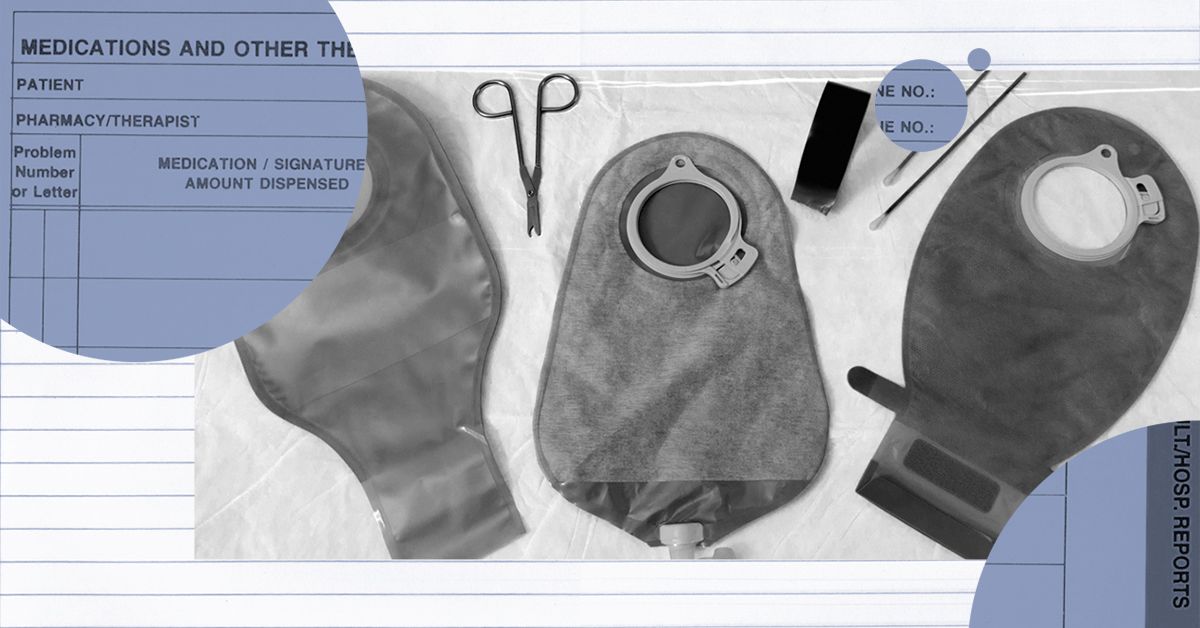
Most ileostomy pouching systems include two main parts: a skin barrier and a pouch. The skin barrier sticks to the skin around the stoma and protects it from digestive output. The pouch attaches to the barrier and collects waste. Some systems are one-piece, where the barrier and pouch are attached together. Others are two-piece, where the pouch snaps or adheres to a separate barrier.
Common Types of Ileostomy Pouches
Drainable pouches are the most common choice for ileostomies because output is often loose and needs to be emptied several times a day. These pouches open at the bottom and can be resealed.
One-piece systems are flexible and low-profile. They may feel simpler because everything is changed at once.
Two-piece systems let you change the pouch without removing the skin barrier every time. This can be helpful for sensitive skin or people who prefer more flexibility.
Convex barriers may be recommended if the stoma is flat, retracted, or located in a crease. Do not switch to convexity without guidance from an ostomy nurse, because fit matters more than guesswork.
How Often Should You Empty an Ileostomy Bag?
Most people empty an ileostomy pouch several times a day. A simple rule is to empty the pouch when it is about one-third to one-half full. Waiting until it is packed like an overstuffed suitcase can pull on the seal, irritate the skin, increase odor, and raise the chance of leaks.
Emptying before bedtime is especially helpful. A pouch that behaves politely at 10 p.m. may become an ambitious balloon by 3 a.m. Emptying it before sleep gives the adhesive less weight to support and helps you rest with fewer midnight surprises.
Step-by-Step: How to Empty the Pouch
First, gather toilet paper, wipes if approved by your care team, pouch deodorant if you use it, and a small disposal bag if needed. Sit far back on the toilet or stand facing it, depending on what feels easiest and safest.
Hold the end of the pouch upward before opening the closure. Slowly lower the tail into the toilet and empty the contents. Wipe the opening clean, making sure the tail is dry before resealing. Check that the closure is fully secure. This final check takes two seconds and can save an outfit, a chair, and your dignity from forming an emergency committee.
How Often Should You Change an Ileostomy Bag?
Your changing schedule depends on the pouching system, your skin, your output, activity level, sweating, body shape, and your ostomy nurse’s instructions. Many people change the full pouching system every few days, while some need changes more often. A pouch should be changed promptly if it leaks, feels itchy or burning under the barrier, loosens at the edges, smells unusual despite being closed, or no longer feels secure.
Do not “wait and see” with leakage. Ileostomy output contains digestive enzymes that can irritate skin quickly. If you feel burning, wetness, itching, or stinging under the barrier, treat it as a message from your skin, not a suggestion box.
Best Time to Change an Ileostomy Pouch
Many people find it easier to change the pouch first thing in the morning before eating or drinking, when output may be slower. Another good time is a few hours after a meal, depending on your personal pattern. Keep a simple output diary for a week if you are new to ileostomy care. Your small intestine may not send calendar invites, but it often has a routine.
Step-by-Step: How to Change an Ileostomy Bag
Before starting, gather everything: a new pouching system, measuring guide, scissors if using a cut-to-fit barrier, disposal bag, soft cloths or paper towels, warm water, skin barrier products if prescribed, stoma powder if recommended, and a mirror if helpful.
1. Wash Your Hands
Clean hands reduce the chance of irritation or infection. Wash with soap and water, then dry well.
2. Gently Remove the Old Pouch
Support the skin with one hand while slowly peeling the barrier away with the other. Adhesive remover may help if your care team has approved it. Avoid ripping the pouch off quickly, even if you are in a hurry. Your skin did not sign up for a wrestling match.
3. Clean the Skin Around the Stoma
Use warm water and a soft cloth or paper towel. Many people do best with plain water because soaps, lotions, oils, and alcohol-based products can interfere with adhesion or dry the skin. If you use soap, choose a mild, residue-free option and rinse thoroughly.
4. Dry the Skin Completely
Adhesive sticks best to clean, dry skin. Pat the area dry. Do not rub. Rubbing irritated peristomal skin is like arguing with a smoke alarm: loud, unhelpful, and likely to make things worse.
5. Measure the Stoma
The stoma can change size, especially in the weeks after surgery. Measure it regularly. The barrier opening should fit closely around the stoma without squeezing it. Too large an opening exposes skin to output. Too small an opening can injure the stoma.
6. Apply the Barrier and Pouch
If using a cut-to-fit barrier, cut the opening carefully. Remove the backing and center the barrier over the stoma. Press gently but firmly around the stoma and along the edges. Warmth from your hand can help the adhesive bond. Hold the barrier in place for several minutes if recommended.
7. Check the Seal
Make sure there are no gaps, wrinkles, or loose edges. If using a two-piece system, confirm the pouch is fully attached to the barrier. Close the drainable end securely.
How to Protect the Skin Around the Stoma
The skin around the stoma is called peristomal skin. Healthy peristomal skin should look similar to the rest of your abdominal skin. Redness, weeping, open areas, rash, itchiness, or burning are signs that something needs attention.
The best skin care strategy is prevention: a well-fitted barrier, timely pouch changes, gentle cleaning, and quick response to leaks. If stool gets under the barrier, remove the pouch, clean the skin, and apply a new system. Do not tape over a leak and hope for peace. Tape may delay disaster, but it rarely negotiates a lasting treaty.
Common Skin Problems and What They May Mean
Red, painful skin may mean the opening is too large, output is touching the skin, or the pouch is leaking.
Itchy skin may signal moisture under the barrier, allergy, yeast, or adhesive irritation.
Repeated leaks may mean the pouching system does not fit your body shape, the stoma has changed size, or creases are interfering with the seal.
Bleeding from the skin can happen if irritated skin is rubbed or stripped by adhesive. A small amount of bleeding from the stoma surface can occur because it has delicate blood vessels, but ongoing bleeding should be reported.
Hydration: The Big Ileostomy Habit
Hydration is one of the most important parts of ileostomy care. Because an ileostomy bypasses the colon, the body may lose more fluid and electrolytes through the pouch. This makes dehydration a real risk, especially during hot weather, illness, heavy sweating, or high-output days.
Signs of dehydration can include dry mouth, thirst, dark urine, urinating less often, dizziness, weakness, muscle cramps, headache, or feeling unusually tired. If you have an ileostomy and notice these symptoms, contact your healthcare team, especially if output is higher than usual.
What to Drink
Water is important, but some people with an ileostomy also need electrolyte drinks or oral rehydration solutions. Your healthcare team may recommend specific fluids based on your output, kidney health, medications, and medical history.
Be cautious with large amounts of sugary drinks, fruit juice, alcohol, or too much caffeine, because these may increase output in some people. The goal is not simply to pour in liquid; the goal is to absorb fluid and maintain electrolyte balance.
Track Output When Needed
If your ileostomy is new, your care team may ask you to measure both pouch output and urine output. This may sound tedious, but it gives your clinician useful information. Think of it as your intestine’s report card, except no one is grading your handwriting.
Food and Ileostomy Bag Care
Diet after ileostomy surgery often starts with low-fiber, easy-to-digest foods while the bowel heals and swelling decreases. Over time, many people reintroduce foods gradually. Your personal diet plan should come from your surgeon, dietitian, or ostomy nurse, but several practical principles are common.
Eat Smaller, Regular Meals
Smaller meals can make output more predictable. Skipping meals may actually increase gas or watery output for some people. Eating on a schedule helps your digestive system settle into a rhythm.
Chew Thoroughly
Chewing well is not glamorous, but it matters. Large pieces of food can be harder to digest and may raise the risk of blockage, especially early after surgery. Foods such as nuts, popcorn, raw vegetables, celery, mushrooms, corn, coconut, and fruit skins may need caution, depending on your stage of recovery and your clinician’s advice.
Use Thickening Foods When Recommended
Foods such as bananas, applesauce, rice, pasta, potatoes, toast, smooth peanut butter, and oatmeal may help thicken output for some people. Introduce changes gradually so you know what works for your body.
Watch Gas and Odor Triggers
Beans, onions, cabbage, broccoli, carbonated drinks, eggs, fish, and some spicy foods may increase gas or odor in some people. This does not mean you must ban flavor from your life. It means you should test foods at home first, preferably not 20 minutes before a job interview, first date, or long elevator ride.
How to Prevent Ileostomy Bag Leaks
Leaks are one of the most common and frustrating ostomy problems. They can happen because the pouch is too full, the barrier opening is the wrong size, the skin is damp, the abdomen has creases, the stoma is flush or retracted, or output is very watery.
To prevent leaks, empty the pouch before it becomes heavy. Change the system before the adhesive breaks down. Make sure skin is dry before applying the barrier. Measure the stoma regularly. Use barrier rings, paste, belts, or convex products only as recommended. If leaks happen repeatedly, schedule a visit with a certified ostomy nurse. A small fitting adjustment can make a big difference.
Odor Control Without Panic
A properly sealed ileostomy pouch should not smell during regular wear. Odor usually appears when emptying the pouch or if there is a leak. Pouch deodorants, odor-proof disposal bags, good bathroom ventilation, and prompt emptying can help.
If odor is constant even when the pouch is closed, check the closure, filter, and seal. Persistent odor may mean the pouch has a tiny leak or needs changing. Your nose is useful technology; listen to it.
Showering, Swimming, and Daily Life
Many people can shower with the pouch on or off. If you have an ileostomy, wearing the pouch in the shower may be more convenient because output can happen at any time. If you shower without the pouch, water will not enter your abdomen through the stoma. Gently clean around the stoma and dry the skin fully before applying a new system.
Swimming is often possible once your surgeon clears you. Waterproof barrier strips, secure pouch closures, and emptying before swimming can help. Dark or patterned swimwear may add confidence, but the most important accessory is a reliable seal.
Clothing, Exercise, and Sleeping
Most clothing can be worn with an ileostomy pouch. High-waisted underwear, ostomy wraps, support bands, or loose layers may help the pouch feel secure. Avoid tight waistbands directly across the stoma if they block output or cause pressure.
Exercise is usually encouraged after recovery, but lifting restrictions are common early after surgery. Ask your care team when to resume workouts and whether you need support garments to reduce hernia risk. Walking is often a good starting point.
For sleep, empty the pouch before bed. Some people avoid large late meals to reduce nighttime output. Side sleeping may be comfortable, and a small pillow can help support the pouch area. The first few nights may feel awkward, but most people develop a routine quickly.
Travel Tips for Ileostomy Bag Care
Travel with extra supplies. Then add more. A sensible rule is to pack at least twice what you think you need, especially for flights, hot climates, long drives, or unpredictable schedules. Keep supplies in your carry-on bag, not only in checked luggage. Suitcases occasionally go on spiritual journeys without their owners.
Pre-cut barriers before travel if you use cut-to-fit products. Carry disposal bags, wipes approved by your care team, a change of clothes, and a small emergency kit. If flying, cabin pressure may cause gas expansion, so empty the pouch before boarding and when needed during travel.
When to Call a Doctor or Ostomy Nurse
Call your healthcare team if you have signs of dehydration, high output that does not improve, little or no output with cramping or swelling, severe abdominal pain, repeated vomiting, a stoma that turns dark purple, black, or very pale, persistent bleeding, deep skin sores, repeated leakage, fever, or a sudden major change in stoma size or shape.
You should also call if your pouching system suddenly stops working for you. Bodies change after surgery. Weight changes, scars soften, swelling goes down, and abdominal contours shift. Needing a new pouch fit is not failure; it is maintenance.
Common Mistakes to Avoid
Letting the pouch get too full: A heavy pouch pulls on the seal and increases leakage risk.
Using oily lotions near the stoma: Oils can prevent the barrier from sticking well.
Ignoring itchy or burning skin: These symptoms often mean output is leaking under the barrier.
Cutting the barrier too large: Exposed skin can become irritated quickly.
Changing products too often without guidance: Constant experimenting can irritate skin and create confusion. Work with an ostomy nurse when possible.
Drinking less to reduce output: This can backfire and increase dehydration risk. Ask your care team how to manage watery or high output safely.
Living Well With an Ileostomy Bag
Caring for an ileostomy bag is a skill, not a personality trait. At first, every step may feel slow: measuring, cutting, cleaning, drying, applying, checking, emptying, repeating. Over time, the process becomes familiar. Many people return to school, work, exercise, travel, relationships, hobbies, and normal routines with an ileostomy.
The goal is not perfection. The goal is confidence. A leak does not mean you did something wrong. A skin flare does not mean you failed. A bad pouch day is just that: one bad pouch day. With the right fit, supplies, hydration plan, and support, ileostomy care becomes part of life rather than the boss of it.
Real-Life Experiences and Practical Lessons From Ileostomy Bag Care
One of the biggest lessons people often learn after ileostomy surgery is that confidence comes from preparation. The first pouch change at home can feel like defusing a tiny medical spaceship. There are supplies on the counter, the stoma is active at the least convenient moment, and the new barrier somehow sticks to your glove, your towel, and possibly your soul. This is normal. The solution is not to become perfect overnight. The solution is to build a calm routine.
A helpful experience-based habit is creating a dedicated changing station. This can be a bathroom drawer, a small plastic bin, or a travel pouch with all essentials in one place. Keep barriers, pouches, scissors, measuring guides, disposal bags, wipes or cloths, stoma powder if prescribed, and barrier rings if used. When everything is within reach, pouch changes feel less chaotic. Nobody wants to discover the disposal bags are across the room while holding an old pouch.
Another practical lesson is to learn your body’s timing. Some people have quieter output early in the morning. Others notice slower output a few hours after eating. Keeping notes for several days can reveal patterns. Write down meals, pouch emptying times, watery output, gas, leaks, and skin symptoms. This does not need to become a spreadsheet worthy of NASA. A simple notebook or phone note is enough.
People also learn that leaks are information. A leak may mean the pouch was too full, the skin was not dry, the barrier opening was too large, or the product is not ideal for the person’s body shape. Instead of blaming yourself, treat each leak like a clue. Where did it start? Was it near a crease? Did it happen after exercise? Was output unusually liquid? These details help an ostomy nurse recommend better solutions.
Hydration is another lesson that becomes personal quickly. Many new ileostomy patients assume drinking plain water all day solves everything. Sometimes it helps; sometimes electrolytes are needed too. People often discover that hot weather, workouts, stomach bugs, and high-output days require extra attention. Pale urine, steady energy, and normal output are reassuring signs. Dizziness, dry mouth, low urine, and sudden fatigue are signals to take action and contact the care team when needed.
Eating becomes less scary with gradual testing. Instead of trying five new foods at once, introduce one food at a time in small portions. Chew thoroughly. Try new foods at home first. Keep a sense of humor. The body may accept rice like a loyal friend but treat carbonated soda like a marching band. Everyone is different, and your own experience matters.
Finally, emotional adjustment deserves attention. An ileostomy bag can affect body image, sleep, clothing choices, intimacy, and confidence. Support groups, ostomy nurses, counselors, and experienced ostomates can make the learning curve less lonely. Many people eventually stop seeing the pouch as an enemy and start seeing it as equipment that helps them live. It may not be glamorous, but neither are eyeglasses, retainers, knee braces, or phone chargers. Useful things do not need to be glamorous. They just need to work.
Conclusion
Ileostomy bag care is built on a few reliable habits: empty the pouch before it gets heavy, change the system when the seal weakens, protect the skin, stay hydrated, chew food well, and ask for help when something does not look or feel right. The learning curve can be real, but it does not last forever. With practice, the process becomes faster, cleaner, and less intimidating.
Your ileostomy pouch is not the end of normal life. It is a new system that requires attention, patience, and the right support. Work closely with your ostomy nurse, follow your surgeon’s instructions, and trust yourself to get better at the routine. Even the most experienced ostomates started with a first awkward pouch change. Progress counts, and dry skin under a secure seal is absolutely worth celebrating.