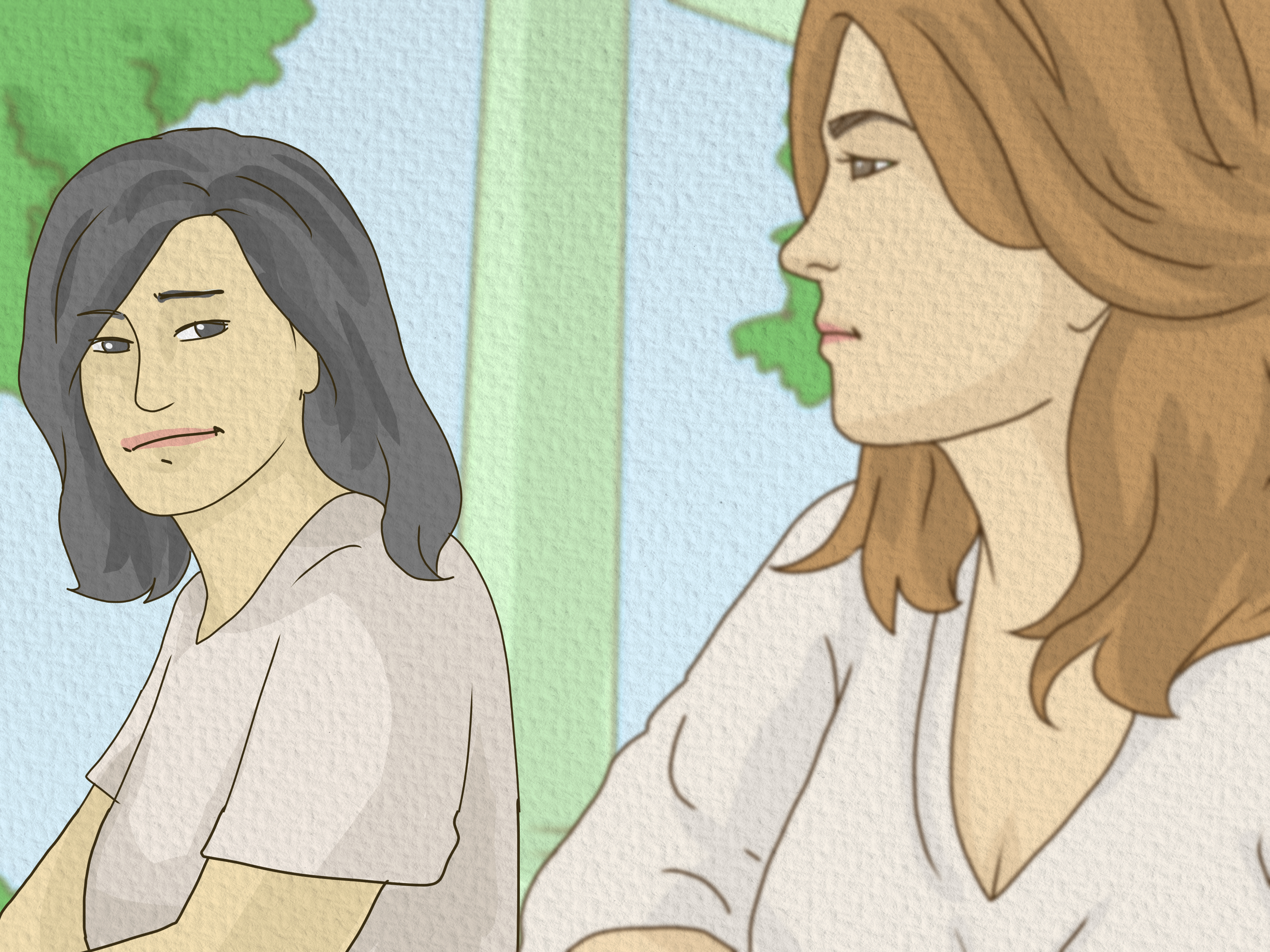
Ignoring a narcissist can sound wonderfully simple: stop replying, block the number, reclaim your peace, and ride into the sunset while your phone enjoys its first quiet afternoon in years. In real life, however, cutting off someone with strong narcissistic traits can produce a complicated mix of relief, guilt, pressure, confusion, and sometimes escalating attempts to regain your attention.
What happens next depends on the person, your relationship, the history between you, and whether controlling or abusive behavior is involved. Some people become charming. Others become angry, play the victim, recruit mutual friends, or disappear until they believe you are easier to influence again. A few simply move on.
The important point is that ignoring someone is not a psychological trick for defeating them. It is a boundary. Its purpose should be to protect your well-being, not to provoke a reaction, teach a lesson, or win a silent-treatment championship.
First, Be Careful With the Word “Narcissist”
Narcissistic personality disorder, or NPD, is a diagnosable mental health condition characterized by a persistent pattern that may include grandiosity, entitlement, a strong need for admiration, exploitative behavior, and difficulty recognizing other people’s feelings. Only a qualified professional can diagnose it. Being selfish, arrogant, emotionally immature, or spectacularly annoying at Thanksgiving does not automatically mean someone has NPD.
This distinction matters because online discussions sometimes treat “narcissist” as a catchall label for every difficult former partner, boss, parent, or roommate. It is more accurate to focus on observable conduct: Does this person repeatedly belittle you, manipulate conversations, ignore your boundaries, demand special treatment, or punish you for disagreeing?
A diagnosis also does not automatically make someone abusive or dangerous. Likewise, a person does not need a psychiatric diagnosis for their behavior to be harmful. You are allowed to step away from a destructive relationship without proving a clinical case in the Supreme Court of Group Chat.
What Does Ignoring a Narcissist Actually Mean?
“Ignoring” can describe several different boundary strategies. Choosing the right one depends on how much contact is necessary and whether disengaging could create safety risks.
No Contact
No contact means ending direct and indirect communication. You stop calling, texting, visiting, checking social media, asking mutual friends for updates, and responding to messages delivered through other people. It is the strongest option, but it may not be practical when you share children, property, employment responsibilities, or legal obligations.
Low Contact
Low contact limits the frequency, subject, and format of communication. You might communicate only by email, discuss only child-related logistics, or attend family gatherings for a predetermined amount of time. The goal is controlled access rather than total disappearance.
The Gray Rock Method
Gray rocking means becoming emotionally uninteresting during unavoidable interactions. Responses remain brief, factual, calm, and free of personal details. Instead of debating an accusation for 47 messages, you might say, “I will pick up the children at 5:00 p.m. as scheduled.” The technique is intended to reduce opportunities for conflict, although it is not appropriate for every situation and should not replace a safety plan when abuse is present.
The Silent Treatment
The silent treatment is different from protective disengagement. It uses withdrawal to punish, control, or frighten another person. A healthy boundary is communicated when possible and focuses on what you will do: “I will end the conversation if you insult me.” Punitive silence focuses on controlling the other person: “I will ignore you until you surrender.”
What May Happen When You Cut Them Off?
No reaction is guaranteed. Still, certain patterns are commonly reported when a person who expects access, admiration, compliance, or emotional attention suddenly loses it.
1. They May Test Whether the Boundary Is Real
Your first unanswered message may be treated as an accident. Your fifth may be treated as rebellion. The person might call from another number, send a casual meme, invent an urgent problem, or contact you through a friend.
These small tests help them learn whether persistence produces a response. Even an angry reply can confirm that they still have access to your attention. If your goal is no contact, repeatedly explaining the boundary can accidentally reopen the conversation you were trying to close.
2. They May Become Suddenly Charming
Some people respond to separation with intense affection, apologies, gifts, promises, or nostalgic messages. This attempt to pull someone back into a relationship is often called “hoovering.” It may sound like, “I finally understand everything,” “Nobody knows me like you,” or the ever-popular midnight classic, “Hey, stranger.”
An apology can be sincere, but lasting change is measured through consistent behavior, accountability, respect for boundaries, and professional help when needednot one dramatic speech accompanied by a suspiciously photogenic bouquet. Hoovering can be part of a cycle in which affection temporarily returns when control or access is threatened.
3. Anger or Contempt May Surface
Being ignored may feel like criticism, rejection, humiliation, or loss of status to someone with pronounced narcissistic traits. Research has linked higher narcissism with stronger hostility or retaliatory aggression following insult, criticism, or social rejection. That finding describes a statistical association, not a prediction that every person with narcissistic traits will become aggressive.
Possible reactions include insults, mocking, threats, repeated calls, public scenes, or attempts to start arguments. You may hear that you are selfish, unstable, ungrateful, cruel, or “the real narcissist.” The objective may be less about resolving the relationship and more about making you defend yourself.
4. They May Rewrite the Story
When direct access fails, the person may create a version of events in which they are the innocent party and you vanished without reason. This may include selective storytelling, exaggerated claims, or conveniently misplaced memories.
You do not have to launch a public relations campaign every time someone misunderstands you. Correct serious falsehoods when necessary, especially those involving employment, custody, finances, or safety. Otherwise, trying to convince every mutual acquaintance can keep you trapped in the conflict.
5. Mutual Friends May Be Pulled In
A former partner or relative may ask others to deliver messages, gather information, pressure you to respond, or report what you are doing. This is sometimes called triangulation because a third person is brought into a two-person conflict.
A simple response is usually enough: “I am not discussing the relationship. Please do not pass messages between us.” Supportive friends will respect that. People who continue acting as unpaid correspondence interns may need their own access reduced.
6. They May Act Completely Unbothered
Some individuals quickly seek attention elsewhere or display a new relationship, friendship, achievement, or glamorous social calendar. That display may be genuine, strategic, or a little of both. Trying to decode every post keeps your attention attached to the person even after communication ends.
Blocking or muting social media is often less about hiding and more about ending the exhausting habit of searching for secret meanings in brunch photographs.
7. They May Withdraw and Return Later
Silence does not always mean the situation is over. A person may wait days or months before sending a friendly message, birthday greeting, fake emergency, or request for “closure.” The timing can make the contact seem harmless because the original conflict has cooled.
Decide in advance what circumstances, if any, would justify a response. A written plan prevents a moment of loneliness, guilt, or surprise from making the decision for you.
Why Cutting Them Off Can Feel So Difficult
People often expect immediate relief after ending a damaging relationship. Instead, they may experience grief, anxiety, guilt, self-doubt, or a powerful urge to check for messages. These feelings do not prove that leaving was wrong.
Relationships involving alternating affection and criticism can train a person to remain focused on the next warm moment. You may miss the apology, the excitement, the private jokes, or the hopeful version of the relationshipnot necessarily the full reality of how you were treated.
You may also have spent months or years explaining yourself, monitoring another person’s mood, or questioning your own memory. When that routine stops, calm can initially feel unfamiliar. Healing may involve relearning that peace is not boredom and that a quiet phone is not an emergency.
How to Cut Off Contact More Safely
Assess the Risk Before Announcing Your Decision
If the person has threatened you, stalked you, monitored your devices, damaged property, controlled money, or used physical or sexual violence, do not assume a dramatic confrontation is the safest approach. Abuse can intensify during or after separation. A personalized safety plan may include trusted contacts, emergency documents, transportation, financial preparation, technology security, and professional advocacy.
Keep the Boundary Clear
When it is safe and appropriate, communicate the boundary once. For example: “I am ending this relationship and will not communicate further. Do not contact me.” Avoid listing every offense unless documentation or legal advice requires it. A 19-page closing argument usually creates 19 pages of new material to dispute.
Protect Your Digital Privacy
Change passwords, enable multifactor authentication, review shared cloud accounts, disable location sharing, check logged-in devices, and adjust social media privacy. Ask friends not to post your location or share personal updates.
Preserve Important Records
Save threatening messages, voicemails, emails, financial records, and dates of unwanted contact. Keep copies somewhere the other person cannot access. Documentation can be valuable when working with an employer, attorney, school, domestic violence advocate, or law enforcement agency.
Build a Support Team
Tell a few trustworthy people what is happening. Isolation makes boundaries harder to maintain and can increase vulnerability to pressure. A therapist, support group, advocate, attorney, employee assistance program, or trusted relative can provide perspective and practical help.
Emotional and verbal abuse can include humiliation, intimidation, isolation, monitoring, and attempts to control another person. Its effects can be serious even when physical violence has not occurred.
When No Contact Is Not Possible
You may need continued communication with a difficult co-parent, relative, neighbor, client, or colleague. In that case, aim for structured contact rather than emotional engagement.
For Co-Parenting
Use a written communication channel and restrict discussions to schedules, health, school, expenses, and emergencies. Write as though a neutral professional might read the message later: brief, factual, polite, and firm.
For the Workplace
Keep records of assignments, deadlines, decisions, and inappropriate conduct. Redirect personal attacks to the work itself: “Please identify the requested revision and deadline.” Follow organizational reporting procedures when behavior becomes discriminatory, threatening, retaliatory, or harassing.
For Family Relationships
Decide which topics are private, where meetings will occur, how long visits will last, and what behavior will end an interaction. You might use your own transportation, avoid overnight stays, or meet only in public. Boundaries work best when they include an action you control.
How to Recover After Cutting Them Off
Recovery is not simply waiting until you stop thinking about the person. It is rebuilding confidence in your own observations, choices, and limits.
Start by reducing exposure to reminders that trigger rumination. Reestablish sleep, exercise, meals, hobbies, friendships, and ordinary routines. Write down the reasons you ended the relationship so nostalgia cannot edit the story into a romantic trailer that omits the entire second act.
Therapy can help with anxiety, shame, grief, trauma responses, and weakened self-trust. It can also help you examine why certain boundary violations became normalized without blaming you for another person’s behavior. Trauma-informed approaches emphasize safety, trust, collaboration, and personal empowerment.
Do not measure healing by whether the other person apologizes, understands, changes, or receives cosmic consequences on your preferred schedule. Measure it by whether your days increasingly belong to you.
Experiences After Ignoring or Cutting Off a Narcissistic Person
The following composite examples combine commonly reported experiences. They do not describe specific individuals, and they illustrate possibilities rather than guaranteed stages.
Experience One: The Former Partner Who Suddenly “Changed”
After months of criticism and repeated arguments, Jordan ended a relationship and blocked direct contact. During the first week, the former partner sent emails that moved rapidly between affection and accusation. One message promised therapy and marriage. The next called Jordan heartless. A third arrived with a photograph from their first vacation and the sentence, “Remember who you really are.”
Jordan initially wanted to answer each claim. A counselor suggested saving the messages without replying and reviewing the original reasons for leaving. The emotional intensity decreased once Jordan stopped treating every message as a question requiring an answer.
The difficult part was not blocking the contact. It was tolerating the discomfort that followed. Jordan missed the relationship’s exciting moments and worried that refusing another chance was cruel. Over time, the absence of daily criticism made the contrast clearer. Sleep improved. Friends noticed that Jordan no longer checked the phone throughout dinner. Peace arrived quietly, without dramatic background music.
Experience Two: The Parent Who Recruited the Family
Elena reduced contact with a parent who routinely insulted her spouse, criticized her appearance, and treated private information as public family entertainment. Rather than announcing permanent estrangement, Elena stopped sharing personal details and limited calls to once every two weeks.
The parent complained to relatives that Elena had become cold and disrespectful. Several family members called to explain that “family is family,” a phrase often deployed when nobody wants to discuss what the family member actually did.
Elena prepared a short response: “I am taking space because our conversations have been harmful. I am not asking you to choose sides.” She repeated it without supplying new details. Some relatives respected the boundary. Others did not. Elena learned that reducing contact with one person sometimes reveals which additional relationships depend on her silence.
The experience involved grief because the parent did not become more accountable. Still, Elena gained something important: the ability to attend family events without surrendering unlimited access to her time, marriage, and private decisions.
Experience Three: The Coworker Who Needed a Reaction
Marcus worked with a colleague who regularly took credit for team successes and blamed others when deadlines slipped. Direct confrontations led to long debates and personal comments, so Marcus changed tactics. He documented assignments, confirmed decisions by email, and responded only to work-related questions.
At first, the colleague increased the pressure by sending sarcastic messages and copying additional managers. Marcus resisted the urge to answer sarcasm with a carefully engineered masterpiece of sarcasm. Instead, he replied with dates, files, and completed tasks.
The conflict did not vanish, but the paper trail changed its shape. When the colleague made a false claim about a missed deadline, Marcus produced the written approval showing otherwise. Management could address the conduct using evidence rather than competing stories.
Marcus’s experience demonstrates that “ignoring” in professional settings rarely means pretending the person does not exist. It means refusing unnecessary emotional combat while remaining responsive to legitimate responsibilities.
What These Experiences Have in Common
Each person stopped trying to force insight, remorse, or agreement. They focused instead on behavior they could control: access, responses, documentation, privacy, and support.
They also discovered that boundaries may initially increase pressure. This does not necessarily mean the boundary is failing. It may mean the old method of gaining access is no longer working. Consistency, safety planning, and outside support are often more effective than delivering increasingly passionate explanations.
Conclusion
Ignoring a narcissist or cutting off someone with strong narcissistic traits may lead to charm, anger, guilt-inducing messages, reputation attacks, third-party pressure, temporary withdrawal, or renewed contact later. It may also produce no dramatic reaction at all. Personality traits cannot tell you exactly what one individual will do.
The healthiest goal is not to make the person miss you, regret losing you, or collapse under the unbearable weight of your unread notifications. The goal is to protect your safety, attention, dignity, and emotional stability.
Choose no contact, low contact, or structured communication according to your circumstances. Keep boundaries clear, protect your privacy, preserve evidence when necessary, and involve trustworthy people. When threats, stalking, coercive control, or violence are present, seek specialized help and create a safety plan before making changes that could increase risk.
Note: This article provides general educational information and does not diagnose any individual or replace mental health, legal, or domestic violence services. In the United States, anyone in immediate danger should call 911. The National Domestic Violence Hotline and the 988 Suicide & Crisis Lifeline provide confidential support for people facing abuse or emotional crisis.