Note: HTML body only, English content, ready for publishing.
There are two kinds of people in this world: the kind who dream of epic adventure, and the kind who hear the phrase second breakfast and immediately say, “Now that is a culture with a plan.” I regret to inform you that I am deeply, spiritually, enthusiastically in the second category.
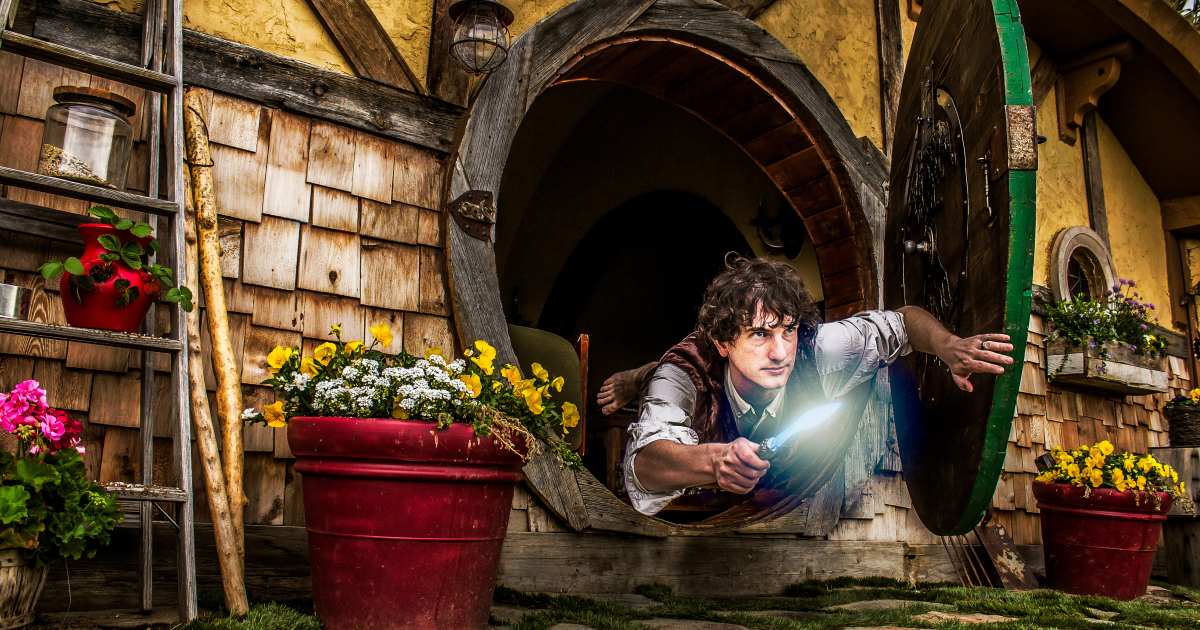
So I decided to conduct a highly scientific lifestyle experiment: I spent one full day living like a hobbit. Not in the sense that I suddenly grew furry feet, inherited a magic ring, or developed strong opinions about dwarves. I mean I built a day around the things hobbits seem to do best: eating well, moving slowly, staying close to home, tending a garden, enjoying creature comforts, and treating coziness like both an art form and a moral responsibility.
The idea was inspired by the real-world staying power of Hobbiton, the New Zealand set that still draws fans who want to walk past round doors, vegetable patches, and the Green Dragon Inn. But it was also inspired by something simpler: the reason hobbits continue to charm people decades after Tolkien introduced them. They are small-scale geniuses. They like warm meals, green things, tidy homes, familiar paths, and good company. In an age of burnout, that feels less like fantasy and more like a better calendar strategy.
This article is part travel-inspired reflection, part cozy lifestyle experiment, and part tribute to the stubborn brilliance of slowing down. Here is what happened when I tried to spend one day as a hobbit, and why I came away thinking the Shire may have been onto something all along.
Why a Hobbit Day Sounds Ridiculous Until You Need One
At first glance, living like a hobbit seems wonderfully impractical. We live in a culture that rewards speed, hustle, optimization, and meals eaten over keyboards with the emotional energy of a hostage negotiation. Hobbits, by contrast, seem committed to comfort, routine, and snacks at wildly regular intervals. Frankly, they would be terrible at corporate Slack. They would also be happier.
That is part of the appeal. Bilbo Baggins begins as a comfort-loving creature who values warmth, order, and the familiar pleasures of home. His story matters because he grows beyond comfort when he must, but he never stops appreciating it. That detail often gets overlooked. The point is not that coziness is weakness. The point is that a well-fed, well-rooted person may have more courage than a permanently frazzled one.
Modern readers and travelers still respond to that idea. The popularity of Hobbiton, “hobbitcore,” cottage-style living, garden-centered routines, and stay-at-home rituals all point to the same longing: people are tired of living at top speed. We want places and habits that feel grounded, sensory, and human-sized. A hobbit day, then, is not escapism so much as a minor rebellion against unnecessary chaos.
The Rules of My Very Serious Hobbit Experiment
I gave myself a few simple rules for the day. First, I would eat real meals and not pretend coffee counted as emotional scaffolding and breakfast. Second, I would stay close to home and keep my day local, slow, and seasonal. Third, I would build in time for comfort on purpose: reading, tea, cooking, and a cozy corner with absolutely no productivity theater allowed. Fourth, I would spend time with something green, whether that meant a full garden or a few heroic herbs on a windowsill.
I also added one more rule, perhaps the most hobbit rule of all: no rushing unless the house was on fire or Gandalf appeared with paperwork.
Breakfast, Then Another Breakfast, Because Obviously
First Breakfast: The Responsible Version
I started with a proper breakfast instead of my usual urban nonsense. Eggs, toast, fruit, tea, and enough butter to make a nutrition label sigh. It was simple, warm, and strangely powerful. Eating a real morning meal at a table, without doom-scrolling, felt less like self-improvement and more like remembering I was a mammal.
The best part was the pace. Hobbit logic does not rush breakfast. It honors it. It lets breakfast be a ceremony instead of a pit stop. That tiny shift changed the mood of the whole morning.
Second Breakfast: The Visionary Version
A few hours later, I had second breakfast. Not a giant meal, just something joyful and mildly unnecessary, which is exactly why it worked. A warm scone, a little jam, and another cup of tea. Suddenly the day had structure, personality, and what I can only describe as pastoral momentum.
This is where hobbit living starts to expose modern life for the scam it sometimes is. Why are we pretending one breakfast is enough when morale clearly improves with two? I am not saying every problem in society can be fixed with second breakfast. I am saying I would like funding to test that theory.
Building a Home Base Worthy of the Shire
One reason Hobbiton remains so memorable is that it feels lived-in. The round doors are charming, yes, but the real magic is the domestic detail: garden beds, little paths, weathered wood, tables set for fellowship, and the kind of cozy interiors that whisper, “Please sit down before the world asks anything of you.”
I could not install a round green door by lunch, though not for lack of imagination. What I could do was create a more hobbit-like home base. I cleared visual clutter, set up a soft chair with a blanket and a lamp, lit a candle, and put my phone in another room so it could stop auditioning for the role of tiny tyrant.
The effect was immediate. A calm corner changes the emotional temperature of a space. It tells your nervous system that not every room has to double as a command center. Hobbits seem to understand this instinctively. Their homes are not just cute. They are restorative. They are built around use, pleasure, and peace.
If you want your home to feel more Shire-like, you do not need to excavate a hill. You need texture, warmth, useful beauty, and at least one area that exists for rest rather than performance. Bonus points if it includes books, tea, and the faint possibility of a nap.
A Walk, a Garden, and the Surprising Power of Small Green Things
By late morning, I took my hobbit self outdoors. No speed-walking, no fitness-tracker guilt, no desperate attempt to transform a stroll into content. Just a walk. Hobbits are walkers, but not in the terrifying “ultra-endurance challenge” sense. They walk because the earth is pleasant, the weather deserves a look, and the road between meals might as well be scenic.
Then came the garden portion of the experiment. I do not possess a lush Shire-sized patch of cabbages and herbs. I do, however, have enough space to fuss over a few plants with total sincerity. I watered herbs, trimmed a few leaves, and spent more time than I would like to admit admiring one particularly confident sprig of rosemary.
It turns out this is peak hobbit behavior. Gardening does something modern life often fails to do: it makes you pay attention to seasons, slowness, and small progress. You cannot bully basil into thriving by sending it calendar invites. You show up, tend it, and wait. That is either excellent gardening wisdom or a devastating critique of my personality.
Even a tiny edible garden changes the mood of home. Herbs on a sill, peas on a trellis, a little bed of greens, a pot of thyme by the door: all of it nudges daily life toward the Shire. A hobbit day taught me that nature does not have to be dramatic to be nourishing. Sometimes one tomato plant is enough to make you feel like a landed gentleman.
Lunch With Strong Hobbit Energy
Lunch had to be hearty, comforting, and unashamed of itself. I leaned into rustic food with substance: soup, bread, cheese, and a savory pie situation. If you have ever looked at a flaky crust and thought, “Yes, this would absolutely improve my worldview,” congratulations, you are already halfway to being a hobbit.
There is a reason savory pies, tarts, and pub-style fare keep showing up in cozy-food conversations. They are warm, practical, and deeply unserious in the best way. They say, “Sit down. You are not too important for potatoes.” That philosophy deserves more respect.
Lunch also reminded me that hobbit living is not about extravagance. It is about abundance without flash. Good bread, fresh herbs, root vegetables, butter, tea, a pie, maybe something sweet later. The magic is not luxury for luxury’s sake. It is comfort with intention.
Afternoon Tea, Reading, and a Mild Resistance to Productivity
Somewhere in the afternoon, my usual instincts started kicking at the door. Should I answer more messages? Should I optimize something? Should I turn this day into a twelve-step framework with color-coded results?
No. Absolutely not. That was the dragon talking.
Instead, I made tea and sat down with a book. No podcast at 1.75 speed. No second screen. Just reading, snacking, and existing in a room that did not demand output. It was glorious and faintly suspicious, like I was getting away with something.
This may be the strongest lesson from my hobbit day: rest feels radical because we have forgotten how to do it without apology. Hobbits do not apologize for taking pleasure seriously. They do not turn every hobby into a side hustle. They do not act like leisure is a moral failure. They understand that delight is part of a life, not a reward you get after destroying yourself.
At one point I nearly took a nap, which felt both deeply in character and spiritually advanced. I did not fully fall asleep, but I hovered in that blessed middle state where the body says, “Thank you for finally acting like a woodland creature with decent priorities.”
What the Real Hobbiton Gets Right
Even though my experiment happened at home, I kept thinking about why the real Hobbiton affects people so strongly. Visitors do not just go for movie trivia. They go because the set captures an ideal of place. Bag End, the Green Dragon Inn, the vegetable patches, the paths, the mill, the little doors built into the hillside, and the newer Bagshot Row interiors all make the fantasy tactile.
It is not merely adorable. It is coherent. Every element suggests a life centered on food, fellowship, nature, craftsmanship, and familiarity. You can imagine the kettle on, the bread in the oven, the neighbors dropping by, the ale being poured, and somebody arguing passionately about mushrooms. That is world-building, yes, but it is also lifestyle design. The Shire works because it understands scale. It makes room for joy in daily routines.
That is why even people who never plan to cosplay as Bilbo still respond to it. We do not all want adventure every day. Many of us want a home that feels safe, a table that feels welcoming, and a life that leaves time for supper. The Shire is fantasy, but the longing it represents is embarrassingly real.
Dinner: Green Dragon Spirit, No Dragon Required
For dinner, I went full cozy tavern energy. Soup reheated beautifully, bread returned for an encore, vegetables got roasted until they tasted like they had good manners, and there was something pie-adjacent involved because commitment matters. I poured a drink, dimmed the lights, and pretended for one shining hour that I was at the Green Dragon Inn, minus the crowd and with significantly better access to my own refrigerator.
Dinner as a hobbit is not rushed fuel. It is an event with low stakes and high emotional return. You eat slowly. You notice flavors. You allow the room to be warm and the conversation to wander. Even if you are dining alone, the atmosphere matters. A table set with a little care can make an ordinary meal feel ceremonial.
I finally understood something Tolkien and the best Hobbiton-inspired spaces both seem to grasp: domestic pleasure is not trivial. It is one of the main ways human beings build meaning. A loaf of bread, a lit lamp, a favorite mug, a garden herb snipped at the right time, a chair in the right corner, a meal shared or savored quietly alone; that is not decorative fluff. That is life.
What I Learned After One Day as a Hobbit
By the end of the day, I had not become a hobbit, though I had become noticeably more attached to the concept of scheduled snacks. But I did learn something useful. A hobbit life is not attractive because it is childish or escapist. It is attractive because it restores proportion.
Live close to what you love. Eat with attention. Keep your home comforting. Grow something if you can. Walk without trying to win the walk. Read more. Rush less. Invite delight back into ordinary routines. Protect rest from the people who want to monetize it. Wear comfortable clothes. Distrust any culture that acts like lunch is optional.
That is the genius of spending one day as a hobbit. You start with a joke and end with a manifesto.
Would I do it again? Without hesitation. I would even improve the system. More bread. Better jam. Slightly more theatrical tea service. Perhaps a waistcoat if the mood struck. I am not saying I solved modern stress by pretending to live in the Shire for a day. I am saying the Shire has better instincts than most productivity gurus, and frankly, I trust the people with multiple breakfasts.
Extra Experiences From My Hobbit Day
The last of this experiment deserve their own little fireside. Because the truth is, the biggest surprises were not the funny ones. Yes, I laughed at myself every time I announced a meal in my own kitchen like a cheerful village crier. Yes, I became emotionally overinvested in bread. Yes, I spent an unreasonable amount of time deciding which mug had the strongest hobbit energy. But underneath the comedy was something more interesting: I felt calmer almost immediately.
That calm did not come from doing nothing. It came from doing ordinary things with full attention. Slicing fruit. Steeping tea. Opening a window. Folding a blanket over the arm of a chair. Watering herbs. Standing outside long enough to hear birds instead of traffic in my own head. The day felt fuller, not emptier, because I was actually in it.
I also noticed how much of modern stress comes from fractured attention. On a normal day, I might drink coffee while answering messages, skim headlines while eating, and think about dinner while barely tasting lunch. On my hobbit day, each part of the day got to be itself. Breakfast was breakfast. A walk was a walk. Tea was tea. That sounds obvious until you realize how rarely we let that happen.
There was also something unexpectedly dignified about making comfort intentional. We often treat coziness like a guilty pleasure, as if softness, warmth, and ease are things to apologize for until we have earned them through exhaustion. A hobbit perspective flips that upside down. Comfort is not laziness. It is maintenance. It is how you create the energy to show up for the rest of life without becoming a cautionary tale with a smartphone.
Another surprise was how local the whole day felt. I did not need a plane ticket, a luxury retreat, or a dramatic reinvention. I needed a slower rhythm and a better attitude toward ordinary pleasures. That may be the most useful lesson of all. The Shire is fantasy, but the habits that make it feel rich are available almost anywhere. A loaf of bread, a small plant, a calm corner, a homemade meal, a walk near home, a book after tea: these are modest things, but together they create a life that feels inhabited rather than merely scheduled.
And maybe that is why the whole idea lingers. Spending one day as a hobbit is fun because it is whimsical, but it sticks because it reveals how hungry many of us are for a gentler way of living. Not a lazy life. Not an unambitious life. Just a life with texture, warmth, nourishment, and a little room to breathe between one meal and the next.
So if you are tired, overstimulated, or one calendar notification away from dramatically fleeing into the countryside, consider this your permission slip. Try a hobbit day. Make breakfast. Then make another one. Tend something green. Read by a lamp. Cook something with butter and herbs. Stay home without feeling boring. Be gloriously unoptimized for a few hours. Adventure has its place, but so does soup. The older I get, the more convinced I am that the wisest thing Bilbo ever offered the modern world was not bravery alone. It was proof that a cozy home and a full table are not the opposite of a meaningful life. They may be the beginning of one.
Conclusion
I spent one day as a hobbit expecting a cute story and a strong excuse for extra breakfast. I ended up with something better: a reminder that the most memorable days are often built from humble pleasures. A warm home, a slow walk, a garden herb, a savory pie, a good book, and a meal eaten without hurry can make life feel larger, not smaller. The Shire may be fictional, but its priorities are surprisingly practical. In a world that keeps shouting faster, louder, and more, the hobbit answer is wonderfully simple: eat well, live gently, and never underestimate the power of a cozy chair.