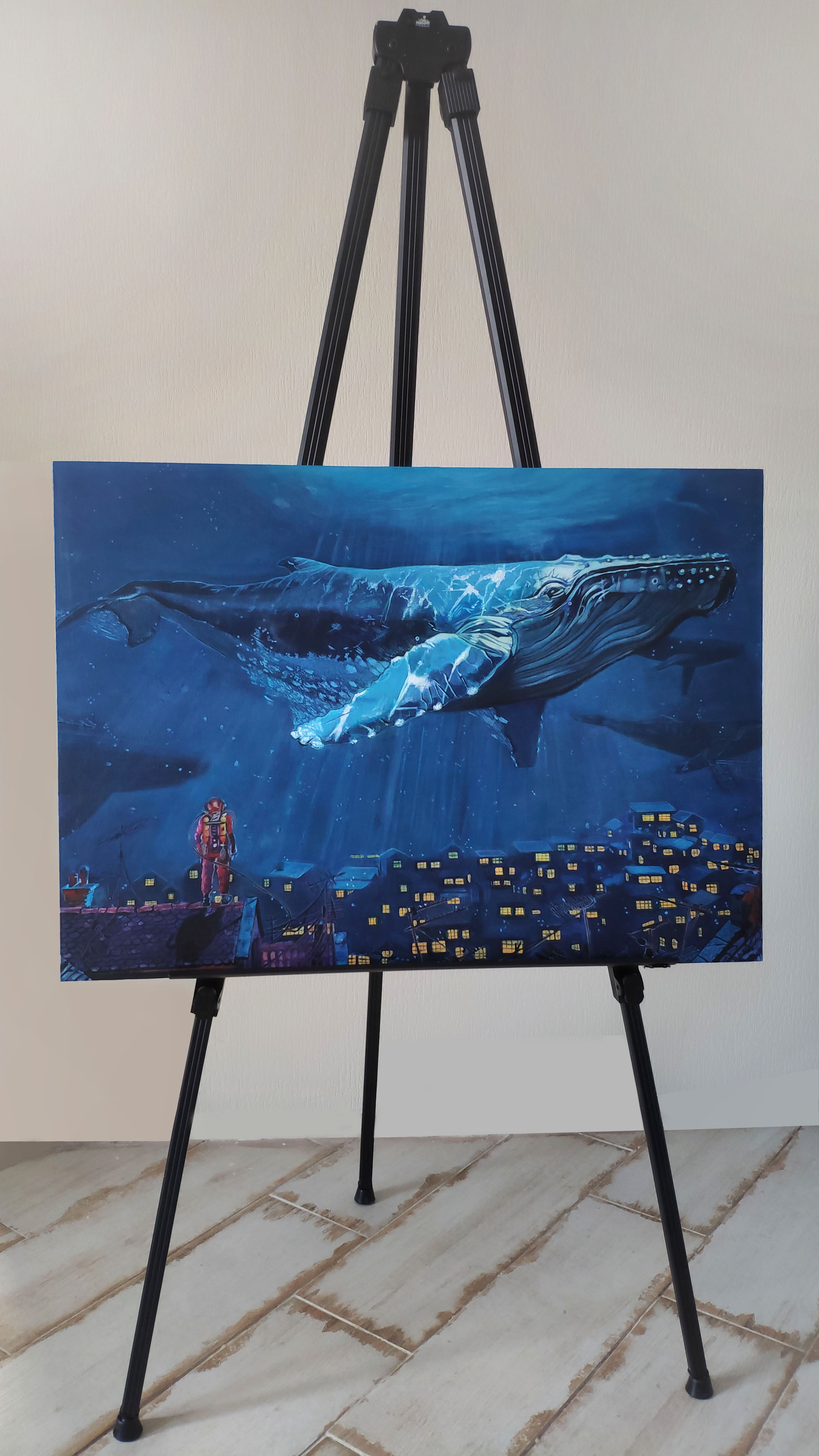
Some teachers collect coffee mugs. Some collect sticky notes, paper clips, or mysterious dry-erase markers that vanish like they owe rent. Me? I collect moments. And some of my favorite moments happen when I stand in front of a row of student paintings and think, Well, would you look at that?
I admire the paintings of my students not because every brushstroke is technically perfect, and definitely not because every tree is the exact right shade of tree-ish green. I admire them because student paintings are honest. They are brave. They are gloriously unfiltered. They are the visual equivalent of a child saying, “This is how I see the world,” and then tossing a handful of blue paint at the idea of perfection just to keep things interesting.
In a world that loves polished final products, classroom art reminds us that growth can be messy, joyful, awkward, colorful, and absolutely worth celebrating. That is why student paintings matter. They are more than classroom decorations. They are evidence of thought, feeling, experimentation, problem-solving, identity, and imagination. In other words, they are tiny masterpieces with paint under their fingernails.
Why Student Paintings Deserve Real Admiration
When I say I admire my students’ paintings, I mean it in the deepest sense of the word. Admiration is not empty praise. It is not saying, “Nice job!” while already thinking about lunch. Real admiration pays attention. It notices decisions. It honors effort. It respects the creative risks students take when they put color, shape, memory, and emotion onto paper or canvas.
Student paintings deserve admiration because they show us how young artists think. One student paints a purple sky because that is how sunset felt to her. Another fills the page with giant flowers because subtlety is apparently for people who do not own neon tempera paint. Another carefully mixes muddy colors for ten minutes, not because the outcome is polished, but because he is trying to figure out how shadow works. That attempt matters.
In art education, the process behind the painting is often just as meaningful as the final image. A finished piece may show a bright house, a cat, and three clouds that look suspiciously like potatoes. But behind that painting is a series of important learning moments: choosing colors, adjusting lines, solving visual problems, responding to feedback, and deciding when the work feels finished. That is a lot of thinking for one sheet of paper.
What I See When I Look At My Students’ Artwork
I See Confidence Beginning To Grow
One of the most powerful things about student artwork is that it often reveals confidence before students can say they feel confident. A child who hesitates to speak in class may paint boldly. A student who struggles with writing may tell an entire story through color and composition. A shy learner may suddenly become the authority on texture, contrast, or color mixing. Art gives students another language, and sometimes that language arrives before spoken confidence does.
That is why admiring student paintings matters so much. When a teacher responds with real interest, students begin to understand that their ideas have value. They start to believe that what they notice, imagine, and create belongs in the room. That shift is huge. It tells young artists, “You are not just completing an assignment. You are making meaning.”
I See Creative Risk-Taking
Every painting contains a risk. Maybe the student tried layering colors for the first time. Maybe she painted a face from memory and discovered that noses are much harder than cartoons promised. Maybe he used a giant brush when a small one would have felt safer. Those choices matter because creativity grows when students are allowed to experiment without fear that every mistake is a disaster.
Frankly, some of the best classroom paintings begin as happy accidents. A drip turns into rain. A smudge becomes a shadow. A color that “went wrong” suddenly becomes the most interesting part of the whole piece. That is one reason I admire student paintings: they often show flexibility, resilience, and creative problem-solving in action. Adults call it artistic development. Kids call it, “Wait, I think I can save this.”
I See Identity And Voice
Student paintings also reveal voice. They show what students care about, what they notice, what they fear, what they celebrate, and what they remember. One student paints a family dinner. Another paints a neighborhood basketball court. Another paints a dream with flying fish, giant moons, and one suspiciously confident raccoon. These choices are not random. They reflect personality, memory, culture, humor, and emotion.
That is why visual arts education matters. It gives students room to express what may not fit neatly inside a multiple-choice question. Through painting, they can communicate belonging, curiosity, frustration, pride, wonder, and joy. And when teachers admire that expression, they do more than compliment a picture. They validate a point of view.
How Teachers Should Admire Student Paintings
Admiring student art does not mean turning into a confetti cannon of vague compliments. Students deserve better than a robotic “Amazing!” pasted onto every project like a sticker that lost its purpose. If we want classroom art appreciation to truly help students grow, our responses must be specific, respectful, and focused on both process and meaning.
Be Specific, Not Generic
Instead of saying, “This is beautiful,” I try to say things like, “I noticed how you used warm colors to make the background feel energetic,” or, “You kept working on that texture even when it was tricky, and it really changed the painting.” Specific feedback tells students that their decisions matter. It encourages them to pay attention to their own craft.
Praise Effort, Strategy, And Growth
Young artists benefit when adults notice persistence, experimentation, and revision. Comments like, “You tried three versions before choosing this one,” or, “I can see you took a risk with your color choices,” help students connect success with effort and decision-making rather than fixed talent. That matters because students who believe art is only for the “naturally gifted” are more likely to give up the moment painting becomes difficult.
Ask Questions That Invite Reflection
Sometimes the best form of admiration is curiosity. I love asking, “What part are you most proud of?” or, “How did you decide on these colors?” or, “What do you want viewers to notice first?” These questions turn art appreciation into conversation. They help students reflect on their choices, articulate their intentions, and feel respected as creators.
The Classroom Benefits Of Celebrating Student Art
When teachers genuinely value student paintings, the effect reaches beyond the art table. Admiration shapes classroom culture. It helps create an environment where students feel safe taking risks, sharing ideas, and learning from one another. In a healthy classroom, artwork is not merely displayed. It is discussed, revisited, and treated as meaningful work.
There is also a strong connection between art and student engagement. Painting asks students to observe carefully, solve problems, and make choices. It develops patience, visual thinking, and expressive confidence. It can also strengthen community. Students learn to look at each other’s work respectfully, offer thoughtful comments, and appreciate differences in style and perspective. No two paintings should look exactly alike, and honestly, that is the whole party.
Displaying student art sends another powerful message: your work belongs here. Hallway exhibitions, bulletin boards, classroom galleries, and digital showcases all communicate that creative effort matters. When students see their paintings displayed with care, they understand that the school values more than neat handwriting and test prep. It values imagination too.
My Favorite Kinds Of Student Paintings
The Fearless Paintings
These are the works made by students who attack the page with confidence, energy, and possibly a complete disregard for clean sleeves. Their paintings are alive. They may not be delicate, but they are full of conviction. I admire them because they remind me that art should sometimes feel like a leap instead of a permission slip.
The Careful Paintings
Then there are the students who work slowly, thoughtfully, and with the concentration of tiny surgeons. They mix colors for ages. They step back. They adjust details. They think hard about placement. Their paintings may whisper instead of shout, but they carry discipline, intention, and focus. I admire those too.
The Unexpected Paintings
Some student paintings catch me completely off guard. A second grader paints a storm with emotional depth. A middle school student creates a cityscape with bold perspective. A quiet child suddenly produces a hilarious surreal scene featuring a taco in a tuxedo. These unexpected works remind me that talent appears in surprising ways, often when students are given room to experiment.
What Student Paintings Teach Me As A Teacher
My students’ paintings do not just tell me about them. They also teach me about myself. They remind me to slow down and really look. They challenge my adult instinct to rush toward outcomes. They help me remember that creativity is not always tidy, and learning is not always linear.
Sometimes a painting teaches me that a student needs more encouragement. Sometimes it shows me that a child who seems distracted is actually deeply observant. Sometimes it reminds me that humor belongs in the classroom, especially when someone paints a self-portrait with superhero eyebrows. Student artwork makes the invisible visible. It reveals interests, emotions, confidence levels, and ways of thinking that traditional assignments may never uncover.
Most of all, student paintings remind me that teaching is not just about instruction. It is also about witness. To teach well is to notice. To notice well is to admire. And to admire honestly is to tell students, “I see your effort, your choices, your voice, and your growth.” That message can stay with a child for years.
Common Mistakes We Should Avoid
If we want to honor student artwork well, there are a few traps worth avoiding. The first is overcorrecting every piece until it starts looking more like teacher art than student art. A painting should not need adult rescue every five minutes. Students deserve ownership of their work, including its imperfect and interesting parts.
The second mistake is rewarding only the neatest or most realistic paintings. That approach can quietly discourage originality. Some students think in patterns. Some think in stories. Some think in color explosions. If admiration goes only to polished realism, many young artists will assume their natural style has less value.
The third mistake is treating artwork as decoration without dialogue. Yes, hallway displays are lovely. But the deeper value comes from conversation. Students need to hear thoughtful feedback, share their intentions, and experience the classroom as a place where art is taken seriously.
Why I Will Keep Admiring The Paintings Of My Students
I will keep admiring the paintings of my students because they are full of courage. Every painting is a small act of trust. Students trust the page, the paint, and, if we are doing our job well, the people around them. They trust that their ideas can take shape in public. They trust that experimenting is allowed. They trust that being seen is safe.
That is no small thing.
I admire student paintings because they are evidence that imagination is still alive and kicking in a world that often tries to organize every child into neat categories. I admire them because they show effort, joy, confusion, growth, and personality. I admire them because they turn classrooms into communities of makers rather than factories of answers.
And yes, I admire them because sometimes they are genuinely brilliant. Not brilliant in a fancy gallery, monocle-wearing, “let us discuss the postmodern tension” sort of way. Brilliant in the purest way. Honest way. Human way. The kind of brilliance that says, “I made this, and it means something.”
That is why I stop and look. That is why I ask questions. That is why I smile at crooked houses, fierce sunsets, accidental textures, and wildly ambitious dragons. Because in every one of those student paintings, I see more than art. I see a young person learning to trust their own voice.
More Reflections And Experiences From The Classroom
Let me add this, because any teacher who has spent real time around paint water and drying racks knows the story does not end with one polished paragraph and a nice bulletin board. Admiring student paintings is also about daily experiences, tiny surprises, and the emotional weather of the classroom.
I remember one student who began the year saying, “I’m bad at art,” with the confidence of someone announcing an official government policy. During our first few painting lessons, he barely touched the page. Every brushstroke looked nervous. But as the weeks passed, he started layering colors, making bolder marks, and asking whether he could stay a few extra minutes to finish details. The day his painting was displayed, he stood in front of it pretending not to care. Then he circled back three times like a person casually walking past a bakery they absolutely plan to rob. That moment mattered. His painting had not just improved. His relationship with himself had changed.
Another student painted huge, dramatic skies every single chance she got. If the lesson was landscapes, sky. If the lesson was mood, extra sky. If the lesson was still life, somehow still sky. At first I laughed, but then I realized she was building a visual signature. She was discovering the subjects and colors that felt like hers. That is what admiration can protect. When teachers notice patterns in students’ work without shutting them down, students begin to recognize their own artistic identity.
I have also seen how student paintings help classmates understand one another. During critique sessions, students often notice details adults miss. One child says, “I like how this one feels quiet.” Another says, “That red makes it look like the picture is excited.” Those comments may sound simple, but they are acts of interpretation and empathy. They show students learning how to look carefully, respond thoughtfully, and respect creative differences.
Then there are the practical, hilarious realities of the art room. The student who uses twelve colors when two would do. The student who paints a moon green because “space needs variety.” The student who somehow gets acrylic on one elbow, one shoelace, and possibly a nearby chair. Even in those moments, admiration still has a place. Not admiration for chaos, exactly, but admiration for enthusiasm. You can teach technique. You can teach cleanup. It is much harder to teach genuine wonder once it has been flattened by fear.
Over time, these experiences have convinced me that student paintings are not side products of learning. They are learning made visible. They show courage in progress. They show problem-solving with color. They show that children and teens are often more perceptive, expressive, and inventive than adults expect. That is why I keep admiring them. Not out of politeness. Not out of routine. But because the paintings are worth admiring, and the students who make them are worth noticing.