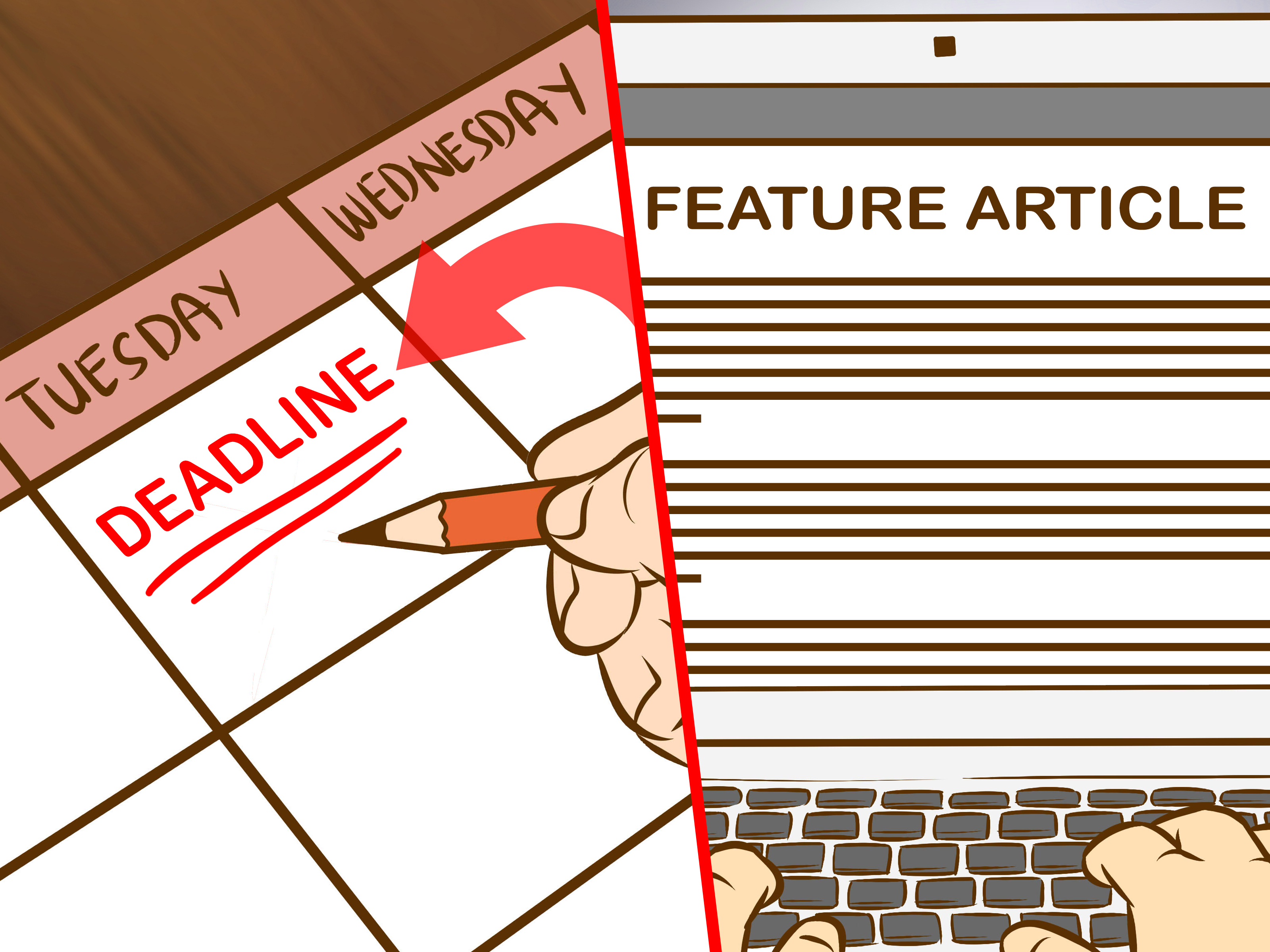
Writing a feature article is a little like hosting a dinner party. You need a strong opening, interesting guests, good timing, and enough substance to keep people from checking their phones under the table. Unlike straight news, a feature article is not just trying to answer what happened. It wants to show why it matters, what it feels like, and why a reader should care enough to stay until the last paragraph.
That is what makes feature writing both thrilling and mildly terrifying. You are not simply stacking facts like canned soup on a grocery shelf. You are shaping information into a story with movement, texture, voice, and purpose. Done well, a feature article informs readers while also making them feel something. Done poorly, it becomes a wandering paragraph parade wearing fancy shoes.
If you want to write a strong feature article from planning to finalizing, the secret is not magic. It is process. Good features usually begin long before the first sentence. They start with a smart angle, organized reporting, careful interviewing, a clear structure, and serious revision. The fun part is the writing. The hard part is earning it.
What Makes a Feature Article Different?
A feature article is usually more flexible, more human, and more narrative than a basic news report. It often focuses on people, trends, places, ideas, or issues in a deeper way. Instead of rushing to deliver only the essential facts, a feature can slow down enough to include scene, character, dialogue, context, and analysis.
That does not mean a feature gets to be messy. In fact, strong feature writing requires even more discipline than fast news writing. You still need accurate facts, clear attribution, and solid reporting. The difference is that you also need shape. A feature should have a point of view in the structural sense, not in the opinion sense. It needs a center. That center may be a person, a question, a conflict, a surprising detail, or a bigger idea that ties everything together.
Think of the feature article as journalism with a pulse. It still tells the truth, but it tells it in a way that breathes.
Step 1: Start With an Angle, Not Just a Topic
Many weak features begin with a broad topic and a vague sense of optimism. That is how writers end up with articles that say a lot without actually saying much. “Social media and teens,” “small-town diners,” or “remote work” are topics, not angles. A feature needs something sharper.
Find the story inside the subject
Ask yourself what is new, surprising, emotional, useful, or unresolved about the idea. A strong angle narrows the subject and gives the story direction. Instead of “small-town diners,” a better angle might be “How family-run diners are surviving rising food costs by shrinking menus but growing loyalty.” That version already contains tension, specificity, and stakes.
Before you report, write one sentence that explains what the story is really about. Not what it mentions. What it is about. If your sentence sounds blurry, the piece will probably sound blurry too.
Know what the reader should walk away with
Every feature should leave the reader with something clear. Maybe it is a new understanding, a fresh perspective, a practical takeaway, or an emotional realization. If you cannot explain why the story matters in plain language, the article is not ready for prime time.
A helpful test is this: if someone reads only your headline, first three paragraphs, and final section, will they still understand the main point? If not, your angle may still be hiding in the bushes.
Step 2: Plan the Reporting Before You Write a Word
Feature articles are won or lost during reporting. The draft only reveals how well you prepared. If your notebook is full of random quotes, disconnected facts, and one dramatic anecdote that you love too much, revision will feel like trying to assemble furniture with half the screws missing.
Build a reporting map
Before interviews begin, list what you need in four categories: facts, voices, context, and scenes. Facts include dates, numbers, timelines, names, locations, and documents. Voices are the people who can speak with authority, experience, or insight. Context explains the bigger issue around the story. Scenes are moments that help readers picture the action.
For example, if you are writing a feature about a public school robotics team in a low-income district, you may need competition results, school funding data, interviews with students and coaches, expert context on STEM access, and details from practice sessions or competition day. That is not overkill. That is the difference between depth and decorative fluff.
Create a simple source list
Try to include more than one type of source. Talk to the main subject, but also seek people around them: experts, critics, witnesses, family members, organizers, records custodians, and people affected by the issue. This gives your feature balance and prevents it from becoming a single-source admiration poem.
Write out the role of each source before contacting them. What can this person confirm? What can they explain? What perspective do they add? If a source cannot contribute something specific, they may not belong in the story.
Step 3: Interview for Depth, Not Just Quotes
Beginner writers often treat interviews like vending machines. Insert question, receive quote, move on. Strong feature writers do more. They interview for story. That means they look for character, conflict, chronology, motive, sensory detail, and turning points.
Ask questions that open doors
Start with broad questions, then move toward detail. Ask what happened, but also ask what changed. Ask what someone noticed first. Ask what they feared, expected, remembered, regretted, or almost missed. Good feature interviews often move from information to reflection.
Here are the kinds of questions that tend to work well:
What happened right before that?
What did the room look or sound like?
When did you realize this was different?
What surprised you most?
What do outsiders usually misunderstand about this?
Those questions pull out texture. And texture is where feature writing starts to feel alive.
Collect details responsibly
Specific details make readers trust a story. They also make scenes memorable. But details should be observed, verified, or clearly attributed. Do not invent mood. Do not guess what someone thought unless they tell you. Do not turn assumption into atmosphere just because it sounds literary. That road leads straight to editor side-eye.
Take careful notes on names, titles, spellings, ages, timelines, and direct quotes. When possible and permitted, record interviews. If you plan to describe a room, a routine, or a gesture, note it accurately in the moment. Features shine when details are true, not when they are merely shiny.
Step 4: Organize the Material Before Drafting
Once reporting is done, resist the urge to immediately type the opening line that arrived in a burst of dramatic confidence while you were brushing your teeth. First, organize the material.
Find the throughline
Look through your notes and ask what keeps repeating. Is the story really about reinvention, pressure, belonging, grief, ambition, burnout, loyalty, or survival? That recurring idea becomes your throughline. It helps you decide what belongs in the article and what should be cut, even if it is a beautiful sentence that you admire like a proud plant parent.
Choose a structure that fits the story
Not every feature should unfold the same way. Some work best in chronological order. Others are stronger when they open with a vivid scene and then widen into explanation. Some are built around a central question. Others move topic by topic. Choose the structure that makes the story easiest to understand and hardest to abandon halfway through.
A simple structure for many feature articles looks like this:
Opening scene or hook: Pull the reader in with action, surprise, tension, or vivid detail.
Nut graf: Explain what the story is about and why it matters.
Body sections: Expand with reporting, quotes, examples, and analysis.
Ending: Land on a detail, insight, or echo that feels earned.
If your feature has no structure, readers will feel it immediately. They may not know why the piece feels exhausting, but they will know they are tired.
Step 5: Write an Opening That Makes a Promise
The opening of a feature article should do more than sound pretty. It should make a promise about the kind of story readers are entering. That promise could be curiosity, emotion, tension, discovery, or revelation. The key is that the rest of the article must deliver on it.
Pick the right kind of lede
Anecdotal ledes are common in feature writing because they create immediacy. You drop the reader into a moment. But anecdotal does not mean random. The scene must point toward the larger story. Otherwise, it becomes decorative fog.
Other useful openings include a surprising fact, a striking observation, a contradiction, or a sharp line of scene-setting. Whatever route you choose, keep it focused. Even a stylish opening should not wander around looking for itself.
Do not forget the nut graf
After the opening, readers need orientation. This is where the nut graf comes in. It explains what the story is really about and why it matters now. In many feature articles, the nut graf appears within the first few paragraphs. It is the moment the story says, politely but firmly, “Here is why you should keep reading.”
A weak nut graf is vague. A strong one connects the human moment to the bigger meaning. If your opening shows one teenager building a robot in a crowded classroom, the nut graf might reveal that the story is about how underfunded schools are finding creative ways to expand STEM opportunities. Suddenly, the scene has purpose.
Step 6: Build the Middle With Evidence, Voice, and Momentum
The middle is where many feature articles sag. The opening had sparkle. The ending has ambition. The middle, meanwhile, is lying face-down on the carpet. To avoid that fate, every section should do a job.
Use scenes, quotes, and facts in balance
Scenes create movement. Quotes add human voice. Facts provide credibility. Analysis creates meaning. A good feature article uses all four. Too much scene, and the article turns soft. Too many facts, and it reads like a cheerful spreadsheet. Too many quotes, and it starts sounding like you outsourced the writing to everyone you interviewed.
Each paragraph should move the piece forward. Introduce a key point, support it with reporting, and transition clearly to the next section. Short paragraphs usually work better online because they create visual breathing room. Your reader should never feel trapped in a brick wall of text.
Paraphrase well and quote with purpose
Use direct quotes when the wording is distinctive, emotional, surprising, or especially revealing. Paraphrase when the information matters more than the exact phrasing. That keeps the article efficient and reduces the temptation to over-quote. When paraphrasing, truly rewrite the idea in your own words and keep track of the source carefully. Patchwriting is not clever. It is plagiarism wearing a fake mustache.
Step 7: Revise Like an Editor, Not a Proud Parent
First drafts are where you discover the story. Revision is where you make it readable. This stage matters just as much as reporting, because even strong material can be buried under repetition, throat-clearing, weak transitions, or self-indulgent lines that sounded brilliant at midnight and questionable by breakfast.
Cut what does not serve the story
Read the piece aloud. You will hear problems your eyes forgive. Look for repeated ideas, clunky phrasing, vague claims, and paragraphs that begin slowly. Cut filler like “it is important to note” and “in today’s society” unless you are actively trying to make your editor sigh.
Make every section answer one question: why is this here? If a paragraph does not deepen understanding, sharpen emotion, or advance the structure, it probably needs to go.
Fact-check everything
Finalizing a feature means verifying every name, number, date, title, quote, and description. Check spellings. Confirm statistics against original documents. Make sure the chronology is correct. Review whether each claim is properly sourced. Features often feel more relaxed than breaking news, but that is exactly why small inaccuracies can sneak in wearing slippers.
Also review tone. Are you fair? Are you precise? Did you attribute what should be attributed? Did you accidentally overstate something because it sounded better? The final draft should be both vivid and trustworthy.
Step 8: Finalize for Web Publishing
Writing the feature is only part of the job. If the article will be published online, presentation matters. The web rewards clarity, scannability, and relevance.
Use smart headlines and subheads
Your headline should be clear, accurate, and specific. It should promise value without sounding like a carnival barker. Good subheads help readers scan the article and understand where they are. They also give search engines more context about the piece.
Use your main keyword naturally in the title, one or two subheads, the introduction, and the conclusion. Add related secondary keywords where they fit. That means fit. Not crash through the wall waving a sign that says “SEO LIVES HERE.”
Polish for readability
Online readers appreciate short paragraphs, direct sentences, and clear organization. Use plain language unless a technical term is necessary. When you do use specialized language, explain it. Good feature writing is not about sounding expensive. It is about being memorable and easy to follow.
Common Mistakes That Hurt Feature Articles
Several errors show up again and again in weak feature writing. The first is beginning with a broad topic instead of a sharp angle. The second is collecting quotes without collecting scenes or evidence. The third is writing an opening that does not connect to the rest of the story. Another common mistake is delaying the nut graf for too long, which leaves readers wondering what exactly they signed up for.
Then there is the classic over-writing problem: too many adjectives, too much throat-clearing, and enough metaphor to start a weather system. Strong features do not need purple prose. They need strong reporting, sharp structure, and sentences that know where they are going.
Experience From the Real Writing Process
One of the most useful lessons writers learn about feature articles does not come from a textbook. It comes from messing up a draft, staring at it too long, and realizing the problem started much earlier than the writing itself. Usually, the issue is not that the writer suddenly forgot how to form sentences. It is that the reporting was too thin, the angle was too broad, or the structure was never decided in advance.
In real-world writing, planning saves enormous time later. Many writers have had the experience of falling in love with a dramatic opening, only to discover halfway through the article that the opening belongs to a different story than the one the reporting actually supports. That is humbling, but helpful. It teaches you that a feature article is not built by finding a clever first paragraph. It is built by finding a truthful center and then designing the article around it.
Another common experience is realizing that the best quote is not always the one with the most emotion. Sometimes the strongest line is the one that explains the issue cleanly, reveals a contradiction, or captures the subject’s personality in a way that the rest of the article can build on. Writers often gather pages of quotes and only use a few. That is normal. Reporting is partly about collecting more than you need so you can choose what truly serves the story.
Many feature writers also learn that organization becomes a survival skill. Notes pile up. Recordings multiply. Tabs breed like rabbits. Without a system, the story begins to feel larger and blurrier than it really is. Some writers sort material by scene, some by theme, some by chronology. The exact method matters less than having one. Once your material is organized, the feature becomes less mysterious. You can see where the gaps are, which sections need stronger evidence, and which details deserve a spotlight.
Revision brings its own education. A draft may look finished because it is long, but length is not completion. Writers often discover that the first five paragraphs can become two, that the middle needs reordering, or that the ending works better when it circles back to an early image. The best edits usually make the article feel more obvious in the best possible way. Readers should feel that the story unfolded naturally, not that the writer wrestled it into shape at 1:17 a.m. while bargaining with coffee.
Perhaps the most valuable experience of all is learning to separate ego from craft. A cut sentence is not a personal attack. A rewritten section is not proof of failure. Feature writing improves when writers become willing to ask hard questions of their own work. Is this clear? Is it accurate? Is this section here because the story needs it, or because I am attached to it? That kind of honesty turns decent articles into strong ones.
In the end, writing a feature article from planning to finalizing is rarely a smooth glide. It is more like careful carpentry with occasional moments of drama. But that is part of the appeal. You begin with a question, gather real voices and real facts, shape them into a meaningful structure, and polish the final piece until it feels inevitable. When the article finally clicks, the result is deeply satisfying. Not because it sounds fancy, but because it works.
Final Thoughts
A great feature article does not happen by accident. It grows from a clear angle, smart reporting, strong interviews, careful structure, and patient revision. Planning gives the story direction. Reporting gives it substance. Writing gives it life. Editing gives it authority.
If you remember nothing else, remember this: feature writing is not about decorating facts. It is about discovering the most meaningful way to present them. Start with purpose, report with curiosity, write with clarity, and revise with courage. That is how a feature article goes from idea to finished piece without losing its soul somewhere in paragraph nine.