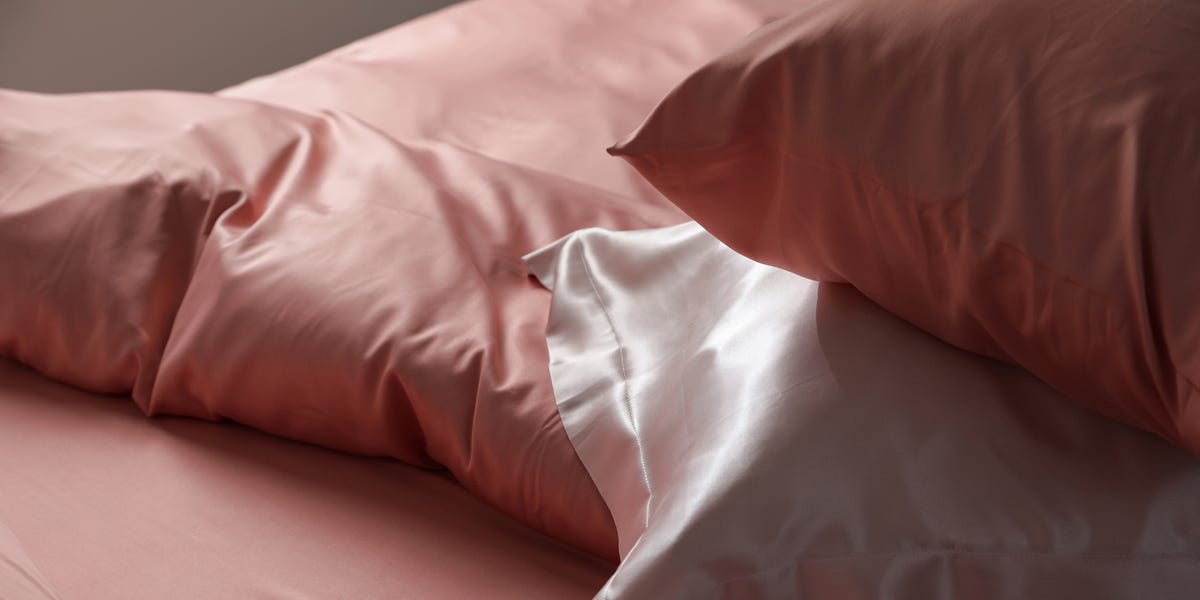
Silk pillowcases have a way of making bedtime feel like a five-star hotel experience, even if your nightstand currently holds three half-empty water glasses and a book you swear you are “almost finished” with. They are smooth, naturally elegant, and often loved for helping reduce friction on hair and skin. But when laundry day arrives, many people freeze. Can you wash silk pillowcases in the washing machine? Should you hand wash them? Will one wrong move turn your luxury pillowcase into a sad, wrinkled handkerchief?
The good news: washing silk pillowcases is not nearly as scary as it sounds. Laundry pros generally agree that most washable silk pillowcases can be cleaned at home as long as you use cool water, a gentle detergent, low agitation, and absolutely no rough treatment. Silk is a natural protein fiber, which means it needs care that is closer to “spa day” than “gym sock boot camp.”
This guide explains exactly how to wash silk pillowcases, how often to clean them, what detergent to use, how to remove stains, and what common mistakes to avoid. By the end, your silk pillowcase will still look luxuriousand you will not have to whisper an apology to it every time you pass the laundry room.
Why Silk Pillowcases Need Special Care
Silk is strong for its weight, but it is also sensitive to heat, harsh chemicals, friction, and aggressive spinning. Unlike cotton, which can usually survive a hot wash and a tumble dryer without holding a grudge, silk prefers cool water and gentle handling. The shiny surface of many silk pillowcases comes from a weave such as charmeuse, which can snag, dull, or crease if treated roughly.
That does not mean silk is impossible to clean. It simply means the usual “throw everything in and hope for the best” laundry strategy needs a small upgrade. A silk pillowcase collects sweat, skincare products, hair oils, dead skin cells, and dust just like any other pillowcase. Washing it regularly keeps it fresh, smooth, and pleasant to sleep on.
How Often Should You Wash Silk Pillowcases?
For most people, washing silk pillowcases once a week is a smart routine. If you use heavy night creams, hair oils, leave-in conditioner, self-tanner, or you sweat while sleeping, washing every three to four days may be better. Pillowcases sit directly against your face and hair for hours, so waiting too long can lead to buildup even if the fabric still looks clean.
Think of your silk pillowcase as a luxury surface with a very unglamorous job. It may look like something from a boutique hotel, but every night it deals with moisturizer, scalp oil, drool, and the occasional mystery smudge. Weekly washing keeps all of that from becoming a permanent guest.
Before You Wash: Read the Care Label First
The first rule of silk care is simple: check the care label. Most silk pillowcases are washable, but some may say “dry clean only.” If the label specifically says dry clean only, follow that instruction. If it says hand wash, machine wash cold, or delicate cycle, you can safely clean it at home with the right method.
Also check whether the pillowcase is 100% mulberry silk, silk satin, or a silk blend. Satin is a weave, not a fiber. A satin pillowcase may be made from silk, polyester, or another material. Real silk requires gentler care than polyester satin, so knowing what you own helps you choose the right wash routine.
What You Need to Wash Silk Pillowcases
You do not need a laboratory, a ceremonial bowl, or a laundry degree. You only need a few simple supplies:
- A gentle liquid detergent made for silk, wool, or delicates
- Cool water
- A clean sink, basin, or washing machine with a delicate cycle
- A mesh laundry bag if machine washing
- A clean white towel for removing excess water
- A drying rack or indoor clothesline
Choose a pH-neutral or silk-safe detergent when possible. Avoid bleach, oxygen bleach, enzyme-heavy detergents, fabric softeners, brighteners, and strong stain removers unless the product specifically says it is safe for silk. Silk does not enjoy chemical drama.
How to Hand Wash Silk Pillowcases
Hand washing is the gentlest way to clean silk pillowcases. It gives you control over temperature, movement, soaking time, and rinsing. If your pillowcase is expensive, new, dark-colored, or especially delicate, hand washing is usually the safest choice.
Step 1: Fill a Basin With Cool Water
Use cool water, not hot water. Hot water can weaken silk fibers, cause shrinkage, or dull the fabric’s natural sheen. Add a small amount of silk-safe detergent and swirl the water with your hand until it is evenly mixed. Do not pour detergent directly onto dry silk because concentrated detergent can leave marks.
Step 2: Submerge and Gently Swish
Place the pillowcase in the water and gently move it around. Swish it slowly for a few minutes. Do not scrub, twist, or attack it like it owes you money. Silk needs gentle agitation to release body oils and residue.
Step 3: Soak Briefly
Let the pillowcase soak for about three to five minutes. For very light soil, a shorter soak is enough. Avoid long soaking sessions, especially with dark or brightly colored silk, because dyes can sometimes release into the water.
Step 4: Rinse With Cool Water
Drain the soapy water and refill the basin with clean cool water. Rinse until the water runs clear and no detergent remains. Leftover detergent can make silk feel stiff or dull, so take your time with this step.
Step 5: Press Out Water With a Towel
Never wring silk. Instead, lay the pillowcase flat on a clean white towel, roll the towel gently, and press to absorb excess moisture. This removes water without stretching or twisting the fibers.
How to Wash Silk Pillowcases in the Washing Machine
Yes, many silk pillowcases can be machine washed. The trick is to reduce friction, heat, and agitation. Machine washing is convenient, but you should still treat silk like the VIP guest in the laundry load.
Step 1: Turn the Pillowcase Inside Out
Turning the pillowcase inside out helps protect the shiny outer surface from abrasion. It is a small step that can help preserve softness and luster over time.
Step 2: Use a Mesh Laundry Bag
Place the pillowcase in a fine mesh laundry bag. This protects it from rubbing against the washer drum or snagging on other items. If you do not have a mesh bag, wash the pillowcase alone or with other smooth, lightweight delicates.
Step 3: Choose Cold Water and the Delicate Cycle
Select the delicate, hand-wash, or silk cycle if your machine has one. Use cold water and the lowest spin setting available. A fast spin can crease silk deeply or stress the seams. If your washing machine has a center agitator, be especially careful and use the gentlest setting.
Step 4: Add Gentle Liquid Detergent
Use only a small amount of silk-safe detergent. More detergent does not mean cleaner silk; it often means more rinsing and more residue. Liquid detergent is usually easier to dissolve in cold water than powder.
Step 5: Remove Promptly
As soon as the cycle ends, remove the pillowcase. Do not let wet silk sit in the washer. Lingering moisture can lead to creases, odor, or dye transfer from other fabrics.
How to Dry Silk Pillowcases Correctly
The best way to dry silk pillowcases is to air dry them away from direct sunlight and heat. Lay the pillowcase flat on a drying rack or hang it over a smooth bar. Avoid wooden racks that might stain wet silk, and avoid metal clips that can leave marks.
Do not put silk pillowcases in a hot dryer. High heat can shrink silk, roughen the fibers, and reduce shine. Even low heat can be risky if the pillowcase tumbles for too long. Air drying is slower, yes, but it is much kinder. Silk is not being difficult; it is simply high-maintenance in the same way a fancy houseplant is high-maintenance.
Can You Iron or Steam Silk Pillowcases?
Silk can wrinkle after washing, especially if it was squeezed too hard or left bunched up. To smooth it, use a steamer or iron on the lowest silk setting. If ironing, turn the pillowcase inside out and place a clean pressing cloth between the iron and the silk. Press gently while the fabric is slightly damp, not soaking wet.
Never use high heat, and do not leave the iron sitting in one spot. A quick, gentle pass is enough. If you are nervous, steaming is usually safer than ironing because it reduces direct contact with the fabric.
How to Remove Stains From Silk Pillowcases
Stains happen. Skincare products, mascara, hair oil, lip balm, and the occasional bedtime snack can all leave marks. The most important rule is to treat stains quickly and gently.
For Skincare or Makeup Stains
Apply a tiny amount of silk-safe detergent to the stained area. Gently tap it in with your fingers and let it sit for about 10 to 15 minutes before washing. Do not scrub with a brush. Scrubbing can damage the weave and create a fuzzy spot.
For Oil-Based Stains
Hair oil, facial oil, and rich creams can be stubborn. Blot the area with a clean cloth first. Then use a mild detergent designed for delicates. Wash in cool water and repeat if needed. Do not use hot water, which can set certain stains and stress the silk.
For Sweat or Odor
If the pillowcase smells less than dreamy, wash it promptly with a silk-safe detergent. Some people use a small amount of white vinegar in rinse water for odor control, but always test first on an inside seam and avoid overdoing it. Too much acid can affect delicate fibers or dyes.
What Not to Do When Washing Silk Pillowcases
Silk care is mostly about avoiding a few bad habits. Here are the biggest mistakes laundry pros warn against:
- Do not use bleach or harsh stain removers.
- Do not wash silk in hot water.
- Do not wring, twist, or scrub the fabric.
- Do not tumble dry on high heat.
- Do not wash silk with towels, denim, zippers, hooks, or rough fabrics.
- Do not overload the washing machine.
- Do not use too much detergent.
- Do not dry silk in direct sunlight for long periods.
These mistakes can cause dullness, shrinkage, snags, discoloration, seam stress, or a rougher texture. In other words, they turn “luxury bedding” into “laundry regret.”
Best Detergent for Silk Pillowcases
The best detergent for silk pillowcases is gentle, liquid, pH-neutral, and made for delicate fabrics. Silk is a protein fiber, similar in care needs to wool, so detergents designed for silk and wool are often a good choice. Look for formulas that are free of bleach, optical brighteners, strong enzymes, and heavy fragrance if you have sensitive skin.
Avoid regular heavy-duty detergents when possible. They are designed to break down tough body soil on sturdy fabrics, but silk does not need that level of cleaning power. Using a mild detergent helps preserve the smooth feel and soft drape that make silk pillowcases worth owning in the first place.
Should You Wash Silk Pillowcases Separately?
Ideally, yes. Washing silk pillowcases separately or with similar delicates reduces friction and snagging. If you must combine items, choose lightweight, smooth fabrics in similar colors. Avoid anything with zippers, Velcro, hooks, rough seams, or heavy texture.
Color sorting matters, too. Dark silk can release a little dye, especially in early washes. White or pale silk can pick up color from darker items. When in doubt, wash separately and use a mesh bag. It is a tiny inconvenience compared with discovering your ivory silk pillowcase has become “accidental lavender.”
How to Store Silk Pillowcases
Once dry, store silk pillowcases in a cool, dry place away from direct sunlight. Fold them loosely rather than crushing them under heavy towels. If you have multiple silk pillowcases, rotate them so one is not washed and worn constantly while the others enjoy retirement-level leisure in the linen closet.
Make sure silk is completely dry before storing. Even slight dampness can cause musty odors. A breathable cotton storage bag is better than plastic if you are storing silk long-term.
Quick Silk Pillowcase Washing Routine
If you want the short version, here is the laundry-pro-approved routine:
- Read the care label.
- Pre-treat stains gently with silk-safe detergent.
- Hand wash in cool water or machine wash on delicate.
- Use a mesh bag if machine washing.
- Use a gentle liquid detergent.
- Do not wring, scrub, bleach, or tumble dry.
- Press water out with a clean towel.
- Air dry away from direct heat and sunlight.
Real-Life Experience: Washing Silk Pillowcases Without Panic
The first time you wash a silk pillowcase, it can feel strangely dramatic. There it is, soft and glossy, looking far too refined to share space with a washing machine that has previously handled muddy socks, kitchen towels, and one suspicious hoodie. Many people delay washing silk because they assume the process is complicated. In reality, the hardest part is resisting the urge to treat it like regular bedding.
One practical experience many silk pillowcase owners share is that hand washing feels more reassuring at first. You fill a basin with cool water, add a tiny amount of delicate detergent, and suddenly realize you do not need a mountain of suds. Silk does not need a bubble bath worthy of a cartoon. A little detergent goes a long way. After a few gentle swishes, the water may look slightly cloudy, which is a satisfying reminder that even beautiful bedding collects real-life grime.
The towel-rolling step is where the magic happens. Instead of twisting the pillowcase, you lay it on a clean towel, roll it up, and press. The towel absorbs moisture quickly, and the silk comes out damp rather than dripping. This step also helps prevent those sharp wrinkles that appear when wet silk is handled too roughly. It feels oddly professional, like you have unlocked a secret laundry skill that should come with a small certificate.
Machine washing can also work well once you trust the process. Turning the pillowcase inside out and placing it in a mesh bag makes the whole thing feel less risky. The delicate cycle, cold water, and mild detergent do most of the work. The key lesson is to avoid tossing silk into a mixed load with towels or jeans. That is not laundry efficiency; that is fabric bullying.
Another lesson comes from drying. Silk often looks wrinkled and unimpressive when it first comes out wet, which can cause mild panic. But once it air dries, much of its softness returns. Hanging it indoors or laying it flat away from sunlight usually produces the best result. A quick steam can freshen it even more. The pillowcase may not look showroom-perfect every single time, but it will feel clean, smooth, and comfortable.
Over time, washing silk pillowcases becomes routine. You learn to wash them weekly, treat stains quickly, and keep harsh products far away. You may even become the kind of person who says things like “use a pH-neutral detergent” at dinner parties. That is fine. Everyone needs a hobby.
The biggest takeaway from real-life silk care is this: gentle consistency beats occasional rescue missions. A silk pillowcase that is washed regularly with cool water and mild detergent will usually stay fresher and softer than one that is ignored for weeks and then aggressively cleaned. Treat it kindly, and it will keep bringing that smooth, cool, fancy-bed feeling to your nightly routine.
Conclusion
Learning how to wash silk pillowcases is mostly about slowing down and choosing gentler habits. Use cool water, a mild detergent, and a careful hand-wash or delicate machine cycle. Protect silk in a mesh bag, avoid harsh chemicals, press out water with a towel, and always air dry away from heat. With the right routine, your silk pillowcase can stay soft, smooth, and beautiful for a long time.
Silk may look delicate, but it does not need to be intimidating. Once you know what to doand what not to dolaundry day becomes simple. Your pillowcase gets clean, your hair and skin get their smooth sleeping surface back, and your laundry room gets to feel just a little more luxurious.
Note: This article synthesizes practical guidance from professional laundry-care experts, home-care publications, textile-care resources, and silk bedding brands. Always follow the care label on your specific pillowcase before washing.