Wouldn’t it be convenient if your brain had a secret “advanced mode” hiding behind a combination of mental buttons? Tap your forehead twice, solve a crossword backward, drink a suspiciously green smoothie, and suddenly you are composing symphonies while calculating mortgage interest in your head.
Unfortunatelyor perhaps reassuringlythat is not how the human brain works. You already use your entire brain, although different networks become more or less active depending on what you are doing. The realistic way to “use more of your brain” is to improve how efficiently you focus, learn, remember, solve problems, manage emotions, and protect your cognitive health over time.
The following 15 science-aligned tips can help you get more from the brain you already have. No miracle pills, telepathy lessons, or late-night infomercial headbands required.
First, Let’s Retire the 10% Brain Myth
The claim that humans use only 10% of their brains sounds exciting because it suggests that most of our mental power is sitting around doing nothing. Neuroscience does not support that idea. Brain-imaging research shows that many areas participate in everyday activities, and even apparently simple tasks involve coordinated networks for movement, perception, memory, language, emotion, and decision-making. You may not activate every neuron simultaneouslyand you would not want tobut you regularly use all major parts of your brain.
Your brain’s regions also have specialized responsibilities. The frontal lobes help with planning and decision-making, the temporal lobes support memory and language, the occipital lobes process vision, and deeper structures help regulate sleep, emotion, movement, and bodily functions. Getting “more” from your brain therefore means helping these systems communicate and perform wellnot discovering an unused neurological basement.
15 Ways to Use Your Brain More Effectively
1. Exercise Until Your Heart Notices
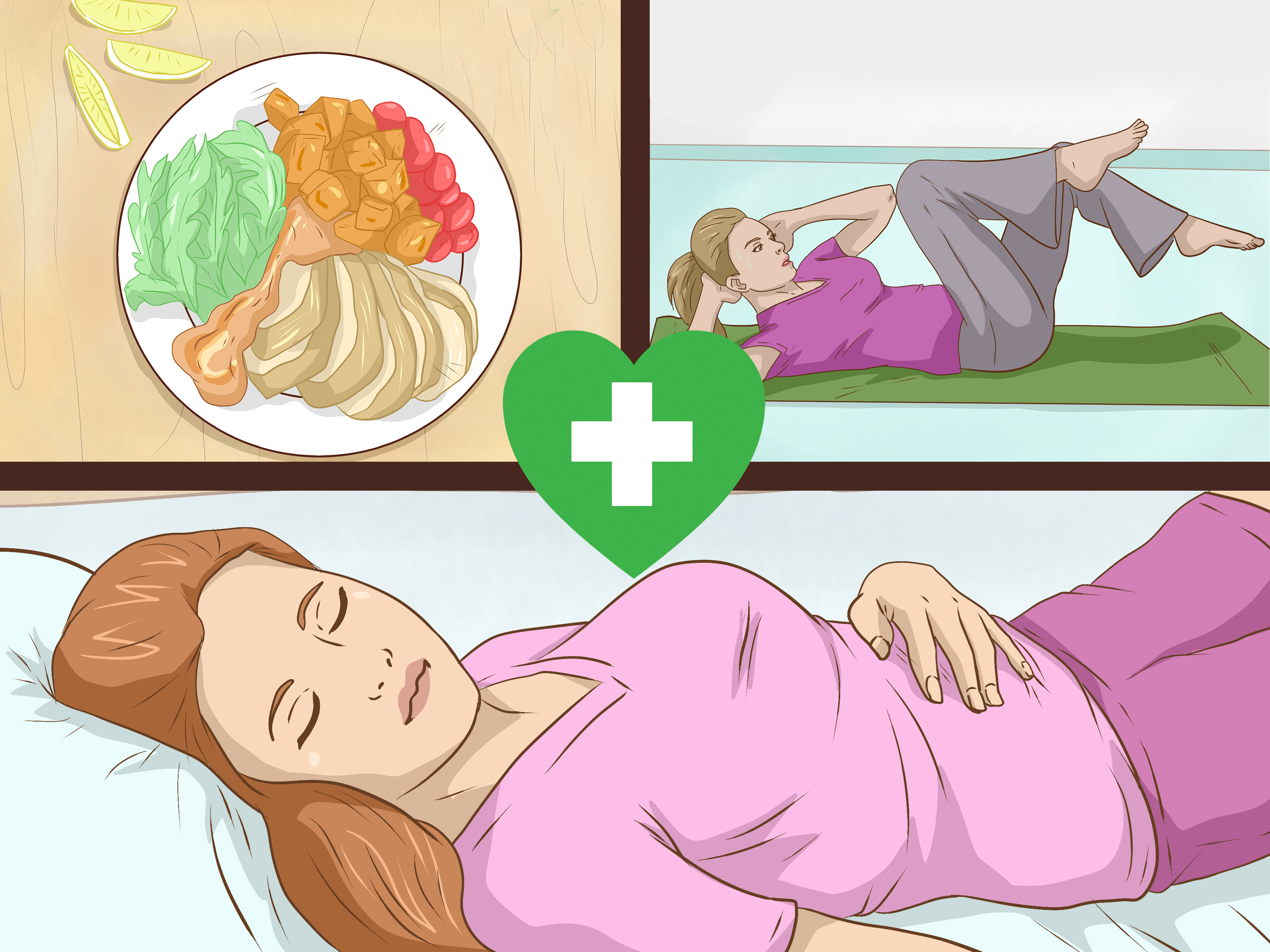
Physical exercise is one of the most reliable ways to support brain function. Movement increases circulation, supports cardiovascular health, improves mood, and may sharpen skills such as learning, judgment, problem-solving, and memory. Even a single session can help reduce anxiety and improve mental clarity.
Aim for a sustainable combination of aerobic activity and strength training. Brisk walking, swimming, dancing, cycling, and jogging all count. Start with a 10- or 20-minute walk if your current workout routine consists mainly of searching for the television remote. Consistency matters more than creating an athletic montage worthy of a sports movie.
2. Treat Sleep as Brain Maintenance
Sleep is not empty time. While you sleep, your brain processes information, strengthens memories, regulates emotion, and prepares itself to learn again. Sleep deficiency can make it harder to focus, react, solve problems, control impulses, and retain new information.
Most adults should regularly obtain at least seven hours of sleep, though individual needs vary. Keep a consistent schedule, reduce bright-screen exposure before bed, limit late caffeine, and make your bedroom quiet, dark, and comfortable. Studying until 3 a.m. may feel heroic, but a tired brain often files information in the mental equivalent of a junk drawer.
3. Learn Something That Feels Slightly Difficult
Your brain remains capable of changing in response to experience, a quality known as neuroplasticity. Challenging activities encourage the brain to build, strengthen, and reorganize connections. The activity should require genuine attention and gradual improvement rather than automatic repetition.
Try learning a language, playing an instrument, coding, drawing, gardening, dancing, or repairing something around the house. Choose a skill that is difficult enough to demand effort but not so difficult that you immediately decide to reorganize your sock drawer instead.
4. Use Active Recall Instead of Rereading
Rereading notes can create a pleasant illusion of mastery. The words look familiar, so your brain whispers, “Obviously, we know this.” A stronger approach is active recall: close the book and try to retrieve the information without looking.
After reading a section, write down the main ideas from memory. Explain the concept aloud, answer practice questions, or create flashcards that require you to produce an answer. Retrieving knowledge strengthens access to it and reveals what you have not yet learned.
5. Space Out Your Practice
Cramming may keep information alive long enough to survive a morning test, but spaced practice is more useful for lasting knowledge. Review material across several sessions, leaving time between them. Each attempt to retrieve partially faded information gives your memory another productive workout.
For example, review a new concept after one day, three days, one week, and two weeks. Adjust the intervals based on difficulty. This approach works for vocabulary, professional knowledge, names, procedures, musical passages, and almost any skill that improves through repeated retrieval.
6. Stop Asking Your Brain to Multitask
What people call multitasking is often rapid task-switching. Each switch requires your brain to disengage from one goal, locate the rules for another, and rebuild concentration. That process consumes time and mental energy, especially when both tasks are complicated.
Work in focused blocks. Silence unnecessary notifications, close unrelated browser tabs, and select one clear outcome for the next 25 to 50 minutes. Keep a sheet of paper nearby for distracting thoughts. Writing “buy toothpaste” takes three seconds; researching toothpaste technology for 40 minutes is how Tuesday disappears.
7. Eat for Your Heart and Brain
Your brain depends on a healthy circulatory system, so eating patterns that support the heart generally support the brain as well. Mediterranean-style and MIND-style patterns emphasize vegetables, fruit, berries, beans, whole grains, nuts, fish, and unsaturated fats while limiting heavily processed foods, added sugars, and excessive saturated fat.
You do not need a menu designed by a laboratory. Build meals around plants, include an appropriate protein source, favor minimally processed foods, and make nutritious choices convenient. Frozen vegetables count. Beans count. A blueberry does not lose its dignity because it came from the freezer.
8. Manage Blood Pressure and Metabolic Health
Brain health and cardiovascular health are closely connected. High blood pressure, diabetes, smoking, physical inactivity, and other vascular risk factors can affect the blood vessels that supply the brain. Managing these risks is not merely a future-retirement project; it is part of protecting attention, memory, and cognitive function throughout adulthood.
Know your blood pressure, cholesterol, and blood sugar levels. Attend regular medical appointments and follow professional treatment recommendations. Lifestyle habits are powerful, but they are not substitutes for prescribed medication when medication is needed.
9. Practice Mindfulness for Attention Control
Mindfulness meditation trains you to notice where your attention has gone and gently return it to the present. That basic cyclenotice, redirect, repeatis like a controlled attention drill. It may also help reduce stress and improve emotional regulation.
Begin with five minutes. Focus on breathing, bodily sensations, or surrounding sounds. When your mind wanders to dinner, deadlines, or an embarrassing conversation from 2014, acknowledge the thought and return to your chosen anchor. Wandering is not failure; noticing the wandering is the exercise.
10. Maintain Real Social Connections
Conversation requires memory, attention, language, emotional interpretation, and quick decision-making. Meaningful social activity therefore gives the brain a rich combination of cognitive stimulation and emotional support. Social connection may also reduce isolation, which is associated with poorer health outcomes.
Schedule regular conversations, join a club, volunteer, attend a class, or exercise with other people. Online communication can help, but passive scrolling is not the same as participating in a two-way relationship. Your cousin’s vacation photos may be lovely, but they do not automatically constitute social nourishment.
11. Use Music as a Whole-Brain Activity
Music recruits systems involved in hearing, movement, memory, attention, timing, and emotion. Listening can stimulate memories and affect mood, while actively playing or singing adds motor coordination, prediction, and real-time error correction.
Learn a simple instrument, sing with a group, clap complicated rhythms, or build playlists connected to different moods and memories. You do not need concert-level talent. The brain still gets a workout when your neighbors remain politely uncertain about your ukulele career.
12. Protect Your Hearing and Vision
When hearing or vision becomes impaired, the brain receives less complete sensory information and may have to devote more effort to interpreting it. Hearing difficulties can also make conversation exhausting and encourage social withdrawal.
Use hearing protection around loud equipment, keep headphone volume reasonable, obtain recommended eye examinations, and discuss persistent changes with a qualified professional. Corrective lenses and hearing devices are not signs that the brain has failed. They are tools that improve the quality of information reaching it.
13. Protect Your Head
A helmet will not make cycling photographs more glamorous, but it may protect the organ responsible for recognizing glamour. Wear appropriate protective gear for biking, skiing, contact sports, motorcycles, and work that carries a head-injury risk. Use seat belts, reduce fall hazards, and avoid driving while impaired or severely fatigued.
Brain optimization is not only about adding healthy behaviors. It is also about preventing avoidable damage. One well-fitted helmet may contribute more to lifelong cognitive health than a cabinet full of “genius” supplements.
14. Use External Memory Tools Without Shame
Using a calendar, checklist, alarm, map, notebook, or password manager does not make your memory weaker. It reduces the amount of routine information occupying working memory, leaving more mental capacity for judgment and problem-solving.
Create one reliable system rather than scattering reminders across six apps, three notebooks, and a sticky note attached to a banana. Keep appointments in one calendar, capture tasks in one list, and store important objects in consistent locations. A smart brain does not memorize everything; it decides what deserves memorization.
15. Combine Novelty, Difficulty, and Meaning
The best cognitive activities are usually new enough to attract attention, difficult enough to require effort, and meaningful enough to sustain motivation. A random puzzle can be useful, but learning something connected to your interests or goals is more likely to become a lasting habit.
Combine skills whenever possible. Learn recipes in another language, walk a new route while identifying plants, teach a child how to play chess, or join a dance class with friends. Varied, engaging experiences encourage the brain to coordinate multiple systems and apply knowledge flexibly. Mentally stimulating activities, education, creative hobbies, and unfamiliar experiences can all contribute to cognitive fitness.
A Simple Seven-Day Brain-Boosting Routine
You do not need to adopt all 15 strategies before breakfast tomorrow. Try this manageable one-week experiment:
- Day 1: Take a brisk 20-minute walk and establish a consistent bedtime.
- Day 2: Learn one small skill and test yourself without notes.
- Day 3: Complete one 40-minute, notification-free work session.
- Day 4: Prepare a meal built around vegetables, whole grains, and a healthy protein.
- Day 5: Practice five minutes of mindfulness and call someone you enjoy.
- Day 6: Play music, visit a new place, or try a different walking route.
- Day 7: Review what worked and schedule the habits you want to repeat.
The objective is not perfection. It is to create a combination of physical activity, restorative sleep, focused work, challenging learning, and meaningful connection that can survive normal life.
A Realistic Experience: What 30 Days of Better Brain Habits May Feel Like
Consider a typical office worker named Jordan. Jordan is not experiencing a medical memory problem, but daily life feels mentally cluttered. Work begins with email, continues through overlapping meetings, and ends with several half-finished tasks. Evenings involve scrolling through short videos until midnight, followed by the traditional morning ritual of bargaining with the alarm clock.
During the first week, Jordan makes only three changes: a 20-minute morning walk, a fixed 11 p.m. bedtime, and one distraction-free work block each afternoon. Nothing feels magical. There is no cinematic moment in which equations begin floating through the air. The most noticeable change is that starting work becomes slightly easier. By turning off notifications, Jordan finishes a report in one sitting instead of repeatedly reopening it throughout the day.
In the second week, Jordan begins learning conversational Spanish. Rather than rereading vocabulary lists, Jordan uses active recall, says answers aloud, and reviews difficult words across several days. The process initially feels harder than passive review. That difficulty is useful: it exposes exactly which words have not been learned. By the end of the week, Jordan can recall fewer words during each individual session than expected, but remembers more of them several days later.
Week three adds social and musical activity. Jordan joins a beginner community choir after years of insisting that singing ability peaked during elementary school. Rehearsal demands attention to rhythm, lyrics, breathing, and other singers. It is cognitively tiring, but in a satisfying way. The social element also makes attendance easier. Skipping a solo practice session is simple; disappearing when 20 people expect you is considerably more awkward.
There are setbacks. One late project leads to two short nights of sleep. Concentration drops, irritability rises, and Spanish practice feels unusually difficult. Instead of concluding that the entire experiment has failed, Jordan treats the experience as feedback. The brain is not a machine that produces identical output regardless of sleep, stress, and environment.
During the final week, Jordan creates a simple external memory system. Meetings go into one calendar, tasks go into one digital list, and keys always go into a tray near the door. This does not transform Jordan into a memory champion. It does stop the daily apartment-wide key investigation, freeing time and attention for more important decisions.
After 30 days, the biggest improvement is not raw intelligence. Jordan has not become a different person or unlocked supernatural abilities. The improvement is better mental availability. Important tasks receive longer periods of attention. New information is reviewed more effectively. Sleep is more predictable, exercise is more regular, and social activity feels energizing rather than optional.
That is what using more of your brain often looks like in real life: fewer preventable drains on attention, stronger learning methods, healthier physical foundations, and routines that allow cognitive abilities to appear when they are needed.
Conclusion: Better Habits Beat Brain-Boosting Hype
You cannot activate a hidden 90% of your brain because that unused reserve does not exist. You can, however, improve how effectively you use your attention, memory, judgment, creativity, and learning ability.
Exercise regularly, sleep consistently, challenge yourself, retrieve information from memory, protect focused time, eat well, manage cardiovascular risks, reduce chronic stress, and stay socially engaged. Add protective habits for your hearing, vision, and head, and use external tools to reduce unnecessary mental clutter.
The smartest strategy is not searching for one dramatic brain hack. It is building an environment in which your brain can repeatedly do its best work. That may sound less thrilling than unlocking telekinesis, but it is considerably more useful when you are trying to remember why you walked into the kitchen.
Note: This article provides general educational information and is not a substitute for medical evaluation. Sudden confusion, significant memory changes, speech difficulties, weakness, severe headaches, or cognitive problems that interfere with daily life should be discussed promptly with a qualified healthcare professional.