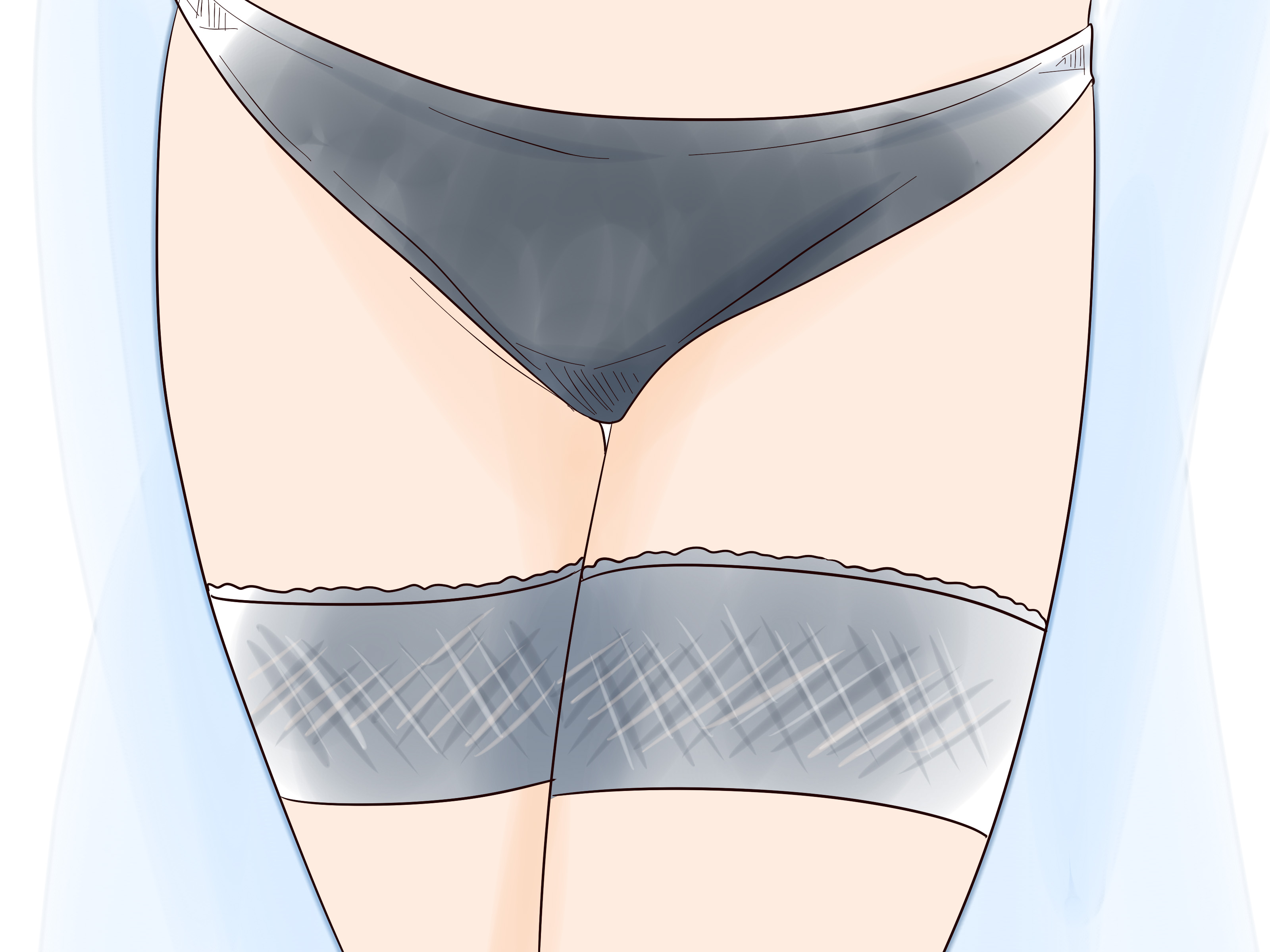
Chafing is one of those tiny skin problems with the confidence of a supervillain. One minute you are walking, running, traveling, working out, or simply surviving a hot day; the next minute your thighs, underarms, groin, bra line, feet, or waistline are staging a dramatic protest. The good news? Most mild chafing can be treated at home with simple, gentle care. The even better news? Once you understand what caused it, you can usually prevent the sequel.
Chafing happens when repeated friction rubs the skin against skin, clothing, straps, pads, shoes, or gear. Sweat, heat, moisture, tight seams, rough fabrics, and long activity sessions can make the irritation worse. Chafed skin may feel tender, hot, raw, itchy, or stingy. It can look red, darker than usual, shiny, cracked, or slightly swollen. In more severe cases, the skin may break open, blister, ooze, crust, or become infected.
This guide explains how to treat chafing in 14 practical steps, using plain-language skin care advice that works for everyday life, workouts, travel, summer heat, and sensitive areas. No magic potion required. Just clean skin, less friction, smart moisture control, and a little patience.
What Causes Chafing?
Chafing is mainly caused by friction. Think of it as your skin being sandpapered by repetition, except the sandpaper is usually your own clothing, sweat, or another patch of skin. Common triggers include walking long distances, running, cycling, hiking, wearing tight or damp clothes, carrying backpacks, using sports gear, wearing poorly fitted shoes, or sweating in skin folds.
Chafing can happen to anyone. It is not a sign that something is “wrong” with your body. Bodies move, sweat, bend, and rub. That is normal. The goal is not to blame your skin; the goal is to give it better conditions so it can heal.
How to Treat Chafing: 14 Steps
1. Stop the Friction Immediately
The first step in treating chafing is to stop whatever is rubbing the skin. Continuing to walk, run, cycle, or wear the same irritating clothing can turn a mild rash into a raw, angry patch that makes every step feel like a bad life choice.
If you are exercising, pause and check the area. Change position, adjust clothing, remove a rubbing strap, switch socks, or add a soft barrier if you must keep moving. If the chafing is on your thighs, underarms, chest, feet, or waistline, reducing friction right away gives your skin a better chance to calm down.
2. Wash the Area Gently
Once you can, clean the chafed skin with lukewarm water and a mild, fragrance-free cleanser. Use your hand, not a rough washcloth. Chafed skin already feels betrayed, so do not scrub it like a dirty pan.
Gentle cleaning removes sweat, salt, bacteria, dirt, and product residue. This helps prevent further irritation and lowers the chance of infection if the surface of the skin has been damaged. Avoid harsh soaps, alcohol-based wipes, scented body washes, exfoliating acids, and anything labeled “tingly.” Tingly is not always your friend.
3. Pat Dry Instead of Rubbing
After washing, pat the area dry with a clean, soft towel. Do not rub. Rubbing adds more friction, which is exactly how this tiny disaster began.
If the area is in a skin fold, such as the groin, under the breasts, belly fold, or inner thighs, let it air-dry for a few extra minutes. A cool fan or a hair dryer on the cool setting can help dry moisture-prone areas. The goal is clean, dry skin before applying any ointment or barrier cream.
4. Apply a Cool Compress for Comfort
If the skin feels hot, stinging, or inflamed, apply a cool compress for 10 to 15 minutes. Use a clean cloth dampened with cool water. This can reduce discomfort and calm irritation.
Do not apply ice directly to chafed skin. Direct ice can irritate or damage the skin barrier, especially if the area is already raw. Cool and gentle is the winning combination.
5. Protect the Skin With Petroleum Jelly
Petroleum jelly is one of the simplest treatments for chafed skin. It creates a protective layer that reduces rubbing, locks in moisture, and helps the damaged skin barrier recover. Apply a thin layer after cleaning and drying the area.
This works well for mild chafing on thighs, underarms, feet, waistbands, and areas where clothing continues to touch the skin. You do not need to frost yourself like a cupcake. A thin, even layer is enough.
6. Use Zinc Oxide for Raw or Moist Areas
Zinc oxide cream, often used for diaper rash, can be helpful when chafed skin is irritated, damp, or located in a fold. It forms a thicker protective barrier than many lotions and helps shield the skin from moisture and friction.
This is especially useful for inner thigh chafing, groin chafing, buttock chafing, and irritation under the breasts. Because zinc oxide can be thick and white, it may not win any fashion awards, but irritated skin rarely cares about glamour.
7. Keep the Area Dry but Not Over-Dried
Moisture makes friction worse, so keeping chafed areas dry is important. Change out of sweaty clothes quickly. Wear clean, dry underwear and socks. Let skin folds breathe when possible.
That said, do not attack the skin with harsh drying products. Over-drying can crack the skin and slow healing. If you use powder, choose it carefully and apply lightly to nearby friction-prone areas, not into open or broken skin. Avoid talcum powder around babies and avoid inhaling powders. For many people, moisture-wicking clothing and barrier ointments are safer, cleaner, and less messy.
8. Choose Loose, Breathable Clothing While Healing
While chafing heals, wear loose, soft, breathable clothing. Rough seams, tight waistbands, stiff denim, damp workout gear, and scratchy fabrics can restart the friction cycle.
For thigh chafing, consider soft shorts, leggings, or anti-chafing bands that create a smooth layer between the thighs. For underarm chafing, choose shirts that do not pinch or rub. For foot chafing, switch to clean moisture-wicking socks and properly fitted shoes. Your skin is basically asking for a temporary peace treaty.
9. Cover Broken Skin With a Clean Dressing
If the chafed area is open, bleeding lightly, blistered, or likely to rub against clothing, cover it with a clean, nonstick dressing or soft bandage. This protects the area while it heals and reduces contact with fabric.
Change the dressing daily or whenever it becomes wet or dirty. Avoid adhesive directly on raw skin when possible. If the chafing is on the feet, thighs, or chest, a soft dressing can make movement much more comfortable.
10. Avoid Scented Lotions and “Active” Skin Care Ingredients
When skin is chafed, pause products with fragrance, alcohol, retinoids, exfoliating acids, acne treatments, strong deodorants, and heavily perfumed lotions. These may sting and worsen irritation.
Use simple products: mild cleanser, petroleum jelly, zinc oxide, fragrance-free moisturizer, or a dermatologist-recommended barrier cream. This is not the moment for your skin care routine to audition for a chemistry degree.
11. Consider 1% Hydrocortisone for Itchy Inflammation
If the chafed area is very itchy, red, and inflamed but not open, a thin layer of over-the-counter 1% hydrocortisone cream may help for a short time. Use it according to the package directions, usually for only a few days unless a healthcare professional says otherwise.
Do not apply hydrocortisone to deep open wounds, infected-looking skin, or sensitive areas without medical guidance. Avoid long-term use because steroid creams can thin the skin when overused. If symptoms keep returning, the problem may be more than simple chafing.
12. Treat Possible Yeast or Fungal Rash Correctly
Sometimes what looks like chafing is actually intertrigo, yeast overgrowth, jock itch, or another fungal rash. This is more likely in warm, moist folds such as the groin, under the breasts, between belly folds, or between the buttocks. Clues may include intense itching, a bright red rash, scaling, small surrounding bumps, odor, or a rash that does not improve with basic barrier care.
If a fungal rash is likely, an over-the-counter antifungal cream may help, but it is best to ask a pharmacist or healthcare professional if you are unsure. Using the wrong product can delay healing. For example, steroid cream alone may make some fungal rashes worse.
13. Watch for Signs You Need Medical Care
Most mild chafing improves within a few days with home care. Contact a healthcare professional if the area becomes increasingly painful, swollen, warm, or red; if you see pus, spreading streaks, fever, or worsening drainage; if the skin is deeply cracked or bleeding; or if the rash does not improve after several days.
You should also get medical advice if chafing keeps coming back in the same place, affects a baby, occurs with diabetes or immune system problems, or appears in a sensitive area and you are unsure what caused it. Chafing is common, but persistent or infected skin irritation deserves a proper look.
14. Prevent the Next Round Before It Starts
Once the skin starts healing, prevention becomes the main event. Before walking, running, hiking, cycling, traveling, or working in heat, apply an anti-chafing balm, petroleum jelly, or barrier cream to friction-prone areas. Choose moisture-wicking clothing for exercise, avoid rough seams, wear well-fitted shoes, and change out of damp clothes quickly.
For recurring thigh chafing, fitted shorts or soft leggings can reduce skin-on-skin friction. For runner’s nipple, adhesive covers or a lubricant can help. For backpack or bra-line chafing, check fit and adjust straps. For foot chafing, socks and shoe fit matter more than heroic suffering. Your feet do not give medals for blisters.
Best Products and Home Remedies for Chafing
The best chafing treatment products are usually simple. Petroleum jelly helps reduce friction and protect healing skin. Zinc oxide cream creates a thicker barrier for damp or irritated areas. Fragrance-free moisturizer can support the skin barrier once the rawness calms down. Nonstick gauze or soft bandages protect broken skin. Anti-chafing sticks and balms are helpful before activity.
Some people use aloe vera, shea butter, or coconut oil for mild irritation. These may feel soothing, but they are not ideal for everyone. Natural does not always mean non-irritating. If a product burns, stings, causes bumps, or makes the area more red, stop using it.
How Long Does Chafing Take to Heal?
Mild chafing may feel better within 24 to 48 hours once friction stops. More irritated or broken skin may take several days to a week. Healing depends on how raw the skin is, whether the area stays dry, whether clothing keeps rubbing it, and whether infection or fungal overgrowth is present.
The fastest way to heal chafing is not to “tough it out.” It is to remove friction, clean gently, dry well, protect the skin, and avoid repeat irritation. Skin heals best when you stop making it file official complaints.
Common Chafing Areas and What to Do
Inner Thigh Chafing
Inner thigh chafing is common during walking, running, summer heat, and travel. Treat it with gentle cleansing, drying, petroleum jelly or zinc oxide, and soft clothing. Prevent it with anti-chafing balm, compression shorts, slip shorts, or breathable leggings.
Groin Chafing
Groin chafing needs extra gentleness because the area is warm and sensitive. Keep it clean, dry, and protected. Wear breathable underwear and avoid tight, damp clothing. If itching, odor, scaling, or a spreading rash appears, consider the possibility of a fungal infection and seek advice.
Underarm Chafing
Underarm chafing can come from shirt seams, arm movement, sweat, or deodorant irritation. Wash gently, avoid scented deodorant until healed, and wear softer tops. A small amount of barrier balm before activity may help.
Foot Chafing
Foot chafing often leads to blisters. Keep blisters clean and protected. Avoid popping them if possible, because intact skin helps guard against infection. Check shoe fit, sock fabric, and moisture control before your next long walk or workout.
What Not to Do With Chafed Skin
Do not scrub chafed skin. Do not apply alcohol, hydrogen peroxide, strong antiseptics, perfume, or exfoliating acids. Do not keep exercising through severe pain. Do not wear the same sweaty clothing all day. Do not ignore signs of infection. And please do not treat the area with random internet experiments from someone named “SkinWizard3000.” Your skin deserves better.
Also avoid layering too many products at once. A simple routine is usually best: clean, dry, protect, rest. If you use five creams, two powders, and a mystery oil, it becomes harder to know what is helping and what is irritating.
Real-Life Experiences: Lessons From Treating Chafing
Chafing tends to teach people through experience, usually at the least convenient time. One common story is the “vacation walk mistake.” Someone packs cute shoes, explores a city for six hours, and discovers that fashion and friction have formed an evil alliance. By the end of the day, the inner thighs or heels are raw. The lesson is simple: test clothing and shoes before long travel days. Add anti-chafing balm before leaving the hotel, not after your skin starts negotiating surrender.
Another familiar experience happens during summer workouts. A person starts running in cotton shorts and a loose T-shirt. At first, everything feels fine. Then sweat builds up, the fabric gets heavy, seams start rubbing, and the skin becomes red and tender. The fix is not complicated: switch to moisture-wicking clothing, choose smoother seams, apply a barrier product before exercise, and change clothes right after finishing. Cotton is comfortable for relaxing, but during sweaty movement it can hold moisture like a clingy ex.
Parents and caregivers often learn about chafing through diaper areas, skin folds, or clothing that rubs during hot weather. The experience can be stressful because irritated skin looks dramatic. Gentle cleaning, frequent changes, air time, and a protective barrier are usually the foundation of care. The important lesson is to avoid over-cleaning. Scrubbing a rash every hour may feel helpful, but it can make irritation worse. Gentle and consistent beats aggressive and panicked.
People who hike or work outdoors often deal with chafing from backpack straps, waistbands, socks, or damp clothes. The best outdoor lesson is to act early. A tiny hot spot on the foot, shoulder, or thigh is a warning light. Add padding, adjust the strap, change socks, dry the area, or apply lubricant before the skin breaks. Waiting until the end of the trail may turn a small irritation into a painful souvenir.
There is also the “new clothing betrayal.” A new pair of jeans, a sports bra, a swimsuit, or underwear may seem comfortable in the mirror but become a friction machine after movement. This is why testing new clothes before a long event matters. Wear them around the house or for a short walk first. Check seams, tags, elastic, and areas where the fabric bunches. Your skin will tell you the truth faster than the fitting room lighting.
For people with recurring thigh or groin chafing, the biggest breakthrough is often prevention, not treatment. Keeping a small anti-chafing stick, petroleum jelly, or barrier balm in a gym bag, backpack, or travel pouch can save the day. Applying it before a long walk, sports practice, theme park visit, or hot commute may prevent hours of discomfort. It is the skin-care version of bringing an umbrella when the forecast looks suspicious.
Another practical lesson is that not every rash is simple chafing. If the rash is very itchy, has a strong odor, spreads, forms small bumps around the edges, or keeps returning, it may involve yeast, fungus, eczema, contact dermatitis, or another skin condition. In that case, repeating the same chafing routine may not solve the problem. Getting the right diagnosis can save time, money, and a lot of awkward waddling.
Finally, people who successfully manage chafing usually build a personal system. They know which shorts work, which socks cause problems, which deodorant stings, which balm stays put, and which shoes need a break-in period. Treating chafing is partly medical and partly detective work. Once you identify your triggers, you can prevent most flare-ups before they turn into a tiny skin soap opera.
Conclusion
Chafing may be common, but that does not mean you have to suffer through it. The best way to treat chafing is to stop friction, clean the area gently, dry it thoroughly, protect it with petroleum jelly or zinc oxide, wear soft breathable clothing, and give your skin time to repair. If the skin is broken, cover it with a clean dressing. If the rash spreads, worsens, oozes, or does not improve, get medical advice.
The big secret is prevention. Once you know where your skin tends to rub, you can prepare before long walks, workouts, travel days, sports, hot weather, or new clothing adventures. A little balm, the right fabric, and quick moisture control can make the difference between a comfortable day and a very dramatic walk home.