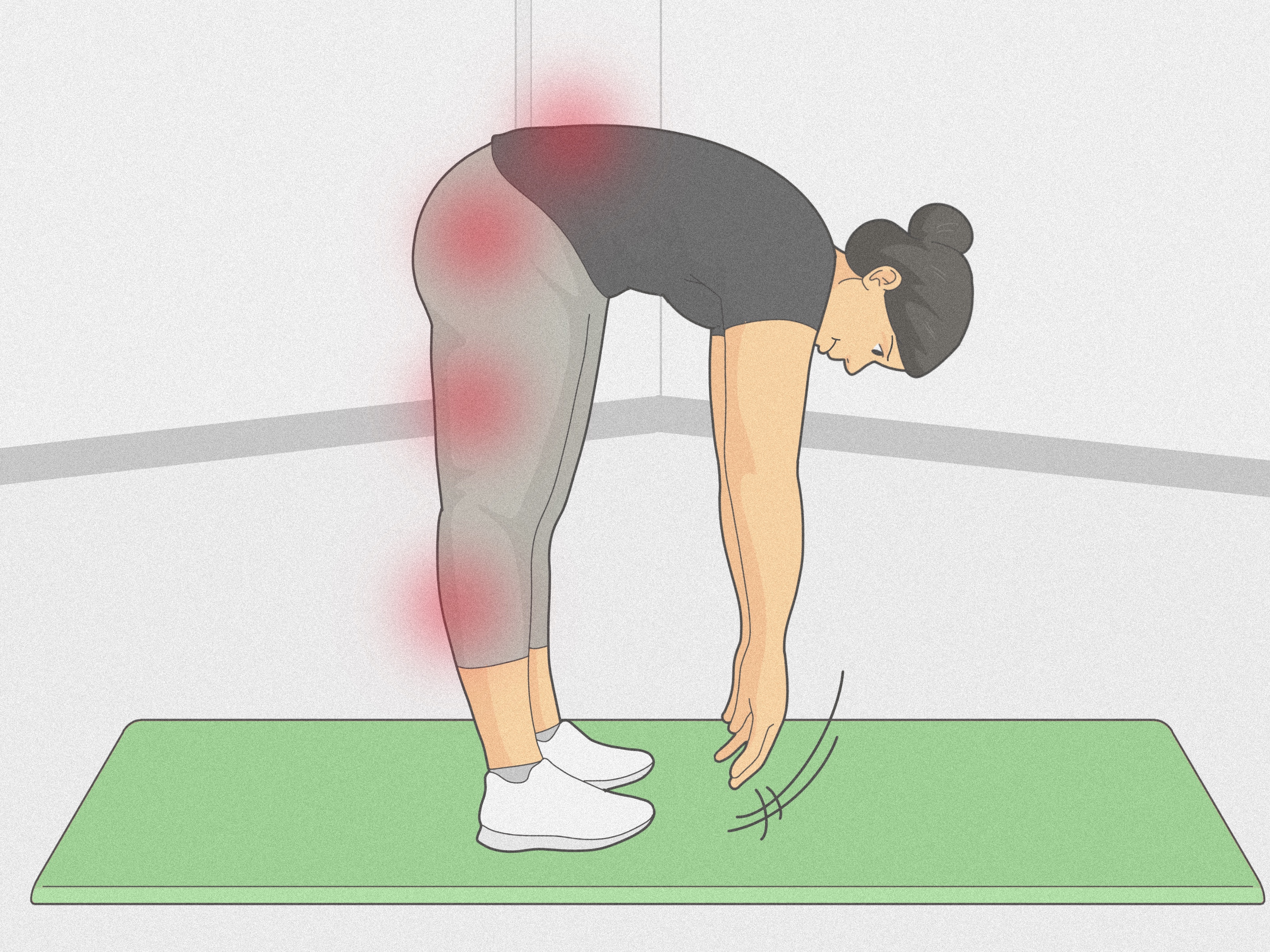
Touching your toes looks simple until your hamstrings suddenly file a formal complaint, your lower back locks the door, and your calves behave like guitar strings tuned by a stressed-out squirrel. The good news? You do not need to be a gymnast, yogi, or person who casually folds like a lawn chair to improve your toe touch. You need the right stretches, a little patience, and a plan that respects how your body actually moves.
The ability to touch your toes is not just about “being flexible.” It depends on hamstring flexibility, hip mobility, calf length, lower back comfort, core control, and even how well you know how to hinge from your hips. Many people think they cannot reach their toes because they are “stiff forever,” but in many cases, they simply have not practiced the movement in a smart, consistent way.
This guide explains how to touch your toes safely, which stretches help the most, common mistakes to avoid, and how to build a realistic routine. Whether your fingertips already graze your shoes or your hands are currently waving at your knees from a safe distance, progress is possible.
Why Can’t I Touch My Toes?
If you cannot touch your toes, your body is not broken. It may simply be tight, protective, tired, or unfamiliar with the position. The toe touch requires several areas to cooperate at once. If one part refuses to join the team meeting, the whole movement feels limited.
1. Tight Hamstrings
The hamstrings run along the back of your thighs and play a major role in bending forward. When they are tight, your pelvis may struggle to tilt forward, making your reach feel short and stiff. This is one of the most common reasons people cannot touch their toes.
2. Stiff Calves
Your calves may seem far away from your fingertips, but they matter. Tight calves can limit ankle mobility and add tension through the back of the legs. If your calves feel like concrete after long walks, running, or standing all day, they may be quietly sabotaging your toe touch.
3. Limited Hip Mobility
A good toe touch is not just a spine bend. It is mostly a hip hinge. Your hips should fold while your spine stays long and relaxed. If your hips are stiff, your lower back may try to do too much work, which is a fast way to turn a stretch into an argument.
4. Lower Back Tension
Some people feel the toe touch mostly in the lower back. Gentle stretching can help, but sharp pain, numbness, tingling, or pain that travels down the leg should not be ignored. In those cases, it is smart to stop and speak with a qualified health professional.
5. Poor Technique
If you yank yourself downward, bounce aggressively, hold your breath, or round your back like a frightened cat, your body may tighten instead of relax. Flexibility improves best when your nervous system feels safe. Translation: be kind to your hamstrings, and they may stop acting like grumpy security guards.
How Long Does It Take to Touch Your Toes?
There is no universal timeline. Some people notice improvement within a week or two. Others need several weeks or months, especially if they have been sitting for long hours, recovering from inactivity, or dealing with long-term tightness. The important part is not forcing a deadline. Flexibility responds to regular practice, not heroic one-day stretching marathons.
A realistic goal is to stretch for 5 to 10 minutes most days of the week. Short, consistent sessions usually work better than one dramatic weekend routine where you try to become a pretzel before Monday. Your body appreciates reminders, not ambushes.
Before You Stretch: Warm Up First
Stretching cold muscles can feel unpleasant and may increase your chance of overdoing it. Before your toe-touch routine, spend 3 to 5 minutes warming up. You can walk around the room, march in place, do gentle bodyweight squats, or move through easy leg swings. The goal is simple: increase circulation and tell your muscles, “Relax, we are not being chased.”
After warming up, use slow breathing. Inhale through your nose, exhale as you ease into the stretch, and avoid holding your breath. A good stretch feels like mild to moderate tension. It should not feel sharp, electric, pinching, or painful.
The Best Stretches to Help You Touch Your Toes
The following stretches target the hamstrings, calves, hips, glutes, and lower back. You do not need to do all of them every day. Choose four to six, practice consistently, and track how your toe touch changes over time.
1. Standing Forward Fold
This is the classic toe-touch stretch, but the secret is to do it gently. Stand with your feet hip-width apart. Soften your knees slightly. Hinge from your hips and let your torso fold forward. Let your arms hang toward the floor, your shins, or your toes. Do not force your hands down.
Hold: 20 to 30 seconds. Repeat 2 to 3 times.
Tip: Bend your knees more if your lower back feels strained. Over time, you can slowly straighten your legs while keeping the stretch comfortable.
2. Seated Hamstring Stretch
Sit on the floor with one leg extended and the other bent so the sole of your foot rests near your inner thigh. Sit tall, then hinge forward from your hips toward the extended leg. Reach for your shin, ankle, or foot without collapsing your chest.
Hold: 30 seconds per side. Repeat 2 times.
Why it helps: This stretch isolates one hamstring at a time, making it easier to notice differences between your left and right sides.
3. Supine Hamstring Stretch With a Towel
Lie on your back with both knees bent. Loop a towel, strap, or belt around one foot. Slowly lift that leg toward the ceiling while holding the towel. Keep the knee slightly bent if needed. Pull gently until you feel a stretch in the back of your thigh.
Hold: 30 to 60 seconds per side.
Tip: Keep your lower back relaxed against the floor. This is a great stretch for beginners because the floor supports your spine.
4. Wall Hamstring Stretch
Lie near a wall or doorway. Place one heel on the wall and keep the other leg extended on the floor or bent for comfort. Gently straighten the raised leg until you feel a stretch along the back of the thigh.
Hold: About 30 seconds per side.
Why it helps: The wall gives support, so you can relax instead of wrestling with your own leg like it owes you money.
5. Downward Dog Pedal
Start on your hands and knees. Lift your hips up and back into an inverted V shape. Keep your knees bent if needed. Slowly press one heel toward the floor, then switch sides, as if pedaling a bicycle in slow motion.
Do: 10 to 20 slow pedals.
Targets: Calves, hamstrings, shoulders, and back body tension.
6. Calf Stretch Against the Wall
Stand facing a wall. Step one foot back, keeping the back leg straight and the heel on the floor. Bend the front knee and lean forward slightly while keeping your back heel grounded.
Hold: 20 to 30 seconds per side.
Tip: Keep the back toes pointing forward. If your foot turns out, your calf may sneak out of doing the work.
7. Half-Kneeling Hip Flexor Stretch
Kneel on one knee with the opposite foot in front, forming a 90-degree angle. Tuck your pelvis slightly under, squeeze the glute on the kneeling side, and gently shift forward until you feel a stretch in the front of the hip.
Hold: 30 seconds per side.
Why it helps: Tight hip flexors can affect pelvic position. Better hip mobility can make forward folding feel smoother and less restricted.
8. Figure-Four Glute Stretch
Lie on your back with knees bent. Cross your right ankle over your left thigh, forming a figure-four shape. Pull the left thigh toward your chest until you feel a stretch in the right glute and outer hip. Switch sides.
Hold: 30 seconds per side.
Why it helps: The glutes and deep hip muscles can limit comfortable forward bending when they are tight.
9. Cat-Cow Stretch
Start on your hands and knees. Inhale as you gently arch your back and lift your chest. Exhale as you round your spine and tuck your chin. Move slowly and smoothly.
Do: 8 to 12 repetitions.
Why it helps: Cat-cow improves spinal awareness and helps release general back stiffness before deeper stretching.
10. Dynamic Toe-Touch Sweep
Stand tall. Step one foot slightly forward with the heel down and toes lifted. Hinge at the hips and sweep your hands toward that foot, then return to standing. Alternate sides.
Do: 8 to 10 reps per side.
Best time: Use this before static stretching or before exercise because it warms the movement pattern without long holds.
A Simple 10-Minute Toe-Touch Routine
Here is an easy routine you can follow most days. It is beginner-friendly, requires no fancy equipment, and will not require explaining to your neighbors why you are tangled in resistance bands.
Minute 1: Warm Up
March in place, walk briskly, or do gentle bodyweight squats.
Minutes 2–3: Cat-Cow and Dynamic Toe-Touch Sweeps
Do 8 cat-cow repetitions, then 8 dynamic toe-touch sweeps per side.
Minutes 4–5: Calf Stretch
Hold a wall calf stretch for 30 seconds per side. Repeat once if your calves feel especially tight.
Minutes 6–7: Supine Hamstring Stretch
Use a towel or strap and hold each side for 30 to 45 seconds.
Minute 8: Half-Kneeling Hip Flexor Stretch
Hold for 30 seconds per side. Keep your ribs down and your glutes lightly engaged.
Minutes 9–10: Standing Forward Fold
Fold forward gently. Bend your knees as much as needed. Take slow breaths and allow your body to settle. Test your reach, but do not force it.
Technique Tips: How to Touch Your Toes Safely
Hinge From Your Hips
Imagine your pelvis is a bowl tipping forward. Instead of rounding your back immediately, push your hips slightly back and fold from the hip joints. This helps place the stretch where you want it: through the hamstrings and back of the legs.
Keep a Soft Bend in Your Knees
Locked knees can make the stretch feel harsh and may cause your body to tense up. A small knee bend is not cheating. It is smart training. As your flexibility improves, you can gradually straighten your legs more.
Do Not Bounce
Bouncing may trigger protective tension and can make stretching less comfortable. Hold steady, breathe, and let the muscles adapt. Think “melt,” not “jackhammer.”
Stop Before Pain
Mild tension is normal. Pain is not the goal. If you feel sharp pain, numbness, tingling, or symptoms traveling down your leg, stop the stretch and seek professional guidance.
Practice After Activity
Static stretching often feels best after walking, training, or any light activity that warms your muscles. If you sit all day, take a short walk before stretching. Your hamstrings will appreciate the courtesy.
Common Mistakes That Slow Your Progress
Trying to Win Flexibility in One Day
Stretching is not a wrestling match. Forcing a deep toe touch can irritate muscles and make you more guarded the next day. Gentle consistency beats dramatic intensity.
Only Stretching the Hamstrings
Hamstrings matter, but they are not the whole story. Calves, hips, glutes, and your lower back also influence your reach. A well-rounded routine gives better results than attacking one muscle group forever.
Holding Your Breath
If your face looks like you are opening a pickle jar with your mind, breathe. Slow breathing helps reduce tension and makes the stretch more effective.
Ignoring Strength
Flexibility and strength work well together. Exercises such as glute bridges, Romanian deadlifts with light weight, bodyweight good mornings, and controlled squats can help your body feel stronger and safer in hip-hinge positions.
Strength Exercises That Support a Better Toe Touch
Stretching improves range of motion, but strength helps you control that range. Add these exercises two or three times per week if they feel comfortable.
Glute Bridges
Lie on your back with knees bent and feet flat. Squeeze your glutes and lift your hips. Pause, then lower slowly. Do 2 sets of 10 to 15 reps.
Bodyweight Hip Hinges
Stand tall with hands on hips. Push your hips back while keeping your spine long, then return to standing. Do 2 sets of 10 reps. This teaches the same folding pattern you need for a toe touch.
Heel Raises
Stand near a wall for balance. Rise onto the balls of your feet, pause, and lower slowly. Do 2 sets of 12 to 15 reps. Strong calves support lower-leg function and ankle control.
How Often Should You Stretch?
For most healthy adults, a few minutes of flexibility work most days is a practical target. If you are new to stretching, start with 5 minutes a day. Once your body adapts, move toward 10 minutes. The key is repeat exposure. Your body learns, “Oh, we do this now,” and gradually stops treating the toe touch like an emergency drill.
You can also use mini-sessions throughout the day. Try a calf stretch after brushing your teeth, a seated hamstring stretch while watching TV, or a forward fold after a walk. Small habits stack up.
When to Be Careful
A basic toe-touch routine is safe for many people, but not every stretch is right for every body. Be cautious if you have a recent hamstring strain, back injury, herniated disc, sciatica symptoms, balance problems, or pain that worsens with bending forward. In those cases, ask a physical therapist, doctor, or certified exercise professional for personalized advice.
Also remember that anatomy varies. Some people naturally have longer arms, shorter torsos, or different limb proportions that make touching the toes easier or harder. Flexibility progress is valuable even if your final shape looks different from someone else’s. Your goal is better movement, not winning the International Toe-Touch Olympics, which thankfully does not exist.
Experience Notes: What It Feels Like to Learn to Touch Your Toes
Improving your toe touch is often less glamorous than people expect. There may be no movie montage, no dramatic soundtrack, and no wise mentor handing you a towel like it is a sacred scroll. Most progress happens quietly. One day your hands reach your shins. A week later, your fingertips find your ankles. Then one morning, after a warm shower or a light walk, your toes suddenly seem less like distant relatives.
The first experience many people notice is how uneven the body feels. One hamstring may be polite and cooperative, while the other acts like it has never heard of flexibility. That is normal. Daily habits are rarely symmetrical. You may cross one leg more often, favor one side while standing, drive with one leg tense, or carry bags on the same shoulder. Stretching exposes those patterns. It is not judging you; it is simply reading the receipts.
Another common experience is realizing that “touch your toes” is not really about the toes. It is about learning how to relax into a hinge. When beginners first fold forward, they often pull from the neck, round the shoulders, clench the jaw, and hold the breath. The body becomes a full committee of tension. But when you soften the knees, breathe slowly, and let the hips move back, the stretch becomes less dramatic and more useful. You stop chasing the floor and start listening to the body.
Progress can also feel surprisingly non-linear. You may reach farther on Monday, feel tighter on Tuesday, then improve again by Friday. Sleep, hydration, stress, exercise, sitting time, and even how warmed up you are can affect flexibility. That does not mean the routine is failing. It means your body is alive, responsive, and occasionally moody, like a houseplant with opinions.
One helpful habit is taking a quick “before and after” check. Before stretching, fold forward gently and notice where your hands land: thighs, knees, shins, ankles, or toes. Then do your 10-minute routine and test again. Many people see an immediate temporary improvement. That short-term change is encouraging because it shows your nervous system can allow more range when it feels safe. Over time, repeated practice can help those temporary gains become more lasting.
It also helps to celebrate tiny wins. Maybe you touched your socks instead of your shoelaces. Maybe your lower back felt calmer. Maybe you remembered to breathe instead of making the same face people make when assembling furniture without instructions. These small improvements matter. Flexibility is built through patience, not punishment.
The best personal approach is to make stretching easy to repeat. Keep a towel near your bed. Do a wall calf stretch after walking. Add a forward fold after workouts. Pair your routine with something you already do, such as morning coffee or evening TV. When stretching becomes a normal part of your day, touching your toes becomes less of a challenge and more of a side effect.
In the end, learning how to touch your toes is a lesson in cooperation. You are not forcing your body to surrender. You are teaching it that the position is safe, useful, and maybe even pleasant. Be consistent, stay gentle, and keep your sense of humor nearby. Your toes are not going anywhere.
Conclusion
Touching your toes is a realistic goal for many people, but the path there should be gradual and comfortable. Focus on the muscles and joints that matter most: hamstrings, calves, hips, glutes, and lower back. Warm up first, stretch gently, breathe slowly, and avoid bouncing or forcing your range of motion.
The best stretches for touching your toes include standing forward folds, seated hamstring stretches, towel-assisted hamstring stretches, wall hamstring stretches, calf stretches, hip flexor stretches, figure-four stretches, and gentle spinal mobility drills. Combine these with basic strengthening exercises and consistent practice, and your flexibility can improve in a way that feels safe and sustainable.
Most importantly, do not turn your toe touch into a battle. Your body responds better to patience than pressure. Show up often, move well, and let the progress happen one stretch at a time.