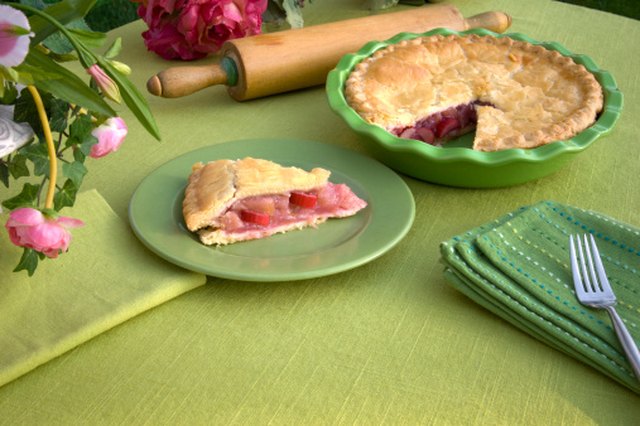
Rhubarb pie has two personalities. At its best, it is tart, bright, ruby-pink, buttery, and just firm enough to slice like it knows how to behave in public. At its worst, it collapses into a delicious puddle that makes your pie server question its career choices. The difference usually comes down to one thing: how well you thicken the filling.
Learning how to thicken rhubarb pie is not about dumping in more flour and hoping for the best. Rhubarb is naturally juicy, acidic, and low in the kind of pectin that helps some fruits set on their own. Add sugar, heat, and a sealed pie crust, and you have a tiny fruit volcano inside pastry. The goal is to manage that juice so the filling becomes glossy and spoonable, not stiff, cloudy, gummy, or watery.
The good news? A thick, sliceable rhubarb pie is completely achievable. You just need the right thickener, the right amount, enough baking time, and a little patience before slicing. Yes, patience. Pie has a cruel sense of humor.
Why Rhubarb Pie Gets Runny
Before choosing a thickener, it helps to understand the problem. Rhubarb stalks contain a lot of moisture. When they are mixed with sugar, the sugar pulls out liquid through a process bakers often call maceration. That is great for flavor because the tart rhubarb juices mingle with sugar, citrus, vanilla, spices, or strawberries. But if those juices are not thickened properly, they turn into syrup that floods the crust.
Another issue is acidity. Rhubarb’s sharp, tangy flavor is exactly why we love it, but acidic fruit fillings can behave differently with starches. Some thickeners hold up better than others in acidic environments. Finally, many rhubarb pies are double-crust pies, which trap steam. Less evaporation means more liquid remains inside the filling, so a covered pie often needs slightly more thickener than a lattice pie or crumble-topped pie.
The Best Thickeners for Rhubarb Pie
There are several reliable ways to thicken rhubarb pie filling. Each one creates a slightly different texture, appearance, and flavor. The best choice depends on what you have in your pantry and what kind of filling you want.
1. Cornstarch: Best for a Glossy, Clean Slice
Cornstarch is one of the most popular fruit pie thickeners because it works quickly and creates a glossy finish. It has more thickening power than all-purpose flour, so you can use less of it. For a standard 9-inch rhubarb pie with about 5 to 6 cups of chopped rhubarb, start with about 1/4 cup cornstarch.
Cornstarch is especially useful when your rhubarb is very juicy or when you are making strawberry rhubarb pie. Strawberries bring extra water to the party, and they do not apologize. Cornstarch helps absorb that moisture and gives the filling a shiny, jammy texture.
To use it well, mix cornstarch thoroughly with the sugar before tossing it with the fruit. This prevents clumps. The filling also needs to bubble in the center of the pie during baking. If the edges bubble but the middle stays quiet, the thickener may not fully activate, and your pie may still be loose after cooling.
2. All-Purpose Flour: Best for a Classic, Old-Fashioned Pie
All-purpose flour is the old-school thickener many home bakers grew up with. It is easy, affordable, and always sitting in the pantry like a dependable friend wearing an apron. Flour creates a softer, more traditional filling, but it can look slightly cloudy compared with cornstarch or tapioca.
For a 9-inch rhubarb pie with 5 to 6 cups of rhubarb, use about 1/2 to 2/3 cup all-purpose flour. Flour has less thickening power than cornstarch, so you need more of it. If you use too little, the pie may be runny. If you use too much, the filling can taste floury and dull the bright rhubarb flavor.
Flour works best in pies where you want a rustic, grandma-style texture rather than a jewel-clear filling. It is also forgiving for beginners because it is easy to mix into sugar and fruit. Just be sure to bake the pie long enough so the flour cooks fully.
3. Quick-Cooking Tapioca: Best for a Clear, Jammy Filling
Quick-cooking tapioca, sometimes called minute tapioca, is a favorite among many experienced pie bakers. It creates a clear, gelled filling that holds its shape well. Tapioca also performs nicely in acidic fruit pies, which makes it a smart choice for rhubarb.
For a standard rhubarb pie, use about 3 to 4 tablespoons quick-cooking tapioca for 5 to 6 cups of fruit. If the granules are large, grind them briefly in a spice grinder or food processor before using. Otherwise, you may see tiny tapioca beads in the finished pie. They are harmless, but they can make the slice look like it is hiding bubble tea.
The most important rule with tapioca is resting time. After mixing the tapioca with sugar and rhubarb, let the filling sit for at least 10 to 15 minutes before adding it to the crust. This gives the tapioca a head start absorbing the fruit juices.
4. Instant ClearJel: Best for Freezer-Friendly and Professional Results
Instant ClearJel is a modified food starch often used in pie fillings because it thickens smoothly and creates a clean, stable texture. It is excellent for fruit pies that may be frozen before or after baking. It also keeps the filling from becoming gummy or cloudy when used correctly.
For rhubarb pie, use around 1/4 cup Instant ClearJel for 5 to 6 cups of chopped rhubarb. Always mix it with sugar before adding it to fruit because it thickens fast and can clump if added directly to wet ingredients.
The downside is availability. You may not find Instant ClearJel in every grocery store, but it is worth keeping on hand if you bake fruit pies often. Think of it as the quiet overachiever of the baking shelf.
5. Arrowroot or Potato Starch: Useful, but Not Always Ideal
Arrowroot and potato starch can thicken fruit fillings, but they are not always the first choice for rhubarb pie. Arrowroot can create a glossy filling, but it may become slippery or overly soft in some baked pies. Potato starch thickens strongly, but it can lose some appeal after long storage or reheating.
If you are avoiding wheat and corn, tapioca starch is usually the better gluten-free option for rhubarb pie. If you must use arrowroot, try about 3 to 4 tablespoons for a 9-inch pie and avoid overbaking the filling after it has thickened.
How Much Thickener Should You Use?
The perfect amount depends on the fruit, pie style, and whether your rhubarb is fresh or frozen. Fresh rhubarb generally needs less thickener than frozen rhubarb because frozen rhubarb releases more liquid as it thaws. A double-crust pie may also need more thickener than a lattice pie because steam cannot escape as easily.
| Thickener | Amount for 5 to 6 Cups Rhubarb | Best For |
|---|---|---|
| Cornstarch | 1/4 cup | Glossy filling and clean slices |
| All-purpose flour | 1/2 to 2/3 cup | Classic, old-fashioned texture |
| Quick-cooking tapioca | 3 to 4 tablespoons | Clear, jammy filling |
| Tapioca starch | 1/4 cup | Gluten-free thickening |
| Instant ClearJel | 1/4 cup | Stable, bakery-style filling |
If your rhubarb is extremely juicy, add 1 extra tablespoon of thickener. If you are making a lattice-top pie, you may reduce the thickener slightly because more steam escapes during baking. If strawberries are involved, do not be shy about using the higher end of the range. Strawberries are charming, but they are basically tiny water balloons with seeds.
Should You Drain Rhubarb Before Baking?
Sometimes, yes. If you mix rhubarb with sugar and let it sit for 15 to 30 minutes, you will see liquid collect in the bowl. That juice is flavorful, so do not automatically throw it away. Instead, decide based on your pie style.
For a very juicy batch of rhubarb, you can drain off some liquid and simmer it in a small saucepan until slightly reduced. Then add it back to the fruit. This keeps the flavor while removing excess water. Another option is to mix the rhubarb, sugar, and thickener together right before filling the crust, then bake immediately. This reduces the amount of time the sugar has to pull liquid from the rhubarb before baking.
If using frozen rhubarb, thaw it in the refrigerator and drain it well. Frozen rhubarb can work beautifully in pie, but it needs a little more management. Pat it dry gently and consider adding 1 extra tablespoon of cornstarch, tapioca, or ClearJel.
The Right Baking Technique Matters
A common mistake is removing rhubarb pie from the oven too early. The crust may look golden, but the filling may not have reached the temperature needed to activate the thickener. Fruit pie filling should bubble actively, including in the center. A few lazy bubbles around the edge do not count. That is pie pretending to be done.
Start the pie in a hot oven, usually around 400°F to 425°F, to help set the crust. Then reduce the temperature to around 350°F to 375°F so the filling can cook through without burning the edges. Place the pie on a parchment-lined baking sheet because rhubarb filling loves dramatic exits.
If the crust browns before the filling bubbles, cover the edges with foil or a pie shield and continue baking. A properly baked rhubarb pie often needs 50 to 70 minutes, depending on the recipe, pie dish, crust thickness, and whether the fruit was fresh or frozen.
Let the Pie Cool Before Slicing
This is the step everyone wants to skip. Do not skip it. A fruit pie continues to thicken as it cools. Starches firm up, juices settle, and the filling transforms from lava soup into sliceable pie. Cut too soon, and even a perfectly thickened rhubarb pie may look runny.
Let the pie cool for at least 3 to 4 hours at room temperature. For the cleanest slices, cool it completely. If you want warm pie, reheat individual slices later. That gives you the cozy dessert experience without sacrificing the structure of the whole pie.
How to Fix a Runny Rhubarb Pie
If your rhubarb pie is already baked and runny, you still have options. First, let it cool completely. Many pies that look loose when warm set properly after a few hours. If it is still soupy, chill it in the refrigerator. Cold temperatures can firm the filling enough for cleaner slicing.
If the pie is severely runny, serve it differently. Spoon it into bowls and call it rustic rhubarb pie pudding. Add vanilla ice cream, whipped cream, or Greek yogurt, and suddenly the “mistake” looks like a dessert trend from a charming farmhouse café. Nobody needs to know your pie had commitment issues.
For next time, use more thickener, bake until the center bubbles, and cool completely before cutting. If you used flour and the pie was still runny, try cornstarch, tapioca, or Instant ClearJel. If you used frozen rhubarb, drain it more thoroughly and increase the thickener slightly.
Flavor Tips That Also Help Texture
Thickening is not only about starch. Sugar, citrus, spices, and fruit pairings all affect the final pie. Sugar draws out liquid but also helps create syrupy body. Reducing sugar too much can make the pie taste flat and may slightly affect texture. If you want a less sweet rhubarb pie, reduce sugar modestly and add a touch more thickener.
Orange zest is excellent with rhubarb because it brightens the tart flavor without adding much liquid. Vanilla softens rhubarb’s sharpness. Ginger adds warmth. Strawberries bring sweetness and color, but they also add moisture, so adjust the thickener accordingly.
A small pinch of salt is also important. It does not make the pie salty; it wakes up the fruit flavor. Without salt, rhubarb pie can taste like it got dressed for the party but forgot its shoes.
A Reliable Thickened Rhubarb Pie Formula
For a dependable 9-inch pie, use this basic filling ratio:
- 5 to 6 cups chopped rhubarb
- 1 to 1 1/4 cups sugar, depending on tartness
- 1/4 cup cornstarch, tapioca starch, or Instant ClearJel
- 1/4 teaspoon salt
- 1 teaspoon orange zest or 1 teaspoon vanilla extract
- 1 tablespoon butter, dotted over the filling before adding the top crust
Mix the sugar, thickener, and salt first. Toss with rhubarb and flavorings. Let the mixture sit for 10 minutes if using tapioca. Fill the crust, seal or lattice the top, cut vents if needed, and bake until the filling bubbles in the center. Cool completely before slicing.
Common Rhubarb Pie Thickening Mistakes
Using Too Little Thickener
Rhubarb is wetter than it looks. If you use only a tablespoon or two of flour for a full pie, the filling will likely be loose. Match the thickener to the amount of fruit.
Not Mixing the Thickener with Sugar First
Dry starch can clump when it hits wet fruit. Mixing it with sugar helps distribute it evenly, creating a smoother filling.
Underbaking the Pie
Most starches need heat to activate. If the filling does not bubble properly, the starch may not thicken fully.
Cutting the Pie While Hot
Hot rhubarb pie is tempting, but the filling needs time to set. Cutting too soon is the fastest way to create a plate of delicious chaos.
Personal Baking Experiences with Thickening Rhubarb Pie
The first time many home bakers make rhubarb pie, they underestimate how much liquid those crisp stalks can release. Rhubarb looks sturdy, almost celery-like, so it is easy to assume it will behave like apples. Then the pie comes out of the oven bubbling beautifully, the kitchen smells like spring wearing a butter jacket, and everyone gathers around with forks ready. Ten minutes later, someone cuts into it and the filling rushes out like it has somewhere urgent to be.
One of the most useful lessons from repeated rhubarb pie baking is that a good filling starts before the pie goes into the oven. When chopped rhubarb is tossed with sugar, it begins releasing juice quickly. If the fruit sits too long without enough thickener, the bowl can look surprisingly watery. That does not mean the pie is doomed, but it does mean the filling needs structure. Cornstarch is often the easiest fix because it blends well, thickens strongly, and creates a filling that looks bright and appetizing.
Another experience worth remembering is that frozen rhubarb needs respect. It is convenient and flavorful, especially outside rhubarb season, but it releases much more moisture than fresh stalks. The best results usually come from thawing it overnight in the refrigerator, draining it, and then adding a bit more thickener than you would use for fresh rhubarb. Skipping that step can lead to a soggy bottom crust, which is basically the pie version of wet socks.
Tapioca has its own personality. When used correctly, it gives rhubarb pie a lovely, clear set that feels old-fashioned in the best way. But if the granules are too large or not rested long enough, the filling may have tiny chewy bits. Grinding quick-cooking tapioca into a finer texture solves this problem. Letting it sit with the fruit for 10 to 15 minutes also helps. The difference is small in effort but big in the final slice.
One of the biggest surprises is how much cooling time matters. A pie that looks runny after 30 minutes on the counter may be perfectly sliceable after 4 hours. The filling needs time to relax and set. Warm rhubarb pie tastes wonderful, but if presentation matters, cooling is non-negotiable. A smart compromise is to bake the pie early, let it cool completely, slice it neatly, and then warm individual pieces before serving.
Finally, the best rhubarb pies are not thickened into submission. The goal is not a rubbery block of fruit. A perfect rhubarb pie should still have movement. The filling should hold together when sliced, but it should also look juicy, glossy, and alive. When the crust is flaky, the filling is tart-sweet, and the juices stay mostly where they belong, you have done it right. And if a little rhubarb syrup escapes onto the plate? That is not failure. That is an invitation for ice cream.
Conclusion
Thickening rhubarb pie is a balance of fruit, starch, heat, and patience. Cornstarch gives a glossy, reliable set. Flour creates a classic homemade texture. Tapioca makes a clear, jammy filling. Instant ClearJel offers stable, bakery-style results. No matter which thickener you choose, the rules stay the same: use enough for the amount of rhubarb, mix it evenly with sugar, bake until the center bubbles, and let the pie cool before slicing.
Once you understand rhubarb’s juicy nature, the pie becomes much easier to control. You do not need magic, secret family drama, or a pastry degree. You just need the right thickener and the confidence to let the pie finish baking. Then you can enjoy a rhubarb pie that slices beautifully, tastes bright and tangy, and does not require a spoon unless you want one.
Note: This article is an original, web-ready draft based on practical baking knowledge synthesized from reputable U.S. cooking, baking, and food education resources.