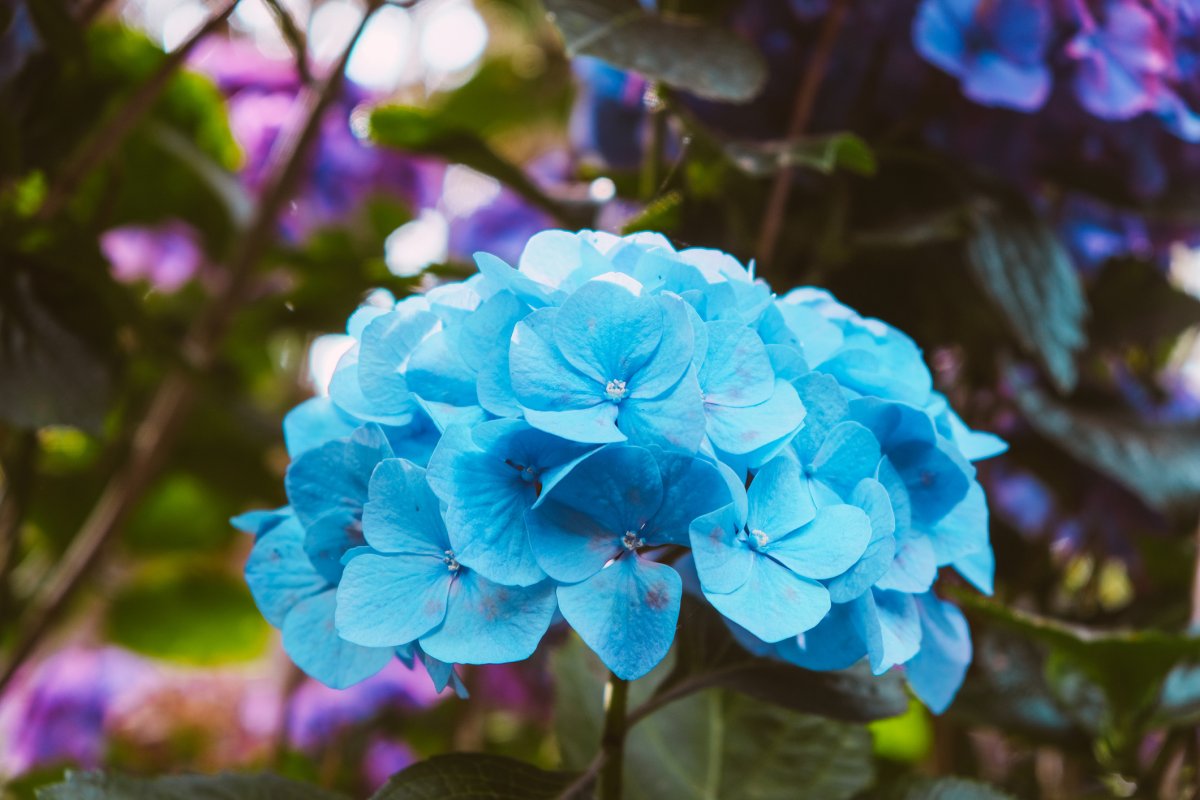
Move over, predictable garden green. Teal has officially wandered through the gate, claimed the best chair on the patio, and announced that it plans to stay awhile. Named the 2025 Garden Color of the Year by Garden Media Group, teal brings together the refreshing qualities of blue and the natural energy of green. It can feel tropical, nostalgic, sophisticated, or wonderfully playful depending on how it is used.
Unlike red, yellow, or purple, true teal is not common among flowers. That is not a gardening tragedy; it is a design opportunity. Blue-green foliage, glazed containers, naturally aged copper, painted furniture, decorative screens, water features, and cool-toned blooms can all contribute to a convincing teal garden palette.
The key is restraint. A successful teal yard should look intentional, not as though a mermaid exploded near the potting shed. The following ideas will help you incorporate the 2025 garden color trend in ways that complement your plants, architecture, climate, and personal style.
What Is the 2025 Garden Color of the Year?
The 2025 Garden Color of the Year is teal, a versatile blue-green shade associated with water, open skies, calmness, and the optimistic visual style of the late 1990s and early 2000s. It is separate from Pantone’s 2025 Color of the Year, Mocha Mousse, which is a warm brown. Fortunately, the two shades work beautifully together. Teal supplies cool energy, while brown introduces an earthy foundation.
In a landscape, teal rarely appears as one exact color. It may show up as the powdery blue of an agave, the silvery green of a blue fescue, the gray-blue surface of a hosta leaf, or the turquoise patina on weathered copper. Thinking in terms of a blue-green family rather than a single paint-chip match will produce a garden that feels layered and natural.
Why Teal Works So Well Outdoors
Teal is unusually flexible because it already contains two of the garden’s most familiar colors. It blends into foliage more easily than an artificial-looking primary blue, yet it creates more contrast than ordinary green. It can serve as a subtle bridge between plants or become a dramatic focal point.
It creates a calm atmosphere
Blue-green shades suggest ocean water, shaded ponds, distant mountains, and clear skies. Used around a seating area, teal can make an outdoor room feel restful without becoming dull. Pair it with moving grasses, rustling bamboo alternatives, or a small fountain to strengthen the retreat-like mood.
It complements both warm and cool colors
Teal looks polished beside white, silver, lavender, and deep blue. It becomes more energetic when paired with coral, orange, chartreuse, or gold. It also sits comfortably beside natural wood, gravel, brick, and weathered stone, making it easier to use than many highly saturated colors.
It works in modern and traditional yards
A sleek teal planter can sharpen a contemporary patio, while a distressed turquoise bench fits naturally into a cottage garden. The difference lies in the finish, shape, and surrounding materials. Glossy surfaces feel modern; matte, aged, or irregular finishes feel relaxed and collected.
Choose How Bold You Want to Go
Before buying twelve matching pots in a burst of color-fueled enthusiasm, decide how prominently teal should appear. Most yards benefit from one of three approaches.
Use teal as a small accent
This is the safest option for an established landscape. Add teal through a birdbath, outdoor pillow, watering can, ceramic pot, or painted plant stand. Repeat the shade two or three times so the accent looks deliberate. One teal object can appear accidental; three begin to tell a design story.
Create a repeating color ribbon
Use blue-green foliage or accessories at intervals throughout a bed, walkway, or patio. For example, position a teal planter near the entry, repeat the color with blue fescue beside the path, and echo it again with a glazed pot near the seating area. Repetition guides the eye and helps connect separate parts of the yard.
Build a teal-themed outdoor room
For a stronger statement, paint a garden gate, privacy screen, potting bench, or set of chairs teal. Keep nearby paving and large containers relatively neutral so the feature can remain the star. A focal point needs supporting actors, not seventeen other actors shouting their lines at the same time.
Grow the Color With Blue-Green Plants
Because true teal flowers are rare, foliage is the most reliable way to bring this trend to life. Foliage also lasts longer than a brief flush of blooms, allowing the color scheme to remain visible across more of the growing season.
Teal-inspired plants for sunny gardens
Blue fescue forms compact tufts of fine, blue-gray leaves. It works well along paths, in rock gardens, or repeated through a sunny border. Its tidy shape creates contrast beside broader leaves and loose flowering plants.
Agaves provide bold, sculptural leaves in blue, gray, and blue-green shades. They are excellent focal points in warm, dry climates and can be grown in containers where winters are cold. Handle them carefully, because their sharp tips do not believe in personal space.
Blue chalk sticks produce fingerlike succulent foliage with a powdery blue cast. They thrive in warm, frost-free landscapes or seasonal containers with excellent drainage.
Sea holly offers steel-blue flowers and spiky bracts that create both color and structure. It suits sunny, well-drained beds and looks especially effective beside ornamental grasses, pale yarrow, or warm-toned coneflowers.
Blue-toned junipers can provide evergreen color, structure, and winter interest. Low-growing varieties are useful on slopes or at the front of beds, while upright forms can act as cool-colored anchors.
Blue-green plants for shade
Blue hostas are among the easiest ways to introduce blue-green foliage under trees or along shaded foundations. Varieties such as ‘Halcyon,’ ‘Blue Mammoth,’ and ‘Blue Hawaii’ offer different sizes and leaf shapes. Their blue coating tends to look strongest when plants are protected from harsh afternoon sun and excessive leaf rubbing.
Brunnera ‘Jack Frost’ has silver leaves marked with green veins and delicate blue spring flowers. Although it leans silver rather than teal, it helps brighten shade and supports a cool garden palette.
Japanese painted fern contributes silvery, gray-green, and muted burgundy tones. It is useful for softening the edges of bold teal containers or balancing the large leaves of hostas.
Blue star fern is best known as a houseplant in much of the United States, but it can spend warm months outdoors in a shaded container. Its wavy blue-green fronds make it an attractive choice for a covered porch.
Flowers that support a teal palette
Blue hydrangeas, clematis, agapanthus, catmint, Russian sage, globe thistle, bachelor’s buttons, and blue-violet salvias can strengthen the cool side of the design. Their blooms may be blue, violet, or lavender rather than teal, but they visually connect with blue-green foliage and decorations.
Some bigleaf hydrangeas can produce bluer flowers where the soil is acidic and aluminum is available to the plant. However, flower color depends on the cultivar and growing conditions. Test the soil before trying to change it, and do not repeatedly add amendments based on gardening folklore and wishful thinking.
Use Teal Containers for Fast, Flexible Color
Containers are the easiest way to experiment with teal because they require no permanent landscape changes. A single large pot can establish a focal point, while a collection of smaller containers can unite a porch or patio.
For a polished display, choose pots with related shapes or finishes rather than a random assortment. They do not need to match perfectly. A glossy turquoise cylinder, a weathered blue-green urn, and a small matte aqua pot can work together when their colors share similar undertones.
A sunny teal container recipe
- Use a compact agave or upright ornamental grass as the central feature.
- Add blue chalk sticks, silvery licorice plant, or dusty miller around the middle.
- Allow dichondra or a trailing succulent to spill over the edge.
- Include a few orange or golden flowers for contrast.
A shaded teal container recipe
- Begin with a blue hosta or fern as the main plant.
- Add silver-leaved begonia, heuchera, or brunnera for texture.
- Use white impatiens or pale lobelia to brighten the arrangement.
- Finish with creeping Jenny for a touch of chartreuse.
Always combine plants with similar light and moisture requirements. A drought-loving agave and a moisture-loving fern may look charming together for approximately five minutes, after which one of them begins drafting a formal complaint.
Add Teal Through Furniture and Hardscape
Plants are only part of a landscape. Furniture, walls, paths, fences, containers, and ornaments provide opportunities for color that will not disappear when flowers fade.
Paint one strong focal point
A teal front door, gate, bench, arbor, or shed door can give the yard an immediate identity. Test the paint outdoors before committing. Bright sunlight can make a color look lighter and more intense, while shade may pull out its blue or gray undertones.
Let copper develop a natural patina
Weathered copper can develop layers of green and blue-green patina. Copper planters, rain chains, sculpture, and watering cans introduce teal in an organic way that looks especially good with brick, stone, and wood.
Do not apply improvised chemicals to valuable copper objects merely to speed the aging process. Natural weathering is slower but more predictable, and it avoids runoff around plants and soil.
Bring in water
A glazed birdbath, tiled fountain, or small reflecting basin naturally supports a blue-green theme. Water also adds movement, sound, and reflected light. Keep birdbaths shallow and clean them regularly so they remain useful rather than turning into tiny mosquito resorts.
Use outdoor textiles sparingly
Teal cushions, an outdoor rug, an umbrella, or patterned pillows can transform a neutral patio. Choose fade-resistant outdoor fabric and repeat the color in a nearby pot or plant. Store textiles during severe weather to extend their useful life.
Build a Balanced Teal Color Palette
Teal with orange or coral
Orange sits opposite blue-green on the color wheel, so the combination creates lively contrast. Try teal pots with orange zinnias, coral bells, blanket flowers, or apricot-colored roses. Use one color more heavily and let the other act as an accent to avoid visual combat.
Teal with white and silver
This palette feels clean, cool, and peaceful. Combine blue-green foliage with white hydrangeas, white coneflowers, lamb’s ear, dusty miller, or pale gravel. It is especially attractive around modern homes and evening seating areas.
Teal with gold and chartreuse
Golden foliage and chartreuse leaves brighten teal and prevent it from feeling too heavy. Consider golden creeping Jenny, chartreuse coleus, Japanese forest grass, or yellow-green sedges.
Teal with brown and natural wood
Wood, bark, mulch, and brown stone ground the cool color. This is also an elegant way to pair the garden’s teal trend with the warm brown shades that became prominent in broader 2025 color forecasting.
Ideas for Different Types of Yards
Front yard
Use teal to direct attention toward the entrance. A painted door, two glazed planters, and a few repeated blue-green plants can improve curb appeal without overwhelming the house. Consider the exterior color first. Teal generally works well with white, cream, gray, tan, natural brick, and many warm woods.
Small patio or balcony
Choose one medium or large teal container instead of many tiny decorations. Add a folding chair, cushion, or small table in a related shade. Vertical planters and wall-mounted containers allow you to repeat the color without sacrificing floor space.
Dry or water-wise garden
Blue-green succulents, agaves, junipers, ornamental grasses, and gravel create a sophisticated low-water palette when matched to local conditions. Contrast the cool plants with rust-colored steel, terracotta, decomposed granite, or warm stone.
Woodland or shade garden
Layer blue hostas, ferns, brunnera, and pale-flowering plants beneath trees. A teal bench or ceramic birdbath can prevent the area from becoming a sea of indistinguishable green. Vary leaf size and texture to create depth.
Common Teal Garden Mistakes to Avoid
- Using too many unrelated shades: Limit the palette to teal plus two or three supporting colors.
- Ignoring the house exterior: Garden color should cooperate with the architecture, not pick a fight with it.
- Choosing plants by color alone: Confirm sunlight, soil, drainage, mature size, heat tolerance, and winter hardiness.
- Depending only on flowers: Include foliage, containers, and structural features for longer-lasting color.
- Placing one isolated teal object: Repeat the shade elsewhere to create visual continuity.
- Painting every available surface: Teal is charming. An entire yard dipped in teal may resemble an abandoned theme restaurant.
A Simple Weekend Teal Garden Plan
- Photograph the yard from the street and main seating areas.
- Identify one location that needs a focal point or stronger visual connection.
- Choose a teal object, such as a pot, bench, gate, or birdbath.
- Select two nearby plants with blue-green, silver, or cool-toned foliage.
- Add one contrasting flower color, such as coral, orange, gold, or white.
- Repeat a small amount of teal in another part of the space.
- View the arrangement from indoors and outdoors before making permanent changes.
Experience-Based Lessons for Showcasing Teal Successfully
One of the most useful lessons from real landscape projects is that teal often succeeds when it is treated as a connector rather than the entire subject. A blue-green planter can connect the gray roof of a house with the foliage in a nearby bed. A teal bench can visually link a swimming pool to surrounding plants. The color becomes more convincing when it appears to belong to something already present in the setting.
Scale also matters more than many homeowners expect. In a nursery or store, a small turquoise pot may look wonderfully bright. Once placed in a large yard, it can disappear. A substantial container, painted gate, or grouped collection generally has enough visual weight to register from a distance. Small accents work better on balconies, porches, tabletops, or along narrow paths where people see them up close.
Another practical lesson is to test painted colors in their final location. Teal paint viewed under indoor store lighting can look completely different beside red brick or warm siding. Paint a sample board, move it around the yard, and observe it in morning sun, afternoon shade, and evening light. A shade that looks elegant at breakfast may become startlingly electric by lunchtime. Testing costs less than repainting an entire shed while questioning every decision that brought you to that moment.
Gardeners also tend to get better results when they repeat teal unevenly. Exact symmetry can feel rigid, especially in a naturalistic landscape. Instead of placing identical teal pots at equal intervals, use one large focal point and two smaller echoes. For example, position a large glazed container near the patio, a blue-green grass beside the walkway, and a small turquoise ornament near a distant bench. The repetition is noticeable without looking staged.
Plant texture frequently determines whether a cool-colored planting looks rich or flat. A bed composed entirely of narrow blue-gray leaves may appear hazy from a distance. Combining fine blue fescue with broad hosta leaves, upright sea holly, rounded succulents, or arching fern fronds creates clearer layers. Even when several plants share similar colors, differences in shape help each one remain visible.
Maintenance should influence the design from the beginning. Glazed pots need drainage holes, outdoor textiles need weather resistance, painted wood needs suitable exterior primer and paint, and container plants require more frequent watering than plants in the ground. Blue-leaved plants may also lose their strongest coloring if grown in unsuitable light. A teal feature that constantly peels, fades, wilts, or collects standing water will not feel soothing for long.
Finally, successful gardens rarely follow trends literally. Teal should be adapted to the site rather than imposed on it. In a desert garden, it may appear through agaves and mineral-colored containers. In a shaded Midwestern yard, blue hostas and a painted bench may be more appropriate. In a Southern courtyard, glazed pottery, hydrangeas, and patinated copper can carry the theme. The smartest version of the 2025 Garden Color of the Year is the one that looks as though it has always belonged in your yard.
Conclusion
Teal offers a refreshing way to update an outdoor space without rebuilding the entire landscape. Start with a focal point, repeat the shade thoughtfully, and support it with blue-green foliage, contrasting flowers, natural materials, and varied textures. Most importantly, choose plants suited to your local climate and growing conditions. Trends may inspire the palette, but healthy plants are what make the final picture worth admiring.