Ear wax plugs have a talent for showing up at the worst possible time. One day your ears feel normal; the next, everyone sounds like they are speaking from inside a pillow fort. The good news is that earwax, also called cerumen, is usually helpful. It protects the ear canal, traps dust, and helps keep the skin inside the ear from drying out. The not-so-good news? Sometimes wax builds up, hardens, and becomes an ear wax plug that causes muffled hearing, fullness, itching, ringing, or discomfort.
Learning how to remove ear wax plugs safely matters because the ear is delicate. The goal is not to wage war on every speck of wax. The goal is to clear a true blockage without pushing it deeper, irritating the canal, or turning a small problem into an “I now need an ENT” situation. This guide explains what ear wax plugs are, when home care may be reasonable, what methods to avoid, and when it is smarter to let a healthcare professional handle the job.
What Is an Ear Wax Plug?
An ear wax plug is a buildup of cerumen that becomes packed inside the ear canal. This is often called earwax blockage or cerumen impaction. Wax may collect because the ear canal is narrow, the wax is naturally dry or sticky, earbuds and hearing aids interfere with natural movement, or someone has been “cleaning” the ear with cotton swabs and accidentally packing wax farther inward. Yes, the humble cotton swab often enters the scene wearing a hero cape and leaves as the villain.
Normally, your ears are self-cleaning. Jaw movement from chewing and talking helps move old wax toward the outer ear, where it can be wiped away with a damp cloth. Problems begin when wax cannot move out easily or when objects push it back into the canal. Over time, the wax may dry, harden, and form a plug.
Common Symptoms of Ear Wax Plugs
An ear wax plug can feel dramatic even when it is not dangerous. Common symptoms include:
- Muffled or reduced hearing in one or both ears
- A feeling of fullness, pressure, or “clogging”
- Earache or mild discomfort
- Itching inside the ear canal
- Ringing or buzzing, also known as tinnitus
- Dizziness or balance changes in some cases
- Cough triggered by nerve irritation in the ear canal
However, not every clogged-ear feeling is wax. Allergies, colds, sinus congestion, middle-ear fluid, ear infections, and eustachian tube dysfunction can also make the ear feel blocked. If symptoms include severe pain, fever, drainage, sudden hearing loss, bleeding, or dizziness that feels intense or unusual, skip the home experiments and get medical care.
Before You Try Home Ear Wax Removal
Home ear wax removal may be reasonable for mild blockage when you are confident the problem is wax and you do not have warning signs. But some people should talk with a healthcare professional first. Do not irrigate or put earwax-removal drops in the ear unless a clinician says it is safe if you have a known or suspected perforated eardrum, ear tubes, recent ear surgery, ongoing ear infection, severe ear pain, fluid or pus drainage, significant dizziness, or a history of ear problems.
People with diabetes, weakened immune systems, or skin conditions affecting the ear canal should also be careful because irritation or trapped moisture can increase the risk of infection. When in doubt, the safest ear wax removal tool is not a gadget; it is a medical professional with a light, a scope, and the ability to see what is actually happening.
Safe Ways to Remove Ear Wax Plugs at Home
1. Start With the Outer Ear Only
For everyday cleaning, keep it simple. Use a damp washcloth to wipe the outer ear and the area around the canal opening. Do not insert the cloth, a cotton swab, a hairpin, a paper clip, an ear scoop, or anything pointy into the ear canal. The ear canal is not a tiny hallway that needs sweeping. It is more like a sensitive tunnel with an eardrum at the end, and the eardrum is not interested in meeting your bathroom tools.
2. Soften the Wax With Ear Drops
For many ear wax plugs, the first step is softening the wax. Over-the-counter ear drops made for earwax removal often contain carbamide peroxide or another peroxide-based ingredient. These products help loosen and break up wax so it can move out more easily. Some people use mineral oil, baby oil, glycerin, or saline-based drops to soften wax as well.
Always follow the product label or your clinician’s instructions. In general, drops are placed into the affected ear while the head is tilted so the liquid can reach the wax. After a short waiting period, the head is tilted the opposite way to let the liquid drain out. A tissue can catch the runoff. The process may need to be repeated for a few days, depending on the product directions.
Do not use peroxide drops if they cause burning, pain, worsening irritation, or if you have any reason to suspect an eardrum problem. A little bubbling or fizzing can happen with peroxide-based drops, but pain is not a “keep going, champion” signal. Pain is your ear waving a red flag.
3. Consider Gentle Irrigation Only When It Is Safe
After wax has been softened, some people use gentle irrigation with body-temperature water. This may involve a rubber bulb syringe or an ear irrigation kit designed for home use. The water should be warm, not hot or cold, because temperature extremes can trigger dizziness. The stream should be gentle, and the ear should be allowed to drain afterward.
Never use high-pressure devices, shower jets, or forceful flushing. Also, do not irrigate if you have ear tubes, a perforated eardrum, recent ear surgery, ear infection symptoms, drainage, significant pain, or a medical condition that makes infection more risky. If wax does not come out after careful softening and appropriate irrigation, stop. More force is not the answer. That is how “quick fix” becomes “clinic visit with regret.”
4. Let a Professional Remove Stubborn Wax
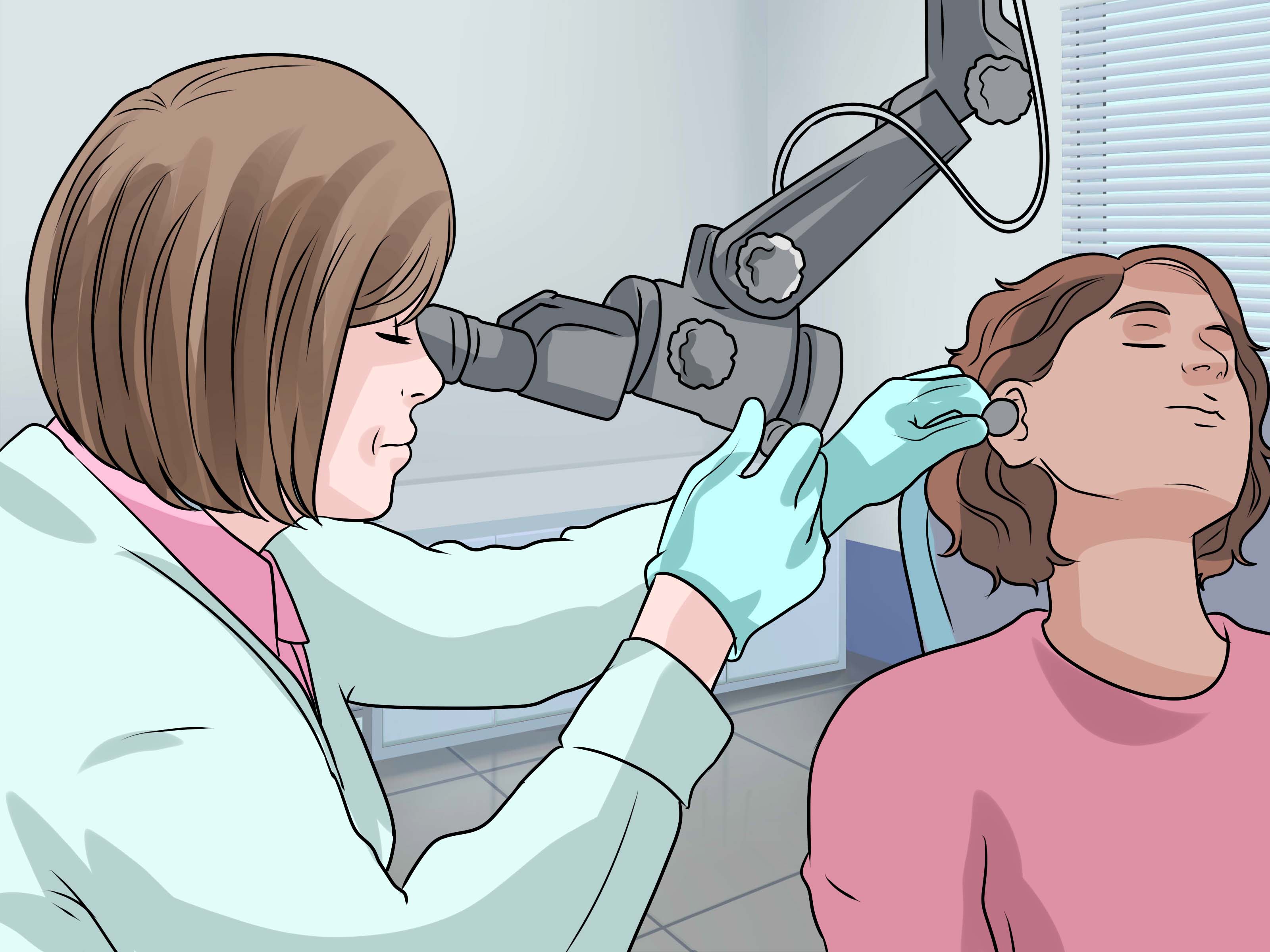
Healthcare professionals can remove ear wax plugs using methods such as microsuction, irrigation in a controlled setting, or manual removal with special instruments. The major advantage is visibility. A clinician can look inside the ear, confirm whether wax is truly the problem, and choose the safest approach based on the ear canal and eardrum.
Professional removal is especially helpful for hard, deep wax; repeated blockages; hearing aid users; children; older adults; people with narrow ear canals; and anyone with pain, drainage, dizziness, or a complicated ear history. It may feel less adventurous than doing it yourself, but when it comes to ears, boring and safe wins.
What Not to Do When Removing Ear Wax Plugs
Do Not Use Cotton Swabs Inside the Ear Canal
Cotton swabs are excellent for makeup smudges, tiny craft projects, and cleaning the outside of the ear. They are not ideal for digging inside the ear canal. Instead of removing a plug, a swab can push wax deeper, pack it tighter, scratch the canal, or irritate the eardrum. If you must use a swab, keep it outside the canal opening.
Do Not Use Ear Candles
Ear candling is often promoted as a natural way to pull out wax, but medical guidance consistently warns against it. There is no good evidence that ear candles safely remove earwax, and the risks include burns, dripping candle wax, blockage, eardrum injury, and fire. A flame near your hair and ear is not a wellness routine; it is a tiny campfire with terrible judgment.
Do Not Insert Sharp or Spiral Tools Deeply
Ear picks, bobby pins, spiral tools, and camera gadgets may look satisfying online, but the ear canal is not a DIY excavation site. Without training and proper visualization, it is easy to scrape the canal, push wax deeper, or damage the eardrum. If a wax plug is deep enough that you cannot clean it from the outside, it is deep enough to deserve caution.
When to See a Doctor for Ear Wax Plugs
Make an appointment with a healthcare professional if home care does not improve symptoms after a few days, if blockage keeps coming back, or if you are not sure wax is the cause. You should seek care sooner if you have sudden or major hearing loss, strong pain, ear drainage, bleeding, fever, dizziness, ringing that appears suddenly, or symptoms after putting an object in the ear.
Medical care is also wise if you wear hearing aids. Hearing aids can contribute to wax buildup, and wax can also block the device, reduce sound quality, or cause feedback. A clinician or audiologist can help create a safe cleaning schedule that protects both your ears and your equipment.
How to Prevent Ear Wax Plugs From Coming Back
You cannot stop your ears from making wax, and you should not want to. Earwax is part of the body’s cleaning and defense system. Prevention is mostly about not interfering with that system. Wipe the outer ear only, avoid inserting objects into the canal, clean earbuds regularly, and follow hearing aid cleaning instructions if you use them.
If you are prone to earwax blockage, ask a clinician whether occasional softening drops are appropriate for you. Some people benefit from periodic professional cleaning, especially if they have narrow canals, dry wax, hearing aids, or a history of impaction. The best prevention plan is personal. Your ear canal has its own architecture, and apparently, some ear canals were designed by mischievous architects.
Step-by-Step Summary: How to Remove Ear Wax Plugs Safely
- Confirm the symptoms fit earwax blockage. Fullness, muffled hearing, and mild discomfort may suggest wax, but infection and other problems can feel similar.
- Check for warning signs. Pain, drainage, bleeding, fever, sudden hearing loss, ear tubes, eardrum injury, or recent surgery means you should get medical advice first.
- Clean only the outer ear. Use a damp cloth around the opening, not inside the canal.
- Use wax-softening drops if appropriate. Follow the label and stop if pain or irritation occurs.
- Try gentle irrigation only if safe. Use body-temperature water and low pressure, and avoid irrigation if you have risk factors.
- See a professional if symptoms continue. Stubborn, painful, recurring, or uncertain cases should be handled by a clinician.
Real-Life Experiences With Ear Wax Plugs
Many people discover ear wax plugs in oddly ordinary moments. One person may notice the problem while wearing earbuds and wonder why the left side of a favorite playlist suddenly sounds like it was recorded underwater. Another may wake up after sleeping on one side and feel as though the ear has been sealed with invisible tape. Someone else may realize the issue during a conversation, when “Can you repeat that?” becomes the most-used sentence of the day.
A common experience is the temptation to fix the problem immediately. The ear feels blocked, so the hand reaches for a cotton swab. At first, it may seem helpful because a tiny bit of wax appears on the swab. But the deeper plug often remains, and sometimes the pressure feels worse afterward. That is because the swab may remove only the outer wax while pushing the rest farther inward. It is like trying to clear a traffic jam by shoving the cars closer together.
People who use earbuds often report repeat wax trouble because earbuds can sit at the entrance of the ear canal and limit natural wax movement. The same can happen with hearing aids, earplugs, and in-ear monitors. The solution is not to panic-clean the canal every night. A better approach is to clean the devices themselves, wipe the outer ear, and ask a healthcare professional whether a routine ear check makes sense.
Another relatable experience is the “drops made it feel more clogged” moment. Earwax-softening drops can loosen or swell hardened wax before it drains, so the ear may temporarily feel fuller. That does not always mean something is wrong, but it does mean patience matters. If the fullness becomes painful, if hearing worsens significantly, or if symptoms do not improve, it is time to stop and get help rather than add more drops and hope the ear magically negotiates peace.
Some people feel embarrassed about needing earwax removed professionally, but clinicians see it all the time. Earwax is normal. A wax plug is not a character flaw. It does not mean someone is dirty, careless, or secretly part candle. It simply means wax built up faster than it moved out. In a clinic, removal may take only a short visit, and the relief can feel surprisingly dramatic. Many patients describe sounds becoming crisp again, as though someone turned up the world’s volume knob.
The biggest lesson from real-life earwax stories is this: gentle wins. The people who do best usually avoid aggressive digging, follow drop instructions carefully, and seek professional care when symptoms are strong or stubborn. Earwax plugs are annoying, but they are usually manageable. Treat the ear canal like a delicate space, not a junk drawer, and it is much more likely to forgive you.
Conclusion
Knowing how to remove ear wax plugs safely can save you from muffled hearing, uncomfortable fullness, and the classic bathroom mistake of poking around with whatever tool is nearby. The safest plan is simple: clean the outer ear only, soften wax with appropriate drops when suitable, use gentle irrigation only when there are no risk factors, and seek professional earwax removal when symptoms are painful, persistent, recurring, or uncertain.
Earwax is not the enemy. It is a useful body-made shield that sometimes gets a little too enthusiastic. Respect the ear, skip the candles, retire the deep cotton-swab missions, and choose methods that protect your hearing instead of gambling with it.