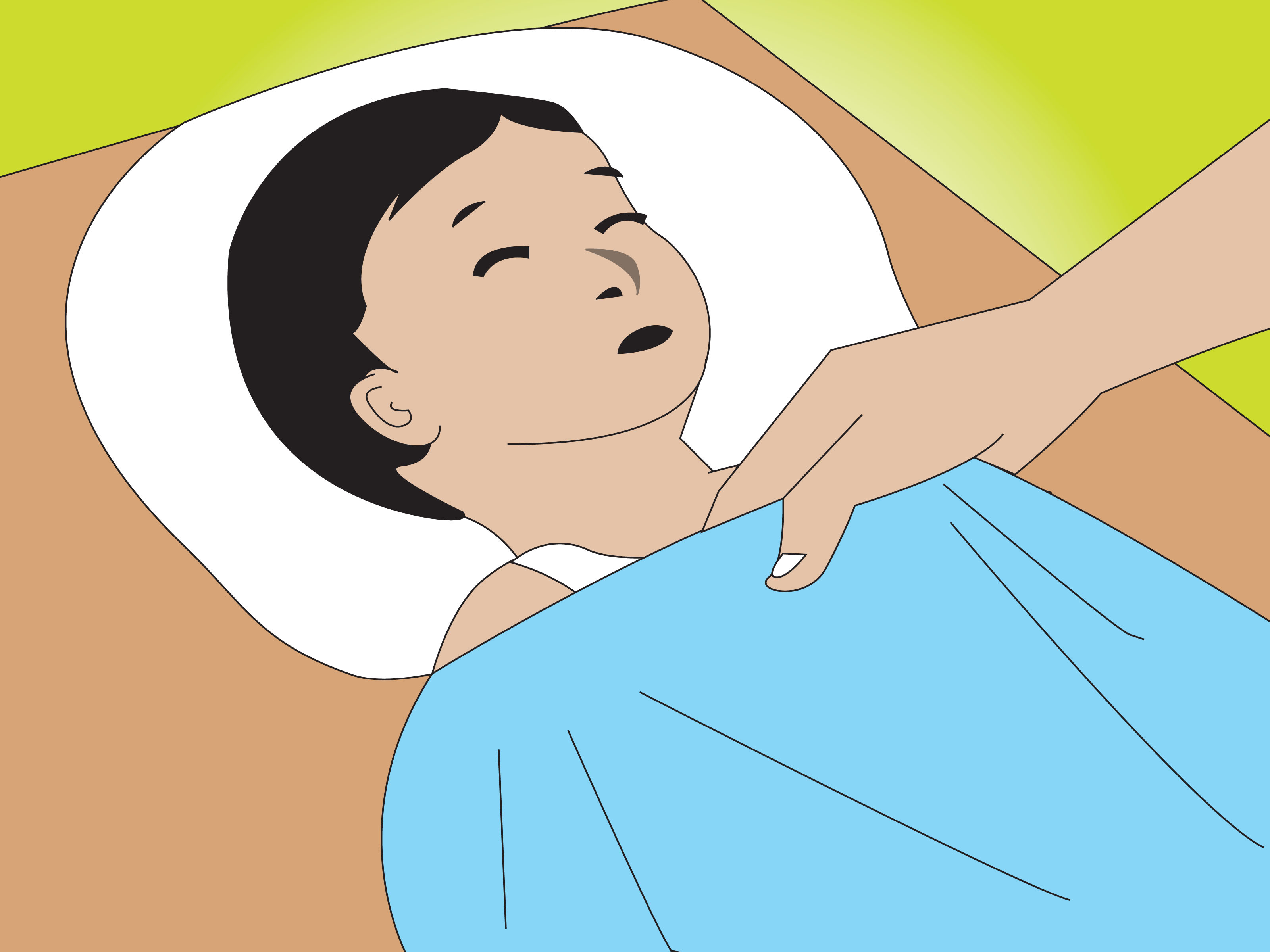
When your baby feels hot, your brain usually skips straight past logic and lands on one thought: Why does my tiny human feel like a toaster pastry? That reaction is normal. But the smartest way to reduce a baby’s body temperature is not to panic, strip the nursery bare, or turn bath time into a polar expedition. It is to slow down, check the temperature the right way, focus on comfort, and know when it is time to call the doctor.
A fever is not always the villain in the story. In many cases, it is the body’s way of fighting infection. The real goal is not to “defeat” every degree on the thermometer. The goal is to help your baby feel better, stay hydrated, avoid overheating, and get medical care quickly when warning signs show up.
This guide walks you through nine practical steps to lower a baby’s temperature safely, plus the mistakes parents should avoid and the real-world experiences many families have during those long, sweaty, worried nights.
Before You Start: Fever vs. Overheating
Not every hot baby has a fever. Sometimes a baby feels warm because the room is stuffy, the pajamas are too thick, the swaddle is working overtime, or the weather is blazing. Other times, a true fever points to an infection.
That difference matters. If your baby is overheated, cooling the environment and removing extra layers may solve the problem quickly. If your baby has a true fever, comfort care helps, but you also need to monitor symptoms, hydration, and age-based risk.
As a rule, do not guess by touching the forehead alone. Your hand is helpful for loading the dishwasher, holding the baby, and dramatically declaring, “Yep, definitely warm,” but it is not a thermometer.
How to Reduce Body Temperature of a Baby: 9 Steps
Step 1: Take the Temperature the Right Way
Start with a real thermometer, not a forehead kiss and a hunch. For young infants, especially babies under 3 months, a rectal temperature is the most reliable way to confirm a fever. Underarm readings can be off, which is not what you want when you are making decisions at 2:13 a.m. with one eye open and one sock on.
Write down the exact number, the time you took it, and the method you used. That information is incredibly useful if you end up calling your pediatrician. It also helps you avoid the classic parental phrase: “It was high… like, medically high.”
Step 2: Remove Extra Layers and Move Your Baby to a Cooler Space
If your baby is dressed like a tiny winter camper, start there. Remove hats, heavy sleep sacks, thick swaddles, and extra blankets. Dress your baby in one light layer or lightweight pajamas. If your baby is shivering, use a light blanket for comfort instead of piling on layers like you are insulating a baked potato.
Move your baby to a comfortably cool room. You do not need to turn the nursery into a meat locker. You just want a calm, breathable environment that helps the body release heat naturally. If the baby was in a hot car, hot stroller, direct sun, or a stuffy room, environmental cooling becomes even more important.
Step 3: Offer Breast Milk or Formula Frequently
Hydration matters because fever can increase fluid loss. For babies under 6 months, the safest go-to fluids are breast milk or formula unless your doctor says otherwise. Offer smaller, more frequent feeds if your baby is not interested in a full feeding.
Do not force-feed. Think “gentle encouragement,” not “restaurant manager at closing time.” A baby who takes some milk regularly and keeps making wet diapers is usually doing better than a baby who refuses feeds altogether.
If your baby is older and your pediatrician has already approved certain fluids, follow that guidance. But for young infants, keep it simple and stick with normal feeding basics.
Step 4: Let Your Baby Rest
A baby with a fever or overheating episode often wants one thing: less excitement. Now is not the perfect time for tummy time, a full family photo session, or an enthusiastic demonstration of every musical toy in the house.
Hold your baby, let them sleep, and keep stimulation low. Rest helps the body recover. It also gives you a better chance of noticing changes in breathing, fussiness, feeding, or alertness.
One helpful rule: treat the baby, not just the number. A baby with a mild temperature who is resting comfortably, feeding decently, and still making eye contact may need monitoring more than dramatic intervention. A baby with a lower temperature who looks sick, limp, or dehydrated needs medical attention faster.
Step 5: Use Fever Medicine Carefully and Only When Appropriate
Parents often think the first job is to make the thermometer read “normal” again. Not exactly. Fever medicine is mainly for comfort. If your baby is miserable, fussy, clearly uncomfortable, or not sleeping because of the fever, medicine may help.
Acetaminophen is often used for babies, but the key word here is carefully. The right dose depends on age and weight. Ibuprofen is generally not used for babies under 6 months. Aspirin should not be given to babies or children for fever.
If your baby is younger than 3 months and has a fever, do not give fever-reducing medicine before getting medical advice. In very young infants, fever can be a sign of a serious infection, and you do not want to blur the picture before your baby is assessed.
Also, avoid “creative pharmacy math.” Use the measuring device that comes with the medicine, follow the label or your pediatrician’s instructions, and do not double up on products that may contain the same active ingredient.
Step 6: Skip Cold Baths, Ice Packs, and Rubbing Alcohol
This step saves a lot of good intentions from turning into bad ideas. A baby with a fever does not need an ice bath, freezing washcloths, or a rubdown with alcohol. Those old-school tricks can make your baby more uncomfortable and, in the case of rubbing alcohol, can be dangerous.
If your baby still seems very warm and uncomfortable, a lukewarm sponge bath may help a little in some cases, especially after fever medicine has had time to work. But it is not the first line of care, and it should never be cold. Cold water can trigger shivering, which may actually make the body work harder and raise discomfort.
Think gentle, not shocking. Your goal is comfort, not turning your bathroom into a weather event.
Step 7: Watch for Signs of Dehydration
A warm baby who is still drinking well and making wet diapers is in a very different category from a warm baby who has a dry mouth, no tears when crying, sunken eyes, fewer wet diapers, or unusually low energy. Those signs can point to dehydration, and that changes the urgency.
Keep an eye on diaper output, tears, mouth moisture, and overall alertness. Babies can go from “just cranky” to “needs a doctor” faster than most adults can find the rectal thermometer case.
Step 8: Monitor Other Symptoms, Not Just the Temperature
Temperature matters, but it is only one clue. Pay attention to how your baby looks and acts. Is your baby breathing comfortably? Feeding at least a little? Waking up? Making eye contact? Settling in your arms? Or does your baby seem hard to wake, floppy, breathing fast, crying inconsolably, vomiting repeatedly, or developing a rash?
Those details matter as much as the number on the thermometer. A fever with no alarming symptoms can often be monitored at home for a short time in older babies. A baby who looks truly sick needs more than home care, even if the thermometer is not wildly dramatic.
Step 9: Know Exactly When to Call the Doctor
This is the step that every parent should save in their mental emergency folder.
- If your baby is younger than 3 months and has a temperature of 100.4°F (38°C) or higher, call your doctor right away.
- If your baby is 3 to 6 months old and has a temperature around 102°F (38.9°C) or higher, contact your pediatrician for guidance.
- If your older baby has a higher fever, a fever that keeps returning, or a fever lasting more than a couple of days, call your doctor.
- Get urgent medical help if your baby has trouble breathing, severe vomiting, a seizure, a stiff neck, signs of dehydration, an unusual rash, extreme sleepiness, or has been in a very hot place such as an overheated car.
In other words, yes, the temperature matters. But the whole baby matters more.
Common Mistakes Parents Make When Trying to Lower a Baby’s Temperature
Overbundling
Many parents instinctively add layers because the baby feels sick. But too much clothing traps heat. Light layers are usually better.
Chasing the Number
Not every fever has to be pushed down instantly. In many cases, the purpose of treatment is comfort, not turning 101°F into a perfect 98.6°F like it is a home improvement project.
Using the Wrong Thermometer Method
If the baby is very young, a vague underarm reading may create confusion. Confirming the temperature correctly can save you stress and speed up the right decision.
Giving the Wrong Medicine or Dose
Age matters. Weight matters. Concentration matters. Random guessing definitely does not matter in a useful way.
Trying Folk Remedies
Alcohol rubs, ice baths, and extreme cooling methods deserve retirement. Politely, firmly, immediately.
When the Cause Might Be Heat, Not Infection
Sometimes the issue is not fever from illness but overheating. This can happen in hot weather, in overdressed babies, or after time in a very warm environment. In those cases, remove extra layers, move to a cooler place, and offer feeds right away.
If your baby seems confused, unusually sleepy, hard to wake, or has been in an overheated car or dangerously hot environment, seek emergency help. Heat-related illness is not something to “watch and see” for hours.
Real-World Parent Experiences: What Usually Happens at Home
Parents often imagine that lowering a baby’s temperature will look dramatic. In real life, it usually looks much less cinematic. A baby feels warm, the parent checks the temperature three times because the first reading seems rude, extra layers come off, the room gets a little cooler, and feeds become the evening’s main event. Then everyone waits, which is both medically reasonable and emotionally annoying.
One common experience is realizing the baby was simply overdressed. Many families discover that a heavy sleeper, thick swaddle, socks, hat, and warm room can make a baby feel far hotter than expected. Once the extra layers come off, the baby settles, the temperature drops, and the parents quietly forgive themselves while pretending they were calm the whole time.
Another common experience is the “mild fever, huge panic” situation. A baby gets a temperature just over the fever line, the parent immediately imagines every illness on the internet, and then the pediatrician asks a series of wonderfully grounding questions: Is the baby under 3 months? Is the baby feeding? Are there wet diapers? Is the baby breathing normally? Is the baby alert between naps? Those questions help parents shift from fear to observation. That shift matters because it turns panic into action.
Many parents also report that the hardest part is not the fever itself, but the uncertainty. The baby may be clingier, sleepier, less interested in feeding, or strangely more dramatic than usual. A temperature can make parents feel like they must fix everything immediately. But often the most helpful things are boring: fluids, light clothing, rest, careful monitoring, and calling the doctor when age or symptoms make it necessary. Boring care wins a lot of nights.
There is also the familiar medicine moment. Parents often hope one dose will make the fever vanish and the baby return to smiling like a diaper commercial. Instead, what usually happens is more modest. The temperature may drop a little, the baby may seem less fussy, and the real victory is that the baby drinks, rests, and looks more comfortable. That is success. Comfort is success.
Experienced parents often say the same thing afterward: they learned to watch the baby, not obsess over the thermometer alone. They learned what their child looks like when just uncomfortable versus truly sick. They learned to count wet diapers, trust a proper temperature reading, and call for help sooner when the baby is very young or symptoms look wrong. Most of all, they learned that staying calm does not mean staying passive. It means taking smart steps in the right order.
And maybe that is the most useful parenting experience of all. Not becoming fearless. Just becoming steady. Because when your baby feels hot and unhappy, steady beats dramatic every single time.
Conclusion
If you need to reduce a baby’s body temperature, start with the basics: confirm the temperature, remove extra layers, keep the room comfortably cool, offer breast milk or formula, let your baby rest, and use age-appropriate fever medicine only when needed for comfort. Avoid cold baths, alcohol rubs, and guesswork. Most important, know the red flags that mean it is time to call the doctor right away.
The best approach is calm, careful, and a little boring. Fortunately, boring is often exactly what helps babies most.