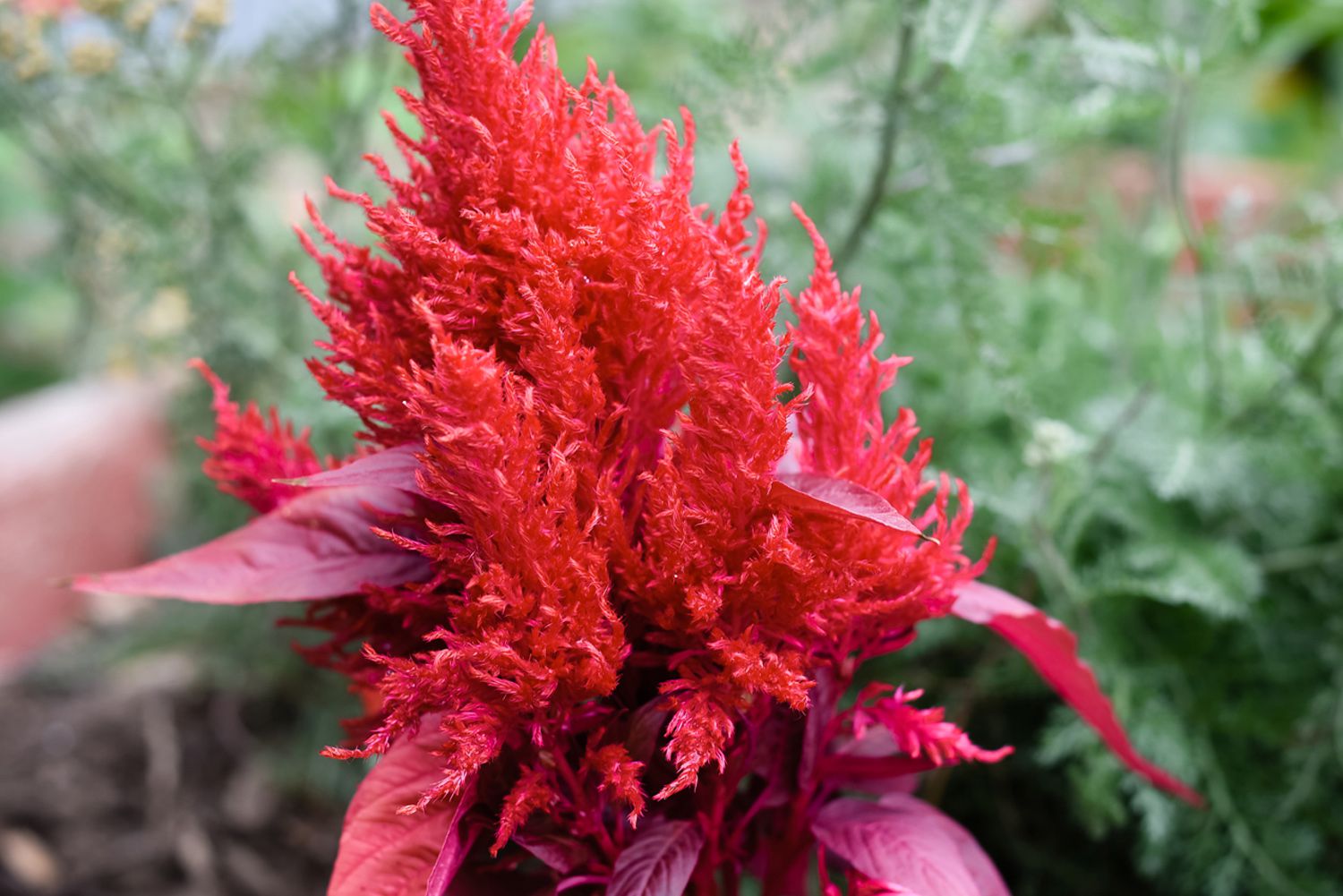
Celosia is what happens when summer decides to show off. It comes in feathery flames, brainy “cockscomb” crests, and wheat-like spikesbasically, the plant equivalent of a costume change mid-party. The best part? Once you give it warmth, sun, and decent drainage, it’s remarkably low-drama and blooms like it’s being paid per flower.
This guide covers how to plant and grow celosia from seed or transplants, how to keep it blooming longer, and how to avoid the most common “why are you like this?” gardening moments.
Celosia 101: What You’re Growing (and Why It’s So Extra)
Most garden celosia you’ll see is in the Celosia argentea family group, grown as a warm-season annual in most of the U.S. It’s famous for its long-lasting color and texture, and it tolerates heat like it’s sipping iced tea in the shade (while still insisting on full sun).
The three main types you’ll run into
- Plumed celosia (plume type): feathery spikes in hot colorsthink “tiny fireworks.”
- Cockscomb celosia: thick, velvety crests that look like coral or a fancy brain. Heavy blooms may need staking.
- Wheat celosia: upright spikes that resemble wheat heads, often with a metallic sheen as they mature.
Where Celosia Grows Best: Sun, Soil, and the “Warmth Rule”
Sunlight
Celosia performs best in full sun. Aim for at least 6 hours daily, and more is even better. Too much shade = tall, floppy plants with fewer blooms (a.k.a. the botanical version of forgetting your coffee).
Soil
Celosia likes well-drained soil that’s moderately fertile. It appreciates compost or organic matter, especially if your soil is sandy (dries too fast) or clay-heavy (holds water too long). The goal is soil that stays lightly moist but never swampy.
Temperature (the big deal)
Celosia is a heat lover. Planting too earlywhen nights are still coldcan stunt growth and trigger early blooming before the plant has built a good size. Translation: it’s not “early to the party,” it’s “late to everything” unless the soil is warm.
When to Plant Celosia Outdoors
Plant celosia outdoors after the last frost and once the soil has warmed. In many regions, that’s late spring. If you’re unsure, use this practical test: if you’d happily sit on the soil in shorts without regretting your life choices, celosia will probably be fine.
Example timing (so you can visualize it)
- USDA Zone 6 (cold winters): start seeds indoors in late March to early April; transplant outdoors mid-May after frost risk passes.
- USDA Zone 9 (warm climate): start indoors in late January to February or direct sow once nights are consistently warm; transplant in early to mid-spring.
How to Start Celosia from Seed Indoors
Starting from seed gives you more variety (and costs less), and celosia grows fast once it’s warm. Plan to start seeds indoors about 6–8 weeks before your last expected frost date.
What you’ll need
- Seed-starting trays or small pots with drainage
- Seed-starting mix (lighter than garden soil)
- Bright light (sunny window + grow light works best)
- Warmth (a heat mat helps if your home runs cool)
Step-by-step seed starting
- Fill trays with moist seed-starting mix (damp like a wrung-out sponge).
- Sow on the surface or barely cover. Many celosia seeds germinate best with light, so don’t bury them deeply.
- Keep warmroughly the low-to-mid 70s °F is ideal for germination.
- Water gently by misting or bottom-watering so you don’t wash seeds away.
- Give strong light as soon as seedlings emerge to prevent legginess.
Seedling care tips that prevent heartbreak
- Don’t overwater. Constantly soggy soil invites damping-off (a fungal issue that can topple seedlings overnight).
- Thin early. If multiple seeds sprout in one cell, snip extras at the basedon’t yank and disturb roots.
- Pot up if needed. If roots fill the cell before planting time, move seedlings to a slightly larger pot so they don’t stall.
Direct-Sowing Celosia Outdoors
You can direct sow celosia in the garden if you have a long, warm growing season. Sow after frost, once the soil is warm, and keep the seedbed evenly moist until seedlings establish.
Direct sowing tips
- Sow shallowly (light coverage, not deep planting).
- Mark your rowstiny seedlings are easy to mistake for “mysterious weeds.”
- Thin to proper spacing so plants have airflow and don’t compete for light.
Transplanting Celosia: Move Them Out Without Drama
Whether you grew your own seedlings or bought nursery starts, transplanting is where many gardeners accidentally turn celosia into a very colorful sulk.
Hardening off (non-negotiable)
For 7–10 days, gradually introduce plants to outdoor conditions: shade first, then increasing sun and wind exposure. This prevents sunscald and stress.
Spacing
Space most celosia 6–12 inches apart depending on the variety. Dwarf types can be closer; tall types need more room and better airflow. If you’re growing large cockscomb types, give them a little extra space (and maybe a supportive friend, like a stake).
Planting steps
- Dig holes slightly wider than the root ball.
- Set plants at the same depth they were growing in the pot.
- Water in thoroughly to settle soil around roots.
- Mulch lightly to reduce moisture swings, but don’t bury the stems.
Watering Celosia: The Goldilocks Routine
Celosia likes consistent moisture while establishing, then becomes fairly tolerant once roots are developed. The biggest mistake is keeping soil constantly wetcelosia is not a bog plant.
A simple watering rule
Water when the top inch of soil feels dry. Water deeply, then let the soil breathe. Try to water at the base rather than soaking foliage, especially in humid areas.
Fertilizing: Feed for Blooms, Not Just Leaves
Celosia isn’t a heavy feeder, but it blooms best with moderate nutrition. Too much nitrogen can produce lush leaves and fewer flowersgreat if your goal is “leafy green situation,” less great if you wanted neon plumes.
Easy feeding plan
- Mix a balanced, general-purpose fertilizer into the soil at planting (optional but helpful in poor soil).
- Then feed lightly about once a month during active growthmany gardeners prefer a bloom-leaning formula (slightly higher phosphorus than nitrogen).
Pinching, Deadheading, and Staking
Pinching (for bushier plants and more blooms)
Pinching means removing the top growing point when plants are young (often around 6–12 inches tall). This encourages branching, which usually means more stems and more flowersespecially useful for plumed and cockscomb types.
Deadheading (for a longer show)
Remove spent blooms to encourage continued flowering and keep plants tidy. If you want celosia to self-seed, leave some flowers to mature at the end of the season.
Staking (mostly for big cockscombs and tall types)
Cockscomb varieties can develop heavy flower heads. In windy spots, taller cultivars may also lean. A discreet stake or a sheltered planting location saves you from the “beautiful plant, horizontal presentation” problem.
Growing Celosia in Containers
Celosia can grow in pots, but many gardeners find it performs best in garden beds where roots stay cooler and moisture is more stable. If you do container-grow it, pick compact varieties and focus on drainage.
Container success checklist
- Choose a pot with drainage holes (non-negotiable).
- Use a high-quality potting mix, not heavy garden soil.
- Water more frequently than in-ground plants, but don’t keep it constantly wet.
- Feed lightlycontainers leach nutrients faster.
Common Problems (and How to Fix Them Fast)
1) Plants are stunted or bloom too early
Cause: Cold stress (planted too early) or seedlings left too long in trays/packs, which checks growth.
Fix: Wait for warmer soil and nights before planting out, and transplant seedlings before they become root-bound.
2) Leggy plants with few flowers
Cause: Not enough sun, too much nitrogen, or crowded spacing.
Fix: Move to full sun (or plan better placement next time), reduce high-nitrogen feeding, and thin or transplant for airflow.
3) Leaf spots or mildew
Cause: Humidity + wet foliage + poor airflow. Some celosia can develop powdery mildew late in the season.
Fix: Water at the base, space plants properly, remove heavily affected leaves, and avoid overhead watering in the evening.
4) Aphids, mites, whiteflies, or plant bugs
What you’ll see: Sticky residue, curled leaves, stippling, or generally tired-looking foliage.
Fix: Start with a strong spray of water, then use insecticidal soap or horticultural oil if pressure persists. Keep plants healthy (not overfertilized) and watch the undersides of leaves.
How to Use Celosia in the Garden (and in a Vase)
Celosia is a design cheat code: it adds vertical structure, vivid color, and texture that plays nicely with mounded flowers. Try it with zinnias, marigolds, salvias, and ornamental grasses for a heat-loving summer bed that doesn’t quit.
As a cut flower
Harvest when blooms are fully formed and stems feel firm. Celosia works fresh or dried. For drying, strip leaves and hang stems upside down in a dark, well-ventilated place.
Quick Celosia Cheat Sheet
- Light: Full sun
- Soil: Moist but well-drained, moderate fertility
- Planting time: After last frost, once soil is warm
- Spacing: Typically 6–12 inches (variety-dependent)
- Maintenance: Pinch for branching; deadhead for longer bloom
- Biggest mistake to avoid: Planting too early in cold conditions
Experience Notes: Real-World Lessons Gardeners Learn With Celosia (the Fun Way or the Hard Way)
If you grow celosia for a season or two, you’ll notice a pattern: when it’s happy, it’s ridiculously happyand when it’s annoyed, it sulks quietly until the weather improves. A lot of gardeners’ “celosia stories” start with planting it too early because the garden center made it look irresistible in April. The plants don’t usually die on the spot; they just… pause. They sit there like they’re buffering. Then, once true summer heat finally arrives, they either take off or they bloom early while still small, which looks like a tiny firework on a toothpick. The lesson: celosia is not impressed by your optimism. It wants warm soil and warm nights, not pep talks.
Another common experience is the watering trapespecially with new gardeners who treat every droopy afternoon leaf like a medical emergency. In hot sun, celosia (like many plants) can look slightly wilted midday even when the soil is fine. If you respond by watering constantly, you can end up with overly wet soil, slower roots, and more leaf-spot issues. Gardeners who get the best results tend to water deeply, then step back and let the soil dry slightly between drinks. It’s less “constant spa treatment,” more “thoughtful hydration plan.”
Pinching is another thing people skipright up until they see a neighbor’s celosia that looks like a fireworks bouquet. When gardeners pinch young plants, they’re usually rewarded with more branches and a fuller, flowerier plant. The hesitation is understandable: it feels wrong to cut off a perfectly good top. But celosia often responds like, “Oh! You want more flowers? Say less.” The one exception is if you’re aiming for a single dominant bloom on certain varieties; otherwise, pinching is usually a net win.
Cockscomb types come with their own very specific life lesson: heavy flowers are not held aloft by good intentions. Gardeners often discover this after a summer thunderstorm when the blooms are suddenly facing sideways. A discreet stake, a sheltered spot, or even planting in a denser grouping can keep those big velvet crests upright. And if you’re growing wheat celosia, gardeners often notice how it keeps changing as the season progressesspikes elongate, colors deepen, and the plant can look even better in late summer than it did in July. It’s one of those flowers that doesn’t peak once; it just keeps evolving.
Finally, there’s the end-of-season surprise: celosia can self-seed generously if you let the flowers mature. Some gardeners love this because it turns into a “free plants next year” situation. Others discover seedlings everywherepaths, cracks, unrelated garden bedsand learn the difference between “charming volunteers” and “why is this plant in my patio joints?” If you want control, deadhead regularly and leave only a few blooms to set seed in the exact spot you’d like new plants. If you want a little chaos (the fun kind), let a few plants go to seed and see what shows up next spring. Celosia is generous that waysometimes too generous.
Conclusion
Celosia is one of the easiest ways to get bold color and wild texture in summer gardensprovided you respect its one big rule: wait for warmth. Give it full sun, well-drained soil, consistent (not constant) moisture, and a little grooming, and it’ll bloom for months. Start from seed for variety, pinch for fullness, deadhead for longevity, and enjoy the kind of flowers that make your garden look like it has a personality.