Five Nights at Freddy’s is one of those games that can make a perfectly normal room feel suspicious. Suddenly your desk lamp looks judgmental, your closet is “probably fine,” and every tiny noise in the house sounds like an animatronic practicing tap dance in the hallway. The good news? You can enjoy FNAF without feeling like your soul has left your body and is hiding behind the couch.
The secret is understanding how the fear works. Five Nights at Freddy’s is designed around suspense, limited control, creepy atmosphere, sudden jump scares, and the pressure of surviving until morning. It is not random magic. It is game design. Once you learn the tricks behind the scares, the game becomes less like “I am trapped in a nightmare pizza restaurant” and more like “I am managing a very aggressive security-camera spreadsheet.” Still scary? Sure. Impossible? Not at all.
This guide breaks down how to not be scared of Five Nights at Freddy’s in six practical steps. You will learn how to reduce jump scare anxiety, control your environment, understand the animatronics, use humor, take smart breaks, and build confidence gradually. No need to pretend you are fearless. Fearless people are suspicious anyway. Brave people get scared and keep playing with the volume slightly lower.
Why Five Nights at Freddy’s Feels So Scary
Before you can stop being scared of FNAF, it helps to know why the game works so well. The original Five Nights at Freddy’s places you in a small security office where you watch cameras, manage power, close doors, and survive until 6 a.m. The gameplay sounds simple, but the emotional pressure is huge because the game makes you wait. Waiting is where your imagination starts doing unpaid overtime.
FNAF uses several fear triggers at once: darkness, creepy character design, sudden audio cues, restricted movement, limited resources, and jump scares. You cannot run around freely in the first game. You mostly sit, watch, listen, and hope you did not make a mistake. That helpless feeling is part of the formula. The animatronics are not scary only because they look unsettling; they are scary because you know they are coming, but you do not always know exactly when.
Once you understand that FNAF is built from predictable systems, the fear becomes easier to manage. You are not facing real danger. You are reacting to sound design, timing, surprise, and atmosphere. Your brain is simply doing its job a little too enthusiastically, like a security guard who heard one noise and immediately called the National Guard.
Step 1: Learn the Game Mechanics Before You Play
The fastest way to make Five Nights at Freddy’s less scary is to replace mystery with knowledge. Fear loves the unknown. The more you understand how the game works, the less power it has over you. Instead of thinking, “Something is going to get me!” you can think, “Bonnie usually approaches from the left, Chica from the right, Foxy needs camera attention, and Freddy is dramatic because apparently every band needs a diva.”
Turn Monsters Into Patterns
Each FNAF game has rules. The animatronics move in patterns, react to certain player behaviors, and punish specific mistakes. When you learn these patterns, the game becomes more strategic. You are not just waiting to be startled; you are solving a tense puzzle.
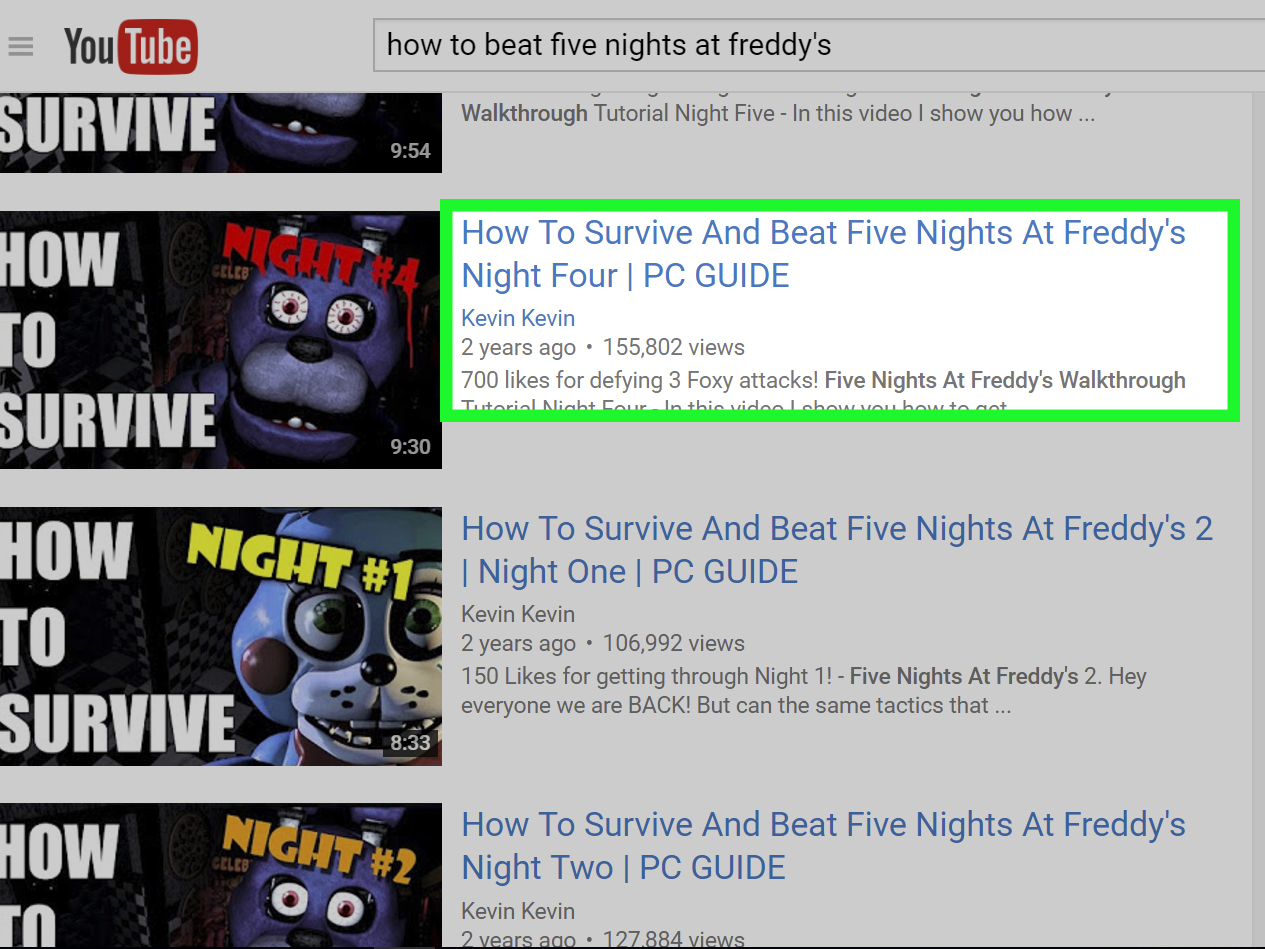
For beginners, start by watching a simple gameplay guide or reading a spoiler-light strategy summary before playing. Learn what each button does. Understand when to check cameras, when to use doors, how power drains, and why panic-clicking everything is usually a bad idea. In FNAF, panic is expensive. It burns power, wastes attention, and turns your office into a very stressful light-switch convention.
Knowledge also helps with jump scares. If you know why a jump scare happened, it feels less personal. The game did not “get you” because the animatronic has a grudge against your family. It happened because you missed a cue, left a door open, ignored a camera, or stayed too calm for too long and the game decided to humble you.
Step 2: Control Your Real-Life Playing Environment
You do not have to play Five Nights at Freddy’s in total darkness at midnight while wearing headphones loud enough to hear Freddy blink. That is not bravery. That is a personal invitation for your nervous system to file a complaint.
Make the Room Less Spooky
Play in a comfortable, well-lit room. Keep a lamp on. Sit somewhere you feel safe. If you are especially nervous, play during the day. There is no rule saying you must experience FNAF like a horror YouTuber in a haunted basement. Your goal is to enjoy the game, not audition for “Most Dramatic Chair Launch.”
Lower the volume a little, especially at first. FNAF relies heavily on sound, so you still need to hear important cues, but you do not need the jump scare audio to rearrange your skeleton. If headphones make the game too intense, use speakers instead. Speakers create a little distance between you and the sound, which can reduce the feeling that the animatronic is whispering directly into your personal space.
You can also keep something normal nearby: a drink, a snack, a favorite hoodie, or even a funny object on your desk. A rubber duck next to your keyboard can do wonders. It is difficult to feel completely doomed when a tiny yellow duck is silently judging your door-management skills.
Step 3: Use Gradual Exposure Instead of Forcing Yourself
If FNAF scares you a lot, do not jump straight into the hardest night and expect yourself to become fearless by pure willpower. That usually ends with sweaty hands, bad decisions, and closing the game so fast your computer wonders what happened.
A better method is gradual exposure. That means you approach the scary thing in small, manageable steps. You teach your brain, “This is uncomfortable, but I can handle it.” Over time, the fear response becomes less intense.
A Simple FNAF Fear Ladder
Start with the least scary version of the experience. You might begin by looking at screenshots of the game. Then watch a funny FNAF video with commentary. Next, watch a short gameplay clip during the day. After that, play Night 1 with the lights on and the volume moderate. Then replay it until it feels familiar. Only move to harder nights when you feel ready.
This method works because your brain learns through repetition. The first jump scare might make you flinch. The fifth one may still surprise you, but it becomes less mysterious. The tenth one might make you say, “Okay, yes, very loud bear, thank you for your contribution.”
Do not treat fear like a boss fight you must defeat in one round. Treat it like training. Small progress counts. If you played for five minutes longer than last time, that is progress. If you watched a jump scare compilation and only flinched once, that is progress. If you did not throw your mouse into another time zone, that is definitely progress.
Step 4: Practice Calm Breathing When the Tension Builds
FNAF is scary partly because it keeps your body on alert. Your shoulders tense, your breathing gets shallow, and your brain starts scanning for danger. That reaction is normal. The problem is that shallow breathing can make you feel even more anxious, which makes the game seem scarier than it really is.
Try the 4-4-6 Breathing Trick
When you feel nervous, breathe in for four counts, hold for four counts, and breathe out for six counts. Repeat this three to five times. The longer exhale helps your body settle down. You can do this between nights, after a jump scare, or whenever your heart starts acting like it joined a drumline.
Another option is grounding. Look around your real room and name five things you can see, four things you can feel, three things you can hear, two things you can smell, and one thing you can taste. This reminds your brain that you are not inside Freddy Fazbear’s Pizza. You are in your room, at your desk, probably wearing socks, and no animatronic has ever successfully climbed out of a monitor. Technology is not that advanced, thankfully.
Calming your body does not remove all fear, but it lowers the volume on it. Once your body feels safer, your mind can make better decisions. You will check cameras more carefully, manage power better, and stop slamming both doors every time the game makes a noise that sounds vaguely rude.
Step 5: Make the Game Funny on Purpose
Humor is one of the best tools for reducing fear. FNAF is creepy, but it is also very meme-friendly. The characters are haunted restaurant mascots. The setting is basically a children’s party place with the lighting choices of a villain’s basement. There is room for jokes.
Rename the Fear
Try giving the animatronics silly nicknames. Freddy becomes “Mr. Microphone Bear.” Bonnie becomes “Left Hallway Bunny Accountant.” Chica becomes “Cupcake Supervisor.” Foxy becomes “Curtain Goblin.” When you rename something scary, you make it less powerful. Your brain has a harder time panicking when you are saying, “Curtain Goblin is getting active; better check Pirate Cove.”
You can also narrate your gameplay like a sports commentator. “And here we see the night guard checking the left light for the 43rd time, a bold strategy, possibly because he has no emotional stability left.” Laughing does not ruin the horror; it gives you control over it.
Playing with a friend can help too. A second person makes the experience feel social instead of isolating. Take turns, joke about bad decisions, and celebrate tiny victories. If you both get jump-scared, congratulations: that is not failure. That is synchronized panic, a rare and beautiful art form.
Step 6: Take Breaks and Know Your Limits
Not being scared of Five Nights at Freddy’s does not mean forcing yourself to play when you feel overwhelmed. Horror games are entertainment. If the game stops being fun and starts making you genuinely anxious, step away. There is no trophy for suffering through a game you are not enjoying. Freddy will not mail you a certificate that says “Bravest Night Guard.” He is busy standing dramatically in the dark.
Use Breaks Strategically
After a jump scare, pause for a minute. Stand up, stretch, drink water, or watch something funny. Avoid immediately replaying if your body is still in panic mode. Give yourself time to reset. When you return, you will play better and feel more in control.
It is also okay to decide that certain FNAF games are too intense for you right now. Different entries in the franchise feel different. Some focus on office survival. Others use free-roam exploration, VR-style immersion, or darker environments. If one game is too much, try a less intense entry, watch gameplay instead, read the lore, or explore the books and fan discussions. You can be a FNAF fan without personally surviving every night like a caffeinated security guard with a flashlight addiction.
If scary games affect your sleep, mood, or daily life, take a longer break and talk with someone you trust. That is not embarrassing. It is smart. Entertainment should add excitement to your life, not make bedtime feel like a boss level.
Extra Tips to Make Five Nights at Freddy’s Less Scary
Watch the Jump Scares Before Playing
This sounds backward, but it can help. If jump scares are your biggest fear, watching them in advance removes the surprise. You will know what the animation looks like and what sound to expect. The first time may still startle you, but after a few viewings, it becomes more familiar.
Play in Short Sessions
Instead of playing for an hour, try one night at a time. Short sessions reduce emotional overload and make the game feel manageable. When you finish a night, stop for a moment and acknowledge the win. Yes, even Night 1 counts. Every FNAF player starts somewhere, usually by wasting too much power and learning that doors are not decorative.
Focus on Strategy, Not Fear
Give your brain a job. Track patterns. Watch power usage. Listen for audio cues. Plan your camera checks. When your mind is busy solving the game, it has less space to invent worst-case scenarios. Strategy turns fear into concentration.
Remember That FNAF Is Designed to Be Beatable
The game wants to scare you, but it also gives you tools. Cameras, doors, lights, audio cues, hiding spots, and movement patterns are all part of the design. The animatronics may look intimidating, but they are still controlled by rules. Once you learn the rules, the game becomes less like chaos and more like a creepy board game with jump scares.
Common Mistakes That Make FNAF Scarier
One common mistake is playing too late at night. If you are already tired, your imagination gets stronger and your patience gets weaker. Another mistake is turning the volume too high. Loud audio makes jump scares more intense than they need to be. A third mistake is trying to act tough in front of friends. If you pretend you are not scared, you may push yourself too hard and enjoy the game less.
Another big mistake is avoiding all information because you think spoilers ruin the experience. For some players, going in completely blind is fun. For nervous players, a little knowledge can make the game much more enjoyable. Spoiling one mechanic is better than spending the whole night terrified of every hallway pixel.
Finally, do not compare yourself to streamers. Many horror game streamers exaggerate reactions because it is entertaining. Others have played so many scary games that they are used to the rhythm. Your reaction is your reaction. You are allowed to flinch, laugh, pause, or say, “Nope,” with the dignity of someone making a healthy personal choice.
Is Five Nights at Freddy’s Too Scary for Beginners?
FNAF can be intense for beginners, especially if you are sensitive to jump scares. However, it is also a good “starter horror” series for some players because the rules are learnable and the scares are usually built around suspense rather than constant action. The first game is especially simple in structure: watch, listen, conserve power, and survive.
If you are new to horror games, start with observation. Watch a calm player explain what they are doing. Then try playing with lights on and sound adjusted. You do not have to beat every night immediately. The goal is to become comfortable with the loop: check, react, breathe, repeat.
Think of FNAF like a haunted chess match. The animatronics move. You respond. Sometimes they surprise you. Sometimes you make a mistake. Sometimes you survive with 1% power and feel like you just won an Olympic medal in Not Screaming. That feeling is part of the fun.
Personal Experience: Learning to Enjoy FNAF Without Panicking
The first time many players try Five Nights at Freddy’s, they do not feel like brave horror fans. They feel like unpaid interns at the worst pizza restaurant in America. The office is small, the cameras are grainy, the power meter is rude, and every hallway light feels like it is judging your choices. At first, even opening the camera can feel stressful because you are afraid something will change while you are looking away.
A common experience is overusing every tool. You check the left light, check the right light, open the camera, close both doors, stare at the power meter, regret everything, and repeat. By 2 a.m., half your power is gone and you have accomplished nothing except developing a personal feud with electricity. Then the power runs out, the music starts, and you sit there in the dark thinking, “This is fine,” while absolutely none of it feels fine.
But after a few tries, something changes. You begin to notice patterns. You realize not every sound means instant doom. You learn that checking too often can hurt you as much as checking too little. You start making decisions instead of reacting to every tiny noise. The game becomes less overwhelming because your brain has a map.
One helpful experience is playing with someone else in the room. Even if they are not playing, having another person nearby makes the fear feel smaller. You can joke after a jump scare instead of sitting alone in stunned silence. A friend might say, “Well, that was rude,” and suddenly the animatronic feels less like a nightmare and more like an extremely committed theater kid.
Another useful trick is creating a post-scare routine. After every jump scare, pause, breathe, laugh if possible, and say what caused it. For example: “I forgot to check the left door,” or “I used too much power,” or “Foxy had places to be.” Naming the cause turns the scare into feedback. Instead of feeling helpless, you learn something for the next run.
Many players also discover that the lore is less scary when explored outside the game. Reading theories, character guides, or summaries in daylight can make the world feel more interesting than terrifying. The story becomes a puzzle. The animatronics become characters with roles in a larger mystery. Curiosity starts to compete with fear, and curiosity often wins.
The biggest lesson is that you do not need to eliminate fear completely. A little fear is the point. FNAF without tension would just be a night-shift simulator about bad lighting and questionable restaurant safety. The goal is to keep the fear at a level where it feels exciting, not miserable. Lower the volume, keep the lights on, take breaks, and learn the rules. Over time, the game becomes something you can handle.
Eventually, you may even enjoy the exact moments that used to scare you. The camera flicker becomes a clue. The footsteps become information. The power meter becomes a challenge. The jump scare becomes a dramatic reminder that you forgot your job. You still might flinch, but now you recover faster. That is the real win: not becoming fearless, but becoming confident enough to keep going.
Conclusion
Learning how to not be scared of Five Nights at Freddy’s is not about proving you are immune to horror. It is about understanding the game, controlling your environment, using gradual exposure, calming your body, adding humor, and respecting your limits. FNAF is designed to make you nervous, but it is also designed to be learned. Every sound, camera movement, and jump scare becomes less intimidating when you know what it means.
Start small. Play with the lights on. Lower the volume. Watch guides. Laugh at the absurdity of haunted pizza mascots. Take breaks when needed. With practice, Five Nights at Freddy’s can shift from “too scary” to “scary but fun,” which is exactly where a good horror game should live.
And remember: if you get jump-scared, you did not fail. You simply received a very loud customer service notification from Freddy Fazbear’s Pizza.