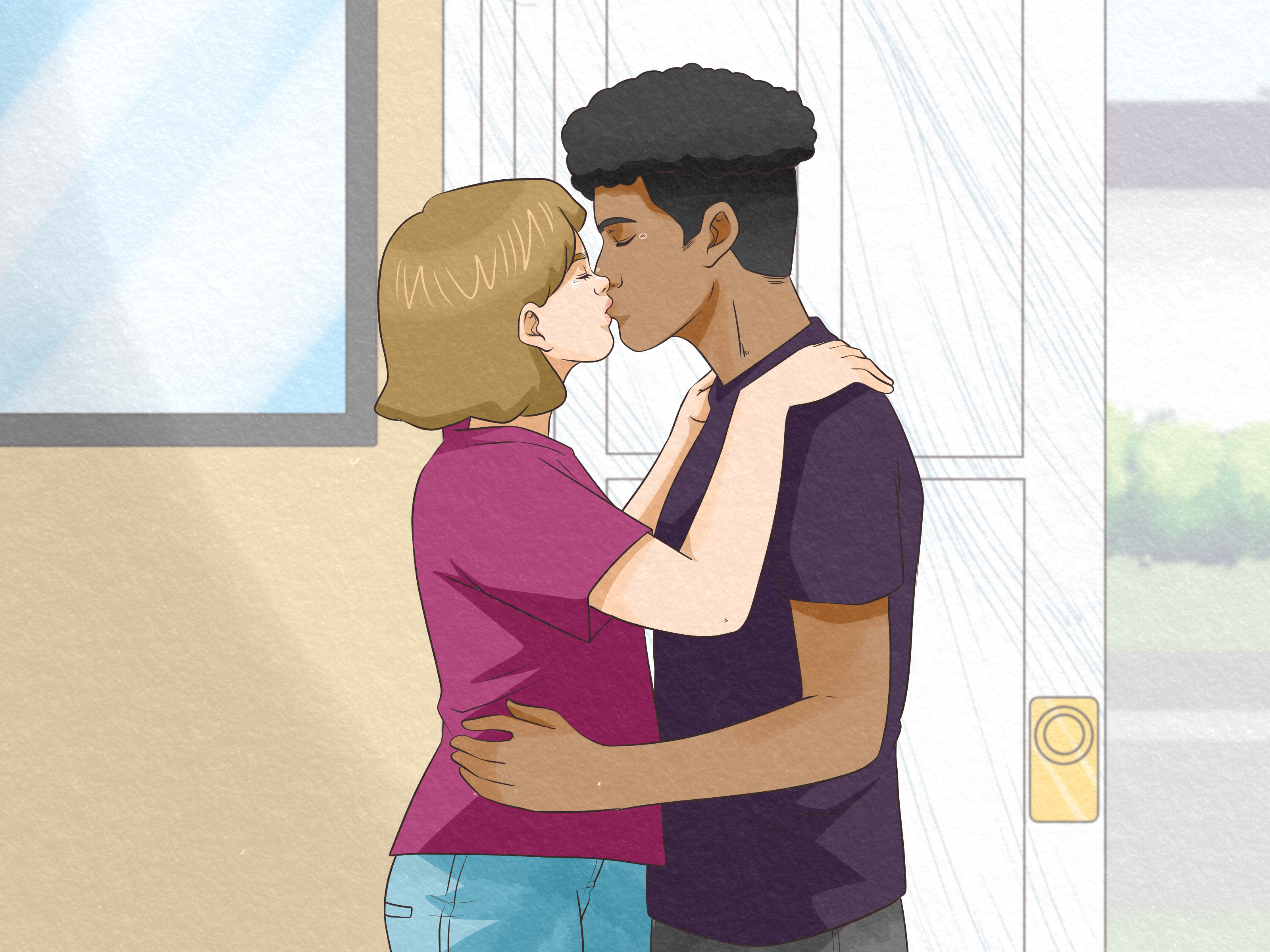
Making out for the first time can feel like a movie scene, a pop quiz, and a tiny emotional earthquake all happening at once. You may wonder where to put your hands, whether your breath is okay, how long it should last, and whether the other person is enjoying it or secretly planning to move to another state. Good news: first-time making out does not require perfect technique, dramatic lighting, or a soundtrack swelling in the background.
The best first makeout is not about being “smooth.” It is about being respectful, relaxed, and tuned in. A great kiss starts before lips meet: with consent, comfort, and the kind of mutual excitement that does not need guessing games. When both people feel safe and wanted, the whole thing becomes easier, sweeter, and much less awkward.
This guide covers how to make out for the first time with confidence, from reading the moment to keeping things comfortable, clean, and fun. Think of it as your friendly, non-cringey roadmap to a first makeout that feels natural instead of over-rehearsed.
What Does “Making Out” Mean?
Making out usually means kissing for longer than a quick peck, often with more closeness and romantic energy. It can include gentle kissing, pauses, smiling, talking, and checking in. It does not have to lead anywhere else. Saying yes to kissing does not mean saying yes to anything beyond kissing, and either person can pause or stop at any time.
That point matters. The most attractive thing you can bring to a first makeout is respect. Not a complicated move. Not a “secret technique.” Respect. It keeps the moment comfortable, honest, and enjoyable for both people.
How to Make Out for the First Time: 12 Steamy Tips
1. Make Sure There Is Clear Consent
Before a first makeout, make sure both people actually want it. Consent should be clear, mutual, and pressure-free. You do not need to deliver a formal speech like you are opening a courtroom case. A simple question can be charming: “Can I kiss you?” or “Would it be okay if I kissed you?”
If the other person says yes, smiles, leans in, and seems comfortable, that is a good sign. If they hesitate, look away, go quiet, say “maybe,” or seem unsure, slow down. A respectful pause is much better than pushing forward and making the moment uncomfortable.
Consent is also ongoing. Someone can be excited at first and then want to stop. That is not a failure. That is communication. A confident person can handle a pause with kindness.
2. Pick a Comfortable Moment, Not a Perfect One
First-time making out does not need a perfectly cinematic setup. In fact, chasing the “perfect” moment can make you more nervous. Look for a comfortable moment instead: you are both relaxed, talking easily, and there is a natural sense of closeness.
A good setting is private enough that neither person feels watched, but not so isolated that anyone feels trapped or pressured. Comfort matters more than drama. If the vibe feels calm, mutual, and unforced, you are already ahead of most romantic comedies.
3. Freshen Up Without Turning It Into a Science Project
Yes, fresh breath helps. No, you do not need to gargle mint extract under a full moon. Brush your teeth if you can, drink water, and consider gum or a mint beforehand. Avoid going overboard with perfume, cologne, or heavily flavored lip products. You want to smell pleasant, not like you were sponsored by a candle store.
Dry lips can make kissing less comfortable, so a little lip balm can help. Keep it simple. The goal is to feel clean and confident, not to prepare like you are entering a laboratory-grade kissing competition.
4. Start Slow and Keep It Simple
The biggest first-time mistake is rushing. A great first makeout usually begins softly and slowly. Start with a simple kiss and let the moment build naturally if both people are into it.
You do not need fancy moves. You do not need to copy scenes from movies, which are often designed for cameras, not real human comfort. Keep your movements gentle, pay attention to the other person’s response, and let the pace develop together.
5. Pay Attention to Body Language
Body language can tell you a lot, but it should never replace consent. If someone moves closer, smiles, relaxes, or kisses back, they may be enjoying the moment. If they pull away, tense up, turn their face, stop responding, or seem distracted, pause and check in.
A quick “Is this okay?” can make the moment feel safer and more connected. It also shows maturity. Contrary to old dating myths, checking in does not “ruin the mood.” For many people, it improves the mood because it removes uncertainty.
6. Use Your Hands Respectfully
Hands can make a makeout feel warmer and more natural, but they should stay respectful. Safe, simple options include holding hands, placing a hand lightly on the other person’s shoulder, or gently resting a hand at their upper back if they are comfortable with that.
Avoid grabbing, trapping, or touching anywhere that has not been clearly welcomed. When in doubt, ask. Respectful touch is not awkward; it is attractive because it shows that you care about the other person’s comfort.
7. Breathe, Pause, and Do Not Panic
It sounds obvious, but many first-timers forget to breathe normally because nerves take over. You are allowed to pause. You are allowed to smile. You are allowed to laugh if noses bump or something feels awkward. Small pauses make the moment feel human.
Making out is not a race. There is no prize for longest continuous kiss, and nobody should be gasping like they just finished a marathon. Pausing can actually make the moment sweeter because it gives both people a second to relax and reconnect.
8. Keep Communication Light and Natural
You do not have to talk constantly, but a few simple words can help. Try phrases like “Is this okay?” “Do you want to keep going?” or “I like being close to you.” Keep it honest and low-pressure.
If you are nervous, it is okay to say so. A simple “I’m a little nervous, but I’m happy” can be endearing. The other person may be nervous too. First makeouts are often less about perfect confidence and more about two people figuring out a new kind of closeness together.
9. Avoid Trying to Impress With Too Much Technique
Many people worry that they need to be amazing at kissing right away. The truth is, being considerate beats being flashy. Overthinking technique can make you stiff and distracted. Instead, focus on matching the other person’s pace, staying gentle, and noticing whether they seem comfortable.
Do not treat kissing like a performance review. You are not being graded by a panel of judges holding scorecards. The best first makeout feels shared, not staged.
10. Respect “No,” “Not Yet,” and “Let’s Stop” Immediately
If the other person says no, not now, slow down, or stop, respect that immediately. Do not argue, guilt-trip, tease, or ask repeatedly. A kind response can be as simple as “Of course” or “Thanks for telling me.”
Handling boundaries well builds trust. It also shows emotional maturity. A makeout should never feel like pressure. It should feel like a choice both people are happy to make.
11. Do Not Compare Your First Makeout to Movies or Social Media
Movies cut out the awkward parts. Social media filters everything. Real first kisses and makeouts can include nervous laughter, missed timing, forehead bumps, unexpected pauses, and someone suddenly remembering they ate onion rings. That does not make the moment bad. It makes it real.
Instead of comparing your experience to a scripted scene, focus on how it feels. Did both people feel respected? Was there mutual interest? Did you communicate? Those details matter more than whether the moment looked like a poster for a teen drama.
12. End on a Sweet, Comfortable Note
Knowing how to end a makeout matters. You can pull back gently, smile, hold hands, or say something simple like “That was nice.” Ending with warmth helps both people feel good afterward.
A first makeout does not need to last forever. Sometimes a shorter, comfortable moment is better than stretching it until both people are silently wondering what happens next. Leave room for a little mystery, a little sweetness, and maybe a second kiss another time.
Common First Makeout Mistakes to Avoid
Ignoring Consent
Never assume someone wants to make out just because you are on a date, texting romantically, or sitting close together. Ask, notice their response, and respect their answer.
Going Too Fast
Nerves can make people rush. Slow down. A relaxed pace gives both people time to feel comfortable and enjoy the moment.
Trying to Act More Experienced Than You Are
You do not have to pretend you are a kissing expert. Being honest, kind, and attentive is far better than acting like you have a PhD in romance from the University of Smooth Moves.
Forgetting the Other Person’s Comfort
Making out is shared. If you are only focused on your own nerves or your own excitement, you may miss signals from the other person. Stay present and considerate.
How to Know If the First Makeout Went Well
A first makeout probably went well if both people seemed comfortable, there was mutual interest, and the moment ended respectfully. You might both smile afterward, keep talking easily, or mention that you enjoyed it. But even if it was a little awkward, that does not mean it failed.
First times are often imperfect. The real win is not flawless technique. It is feeling safe, respected, and connected. If you can laugh about awkwardness and communicate openly, you are doing better than you think.
What to Say After Making Out for the First Time
Afterward, keep things simple. You might say, “That was really nice,” “I liked that,” or “Are you feeling okay?” If the other person seems shy, do not push them to make a big speech. Sometimes a smile and gentle conversation are enough.
If you are unsure how they felt, ask kindly. Try, “Was that okay for you?” or “Do you want to talk about it?” A caring check-in can prevent confusion and show that the moment mattered to you in a respectful way.
First-Time Makeout Experiences: What People Often Learn
Many first makeout stories have one thing in common: they are not as polished as people expect. Someone laughs. Someone gets nervous. Someone leans in a little too quickly and bumps noses. Someone forgets what to do with their hands and briefly turns into a human coat rack. These little moments can feel embarrassing at the time, but they often become the details people remember with a smile.
One common experience is realizing that anticipation is usually scarier than the kiss itself. Before it happens, your mind may create a full disaster movie: What if I mess up? What if they do not like it? What if I forget how faces work? Then the moment arrives, and it is usually much simpler. You ask, they say yes, you kiss, you pause, you smile. Suddenly, the imaginary orchestra of panic quiets down.
Another common lesson is that communication feels less awkward than silence. Many people worry that asking “Can I kiss you?” will sound too formal. In real life, it can be sweet, confident, and respectful. It removes the guessing game and lets both people relax. When someone knows they can say yes, slow down, or stop without being judged, the whole experience becomes more comfortable.
First-time making out also teaches people that chemistry is not only about technique. Chemistry comes from attention. It is noticing whether the other person is smiling, whether they seem relaxed, whether the pace feels mutual, and whether the moment feels shared. A person who listens and responds kindly is usually much more memorable than someone trying too hard to be impressive.
Awkwardness is another part of the experience, and it is not the enemy. A small laugh can break tension. A pause can make the moment feel more natural. If something funny happens, you do not have to pretend it did not. Real romance has bloopers. The trick is to handle them with warmth instead of panic.
Some people also learn that a first makeout can bring up unexpected emotions. You might feel happy, shy, excited, uncertain, or all of the above in a five-second emotional smoothie. That is normal. New experiences can feel big. Give yourself time to process instead of judging your reaction immediately.
Finally, many people learn that the best first makeout is not necessarily the most dramatic one. It might be short. It might be quiet. It might happen after an honest conversation rather than a grand romantic build-up. What makes it meaningful is not how “perfect” it looks from the outside. It is whether both people feel respected, comfortable, and glad it happened.
Conclusion
Learning how to make out for the first time is really about learning how to be present with another person. Yes, fresh breath helps. Yes, a comfortable setting matters. But the heart of a good first makeout is consent, communication, patience, and mutual comfort.
Do not worry about being flawless. Focus on being respectful. Start slow, pay attention, check in, and let the moment unfold naturally. If both people feel safe and wanted, the experience has already gone right. The sparks are a bonus; the respect is the foundation.
Note: This article is intended as a respectful, educational relationship guide. It avoids explicit detail and emphasizes consent, boundaries, and emotional comfort for a healthy first-time experience.