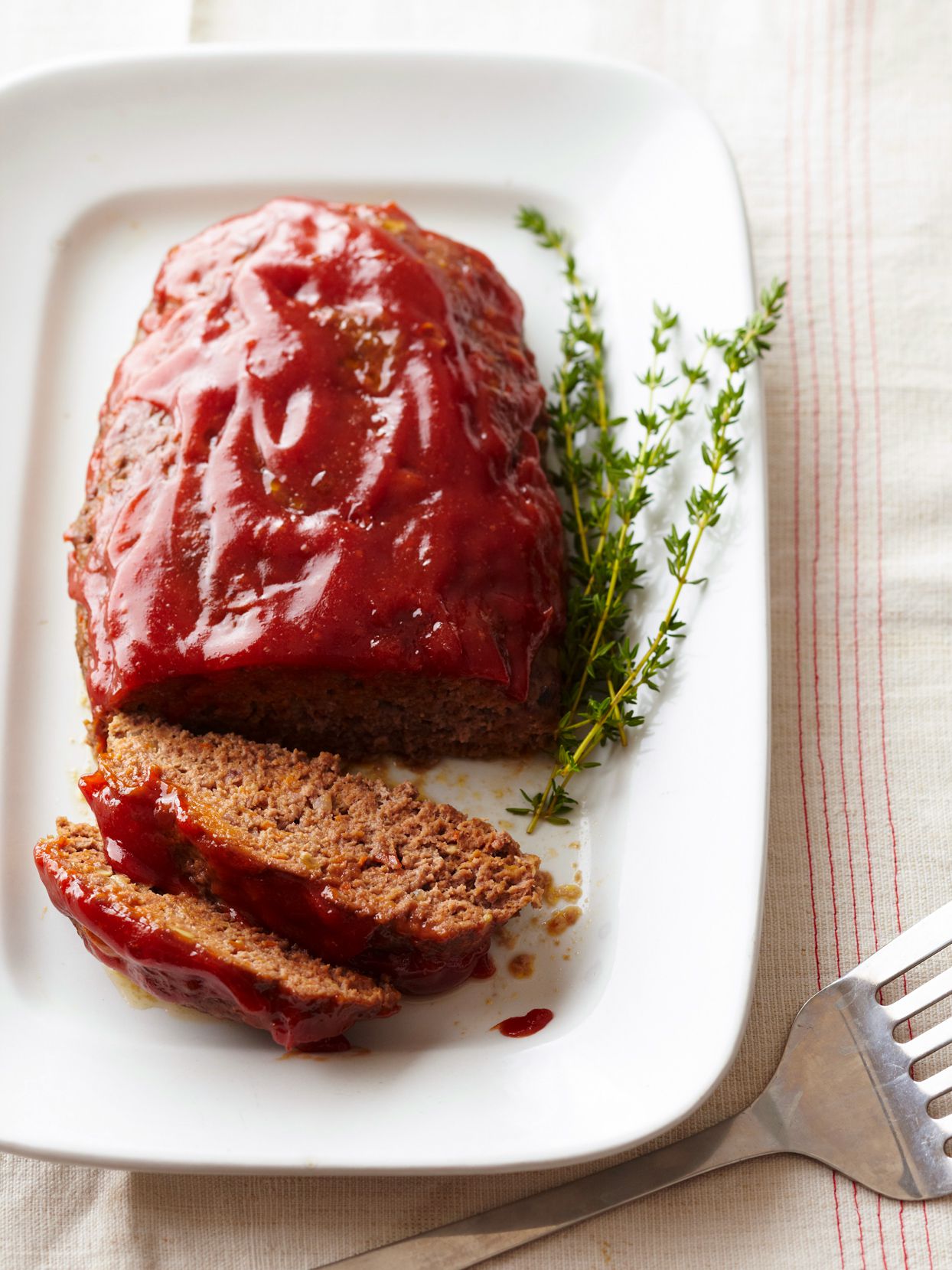
Meat loaf gets a bad rap because, at some point in history, somebody served a sad, gray, dry brick and called it “dinner.”
But meat loaf doesn’t have to be a culinary regret you drown in ketchup. When it’s done right, it’s juicy, tender, flavorful,
and sliceablelike comfort food that actually comforts you back.
This guide breaks down the real reasons meat loaf dries out and the exact techniques that make it
moist and tender every single time. No mystery. No meat cement. Just reliable results.
Why Meat Loaf Dries Out (and Why It Gets Tough)
If you understand what’s going wrong, fixing it becomes weirdly easy. Dry meat loaf usually happens because of one (or more)
of these hits:
- Too lean: Ground meat needs some fat for juiciness. Ultra-lean blends can bake up crumbly and dry.
- No moisture buffer: Without a “sponge” ingredient, the loaf can’t hold onto juices as it cooks.
- Overmixing: The more you work the meat, the tighter the proteins bind. That’s how you get dense slices.
- Overbaking: “Just to be safe” is how dinner becomes a protein-flavored eraser.
- Wrong shape/pan: A loaf packed into a pan can steam itself and turn soft, or cook unevenly.
The goal is to keep the meat proteins from tightening too aggressively while creating a mix that holds moisture like it’s
guarding treasure.
The Moisture Formula: Fat + Liquid + Gentle Handling
Moist, tender meat loaf isn’t magic. It’s a simple equation:
enough fat + a moisture-holding binder + minimal mixing + the right finish temperature.
Let’s make that real.
1) Start with the Right Meat (Fat Matters)
If you want consistently juicy meat loaf, don’t fight the laws of deliciousness. Fat helps keep the loaf moist and gives it
a tender bite. A common sweet spot is 80/20 ground beef (80% lean, 20% fat).
Want next-level tenderness? Use a blend:
- Beef + pork: Pork adds richness and moisture.
- Beef + veal + pork: A classic “meatloaf mix” that stays tender and flavorful.
- Turkey/chicken: Totally doablebut you’ll need extra moisture insurance (more on that below).
2) Use a Panade: The Moisture “Sponge” That Saves Dinner
If there’s one technique that upgrades meat loaf fast, it’s the panadea mix of starch (bread/crumbs) and
liquid (often milk). Instead of dumping dry crumbs straight into the meat, you hydrate them first so they can trap moisture
during baking.
How to do it (simple version):
- In a bowl, combine bread or breadcrumbs with milk (or broth).
- Let it sit 5 minutes until it becomes soft and pasty.
- Add that mixture to your meat loaf as part of the wet ingredients.
Panade options (choose your vibe):
- Torn sandwich bread + milk: Classic, tender, and forgiving.
- Panko + milk: Light texture, less dense feel.
- Crackers + milk: Adds salt and flavorreduce added salt a bit.
- Broth instead of milk: Great if you’re dairy-free or want extra savory flavor.
Bottom line: a panade helps keep meat loaf from turning into a dry brick, and it also improves tenderness because it reduces
how tightly the proteins pack together.
3) Eggs Bind; Liquid Tenderizes; Both Need Balance
Eggs help hold the loaf together, but they’re not a replacement for moisture. Think of eggs as structure, and panade/liquid as
tenderness. Use both, but don’t go wild with either:
- Too many eggs can make the texture rubbery.
- Not enough binder can make the loaf crumble.
- No liquid is the express lane to dry slices.
A reliable starting point for a family-size loaf (about 2 pounds of meat) is 1–2 eggs plus a
milk-soaked bread/crumb panade.
4) Don’t Overmix (Treat It Like a Pillow, Not a Stress Ball)
Overmixing is the #1 tenderness killer. When you mash and knead ground meat like you’re angry at it, the proteins bind tighter.
Result: dense, tough slices.
How to avoid meat loaf “compression syndrome”:
- Mix wet ingredients + seasonings first (panade, eggs, ketchup, Worcestershire, spices).
- Add meat last, then mix gently until just combined.
- Stop as soon as it holds together. You’re done. Walk away. Be strong.
5) Prep Your Aromatics So They Add Flavor, Not Crunch
Raw onions and vegetables can behave badly in meat loaf:
they may stay crunchy, or release water at the wrong time, messing with texture. A quick sauté solves both.
- Sauté onions/garlic until softened; cool slightly.
- Add mushrooms for moisture and deep savory flavor (they also act like a moisture-holding ingredient).
- If using grated onion, it disperses easily and adds tenderness without big chunks.
Shaping and Baking: Temperature, Pan Choice, and Timing
Sheet Pan vs. Loaf Pan: The Moist-Tender Sweet Spot
A loaf pan is traditional, but it can trap steam and grease, which sometimes leads to a softer exterior and a “boiled meat”
vibe. Shaping your loaf on a sheet pan (or a rimmed baking sheet) gives better airflow and browning, and it
helps excess fat drain away.
If you love a loaf pan anyway, you can still win:
- Don’t pack the meat down hard. Press gently.
- Consider placing a shaped loaf on a rack inside the pan, or using a perforated insert.
- Or shape it freeform and bake on parchment for better browning.
Oven Temperature: Why 350°F Is the Goldilocks Zone
Meat loaf likes a moderate oven. Too hot and the outside overcooks before the center is ready; too low and you lose that
satisfying surface caramelization. 350°F is the classic balance for even cooking and moisture retention.
Use a Thermometer. Color Lies.
The only dependable way to avoid dry meat loaf is to stop cooking it at the right moment. Time estimates are guesses because
your loaf shape, pan, and oven vary.
Target temperature: For ground meat mixtures, cook until the center reaches
160°F.
That’s the food-safety standard for ground meats.
Pro move: Start checking early (about 10–15 minutes before you think it’s done). Pull it when it’s close,
then let carryover heat finish the job.
Rest It Before Slicing (Yes, Even Though You’re Hungry)
Resting isn’t just for fancy steaks. If you cut meat loaf immediately, juices rush out and you get dry slices plus a puddle of
regret. Resting helps the juices redistribute and improves slicing.
- Rest 10 minutes minimum.
- Rest 15 minutes if it’s a big loaf or super juicy.
Glaze: The Sticky, Shiny Moisture Insurance Policy
A glaze does two beautiful things:
(1) it adds flavor, and (2) it protects the surface from drying out. Plus it makes meat loaf look like it’s wearing a good
jacket.
When to glaze: Brush it on during the last 15–20 minutes so it caramelizes instead of burning.
Easy Glaze Variations
- Classic: ketchup + brown sugar + a splash of Worcestershire
- Tangy: ketchup + cider vinegar + mustard
- BBQ: barbecue sauce + honey + a pinch of chili powder
- Grown-up: tomato paste + balsamic + a little maple syrup
Troubleshooting: Fix the Usual Meat Loaf Problems
“My meat loaf is dry.”
- Use 80/20 beef or add pork for fat.
- Make a panade (don’t skip it).
- Stop overbakinguse a thermometer and pull at the right time.
- Rest before slicing.
“It falls apart when I slice it.”
- Make sure you have enough binder (panade + egg).
- Rest longer before slicing.
- Slice with a sharp knife (serrated works great) and use gentle pressure.
“It’s dense and tough.”
- Mix less. Seriously. “Just combined” is the goal.
- Don’t compress the loaf into the pan like you’re packing a suitcase.
- Use hydrated crumbs (panade) instead of dry crumbs alone.
“It’s greasy.”
- Use a sheet pan or a rack to let fat drain away.
- Don’t go too high-fat if you’re already adding bacon/cheese.
- Let it rest, then blot gently if needed.
A Foolproof Moist & Tender Meat Loaf Template (That You Can Customize)
This isn’t a copy-and-paste recipe; it’s a flexible blueprint you can reuse with your favorite flavors.
It’s designed around the techniques that keep meat loaf tender: panade, gentle mixing, and temperature control.
Base Ingredients (for about 6–8 servings)
- 2 pounds ground meat (80/20 beef or a beef/pork blend)
- Panade: 1 cup torn soft bread (or 1 cup breadcrumbs) + 1/2 to 3/4 cup milk (or broth)
- 1–2 eggs
- 1 small onion, sautéed (or grated for a softer texture)
- 2–3 cloves garlic, sautéed with the onion
- 2 tbsp Worcestershire (or soy sauce for a similar savory punch)
- 2–3 tbsp ketchup (inside the mix for moisture + flavor)
- Salt + pepper (start modestly; adjust after a test patty if you want)
- Optional moisture boosters: chopped sautéed mushrooms, a splash of stock, grated carrot, herbs
Step-by-Step Method
- Make the panade: Mix bread/breadcrumbs with milk. Let sit 5 minutes until soft and cohesive.
- Sauté aromatics: Cook onion (and garlic) until softened. Cool slightly so it doesn’t “cook” the eggs.
- Mix the wet base first: In a large bowl, stir panade + eggs + Worcestershire + ketchup + seasonings + cooled aromatics.
- Add meat last: Crumble the meat in and fold gently until it just comes together. Stop mixing as soon as it holds.
- Shape smart: Form a loaf on a parchment-lined sheet pan (or gently into a loaf pan). Don’t compress hard.
- Bake at 350°F: Cook until the center reaches 160°F. Begin checking early.
- Glaze near the end: Brush on your glaze in the last 15–20 minutes to caramelize.
- Rest 10–15 minutes: Then slice and serve like the competent dinner wizard you are.
Extra example: If you’re making turkey meat loaf (leaner), add sautéed mushrooms and a splash of broth, and
don’t be shy with the panade. Lean meat loves moisture support.
How to Store and Reheat Without Drying It Out
Leftover meat loaf is secretly a meal-prep championif you reheat it correctly.
- Best reheat: Sear slices in a skillet with a tiny bit of butter/oil, then cover briefly to warm through.
- Microwave trick: Add a spoonful of gravy, broth, or water and cover loosely so it steams gently.
- Sandwich method: Cold slices + mustard + pickles = lunch that makes coworkers jealous.
Final Takeaway: Moist Meat Loaf Is a Technique, Not a Secret Family Curse
The “moist and tender every time” checklist is simple:
use a panade, don’t overmix, bake at a moderate temp, measure doneness with a thermometer, and rest before slicing.
Do those five things and you’ll never fear meat loaf again.
Experiences from the Meat Loaf Trenches (So You Don’t Have to Learn the Hard Way)
The first meat loaf I ever made on my own was… ambitious. I had a big bowl, a bigger dream, and absolutely no respect for the
laws of protein. I used ultra-lean ground beef because I thought I was being “healthy,” skipped the milk because I didn’t want
to “water it down,” and then mixed it like I was kneading bread dough. You already know how this ends: I pulled a loaf-shaped
object from the oven that could have doubled as a doorstop in a pinch.
The funniest part? I tried to save it with more ketchup. Not a glaze. Not a sauce. I mean I applied ketchup like spackle.
Still dry. Still sad. Still somehow chewy. That was the day I learned that you can’t condiment your way out of overbaking and
overmixing.
The second attempt was better, mostly because I stopped treating the meat like it owed me money. I made the simple switch to a
milk-and-bread panade, and the difference was immediate. The mixture felt softer and less “tight,” and after baking, the slices
actually had that tender, cohesive texture you wantmoist without being mushy. I also learned to sauté onions first. Raw onions
in meat loaf aren’t always a disaster, but when they are, they’re crunchy little reminders that dinner could have gone smoother.
Sautéed onions melt into the loaf and bring sweetness without weird texture surprises.
My biggest upgrade, though, came from a thermometer. I used to bake meat loaf until it “looked done,” which is basically a
love letter to dryness. Once I started checking the center temperature early, I realized how often I’d been overshooting by
10–20 degrees. That’s a massive difference in a ground-meat loaf. Now I check early, pull it right when it’s ready, and let it
rest. The rest step felt annoying at firstlike being told to wait outside while your dinner finishes getting dressedbut it’s
worth it. The loaf slices cleaner, and the juices stay where they belong: inside the meat loaf, not all over your cutting board.
I’ve also learned that meat loaf is weirdly forgiving if you respect a few rules. Want to add mushrooms? Greatsauté them first
so they don’t dump water mid-bake. Want to use turkey? Finejust give it extra moisture support with panade and maybe a splash
of broth. Want to bake it on a sheet pan instead of a loaf pan? Do it. Better browning, less steaming, and you get those
caramelized edges that people “accidentally” keep eating before you even serve dinner.
These days, meat loaf is less of a gamble and more of a comfort-food ritual: mix gently, bake smart, rest patiently, then enjoy
a meal that tastes like someone cared. Because you did. And because your meat loaf is no longer a brick with trust issues.