Few household chores inspire less poetry than scrubbing a toilet. It is necessary, yes. Glamorous? Absolutely not. The good news is that keeping a toilet bowl clean does not always require an arm workout, a grim facial expression, and a brush that has seen things. With the right habits, safe cleaners, and a little timing, you can prevent most stains, odors, mineral rings, and grime before they turn into a porcelain crime scene.
This guide explains how to keep a toilet bowl clean without scrubbing using simple, realistic methods that work for busy homes, guest bathrooms, hard-water areas, and anyone who would rather spend their Saturday doing literally anything else. The goal is not to avoid cleaning forever. The goal is to reduce heavy scrubbing by letting chemistry, prevention, and consistency do most of the work.
Before we begin, one important safety note: never mix cleaning products. Bleach, vinegar, ammonia, toilet bowl cleaners, drain cleaners, and disinfectants can create dangerous fumes when combined. Use one product at a time, follow the label, ventilate the bathroom, and flush thoroughly between different cleaning methods.
Why Toilet Bowls Get Dirty So Fast
Toilets collect stains for three main reasons: minerals, organic residue, and bacteria. Hard water leaves calcium, magnesium, iron, or rust-colored deposits. Urine minerals can form yellowish buildup around the waterline and under the rim. Bacteria and biofilm can create odor and discoloration, especially in toilets that are used often but cleaned rarely.
The trick is to stop buildup early. A toilet that gets a quick weekly maintenance treatment may need almost no scrubbing. A toilet ignored for months may require stronger stain removal and, yes, possibly a brush. Think of these methods as the “flossing” of bathroom care: small effort now, much less drama later.
How to Keep a Toilet Bowl Clean Without Scrubbing: 11 Ways
1. Use a Leave-In Toilet Bowl Cleaner Once a Week
A dedicated toilet bowl cleaner is one of the easiest ways to clean a toilet with minimal scrubbing. Many gel or liquid formulas are designed to cling to the bowl, especially under the rim, where grime likes to hide like it pays rent. Apply the cleaner around the inside edge of the bowl, let it sit for the recommended time, then flush.
The dwell time matters. Many people apply cleaner and flush too quickly, which is like ordering pizza and then slamming the door before it arrives. Letting the cleaner sit gives it time to break down stains, loosen residue, and disinfect if the product is labeled for disinfection.
For best results, use this method once a week. In a high-traffic bathroom, twice a week may be better. Always read the label, and never combine toilet bowl cleaner with bleach, vinegar, or any other product.
2. Try White Vinegar for Hard Water Rings
White vinegar is a favorite for mineral stains because its mild acidity helps dissolve hard water deposits. It is especially useful for chalky white rings or light brown stains around the waterline. Pour one to two cups of distilled white vinegar into the bowl, making sure it touches the stained area. Close the lid and let it sit for several hours or overnight.
In the morning, flush. If the stain is mild, it may disappear or lighten without scrubbing. For stubborn rings, repeat the process. You can also turn off the toilet’s water valve, flush to lower the water level, and then apply vinegar directly to the exposed stain. This helps the vinegar stay in contact with the mineral deposit instead of floating away like it has somewhere better to be.
Important: do not use vinegar before or after bleach unless the bowl has been thoroughly flushed and rinsed. Vinegar and bleach should never be mixed.
3. Let Baking Soda Deodorize the Bowl
Baking soda is not a miracle wizard in a cardboard box, but it is excellent for deodorizing and light freshening. Sprinkle about half a cup into the toilet bowl and let it sit for 15 to 30 minutes before flushing. It can help neutralize odors and reduce light residue without harsh fumes.
For a gentle refresh, baking soda works well between deeper cleanings. It is especially helpful in guest bathrooms or powder rooms that do not get flushed as frequently. Less flushing can mean more stagnant water, and stagnant water loves to develop odors. Baking soda gives the bowl a quick freshness boost without requiring a full cleaning session.
If you use baking soda with vinegar, expect fizzing. That fizz can help loosen light grime, but it is not a disinfectant. Use it for maintenance, not for serious sanitation after illness or contamination.
4. Use Denture Tablets for a Low-Effort Refresh
Denture cleaning tablets can be surprisingly useful for toilet bowl maintenance. Drop one or two tablets into the bowl, let them fizz for the time recommended on the package, then flush. The bubbling action can help loosen light stains and reduce odor.
This method is best for regular upkeep, not for thick mineral buildup. It is a nice option when the bowl looks dull but not disastrous. Think of it as a spa day for your toilet, minus the cucumber slices.
Use only plain denture cleaning tablets, and do not combine them with bleach, toilet bowl cleaner, vinegar, or other chemicals. One product at a time is the golden rule of bathroom cleaning.
5. Install an Automatic Toilet Bowl Cleaning System Carefully
Automatic toilet bowl cleaning systems can help reduce stains and odors between cleanings. Some attach inside the bowl, while others release cleaning solution with each flush. These can be convenient, especially in busy households where the toilet gets frequent use.
However, be cautious with drop-in tablets placed directly inside the toilet tank. Some products, especially harsh bleach tablets, may damage rubber seals, flappers, and internal tank parts over time. A cleaner bowl is lovely, but a leaking toilet is not exactly the upgrade anyone asked for.
Choose systems designed to be safe for your toilet model and plumbing. When in doubt, use bowl-mounted products rather than tablets that sit in the tank for weeks. If your toilet has specialty parts, a septic system, or manufacturer restrictions, check the instructions before using automatic cleaners.
6. Flush With the Lid Down
This tip does not clean the bowl directly, but it helps keep the entire bathroom cleaner. Flushing can send tiny droplets into the air, and those droplets may land on nearby surfaces. Closing the lid before flushing helps reduce the spread of toilet plume and keeps the bathroom more hygienic.
A cleaner bathroom environment also means less dust, residue, and moisture settling back onto the toilet. It is a tiny habit with a big “why didn’t I start doing this earlier?” payoff.
Make it a house rule: lid down, then flush. If your household includes people who treat the lid like decorative furniture, a friendly sign may help. Or just give them the look. You know the look.
7. Clean Under the Rim With a No-Scrub Gel
The area under the toilet rim is where stains and bacteria love to gather. It is also the area most people forget until the toilet starts smelling suspicious. A no-scrub gel cleaner with an angled bottle neck can reach under the rim and coat the hidden channels where water flows during flushing.
Apply the gel slowly around the rim, let it sit, and flush. If you do this regularly, you can prevent that unpleasant dark buildup that later demands aggressive brushing. The key is consistency. Once under-rim buildup hardens, it becomes much harder to remove without physical cleaning.
If odors persist even after cleaning the bowl, the source may be under the rim, around the seat hinges, near the floor seal, or inside the tank. A clean bowl helps, but the whole toilet needs occasional attention.
8. Use a Water Softener or Hard Water Treatment
If your toilet bowl develops rings quickly, the problem may not be your cleaning routine. It may be your water. Hard water contains minerals that dry into chalky, crusty, or rusty deposits. These stains can return even if you clean often.
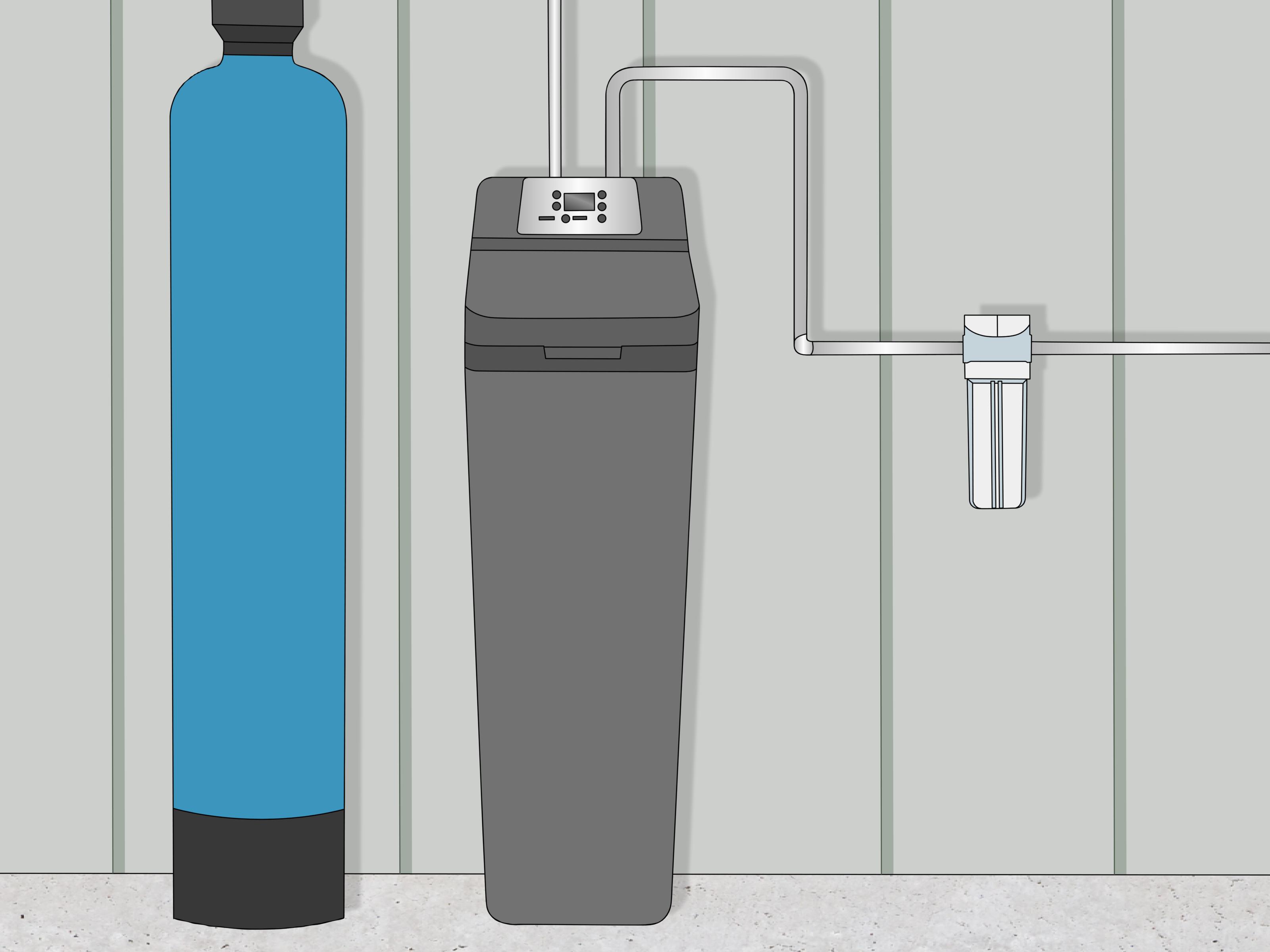
A whole-home water softener can reduce calcium and magnesium minerals before they reach your toilet, sink, shower, and appliances. That means fewer toilet rings, fewer cloudy shower doors, and less scale inside plumbing fixtures.
If a whole-home system is not practical, consider targeted hard water cleaning products made for toilets. Look for formulas designed to dissolve limescale, rust, and mineral buildup. Use them according to the label and avoid mixing them with other cleaners. Prevention beats scrubbing, but when minerals are the villain, the right mineral-removing product makes a big difference.
9. Keep the Bowl Dry When Treating Stains
Cleaning products work better when they are not diluted by a full bowl of water. For stubborn stains at the waterline, turn off the water supply valve behind the toilet, flush once, and remove remaining water from the bowl with a cup or sponge if needed. Then apply vinegar, a hard water stain remover, or a toilet-safe cleaner directly to the stained area.
Let the product sit for the recommended time, then turn the water back on and flush. This approach gives the cleaner better contact with the stain, which can reduce or eliminate scrubbing.
Wear gloves for this method, and do not rush. The cleaner needs time to work. If the stain has been building for months, one treatment may not remove everything. Repeat the process rather than attacking the porcelain with harsh abrasive tools.
10. Prevent Odors With Regular Flushes in Low-Use Bathrooms
Guest bathrooms and basement toilets can develop odors because water sits in the bowl and trap for long periods. When a toilet is rarely used, the water can become stale, and the protective water barrier in the trap may evaporate slightly. That can allow unpleasant smells to creep in.
Flush low-use toilets at least once a week. After flushing, add a small maintenance treatment such as baking soda or a toilet-safe freshening product. This simple habit keeps water moving and reduces odor without scrubbing.
Also check for leaks or slow-running water. A toilet that constantly trickles can create mineral streaks in the bowl. Fixing a faulty flapper or fill valve may do more for cleanliness than any cleaner under the sink.
11. Wipe the Exterior So Bowl Odors Do Not Come Back
Sometimes the toilet bowl gets blamed for smells that are actually coming from outside the bowl. The seat hinges, flush handle, base, lid, and the area behind the toilet can collect splashes, dust, and bacteria. If you only treat the bowl, odors may return quickly.
Use a bathroom disinfecting wipe or spray on exterior surfaces, following the product label for contact time. Pay special attention to the flush handle, seat hinges, rim, and floor around the base. A toilet can look clean inside while secretly misbehaving outside.
Keeping the exterior clean supports your no-scrub bowl routine because the whole fixture stays fresher. It also makes the bathroom feel cleaner overall, which is the real goal. Nobody walks into a bathroom and says, “Nice isolated bowl maintenance.” They just notice whether the room feels fresh.
What Not to Use in a Toilet Bowl
Some cleaning shortcuts can cause more trouble than they solve. Avoid mixing cleaners, especially bleach with vinegar, ammonia, acids, or other disinfectants. Avoid drain cleaners in toilets unless the product specifically says it is safe for toilets. Drain cleaners can damage plumbing and may not solve toilet clogs properly.
Be careful with abrasive tools. Steel wool, harsh scouring pads, and rough stones can scratch porcelain. Once porcelain is scratched, stains cling more easily, which means you may end up scrubbing more, not less. If you use a pumice stone for mineral rings, make sure both the stone and bowl are wet, and use gentle pressure only on porcelain. Do not use pumice on plastic, enamel-coated surfaces, colored fixtures, or delicate finishes.
Also avoid relying too heavily on in-tank bleach tablets. They may keep the water blue and cheerful, but some formulas can wear down internal rubber parts. A bright blue flush is not worth a surprise plumbing bill.
A Simple Weekly No-Scrub Toilet Routine
If you want a realistic routine, try this schedule:
- Once a week: Apply toilet bowl cleaner under the rim, let it sit, then flush.
- Every few days: Wipe the seat, handle, and rim with a disinfecting wipe or bathroom cleaner.
- Once a month: Use vinegar or a hard water treatment if rings are forming.
- For guest bathrooms: Flush weekly and add a deodorizing treatment if needed.
- As needed: Treat stains early before they become crusty little monuments to procrastination.
This routine takes only a few minutes and prevents the kind of buildup that requires scrubbing. The secret is not a magical cleaner. It is timing.
Natural vs. Commercial Toilet Cleaners
Natural cleaning methods such as vinegar and baking soda are useful for deodorizing and mineral stains. They are affordable, easy to find, and less intense than many harsh cleaners. However, they are not always disinfectants. If someone in your home is sick, or if you need true germ-killing power, use an EPA-registered disinfecting product or a toilet cleaner labeled for disinfection.
Commercial toilet cleaners are often better for bacteria, tough stains, rust, and limescale. Many are designed to cling to the bowl and work with minimal scrubbing. The trade-off is that they must be used carefully. Follow the label, wear gloves, ventilate the room, and keep products away from children and pets.
The best approach is not “natural only” or “chemical only.” It is using the right product for the right problem. Vinegar for mineral rings. Baking soda for odor. Disinfectant for germs. Hard water remover for scale. Common sense for everything else.
Extra Experience-Based Tips for Keeping a Toilet Bowl Clean Without Scrubbing
After testing different low-effort toilet cleaning habits in real homes, one lesson becomes obvious: the toilet bowl stays cleaner when you stop treating cleaning as a once-a-month emergency. The no-scrub method works best when the bowl never gets truly dirty in the first place. That sounds obvious, but it is the bathroom version of “eat the leftovers before they become science.”
One practical experience is that toilets in hard-water areas need a different plan from toilets in soft-water areas. In a soft-water home, a weekly gel cleaner may be enough to keep the bowl bright. In a hard-water home, the same routine may still leave a faint ring. That does not mean the cleaner failed. It means minerals are constantly being delivered with every flush. For hard water, a monthly vinegar soak or limescale remover is not optional; it is maintenance.
Another useful habit is treating stains at night. Pouring vinegar or applying a cleaner before bed gives the product several quiet hours to work. Nobody is flushing it away too soon, and you wake up to a bowl that usually looks better with almost no effort. This is especially helpful for waterline stains, because long contact time matters more than aggressive scrubbing.
For families, the biggest challenge is consistency. One person may be careful about flushing with the lid down, while another treats the bathroom like a public splash zone. A small basket of supplies nearby makes maintenance easier. Keep gloves, disinfecting wipes, and a toilet-safe cleaner in the bathroom, not three rooms away behind a mountain of mystery bottles. Convenience is the difference between “I’ll clean that later” and “I can fix this in 30 seconds.”
Guest bathrooms need special attention because they often look clean while quietly developing odors. A toilet that is rarely used still needs flushing. Run water through the bowl weekly, then add a light deodorizing treatment. This keeps the trap full and the bowl fresh. It also prevents that awkward moment when guests discover a bathroom that smells like an abandoned swimming pool.
One mistake many people make is using too much cleaner. More product does not always mean better results. Thick layers of cleaner can be wasteful, messy, and harder to rinse. The smarter move is to apply the cleaner evenly under the rim, let it sit, and flush thoroughly. If the stain remains, repeat later rather than dumping in three different products. Cleaning is not a chemistry talent show.
It also helps to inspect the toilet tank occasionally. Rusty water, sediment, or deteriorating parts can contribute to streaks in the bowl. If you see constant colored lines running down from the rim, the issue may be a slow leak from the tank, not poor cleaning. Replacing a worn flapper or fixing the fill valve can stop stains at the source.
Finally, the best no-scrub toilet strategy is prevention plus patience. Let cleaners sit. Treat mineral rings early. Keep the exterior clean. Fix leaks. Flush unused toilets. Do not mix products. With these habits, the toilet bowl stays fresh enough that scrubbing becomes an occasional backup plan instead of a weekly punishment.
Conclusion
Keeping a toilet bowl clean without scrubbing is not about ignoring the toilet and hoping for the best. That strategy has been tested by teenagers everywhere, and the results are not promising. The real method is simple: prevent buildup, use the right cleaner, give products enough time to work, and handle stains before they harden.
Whether you use vinegar for hard water, baking soda for odor, a no-scrub gel under the rim, or a careful weekly disinfecting routine, small habits can keep your toilet bowl cleaner with far less effort. Add exterior wipe-downs, lid-down flushing, and occasional tank checks, and your bathroom will stay fresher without turning toilet cleaning into a full-contact sport.
Note: Always read cleaning product labels, ventilate the bathroom, wear gloves when needed, and never mix bleach, vinegar, ammonia, disinfectants, or toilet bowl cleaners.