Note: This article keeps the requested title, but modern cat-handling guidance generally treats scruffing as a last-resort, brief emergency maneuver rather than a routine way to lift or restrain a cat.
If you grew up believing every cat can be picked up like a fuzzy suitcase by the loose skin on the neck, you are very much not alone. That idea has been around forever. The problem is that many adult cats do not find scruffing calming at all. In fact, plenty of them find it stressful, painful, or downright rude. And since cats are tiny but heavily opinionated athletes with claws, “rude” can become “trip to urgent care” in a blink.
So let’s clear the litter box air right away: if you need to move, hold, or calm a cat, the safest approach is usually not scruffing. It is supporting the chest and hindquarters, keeping the cat close to your body, using a towel if needed, and working in a calm, controlled environment. Still, there are rare moments when a trained person may briefly control the loose skin at the back of the neck during an emergency transfer. The key words there are briefly, carefully, and never as the whole support system.
This guide walks through 15 practical steps so you can protect the cat, protect yourself, and avoid turning a simple handling moment into a full-blown feline protest rally.
Before You Start: The Big Truth About Scruffing
Adult cats are not kittens, and even kittens should not be scruffed casually. Mother cats may carry young kittens by the scruff, but that does not mean humans should copy the move as everyday handling. Cats vary widely in age, size, pain level, trust, and tolerance. A senior cat with arthritis, a fearful rescue, or a cat with back or abdominal pain may react very badly to being grabbed at the neck.
That is why the best version of this article is a realistic one: if you are trying to learn “how to hold a cat by the scruff,” what you probably really need is “how to handle a cat safely when things get tricky.” Good news: that skill is far more useful.
How to Hold a Cat by the Scruff: 15 Steps
-
Step 1: Ask whether you need to scruff the cat at all
Start here, always. If your cat is calm enough to be picked up with one hand under the chest and the other under the hindquarters, do that instead. If the cat can be guided into a carrier with treats, a towel, or patience, even better. Scruffing should never be your default move just because the cat has entered “slightly grumpy potato” mode.
-
Step 2: Stop if the cat may be injured or painful
If your cat cries when touched, seems stiff, limps, resists being picked up, hides unusually, pants, or acts suddenly aggressive, pain may be involved. In that case, do not experiment with the neck grip like you are solving a puzzle. Use a towel, a carrier with the top removed, or a box for transport, and call your veterinarian. A painful cat can go from sweet to spicy in half a second.
-
Step 3: Prepare the room before touching the cat
Close doors and windows. Remove escape routes behind furniture if possible. Keep children and other pets out of the room. Set the carrier nearby with the door open or the top removed. Put a towel or blanket within reach. This is not overkill. This is strategy. Cats are world-class escape artists with excellent timing and zero shame.
-
Step 4: Get your backup tools ready
Your best helpers are usually a thick towel, a sturdy carrier, and calm hands. If the goal is transport, the carrier should already be waiting. If the cat is frightened, the towel can help reduce visual stimulation and protect you from swats. If you are handling a community cat or a highly defensive cat, skip the DIY heroics and contact a veterinarian, shelter professional, or rescue team for proper equipment and training.
-
Step 5: Approach quietly and read the cat’s body language
Flattened ears, hissing, dilated pupils, crouching, tucked limbs, tail lashing, and freezing are all signs the cat is not thrilled with your life choices. A calm cat looks looser, softer, and less coiled like a spring. Move slowly, avoid staring, and speak in a low voice. You are aiming for “boring and predictable,” not “grabby chaos goblin.”
-
Step 6: Try the least stressful option first
Offer a treat. Lure the cat into a carrier. Let the cat step onto a towel or bed. Some cats tolerate handling much better when they remain partly in the bottom half of a carrier or are lightly covered with a towel. If the mission can be completed without direct restraint, congratulations, you have already outperformed half the internet.
-
Step 7: Use full-body support if the cat will allow it
The standard safe lift is simple: place one hand behind the front legs to support the chest and use the other hand under the hindquarters. Lift gently and keep the cat close to your body. This helps the cat feel secure and prevents the awkward dangling sensation cats understandably hate. Never lift a cat by the front legs alone, and never lift by the scruff alone.
-
Step 8: Try a towel wrap before a scruff hold
If the cat is fearful or fidgety, wrap the body in a towel instead. A snug but not tight towel wrap can limit claws, reduce panic, and give you better control without yanking on the neck. Think “kitty burrito,” not “competitive swaddling.” Keep the airway clear and do not wrap so tightly that breathing is restricted.
-
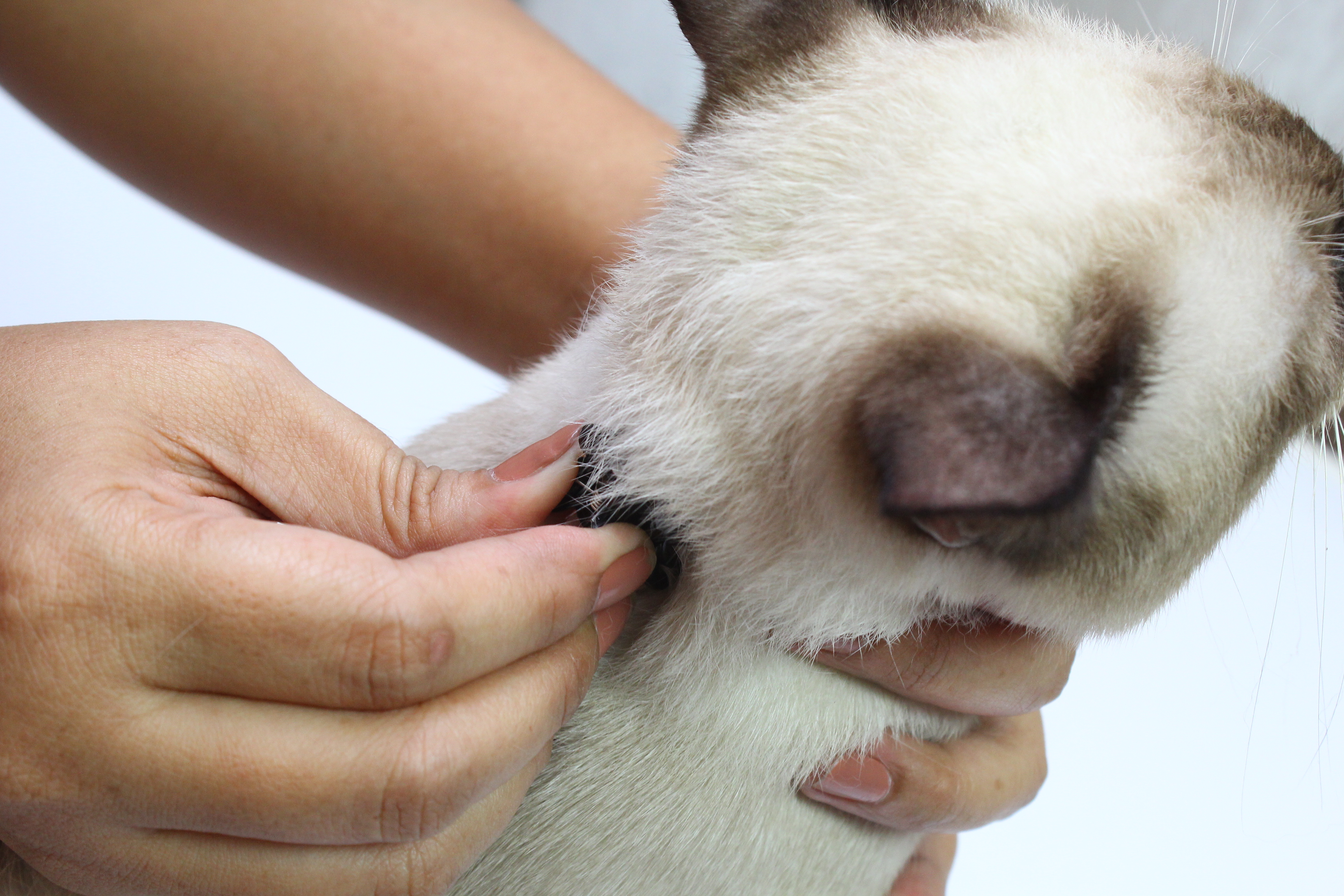
Step 9: If a brief scruff hold is truly necessary, use only a gentle skin hold
In a narrow emergency situation, such as transferring a cat a very short distance into a carrier or preventing an immediate dangerous escape, a trained or careful handler may briefly hold the loose skin at the back of the neck. This should be a light, temporary control point, not a full lift. You are controlling position for a moment, not hoisting the cat like a grocery bag.
-
Step 10: Support the cat’s body at the same time
This is the most important step of all. If you use a scruff hold at all, your other hand must support the cat’s chest, body, and hindquarters. The cat’s weight should never hang from the neck skin. Not partly. Not “just for a sec.” Not because the cat is only eight pounds. Full body support is non-negotiable.
-
Step 11: Keep the hold brief
A scruff hold, if used, should last only long enough to complete a short transfer into a secure container. Seconds, not minutes. If you are trying to medicate, groom, trim nails, clean ears, or win a battle of wills, scruffing is the wrong plan. A towel wrap, behavior training, or veterinary guidance is the better route.
-
Step 12: Transfer the cat immediately into the carrier or safe surface
Once you have control, move smoothly and directly. Lower the cat into the bottom half of the carrier, a box, or another secure space. Avoid swinging, bumping, or forcing the cat through a tiny opening. If the carrier has a removable top, use it. Cats appreciate not being shoved into a plastic cave against their will. Frankly, so would humans.
-
Step 13: Release the neck hold as soon as the cat is secure
The moment the cat is safely inside the carrier or otherwise contained, release the scruff hold. Then let the cat settle. Covering the carrier with a towel can help reduce visual stress. Do not keep touching the cat just because you “almost had them calm.” Cats are not printers. Additional tapping does not improve results.
-
Step 14: Reassess the cat after handling
Watch for open-mouth breathing, persistent panic, vocalizing, drooling, collapse, or unusual stillness. If your cat seems painful, stunned, or dramatically stressed after the handling attempt, call a veterinarian. Also check yourself for bites or scratches. Wash wounds thoroughly right away, and seek medical care for puncture wounds or significant bites.
-
Step 15: Make a long-term plan so you do not need scruffing next time
This is where the magic happens. Train your cat to like the carrier. Use treats for entering the carrier on cue. Teach brief, rewarded handling of paws, ears, and body. Ask your veterinarian about pre-visit medications if clinic trips are chaos. A little training today can save you from tomorrow’s dramatic reenactment of a tiny jungle ambush.
Safer Alternatives to Scruffing
If your goal is everyday cat handling, these methods beat scruffing almost every time:
- Two-hand lift: One hand supporting the chest, one under the hindquarters.
- Towel wrap: Great for fearful cats, short procedures, or transport.
- Carrier training: Teach the cat to enter voluntarily using treats and familiar bedding.
- Minimal restraint: Let the cat stay partly hidden under a towel or in the bottom half of the carrier when possible.
- Positive reinforcement: Reward calm behavior during touch, grooming, and handling practice.
- Veterinary help: For aggressive, painful, feral, or injured cats, professional guidance matters.
Common Mistakes to Avoid
- Picking up a cat by the scruff alone
- Dangling the cat without supporting the rear end
- Trying to scruff an injured or arthritic cat
- Using force when the cat is escalating
- Attempting nail trims, baths, or medication during a panic spiral
- Letting children try “just a quick hold”
- Separating fighting cats with bare hands
When to Call a Veterinarian Right Away
Do not keep practicing your cat-wrangling technique if your cat is in distress. Contact a veterinarian promptly if your cat:
- Seems painful when picked up or touched
- Has trouble breathing or is panting
- May have a fracture, spinal injury, or trauma
- Becomes suddenly aggressive out of character
- Cannot be transported safely without force
- Needs repeat handling for medication, wound care, or grooming that keeps going badly
What Experience Teaches You About Scruffing and Cat Handling
Real-life experience with cats tends to teach the same lesson over and over: the more you rush, the more the cat objects, and the more the cat objects, the worse your idea suddenly looks. People often search for “how to hold a cat by the scruff” because they are not trying to be harsh. They are usually trying to solve a problem fast. The cat needs to get into a carrier. The cat has medicine to take. The cat escaped under the bed five minutes before the appointment. Panic sets in, hands get grabby, and everyone’s dignity leaves the building.
What experienced cat handlers learn is that success starts long before the moment of restraint. The easiest cats to handle are usually the ones who have had repeated, low-pressure practice with touch, towels, and carriers. A cat who gets treats for stepping into the carrier on random Tuesdays is much easier to transport on the one terrible Thursday when you actually need to go somewhere. A cat who is gently rewarded for accepting brief paw handling is less likely to turn a nail trim into a reenactment of a prison break.
Another common lesson is that body language matters more than bravery. Many bites happen when a human notices the warning signs but decides to continue anyway. A tail starts twitching. The ears flatten. The pupils go wide. The cat freezes. That is not “being dramatic.” That is the cat filing an official complaint. People with a lot of cat experience learn to pause sooner, switch tactics faster, and stop taking resistance personally. Cats are not trying to insult you. They are trying to stay safe in the only language they have.
There is also a big difference between a mildly annoyed house cat and a painful, frightened, or semi-feral cat. The first one may tolerate a towel wrap and a quick transfer. The second may need professional help, protective equipment, or medication prescribed by a veterinarian. That is not failure. That is good judgment. The smartest handlers are not the ones who can overpower a cat. They are the ones who know when not to try.
Then there is the emotional side. Many cat owners feel guilty when handling goes badly. They worry they have broken trust forever because the carrier came out and the cat looked at them like a tiny betrayed roommate. The reassuring truth is that trust can be rebuilt. Calm routines, treats, gentle practice, and fewer wrestling matches go a long way. Cats remember stressful events, yes, but they also learn patterns. If you consistently make handling safer and more predictable, most cats improve.
So if your past experience with scruffing has been “well, that escalated quickly,” take it as useful information rather than a verdict on your cat or your skills. Modern cat handling is less about domination and more about setup, support, and strategy. In other words, the best way to hold a cat by the scruff is usually to avoid needing to do it at all. That may not sound flashy, but it is the sort of wisdom that keeps your cat calmer, your arms less perforated, and your day much more peaceful.
Final Thoughts
If you came here expecting a simple neck-grab tutorial, surprise: your cat has entered the chat and objected. The safest modern approach is to reserve scruffing, if it is used at all, for brief, unusual situations where you also fully support the cat’s body and move directly into a secure carrier. For normal handling, minimal restraint wins. Towels help. Treats help. Practice helps. Veterinarians help a lot.
In short, handling a cat well is less about strength and more about respect. And cats, as they would absolutely tell us if they could type, are very into respect.