A cervical bulging disc can make your neck feel like it has filed a formal complaint against your entire lifestyle. One minute you are answering emails, sleeping in a questionable position, or lifting a grocery bag with the confidence of an Olympic athlete; the next minute, your neck is stiff, your shoulder is angry, and your arm may be tingling like it has joined a tiny marching band.
The good news: many people with a cervical bulging disc, cervical herniated disc, or pinched nerve in the neck improve without surgery. The more honest news: healing usually requires patience, smart activity changes, medical guidance, and a plan that treats the whole problem, not just the loudest symptom. The goal is not to “pop the disc back in” with one magical stretch. The goal is to calm nerve irritation, reduce inflammation, restore movement, strengthen support muscles, and prevent the same issue from returning like an unwanted sequel.
This guide explains how to heal a cervical bulging disc in 10 practical steps, using evidence-informed strategies commonly recommended by physicians, physical therapists, spine specialists, and rehabilitation experts. Think of it as a recovery roadmap: clear, realistic, and slightly less boring than a waiting room brochure.
What Is a Cervical Bulging Disc?
Your cervical spine is the neck portion of your spine. Between the bones of the spine are discs that act like cushions. Each disc has a tougher outer layer and a softer center. A bulging disc happens when the disc extends beyond its normal boundary. A herniated disc usually means the inner material pushes through a tear in the outer layer. In everyday conversation, people often use “bulging disc,” “slipped disc,” and “herniated disc” loosely, although they are not always exactly the same thing.
When a cervical disc presses on or irritates a nearby nerve root, symptoms can travel beyond the neck. That is why a neck problem may show up as shoulder pain, arm pain, tingling, numbness, or weakness in the hand. Your neck is not being dramatic; it is simply connected to important wiring.
Common Symptoms of a Cervical Bulging Disc
Symptoms vary depending on which disc and nerve are involved. Some people have a bulging disc on an MRI and feel perfectly fine. Others feel symptoms that interrupt sleep, work, driving, exercise, and basic daily tasks. Common symptoms include:
- Neck pain, especially in the back or side of the neck
- Pain around the shoulder blade
- Pain that travels into the shoulder, arm, hand, or fingers
- Numbness or tingling in the arm or hand
- Weakness when gripping, lifting, or holding objects
- Pain that worsens with certain neck positions, coughing, sneezing, or prolonged sitting
Seek medical care promptly if neck pain travels down your arm, or if you have numbness, tingling, or weakness. Get urgent care if symptoms are severe, rapidly worsening, associated with trouble walking, loss of coordination, fever, recent trauma, or loss of bladder or bowel control.
How to Heal a Cervical Bulging Disc: 10 Steps
Step 1: Get the Right Diagnosis Before Playing Neck Detective
The first step is confirming what is actually causing your symptoms. Neck pain can come from muscle strain, arthritis, nerve compression, disc problems, posture overload, shoulder conditions, or other medical issues. A healthcare provider may examine your neck, shoulder, arm strength, reflexes, sensation, posture, and range of motion. Imaging such as MRI may be used when symptoms persist, worsen, or suggest nerve involvement.
Do not assume every neck ache is a cervical bulging disc. Also, do not assume every MRI finding is the villain. Disc changes can appear on imaging even in people without pain. A proper diagnosis connects your symptoms, physical exam, and imaging when needed. That prevents you from treating a screenshot instead of treating your actual body.
Step 2: Calm the Pain Without Becoming a Couch Statue
During the early painful stage, short-term rest can help. The key phrase is short-term. Resting for a day or two during a flare may reduce irritation, but too much bed rest can make your neck stiffer and your muscles weaker. A better approach is relative rest: avoid activities that clearly worsen symptoms, but continue gentle movement as tolerated.
For example, if looking down at your phone makes arm pain worse, reduce that position. If overhead lifting triggers symptoms, pause it temporarily. If walking feels comfortable, keep walking. Movement improves circulation, reduces stiffness, and reminds your nervous system that life is not canceled.
Step 3: Use Ice and Heat Strategically
Ice and heat are simple tools, but simple does not mean useless. During the first few days of a painful flare, cold packs may help reduce soreness and swelling. After that, gentle heat may relax tight muscles and improve comfort. Some people prefer alternating the two.
Use a towel between your skin and the cold or heat source, and limit sessions to a reasonable amount of time. The goal is comfort, not proving your neck can survive a frozen vegetable endurance contest. If heat or ice makes symptoms worse, stop and choose another strategy.
Step 4: Talk to a Clinician About Medication Options
Over-the-counter pain relievers or anti-inflammatory medicines may help some people manage pain during recovery. In other cases, a clinician may recommend prescription anti-inflammatory medication, muscle relaxants, nerve pain medication, or a short course of other treatments. Medication does not “fix” the disc, but it may reduce pain enough for you to sleep, move, and participate in physical therapy.
Always follow medical advice, especially if you have stomach ulcers, kidney disease, liver disease, heart conditions, blood pressure problems, take blood thinners, are pregnant, or use other medications. More pills do not equal faster healing. The best medication plan is safe, targeted, and temporary when possible.
Step 5: Start Physical Therapy for Neck and Nerve Recovery
Physical therapy is one of the most important conservative treatments for cervical disc symptoms. A physical therapist can identify which movements calm symptoms and which movements aggravate them. Treatment may include posture training, gentle mobility work, strengthening exercises, manual therapy, nerve gliding, traction in appropriate cases, and education on daily movement habits.
For a cervical bulging disc, physical therapy usually focuses on reducing pressure around irritated nerves, improving neck mobility, strengthening deep neck and upper back muscles, and building tolerance for normal activities. It is not supposed to feel like punishment. If therapy consistently increases arm pain, numbness, or weakness, tell your therapist and clinician so the plan can be adjusted.
Step 6: Practice Gentle Neck Exercises Only When Appropriate
Exercises can help, but not every exercise is right for every neck. Commonly used movements may include chin tucks, scapular squeezes, gentle neck range-of-motion drills, shoulder mobility, and deep neck flexor strengthening. These should be done slowly and without forcing the neck into pain.
A useful rule: mild stretching or muscle effort may be acceptable, but worsening radiating pain, increased numbness, or new weakness is a stop sign. Do not yank, crack, aggressively twist, or copy random extreme neck routines from the internet. Your cervical spine is not a glow stick; it does not need dramatic snapping to work better.
Step 7: Upgrade Your Posture and Ergonomics
Posture alone does not explain every cervical disc problem, but poor ergonomics can keep symptoms irritated. If your head spends hours drifting forward toward a screen, your neck muscles work overtime. Over days and weeks, that extra strain can make recovery slower.
Set your screen at eye level, keep your elbows supported, relax your shoulders, and bring your phone up instead of bending your neck down to meet it. Take brief movement breaks every 30 to 45 minutes. Change positions often. The “best posture” is usually the next posture, because even a perfect sitting position becomes annoying if you freeze there for three hours like a museum exhibit.
Step 8: Sleep Like Your Neck Has a Vote
Sleep position can make or break recovery. Many people with cervical disc symptoms do better sleeping on their back or side with the neck supported in a neutral position. A pillow that is too high may bend the neck upward; one that is too flat may let the head drop. The sweet spot keeps your nose, chin, and breastbone aligned naturally.
Avoid sleeping on your stomach if it forces your neck to rotate sharply for hours. That position may feel harmless at bedtime and then turn into a neck drama by morning. If arm symptoms bother you at night, supporting the arm with a pillow may reduce pulling on the shoulder and neck.
Step 9: Consider Injections When Conservative Care Needs Backup
If pain remains intense despite medication, activity modification, and physical therapy, a physician may discuss spinal injections, such as an epidural steroid injection or selective nerve root injection. These treatments are designed to reduce inflammation around irritated nerves and may help some people progress with rehabilitation.
Injections are not usually the first stop on the journey, and they are not a lifetime maintenance plan for everyone. They are one possible tool when symptoms are stubborn, severe, or limiting function. A spine specialist can explain risks, benefits, expected results, and whether your symptoms match the type of injection being considered.
Step 10: Know When Surgery Becomes Part of the Conversation
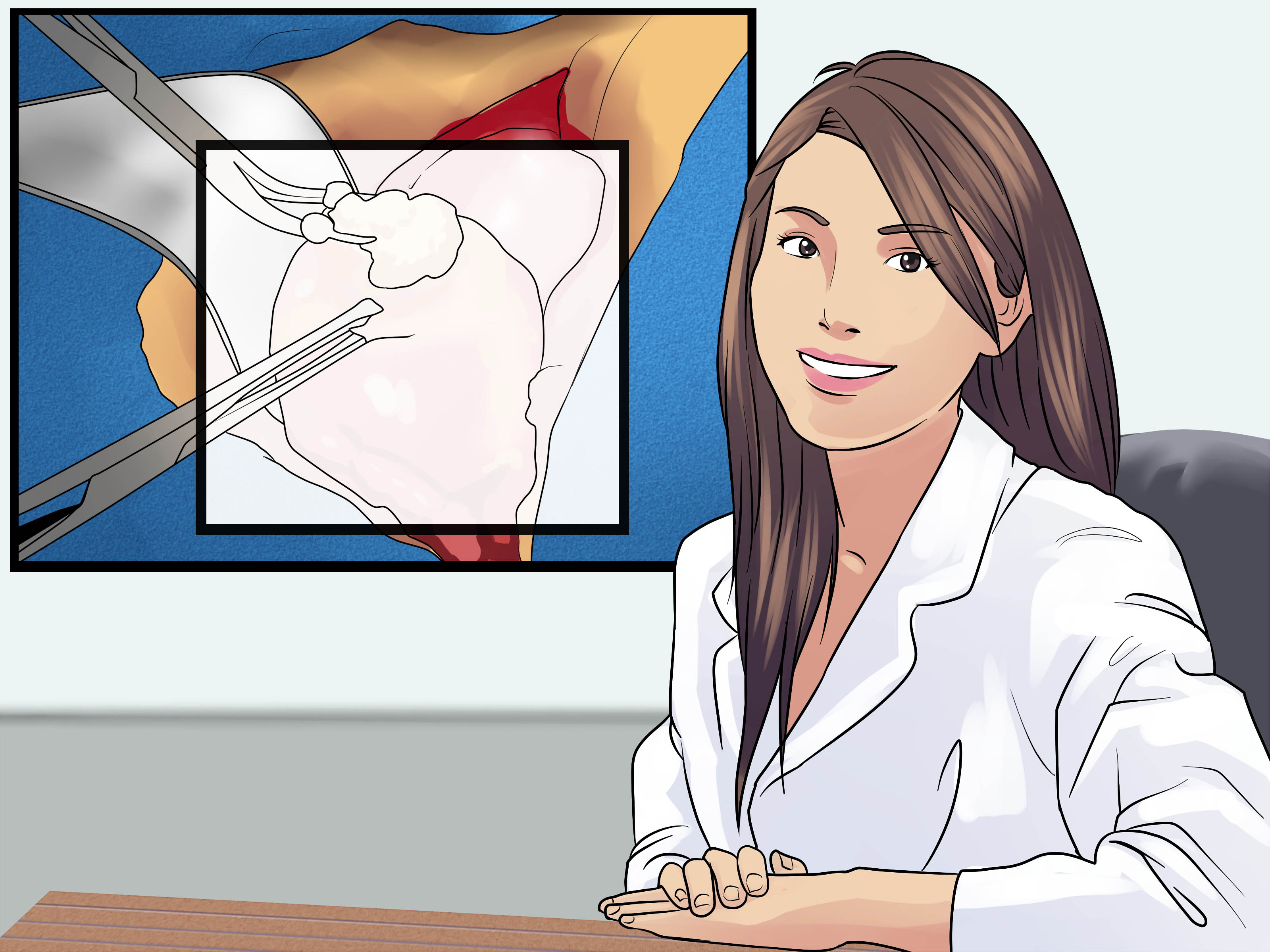
Most cervical disc problems do not require surgery. However, surgery may be considered when pain is severe and persistent, conservative treatment has not helped, or there is progressive neurological loss such as worsening weakness. Common surgical options for cervical radiculopathy may include anterior cervical discectomy and fusion, artificial disc replacement, or posterior cervical laminoforaminotomy, depending on the location and cause of compression.
Surgery is not a personal failure. It is simply one treatment category. For the right patient, it can relieve nerve pressure and restore function. For the wrong patient, it may be unnecessary. The decision should be based on symptoms, imaging, exam findings, overall health, and a careful discussion with a qualified spine specialist.
What to Avoid With a Cervical Bulging Disc
Healing often depends as much on what you stop doing as what you start doing. Avoid heavy lifting during painful flares, especially overhead lifting. Avoid sudden twisting, aggressive neck manipulation, long sessions of looking down, sleeping in positions that sharply rotate the neck, and pushing through arm symptoms during workouts.
Also avoid the “I’ll just ignore it until it disappears” strategy. Mild symptoms may improve with time, but persistent numbness, tingling, or weakness deserves attention. Pain is information. It may not always be an emergency, but it is usually worth listening to before it starts using a megaphone.
How Long Does It Take for a Cervical Bulging Disc to Heal?
Recovery time varies. Some people feel better within days or weeks. Others need several months of consistent conservative care. Factors that influence healing include the severity of nerve irritation, activity habits, sleep quality, fitness level, smoking status, work demands, stress, and whether the person follows a structured rehabilitation plan.
It is also important to understand what “heal” means. The disc may not return to a perfect textbook shape, but symptoms can improve dramatically as inflammation decreases, nerve irritation calms, muscles support the spine better, and daily mechanics improve. In practical terms, healing means less pain, better movement, stronger function, improved sleep, and confidence returning to normal activities.
Daily Recovery Plan Example
A simple day might look like this: wake up with gentle shoulder rolls, take a short walk, use heat if stiffness is high, work with the screen at eye level, take micro-breaks, perform physical therapy exercises as prescribed, avoid heavy lifting, and set up a supportive sleep position. That may not sound glamorous, but recovery is often built from small, boring choices repeated consistently. Your neck does not need fireworks. It needs a reliable maintenance crew.
Experience-Based Tips for Healing a Cervical Bulging Disc
People recovering from a cervical bulging disc often learn that the little things are not little at all. One of the most common experiences is discovering that pain is rarely controlled by one heroic solution. Instead, progress usually comes from stacking small wins. A better pillow, a shorter work session, a smarter exercise routine, and fewer “just one more episode while looking down at my phone” moments can add up.
A practical experience many patients report is that mornings and evenings feel different. In the morning, stiffness may dominate. Later in the day, nerve symptoms may appear after sitting, driving, or computer work. Tracking symptoms for one week can reveal patterns. For example, if arm tingling appears after 40 minutes at a laptop, the problem may not be the laptop itself; it may be the setup, posture, or lack of breaks. Adjusting the screen height, using an external keyboard, and standing up before symptoms start may prevent the flare instead of chasing it afterward.
Another common lesson is that confidence returns slowly. At first, people may become afraid of every movement. That fear is understandable, especially when pain shoots into the arm. But avoiding all movement can make the neck more sensitive. A physical therapist can help rebuild trust through safe, gradual exposure: small movements, then light strengthening, then daily activities, then more demanding tasks. The process is less like flipping a switch and more like turning up a dimmer.
Sleep is another major theme. Many people underestimate how much a bad sleep position can irritate a cervical disc. A supportive pillow can reduce morning pain, but there is no universal magic pillow. The right pillow keeps the neck neutral for your body shape and sleep position. Some people need a firmer pillow; others need a thinner one. The test is simple: if you wake up feeling worse every day, your sleep setup deserves investigation.
Work habits matter too. A person may do perfect physical therapy exercises for 15 minutes, then spend six hours hunched over a phone. The neck keeps score. Recovery improves when therapy principles show up in real life: lift with control, keep loads close, avoid awkward prolonged positions, and take movement breaks before pain becomes loud.
One of the most reassuring experiences is noticing that symptoms can fluctuate without meaning recovery has failed. A slightly worse day after poor sleep or extra screen time does not erase progress. The key is whether the overall trend is improving. Less frequent pain, shorter flares, better sleep, and improved strength are all signs that the body is moving in the right direction.
Finally, many people learn that patience is not passive. Patience means doing the right things repeatedly while giving irritated tissue and nerves time to calm down. It means asking for medical help when symptoms do not improve. It means respecting warning signs. And yes, it means not testing your neck with “just one quick heavy lift” because your ego wrote a check your cervical spine did not approve.
Conclusion
Healing a cervical bulging disc is usually a step-by-step process, not a one-day miracle. Start with an accurate diagnosis, calm the flare, keep moving gently, use medication safely when appropriate, commit to physical therapy, improve ergonomics, protect sleep, and know when advanced care such as injections or surgery should be discussed. Most importantly, treat recovery as a full-body lifestyle project. Your neck may be the headline, but your habits are the supporting cast.
If symptoms are mild and improving, conservative care may be enough. If pain travels into the arm, numbness or tingling persists, or weakness appears, get medical guidance. A cervical bulging disc can be frustrating, but with the right plan, many people return to normal routines, better posture, stronger movement, and fewer negotiations with their pillow.