Growing rosemary indoors sounds simple: buy a cute little plant, place it on a windowsill, whisper encouraging words, and wait for roasted potatoes to taste like a five-star restaurant. In reality, rosemary is a Mediterranean herb with opinions. Strong opinions. It loves bright light, fast-draining soil, steady airflow, and watering habits that are more “measured adult” than “overexcited plant parent with a watering can.”
The good news? Once you understand what rosemary wants, it becomes one of the most rewarding indoor herbs to grow. Its evergreen needles smell fresh and piney, its stems look elegant in a kitchen pot, and a tiny snip can transform chicken, bread, soups, roasted vegetables, and homemade focaccia from “nice” to “who made this?” This guide explains how to grow rosemary indoors successfully, from choosing the right pot to avoiding the dreaded crispy brown tips.
Why Rosemary Can Be Tricky Indoors
Rosemary, also known botanically as Salvia rosmarinus, is native to the Mediterranean region. That background explains almost everything about its personality. It is used to sun, breezes, lean soil, and roots that do not sit in soggy conditions. Indoors, however, many homes offer the opposite: low winter light, dry forced-air heat, still air, and pots that hold moisture too long.
This mismatch is why indoor rosemary often fails. The plant may look fine for several weeks, then suddenly develop brown tips, dropping needles, weak growth, or root problems. The trick is not to treat rosemary like a thirsty tropical houseplant. Treat it like a sun-loving shrub that agreed to live indoors only if you respect its boundaries.
Choose the Right Rosemary Plant
Start with a healthy nursery plant
For most indoor gardeners, the easiest way to grow rosemary indoors is to start with a small nursery plant rather than seed. Rosemary seeds can be slow and inconsistent, and seedlings take time to become harvestable. A young established plant gives you a head start and is much more forgiving.
Look for firm stems, fragrant green needles, and no sticky residue, webbing, white fuzz, or tiny moving insects. Avoid plants with blackened stems, sour-smelling soil, or lots of needle drop. A bargain rosemary plant that is already stressed may become the botanical version of a drama series once you bring it home.
Best rosemary varieties for indoor growing
Many rosemary varieties can be grown in containers, but compact or upright types are easier indoors because they take up less space and respond well to pruning. Upright rosemary works nicely on a bright windowsill or plant stand. Trailing rosemary can also grow indoors, but it needs room to spill over the edge of a container.
If your goal is cooking, choose a culinary rosemary variety with a strong fragrance. If your goal is decoration, a rosemary topiary can be beautiful, but remember that topiaries are still living herbs. They are not green sculptures that survive on compliments alone.
Give Rosemary Enough Light
Light is the number one factor in indoor rosemary care. Rosemary needs bright direct light to stay compact, flavorful, and healthy. A south-facing window is usually the best indoor location in the United States, especially during fall and winter. A west-facing window may also work if it receives several hours of strong afternoon sun.
Aim for at least six hours of bright light per day. In darker homes, winter climates, apartments, or rooms with shaded windows, a grow light can make the difference between success and a sad little twig. Position the grow light close enough to provide strong illumination, but not so close that it overheats or scorches the plant. Many indoor herb growers run lights for 12 to 16 hours daily during short winter days.
Rotate the pot every week so all sides receive light. If rosemary leans dramatically toward the window, it is not practicing yoga; it is asking for brighter, more even exposure.
Pick the Best Pot for Indoor Rosemary
Drainage is non-negotiable
Rosemary hates wet feet. A pot with drainage holes is essential. Decorative containers without drainage may look stylish, but they can trap water around the roots and cause decline. If you love a decorative cachepot, keep rosemary in a nursery pot inside it and remove the inner pot when watering so excess water can drain completely.
Terra-cotta pots are popular for rosemary because porous clay allows moisture to evaporate faster. This helps prevent soggy soil. Plastic or glazed ceramic pots can still work, but you must be more careful with watering because they hold moisture longer.
Choose a practical pot size
Do not move a tiny rosemary plant into a giant pot. Oversized containers hold extra damp soil, which increases the risk of root rot. A good rule is to choose a pot only one or two inches wider than the current root ball. As the plant grows, repot gradually.
Mature rosemary can become a sizable shrub outdoors, but indoors it is best managed as a compact container herb. Regular pruning and reasonable pot sizing keep it useful, attractive, and less likely to stage a takeover of your kitchen counter.
Use Fast-Draining Soil
Indoor rosemary needs a light, well-draining potting mix. Avoid heavy garden soil, which can compact in containers and suffocate roots. A quality indoor potting mix amended with perlite, coarse sand, or fine bark can improve drainage and airflow.
Because rosemary naturally grows in lean, rocky conditions, it does not need rich, heavy soil. Too much fertility can encourage soft, weak growth with less concentrated flavor. Think “Mediterranean hillside,” not “luxury spa mud bath.”
The ideal mix should hold a little moisture but drain quickly. After watering, excess water should run out of the bottom of the pot. If the soil stays wet for many days, it is too heavy, the pot is too large, the room is too cool, or the plant is not receiving enough light to use the moisture.
How to Water Rosemary Indoors
Watering is where many indoor rosemary plants meet their tragic end. The plant is drought-tolerant once established, but indoor pots dry unevenly. The goal is not to keep the soil constantly wet or bone-dry for weeks. The goal is a healthy wet-dry rhythm.
Check the soil with your finger. When the top inch or two feels dry, water thoroughly until water drains from the bottom. Then empty the saucer. Never let the pot sit in standing water. During winter, rosemary grows more slowly and usually needs less frequent watering. During warm, sunny months, it may dry faster.
Brown tips can be confusing because they may come from dry indoor air, underwatering, overwatering, or root stress. Before watering more, always check the soil. If it is damp, do not add water just because the plant looks unhappy. Rosemary is very capable of looking offended while actually needing less attention.
Temperature and Humidity for Indoor Rosemary
Rosemary prefers a cool, bright indoor location, especially in winter. Many homes are warm and dry, which can stress the plant. Keep rosemary away from heating vents, fireplaces, cold drafts, and exterior doors that swing open into freezing air.
Average indoor temperatures can work, but rosemary often performs better when nights are slightly cooler. A bright sunroom, enclosed porch that stays above freezing, or cool kitchen window can be ideal. Avoid placing the plant directly against icy window glass in winter.
Humidity is another challenge. Indoor air can become very dry, especially during heating season. A pebble tray with water below the pot can help raise humidity around the plant without soaking the roots. Grouping herbs together can also create a slightly more humid microclimate. Good humidity helps, but airflow still matters; rosemary dislikes stagnant, damp air.
Air Circulation Matters
Rosemary grows best with good air movement. Outdoors, breezes naturally dry foliage and reduce disease pressure. Indoors, still air can encourage pests and fungal issues. Give your plant breathing room instead of wedging it between curtains, dish towels, and a suspiciously warm toaster.
If your indoor growing area feels stuffy, use a small fan on a low setting nearby for gentle air movement. Do not blast the plant like it is in a wind tunnel. A soft circulation pattern is enough. This is especially useful when growing several herbs together under lights.
Fertilizing Indoor Rosemary
Rosemary is not a heavy feeder. Too much fertilizer can lead to weak growth and reduced flavor. During active growth in spring and summer, feed lightly with a diluted balanced fertilizer every four to six weeks if the plant appears to need it. If growth is healthy and color is good, you can fertilize even less.
In fall and winter, reduce or stop fertilizing because growth slows with shorter days. Feeding a low-light rosemary plant heavily is like serving a huge dinner to someone who is already asleep. The plant cannot use it well, and salts may build up in the potting mix.
How to Prune Rosemary Indoors
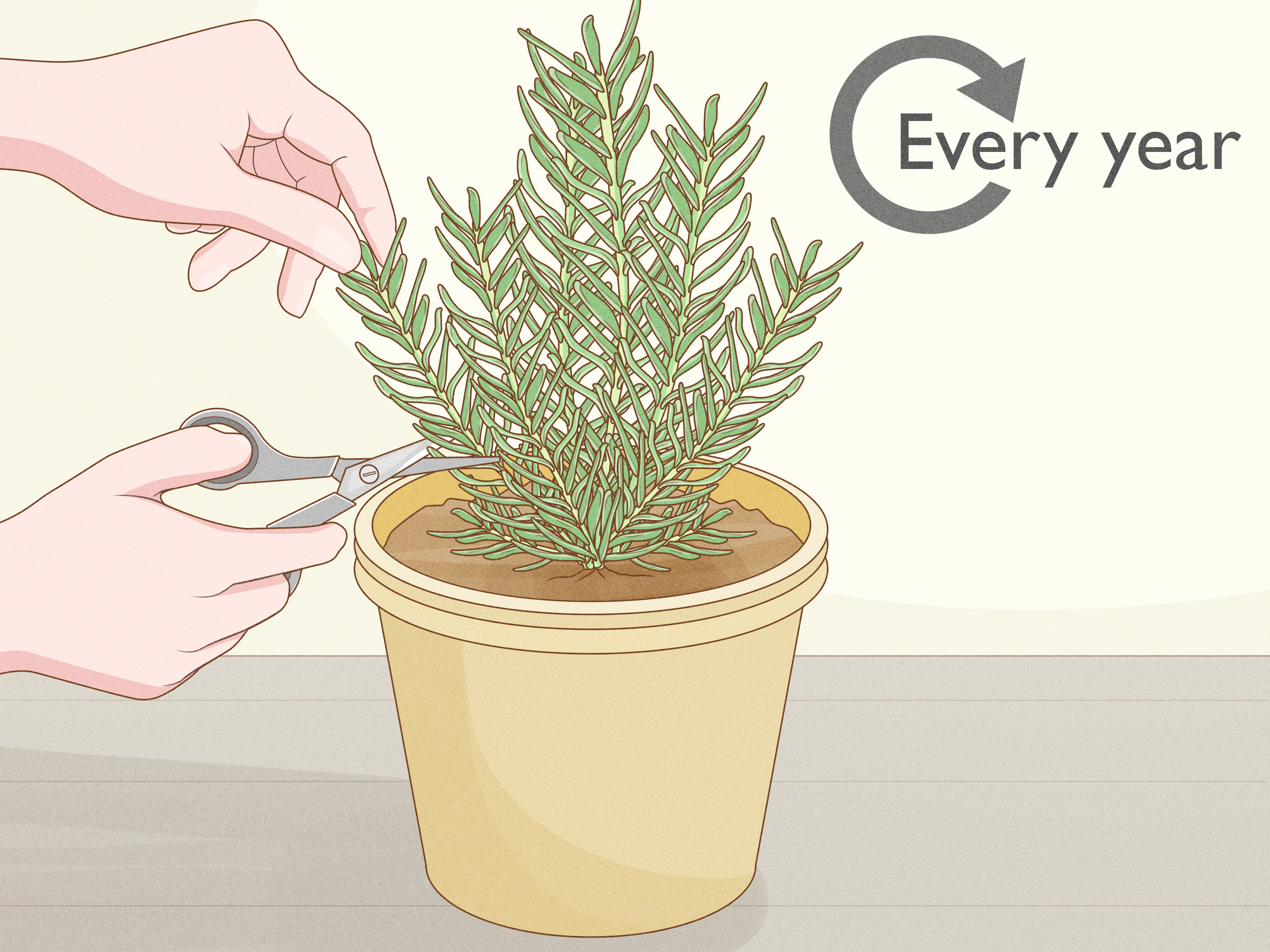
Pruning keeps rosemary bushy, attractive, and productive. Snip small sprigs regularly once the plant is established. Cut just above a leaf node or side shoot to encourage branching. Avoid removing more than one-third of the plant at a time, especially indoors where regrowth is slower.
Never cut deeply into old, leafless woody stems unless you know there is active growth below the cut. Rosemary does not always regrow well from bare old wood. Focus on trimming green, flexible stems. Frequent light harvests are better than one dramatic haircut that leaves the plant wondering what just happened.
Harvesting Rosemary for Cooking
Harvest rosemary in the morning after the plant has had time to wake up but before the day becomes hot. Indoors, timing is less critical, but morning harvests often provide fresh, aromatic sprigs. Use clean scissors or pruners and take small stem tips rather than stripping half the plant.
Fresh rosemary is powerful. Start with a small amount in recipes, especially soups, sauces, and roasted meats. The needles can be chopped finely or used whole and removed before serving. Rosemary pairs beautifully with potatoes, chicken, lamb, beans, mushrooms, lemon, garlic, olive oil, and bread.
If you harvest more than you need, dry the extra sprigs in a clean, airy location or use a food-safe drying method. Store dried rosemary in an airtight container away from heat and light.
Common Indoor Rosemary Problems
Brown leaf tips
Brown tips often signal stress. The cause may be low humidity, inconsistent watering, too much water, poor drainage, or heat from vents. Check the roots and soil moisture before changing your routine. If the soil is soggy, let it dry and improve drainage. If it is extremely dry and pulling away from the pot, water thoroughly and adjust your schedule.
Needle drop
Needle drop usually happens when rosemary experiences sudden changes, low light, root stress, or dry indoor air. A plant brought indoors from outside may shed some foliage while adjusting. Give it bright light, keep it cool, and avoid overwatering during the transition.
Powdery mildew
Powdery mildew can appear as a pale, dusty coating on leaves. It is more likely when light is low and air circulation is poor. Improve spacing, increase light, avoid wetting foliage late in the day, and prune lightly to open dense growth.
Spider mites and scale
Indoor rosemary can attract pests such as spider mites and scale. Check stems and leaf undersides regularly. Spider mites may create fine webbing and stippled leaves. Scale may look like small bumps on stems and can leave sticky residue. Isolate affected plants, prune heavily infested areas, and use appropriate indoor plant pest control methods when needed.
Moving Rosemary Outdoors and Back Indoors
Rosemary often grows better outdoors during warm months. If you have a balcony, patio, or garden, move the pot outside after the danger of frost has passed. Acclimate it gradually by starting in bright shade, then increasing sun exposure over a week or two. Sudden full sun can scorch leaves that formed indoors.
Before bringing rosemary back inside in fall, inspect it carefully for insects. Rinse the foliage, check the soil surface, and quarantine the plant away from other houseplants for a short period if possible. Move it indoors before cold weather arrives so the transition is less shocking.
Can You Grow Rosemary from Cuttings Indoors?
Yes, rosemary can be propagated from stem cuttings, and this is usually easier than starting from seed. Take a healthy non-flowering stem cutting, remove the lower leaves, and place the stem in a moist, well-draining propagation mix. Keep it bright but out of harsh direct sun until roots form.
Some gardeners root rosemary in water, but cuttings rooted in a light potting medium often transition better to soil. Keep the medium lightly moist, not soggy. Once the cutting resists a gentle tug, it likely has roots and can be potted into a small container.
Best Indoor Rosemary Care Routine
A simple weekly routine can keep rosemary healthy. First, check light. Is the plant getting direct sun or strong grow light exposure? Second, check soil moisture with your finger rather than guessing. Third, inspect for pests. Fourth, rotate the pot. Fifth, harvest lightly if the plant is actively growing.
Once a month, look at the bigger picture. Is the plant becoming root-bound? Is the soil draining quickly? Are stems getting leggy? Is the plant too close to a vent? Indoor rosemary does not need constant fussing, but it does reward observation. The best rosemary growers are not magical; they are just nosy in a helpful way.
Indoor Rosemary Growing Mistakes to Avoid
The first mistake is overwatering. Rosemary roots need oxygen, and soggy soil removes that oxygen. The second mistake is poor light. A dim kitchen corner may be cozy for humans but disappointing for a sun-loving herb. The third mistake is using a pot without drainage. The fourth mistake is bringing outdoor plants inside without checking for pests.
Another common mistake is expecting indoor rosemary to grow as fast in January as it does outside in June. Indoor winter growth is naturally slower. Be patient, harvest lightly, and focus on keeping the plant healthy until brighter days return.
Real-Life Experience: What Growing Rosemary Indoors Teaches You
The first experience many people have with indoor rosemary begins with optimism and a grocery-store plant. It looks perfect: compact, fragrant, and shaped like a tiny evergreen tree. You bring it home, place it near the sink, and imagine yourself casually snipping herbs while making rustic dinners. Then, three weeks later, the tips turn brown. This is the moment rosemary becomes a teacher.
The biggest lesson is that rosemary does not want constant affection. Many indoor plants enjoy regular watering, cozy warmth, and a little pampering. Rosemary prefers respect. It wants you to check the soil before watering. It wants a bright window, not a decorative shelf across the room. It wants a pot that drains, not a ceramic bowl that secretly becomes a swamp. Once you stop guessing and start observing, the plant usually improves.
One practical experience is learning the weight of the pot. After watering, lift the container and notice how heavy it feels. A few days later, lift it again. Over time, you can tell when rosemary is drying out simply by weight. This old-school method is surprisingly accurate and makes you feel like a plant detective, minus the trench coat.
Another useful experience is watching how rosemary reacts to seasons. In summer, a rosemary pot near a sunny window or outside on a patio may grow quickly and need more frequent watering. In winter, the same plant may slow down so much that it seems paused. New growers sometimes panic and fertilize heavily or water more. Experienced growers do the opposite: they give steady light, reduce watering, and wait.
Indoor rosemary also teaches the value of small harvests. Instead of cutting large bunches at once, snip short tips regularly. The plant stays bushier, the kitchen smells amazing, and meals get a fresh herbal upgrade. Even a small sprig in roasted potatoes can make dinner feel intentional, as if you planned everything instead of opening the fridge and negotiating with leftovers.
There is also the pest lesson. Rosemary may look tough, but indoors it can attract spider mites or scale, especially in dry air. A weekly check prevents small problems from becoming plant chaos. Look under leaves, along stems, and near woody joints. Catching pests early is much easier than rescuing a plant that has become an insect apartment complex.
Perhaps the best experience is realizing that rosemary thrives when you recreate its natural preferences. Bright light, quick drainage, moderate watering, cool air, and gentle circulation are not complicated, but they must work together. When they do, rosemary becomes dependable. It sits in the window like a tiny fragrant shrub, ready for soups, breads, vegetables, and the occasional dramatic sniff when you need a mood boost.
Growing rosemary indoors is not about perfection. It is about learning the rhythm of one plant and adjusting your care as your home changes through the year. Once that rhythm clicks, rosemary stops being fussy and starts being fun.
Conclusion
Learning how to grow rosemary indoors is really about learning how to think like rosemary. Give it strong light, a container with excellent drainage, fast-draining soil, careful watering, good airflow, and a cool bright spot when possible. Do not drown it with kindness. Do not hide it in a dark corner. Do not expect tropical houseplant behavior from a Mediterranean herb with a sun-loving soul.
With the right care, indoor rosemary can live for years, provide fresh flavor for everyday cooking, and make your kitchen smell like an herb garden with excellent life choices. Start with a healthy plant, keep your watering hand under control, and harvest lightly. Your reward is a beautiful, useful herb that earns its windowsill space every time dinner needs a little magic.