Going clubbing for the first time can feel like entering a glamorous alternate universe where the music is loud, the lighting is mysterious, and everyone else appears to know exactly where to stand. They probably do not. Most people are simply moving confidently enough that nobody questions them.
A great night out does not require expensive bottle service, professional dance moves, or the ability to identify every remix within three seconds. It requires a little preparation, respect for the people around you, awareness of your limits, and a reliable plan for getting home. Whether you are visiting a neighborhood dance club, a rooftop lounge, a massive electronic music venue, or a place that describes itself as “exclusive” seven times on its homepage, the following steps will help you go clubbing with confidence.
How to Go Clubbing Without Feeling Lost
Step 1: Choose a Club That Matches Your Style
Not every nightclub delivers the same experience. One venue may play house and techno until sunrise, while another focuses on hip-hop, Latin music, throwback pop, live DJs, or themed dance nights. Before choosing a club, check its official calendar, social media pages, performer lineup, operating hours, age requirement, cover charge, and neighborhood.
Look beyond glossy promotional photos. A club can have a chandelier large enough to control the weather and still play music you dislike. Ticketing platforms and entertainment companies commonly organize events by city, artist, date, and genre, making it easier to find a night that suits your taste.
For your first clubbing experience, consider going somewhere recommended by a trusted friend. Familiar company and a predictable venue can reduce the awkward “Where do I put my hands?” phase of the evening.
Step 2: Check the Entry Rules and Dress Code
Read the club’s entry policy before getting dressed. Many venues require a valid, unexpired government-issued photo ID and enforce a minimum age. Requirements may vary by city, event, venue, and night, so never assume that a photo of your ID or an expired card will be accepted.
Dress codes can also be stricter than expected. Upscale clubs may reject athletic clothing, beachwear, overly casual loungewear, work boots, baggy garments, or certain hats. Official policies at several major Las Vegas clubs, for example, encourage upscale nightlife attire and state that final admission decisions remain at the venue’s discretion.
When uncertain, choose a polished but comfortable outfit. Think clean shoes, fitted clothing, manageable accessories, and nothing that requires constant adjusting. Looking stylish is useful. Being able to breathe is even more fashionable.
Step 3: Buy Tickets and Set a Budget
Check whether the event sells advance tickets, uses a guest list, charges admission at the door, or offers different entry times. Buying through the club’s official website or a recognized ticketing platform can reduce the risk of counterfeit tickets and may save time at the entrance. Some venues specifically recommend purchasing in advance because door admission is not always guaranteed.
Create a realistic budget that includes admission, transportation, coat check, drinks, water, snacks, tips, and an emergency reserve. Nightclub prices can make ordinary beverages behave as though they recently acquired graduate degrees, so decide what you are comfortable spending before entering.
Avoid carrying large amounts of cash. Bring one payment method, a backup option stored separately, and only the essentials you expect to use.
Step 4: Pack Light but Bring the Essentials
A crowded dance floor is not the ideal place for an enormous handbag, six cosmetic products, a portable novel, and a collection of receipts from 2024. Pack lightly.
Useful clubbing essentials include your ID, payment card, charged phone, house key, transportation information, necessary medication, and a small portable charger. Earplugs are also worth carrying, especially if you attend loud venues regularly. Choose a bag that closes securely and can stay close to your body.
Before leaving home, confirm that your phone has enough battery for directions, contacting friends, showing digital tickets, and arranging transportation. Save the venue address and your lodging address in advance. A dead phone at 2 a.m. is less of a personality-building adventure than travel movies suggest.
Step 5: Eat, Hydrate, and Prepare Before You Arrive
Eat a normal meal before going out. Clubbing often involves hours of standing, walking, dancing, talking loudly, and wondering why the restroom line appears to cross several time zones. Arriving hungry can leave you tired and uncomfortable much earlier than expected.
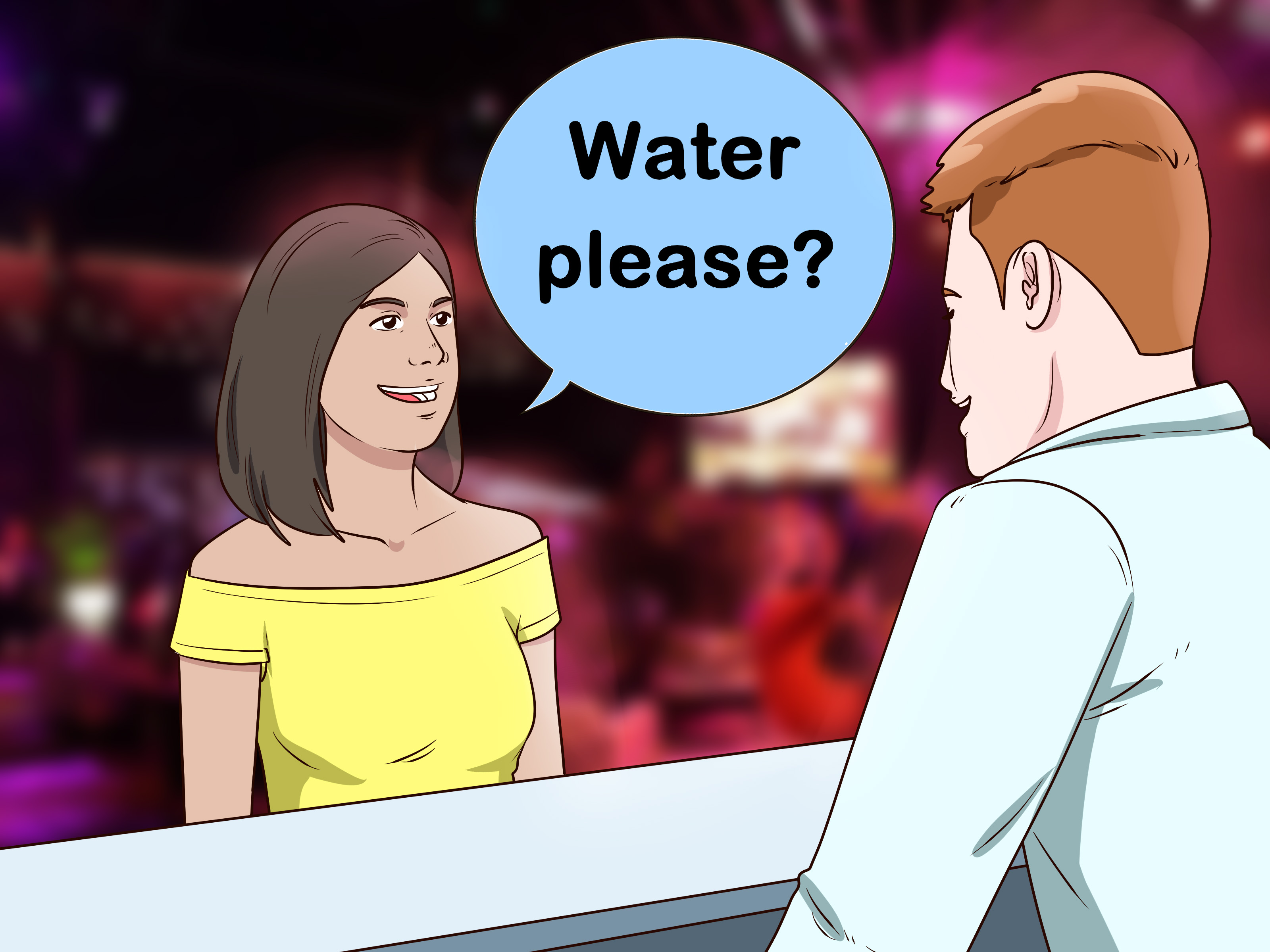
Drink water throughout the day and continue hydrating during the night, particularly if the venue is hot or you are dancing heavily. Continuous fluid intake is generally more useful than trying to consume a huge amount all at once after becoming thirsty. Alcohol can also contribute to dehydration, so alternating alcoholic beverages with water or another nonalcoholic drink is a practical strategy.
Do not rely on coffee, an energy drink, or a cold shower to make you sober later. These may change how alert you feel, but they do not rapidly remove alcohol from your body.
Step 6: Go With People You Trust
Clubbing is usually easier and safer with dependable friends. Before entering, discuss basic expectations: Are you staying together? Is anyone planning to leave early? Who will arrange the ride home? Where will you meet if the group gets separated?
Choose a visible meeting location that is easy to describe, such as the coat check, entrance, patio door, or a specific bar. Avoid vague plans such as “somewhere near the speakers,” because the club may contain enough speakers to communicate with neighboring planets.
Look out for one another without becoming controlling. If a friend seems distressed, unusually disoriented, pressured by someone, or too impaired to make decisions, move to a calmer area and get help from venue staff. Bystander intervention can include checking in, creating a distraction, asking security for assistance, or bringing other friends into the situation.
Step 7: Arrange Safe Transportation in Advance
Decide how you will get home before the music starts. Options may include a designated sober driver, taxi, public transportation, rideshare service, hotel shuttle, or a friend who is not attending the event. Never plan to “see how you feel” before driving. Even relatively small amounts of alcohol can impair judgment, reaction time, coordination, and attention.
When using a rideshare app, wait in a well-lit area, compare the vehicle’s license plate and description with the information in the app, check the driver’s identity, and share your trip status when that feature is available. Both Uber and Lyft provide tools intended to help riders verify and track trips.
Do not accept an unofficial ride from a stranger claiming to be your driver. Your real driver already has your booking information. They do not need to guess your name like a nightclub-themed game show contestant.
Step 8: Handle the Entrance Calmly
Arrive with your ID and ticket ready. Follow the line, respect security instructions, and avoid arguing about rules that were clearly listed online. Security staff may check bags, inspect tickets, enforce dress requirements, or refuse entry to anyone who appears dangerously impaired.
Do not bring prohibited items. Review the venue’s bag policy in advance, especially if you are attending a large event with stricter size restrictions.
If the club is busy, the line may move slowly even when you have a ticket. Use the wait to confirm your meeting point, adjust your phone brightness, and take one final group photo while everyone’s hair still follows the original plan.
Step 9: Pace Yourself if You Drink Alcohol
You do not have to drink alcohol to enjoy a club. Soda, sparkling water, juice, and alcohol-free cocktails are common alternatives, and nobody worth impressing will demand an explanation.
If you choose to drink, keep track of what you order and how quickly you consume it. Mixed drinks can contain more than one standard serving of alcohol, even when they arrive in one glass. NIAAA recommends counting drinks, measuring when possible, slowing down, and using nonalcoholic “spacers” between alcoholic beverages.
Avoid drinking competitions, rapid shots, or pressure to keep pace with someone else. Body size, medications, food intake, drinking speed, health conditions, and individual tolerance all affect how alcohol may influence a person.
Know the emergency signs of alcohol poisoning. Confusion, repeated vomiting, seizures, slow or irregular breathing, pale or bluish skin, extreme coldness, unconsciousness, or inability to wake someone require immediate medical attention. Call 911 rather than assuming the person can “sleep it off.”
Step 10: Keep Control of Your Drink and Respect Consent
Accept drinks only when you see them opened or prepared, and keep your beverage with you. Do not leave it unattended and return to it later. If something tastes unusual or you suddenly feel much more impaired than expected, stop drinking, tell a trusted friend, contact venue staff, and seek medical help.
Poison Control and RAINN both advise taking concerns about possible drink tampering seriously and obtaining prompt assistance after suspected drug-facilitated harm.
Consent remains essential in a club, regardless of flirting, dancing, clothing, previous conversations, or alcohol use. Ask before touching someone or dancing closely. Pay attention to words and body language. If someone moves away, freezes, appears uncomfortable, says no, or cannot clearly participate, stop.
Being intoxicated does not excuse crossing another person’s boundaries. It also does not make someone responsible for harm committed against them.
Step 11: Learn Basic Dance-Floor Etiquette
You do not need choreography. Start by moving with the beat, keeping your steps small, and matching the energy of the space. The dance floor is shared territory, not the championship round of an elbows competition.
Avoid pushing through groups when a path is available. Do not occupy large areas with drinks, bags, or elaborate spins. Watch for spilled liquids, raised platforms, stairs, and people moving behind you.
When approaching someone, make eye contact and allow space for them to respond. A smile, gesture, or simple question is better than grabbing. If they are not interested, move on politely. Rejection at a nightclub is not a legal proceeding; you do not need to present additional evidence.
Be respectful when taking photos or videos. Avoid filming strangers in embarrassing or private moments, and ask before posting identifiable images of people in your group.
Step 12: Protect Your Hearing and Know When to Leave
Nightclub sound levels can be intense. Repeated exposure to loud music may contribute to permanent noise-induced hearing loss, and louder sound can cause damage in less time. Move away from speakers, take quiet breaks, and wear well-fitted earplugs when possible.
Leaving early is completely acceptable. Go home when you feel exhausted, overwhelmed, unwell, unsafe, or simply finished. Do not remain solely because the group promised to stay until closing.
Before departing, reconnect with your friends, collect checked items, confirm your transportation, and make sure nobody vulnerable is being left alone. Once home, drink water, eat something light if needed, remove makeup or uncomfortable clothing, charge your phone, and sleep. Do not drive until you are fully sober; sleeping for a few hours does not automatically guarantee that all alcohol has left your system.
What Clubbing Is Actually Like: A Realistic First-Night Experience
The following is a composite example of a typical first clubbing experience rather than a claim of personal experience.
The evening usually begins with far more discussion than dancing. Four friends spend forty minutes deciding whether everyone’s shoes will survive the venue’s dress code. One person cannot find an ID. Another has purchased tickets for the correct club but initially believes the event starts two hours earlier than it actually does.
After eating dinner, the group orders a rideshare and agrees to meet beside the coat check if separated. At the entrance, the music is already audible from outside. Security checks identification, scans the tickets, and searches the smallest bag as though it might contain an entire unlicensed orchestra.
Inside, the first impression is sensory overload. The lights flash, the bass can be felt through the floor, and conversation suddenly requires advanced lip-reading skills. Nobody immediately charges onto the dance floor. The group walks around, finds the restrooms, identifies the exits, orders water, and observes the room.
After a few songs, everyone starts moving. The secret is that most club dancing is less complicated than it looks. People bounce, step from side to side, raise their hands occasionally, and react enthusiastically when they recognize a song. Confidence matters more than technical skill. The friend who claimed not to dance is soon performing a shoulder movement that appears to have its own management team.
At some point, the group separates. Two people move closer to the DJ, one takes a break near the bar, and another meets someone from work. Because the group established a meeting place, nobody panics. They send short messages and reconnect later.
The best part of the night is often not a dramatic movie-style moment. It may be a favorite song playing unexpectedly, the entire room singing one chorus, a stranger complimenting someone’s outfit, or everyone laughing because a carefully planned dance move failed immediately.
There are also uncomfortable moments. The room becomes hot. Shoes begin filing formal complaints. A stranger stands too close, so the group moves. Someone starts feeling dizzy after drinking too quickly, stops drinking alcohol, sits in a quieter area, and stays with a friend. Knowing when to slow down prevents a minor problem from becoming a dangerous one.
By the final hour, the group has learned the basic rhythm of the venue. They know which area is crowded, where the water is available, how to communicate with gestures, and when to take breaks. They leave before becoming completely exhausted, verify their rideshare, and send a message after reaching home.
The next morning, the most successful part of the evening is not the outfit, the photographs, or the number of hours spent dancing. It is the fact that everyone had fun, respected their own limits, looked after one another, and returned safely. That is what good clubbing should feel like: exciting enough to remember and sensible enough that the memories are not followed by an emergency meeting.
Conclusion
Learning how to go clubbing is mostly about preparation and awareness. Choose the right event, check the entry rules, wear comfortable nightlife clothing, establish a budget, travel with trusted people, and arrange a sober ride home. Once inside, pace yourself, protect your drink, respect consent, give others room to dance, and take breaks from loud music.
You do not need to be the loudest, most fashionable, or most fearless person in the room. The best club guest is someone who enjoys the atmosphere without making the experience worse for anyone else. Bring good energy, basic common sense, and shoes that can survive at least one chorus longer than expected.