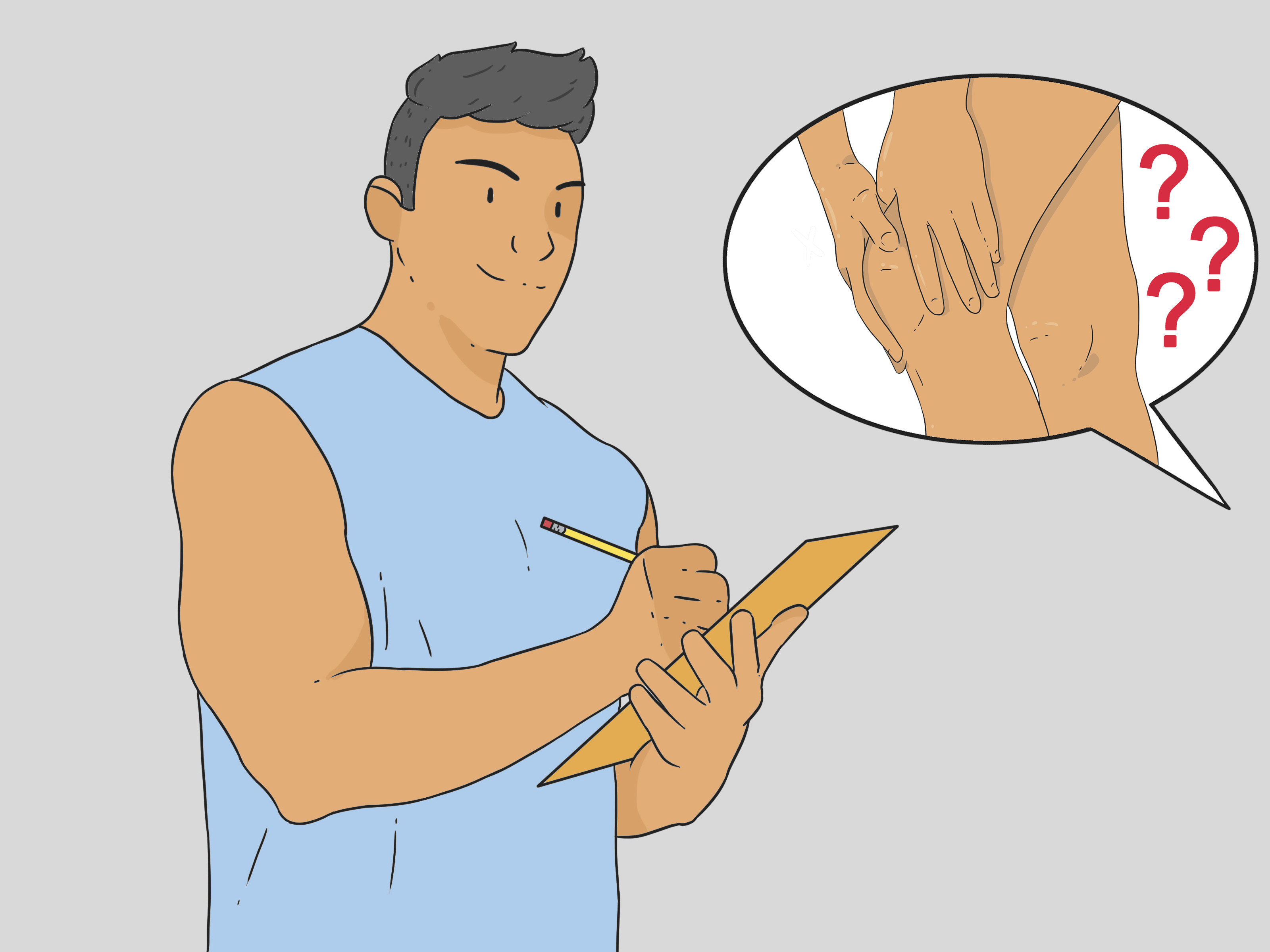
If you have ever pressed on a knot in someone’s shoulder and thought, “Aha, I am basically a wizard,” welcome. Deep tissue massage can feel a little magical when it is done well. But it is not about brute force, heroic thumbs, or trying to mash tension into another dimension. A good deep tissue massage is slow, focused, and intentional. It works with muscle and connective tissue, not against the poor human attached to it.
This beginner’s guide will show you how to give a deep tissue massage safely and effectively, with clear steps, smart pressure tips, and a healthy respect for the fact that real bodies are not bread dough. You will learn what deep tissue massage is, how to prepare, where beginners should focus, what mistakes to avoid, and when to stop and let a licensed massage therapist take over.
What Deep Tissue Massage Actually Means
Deep tissue massage is designed to target deeper layers of muscle and connective tissue, especially in areas that feel chronically tight, stiff, overworked, or glued together by stress, posture, exercise, or repetitive movement. It usually involves slower strokes, sustained pressure, and focused work on a specific area instead of a light, floaty, full-body relaxation session.
That said, “deep” does not mean “painful enough to see your ancestors.” Beginners often assume the best deep tissue massage is the one that hurts the most. Nope. If the person receiving the massage is tensing up, holding their breath, or planning your arrest in real time, the pressure is probably too much. Effective work often feels intense, but it should still feel controlled, tolerable, and useful.
Who Should Not Get a Beginner Deep Tissue Massage?
Before you start, remember this: deep tissue massage is not for everyone. Skip it and suggest medical guidance or a licensed professional if the person has any of the following:
- Blood clot concerns or signs of swelling, redness, warmth, or unexplained leg pain
- Open wounds, burns, hematomas, or recently healed scars
- Unstable fractures, recent acute injuries, or implanted hardware in the area
- Increased risk of bone fractures or severe tissue fragility
- Pregnancy, especially if you are thinking about deep pressure around the abdomen, lower back, sacrum, or legs
- A condition or medication that affects pain perception, bruising, swelling, circulation, or tissue sensitivity
If there is any doubt, do not improvise. Deep tissue massage can be helpful, but this is one of those “confidence should not outrun training” moments.
What You Need Before You Start
1. A comfortable setup
Use a firm bed, padded bench, massage table, or yoga mat on the floor. The person should be supported and able to relax. If their neck is twisted like a pretzel or their lower back is hanging in space, you are already losing.
2. A little lotion or oil
Use just enough lubricant to reduce drag without making the person so slippery that your hands slide around like cartoon skates. Deep tissue work often needs a slower, more controlled grip than a spa-style glide.
3. Clean hands and trimmed nails
This should go without saying, but the internet has taught us never to assume anything.
4. Consent and communication
Ask where the discomfort is, what kind of pressure they like, and whether they want you to stop if something feels too intense. Keep checking in during the massage. Good communication is not optional; it is part of the technique.
How to Give a Deep Tissue Massage in 7 Beginner-Friendly Steps
Step 1: Start with conversation, not compression
Before you touch anyone, ask a few quick questions. Where is the tightness? Is it sharp pain, dull soreness, or general stiffness? Are there any injuries, surgeries, medications, or sensitive areas? Do they want moderate pressure or truly deep work?
This short chat helps you avoid guessing. It also helps the person feel safe, which matters more than beginners realize. Muscles do not love to relax when the attached brain is nervous.
Step 2: Warm up the tissue first
Do not go straight for the knot like a treasure hunter with a shovel. Start with lighter, broader strokes to warm the area. Use your palms or the flat part of your forearm over large muscle groups such as the upper back, shoulders, glutes, or thighs.
Try slow strokes along the length of the muscle for one to three minutes. The goal is to help the tissue relax enough that deeper work feels possible instead of shocking. Think “preheat the oven,” not “launch into battle.”
Step 3: Use body weight, not finger rage
Once the tissue is warmed up, increase pressure gradually. Beginners often overuse their thumbs and fingertips. That can wear out your hands and make the pressure feel poky instead of broad and effective. Instead, use your palm heel, knuckles very carefully, or forearm for larger areas.
Lean in with your body weight rather than pressing with isolated hand strength. Controlled leaning gives steadier pressure and protects your wrists. If your own shoulders are hunching and your face looks like you are opening a stubborn pickle jar, your mechanics need work.
Step 4: Work slowly and stay on the muscle
Deep tissue massage works best with slow, deliberate strokes. Move along the muscle fibers, then use shorter, focused strokes on areas of tension. You can also apply sustained pressure to a tight spot for several seconds and wait for it to soften.
Stick to large, fleshy muscle areas. For beginners, the safest targets are usually:
- Upper trapezius and shoulders
- Upper and mid-back muscles next to, not on, the spine
- Glutes
- Hamstrings
- Quads
Avoid pressing directly on bones, joints, the spine itself, open skin, or visibly swollen areas. Deep tissue massage is muscle work, not an excavation project.
Step 5: Use focused pressure on knots, but do not camp there forever
When you find a tender spot or “knot,” slow down even more. Apply steady pressure with a knuckle, thumb pad, or forearm edge only if you can keep it controlled. Hold for 8 to 20 seconds, then release slowly. Follow with a broad stroke to help the area settle.
If the person holds their breath, squirms away, or says the pain is sharp, burning, or electric, back off immediately. Productive deep pressure can feel intense, but sharp pain is your cue to stop being ambitious.
Step 6: Keep checking the pressure
Ask simple questions during the massage:
- “How’s this pressure?”
- “Is this a good intense or a bad intense?”
- “Do you want more, less, or stay here?”
That running conversation matters because more pressure is not always better. Sometimes a slightly lighter, slower pass gets better results because the muscle stops guarding and finally lets go.
Step 7: Finish gently and give simple aftercare advice
Do not end with your deepest pressure and call it a day like a villain exiting the scene. Finish with lighter, longer strokes to calm the area down. Let the person sit up slowly. Deep tissue work can leave people relaxed, a little sore, or briefly lightheaded.
Tell them they may feel mild soreness later, almost like they did a workout. Encourage them to rest, move gently, and pay attention to how the body responds. If soreness is intense, bruising is significant, or symptoms feel unusual, the work was probably too much.
Best Areas for Beginners to Practice
If you are new to deep tissue massage, do not try to work every body part under the sun. Start with broad muscle groups that are easier to access and easier to read.
Shoulders and upper traps
This is beginner gold. Many people carry stress here, and the tissue is easy to find. Use slow palm or forearm pressure from the shoulder toward the base of the neck, but avoid pressing directly onto the neck itself.
Upper back
Work along the muscles beside the spine, not on the spine. Broad, slow strokes with the heel of your hand or forearm are often more useful than pointy pressure.
Glutes
These muscles can hold a ton of tension from sitting, exercise, and posture. Because they are large and dense, they often respond well to slow, sustained pressure. Keep communication clear and boundaries respectful.
Hamstrings and quads
These larger leg muscles are good beginner targets for athletes or desk workers. Use slow strokes along the muscle length and avoid aggressive work around joints.
Common Beginner Mistakes
- Going too deep too fast: This is the classic mistake. Warm-up is not a waste of time. It is the runway.
- Using only thumbs: Your hands will complain loudly tomorrow. Spread the load with palms and forearms.
- Ignoring feedback: Silence does not always mean comfort. Ask.
- Chasing pain: Pain is not proof of progress. Sometimes it is proof that you should stop.
- Working directly on joints or bones: Deep tissue belongs on muscles and connective tissue, not kneecaps or vertebrae.
- Trying to fix serious pain at home: If someone has ongoing, unexplained, severe, or radiating pain, this is professional territory.
When to Stop and Call a Professional
Beginner deep tissue massage is best for ordinary tightness and mild muscular soreness, not mystery pain or medical problems. Stop and recommend a licensed massage therapist, physical therapist, or healthcare professional if the person has:
- Pain that shoots, burns, tingles, or goes numb
- Visible swelling, redness, or heat
- Severe pain that does not improve
- Recent surgery or trauma
- Symptoms that return again and again despite home care
There is no shame in saying, “This needs someone with more training.” That is wisdom, not defeat.
Real-World Beginner Experiences With Deep Tissue Massage
One of the most common beginner experiences is discovering that the person receiving the massage does not actually want “maximum pressure.” They want effective pressure. Many first-timers start with the assumption that deep tissue massage should feel dramatic, intense, and slightly cinematic, as if the room should fill with violin music while a shoulder knot dissolves in one heroic move. Real life is less theatrical. Usually, the best moment comes when the giver slows down, listens, and realizes the tissue responds better to steady pressure than to frantic digging.
Another common experience is learning just how much communication changes the outcome. A beginner may spend the first few minutes nervously asking, “Is this okay?” every ten seconds. Oddly enough, that is better than saying nothing at all. Over time, most people learn to ask better questions: “Does this feel like useful pressure?” “Do you want me to stay here?” “Is this too much?” Those small check-ins make the massage feel more customized and more professional, even in a casual at-home setting.
Beginners also tend to be surprised by how tiring massage can be for the giver. Five minutes of overusing your thumbs can make your hands feel like they have personally filed a complaint. Many people quickly discover that using forearms, palms, and body weight is not just better for pressure control; it is also the difference between finishing strong and needing your own rescue massage afterward. This is one of those lessons the body teaches immediately and without mercy.
On the receiving end, people often describe a good beginner deep tissue session as “intense, but in a satisfying way.” They may feel warmth in the area, easier movement afterward, or that delicious sense of “Oh wow, I did not realize how tight that was until now.” Mild soreness later is also a common experience, especially if the area was particularly tight to begin with. That does not automatically mean the massage was too aggressive, but it should stay in the mild-to-moderate range, not drift into bruised-and-regretful territory.
There is also the very human experience of realizing that deep tissue massage does not fix everything in one session. A beginner might expect a single shoulder massage to undo months of desk posture, stress, gym soreness, and sleeping like a folded lawn chair. Usually, what happens instead is more modest and more realistic: the area feels looser, pain eases a bit, and movement improves. That is still a win. Good bodywork often works best as part of a bigger picture that includes stretching, rest, strength work, hydration, posture changes, and common sense.
Perhaps the best beginner experience is the moment confidence replaces guesswork. At first, every knot feels mysterious. Every muscle feels like anatomy trivia in 3D. Then, after a little practice, you start noticing patterns. Tight upper traps on work-from-home warriors. Stiff glutes on runners. Tender quads on leg-day enthusiasts who made questionable choices. You learn to warm the area first, go slower, use better mechanics, and stop trying to impress anyone with force. That is when your massage starts feeling less random and more skillful.
In other words, the beginner journey is not about becoming an instant expert. It is about becoming observant, respectful, and consistent. If you can do that, you are already on the right track.
Conclusion
Learning how to give a deep tissue massage as a beginner is really about mastering three things: patience, pressure control, and communication. Warm the tissues first, work slowly, stay on broad muscle groups, and never confuse “deeper” with “harder.” The goal is not to overpower the body. The goal is to help it let go.
Done thoughtfully, a beginner-friendly deep tissue massage can ease everyday muscle tension, reduce stress, and leave someone feeling looser, calmer, and a little less like they lost a fight with their desk chair. Done carelessly, it can create soreness, irritation, and a memorable reason for someone to avoid your helpful hands forever. Choose wisely.