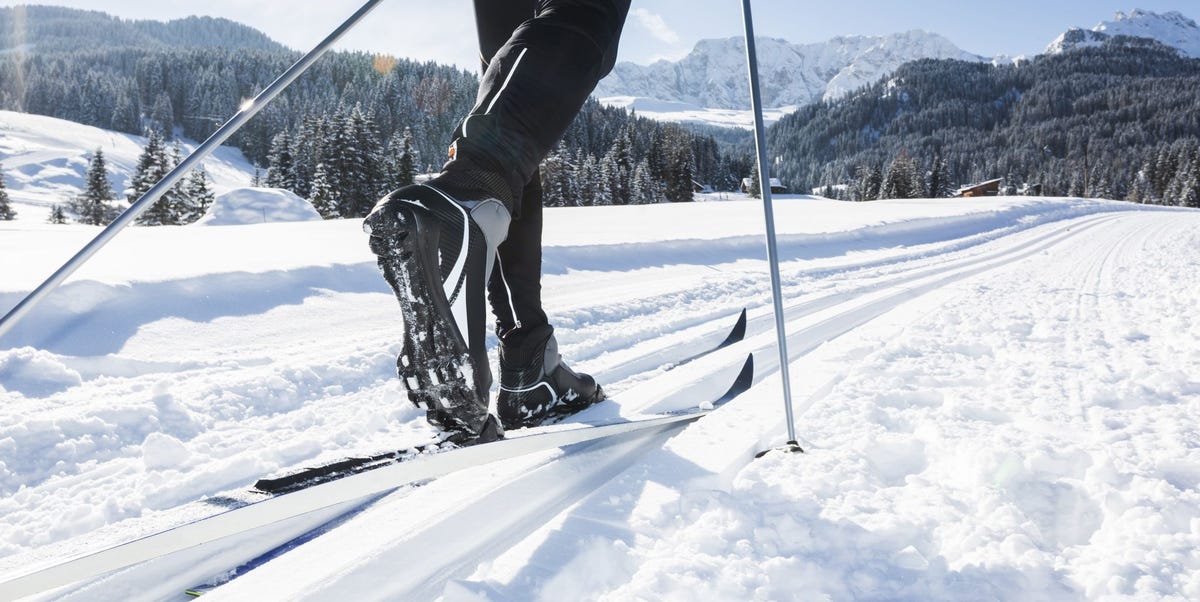
If downhill skiing is winter’s loud cousin, cross-country skiing is the cool relative who shows up with great cardio, better scenery, and absolutely no interest in waiting in a lift line. It is one of the easiest snow sports to try, surprisingly affordable compared with alpine skiing, and beginner-friendly when you start with the right gear and terrain. Better yet, it scales beautifully: your first day can be a mellow shuffle through a groomed park, while your hundredth day can feel like a full-body workout wrapped in a postcard.
For beginners, the big secret is this: do not overcomplicate it. You do not need elite fitness, race wax, or a dramatic training montage set to pounding music. You need a simple setup, the right place to learn, a little patience, and a sense of humor for the first time your skis cross and you perform a move that can only be described as “baby giraffe on frozen noodles.” Once you understand the basics, cross-country skiing becomes one of the most rewarding ways to enjoy winter.
Why Cross-Country Skiing Is Such a Great Beginner Sport
Cross-country skiing appeals to a wide range of people for one simple reason: it is flexible. Hikers love it because it lets them keep exploring in winter. Runners and cyclists love it because it is a serious aerobic workout without the same repetitive pounding. Families love it because it can be social, low-pressure, and easier to learn than many people expect.
There is also a lower intimidation factor. You are not standing on top of a steep run wondering whether your life insurance covers poor decisions. You are usually starting on gentle terrain, learning how to glide, balance, and move efficiently. That makes the sport feel approachable, even if the technique takes time to polish.
And yes, technique matters. Cross-country skiing is not just “walking on skis.” Good skiing comes from balance, weight transfer, rhythm, and timing. The upside is that every session teaches you something. That learning curve is part of the fun.
Start With the Right Style: Classic Beats Fancy for Day One
Before buying or renting anything, understand the three broad categories beginners hear about most: classic skiing, skate skiing, and backcountry touring.
Classic skiing
Classic skiing is the best place for most beginners to start. Your skis stay mostly parallel, and the movement feels like a kick-and-glide stride. It is commonly done in groomed tracks, on smooth touring-center trails, and even on open snowy fields. Classic skiing teaches balance, glide, and weight transfer in a way that sets you up for everything else later.
Skate skiing
Skate skiing is faster, more athletic, and inspired by the side-to-side motion of ice skating. It looks sleek. It feels exciting. It also tends to be harder for true beginners because it demands stronger balance and cleaner technique. If classic skiing is learning to dance with the beat, skate skiing is trying to freestyle before you know where your feet go.
Backcountry touring
Backcountry gear is built for ungroomed snow, rougher terrain, and more adventurous travel. That does not make it a smart first choice. Wider skis, metal edges, and steeper terrain are useful in the right setting, but most first-timers are better off learning at a Nordic center or on groomed beginner trails before wandering into winter wilderness with confidence they absolutely have not earned yet.
If you are new, choose classic. It gives you the strongest foundation, the simplest learning environment, and the highest odds of ending your first session smiling instead of negotiating with your ego.
The Beginner Gear Setup That Actually Makes Sense
You need only a few essentials to begin: skis, boots, bindings, and poles. The smartest move for most people is to rent first. Renting lets you test the sport, feel the difference between setups, and avoid buying gear based on a mix of guesswork and online enthusiasm.
Skis
For beginners, waxless classic touring skis are usually the easiest choice. They are low-maintenance, reliable in a variety of snow conditions, and designed to help you grip when you push and glide when you relax. Many beginner-friendly touring skis are intentionally maneuverable and confidence-boosting, which is exactly what you want when your balance is still under construction.
When sizing skis, body weight matters more than people expect. Each ski length is designed for a certain weight range because the ski needs to flex correctly under you. If you fall between sizes and you are new to the sport, go shorter rather than longer. A slightly shorter ski is easier to control and less likely to turn your first lesson into an interpretive drama about momentum.
Boots and bindings
Beginner touring boots should feel secure, warm, and flexible enough for a natural stride. They clip into compatible bindings and should fit snugly without squeezing your toes into tiny frozen regret nuggets. If you rent, ask the shop staff to walk you through getting in and out of the bindings before you leave the flat area. This saves time, confusion, and one deeply undignified crouching battle in the snow.
Poles
Touring poles for classic skiing generally reach around armpit height. Too short, and they do not help much. Too tall, and they can feel awkward and tiring. If you are renting, let the staff size them. If you are buying, get fitted instead of eyeballing it like a reality show contestant picking mystery luggage.
What to Wear: Think “Winter Workout,” Not “Human Burrito”
One of the most common beginner mistakes is overdressing. Cross-country skiing generates a lot of body heat, and the goal is to stay warm without trapping sweat. The best clothing strategy is layering.
Your ideal outfit
- A moisture-wicking base layer made of wool or synthetic fabric
- A breathable midlayer if temperatures are very cold
- A lightweight shell or wind-blocking jacket
- Tights or winter sport pants that let you move easily
- Warm socks, gloves, and a hat or headband
- Sunglasses or goggles, depending on conditions
Avoid cotton. Cotton holds moisture, and wet clothing is a bad idea in cold weather. You want to feel slightly cool when you first head out. Within a few minutes, your body should warm up naturally. If you feel cozy at the trailhead, there is a decent chance you will feel like an overbaked casserole ten minutes later.
Where to Learn Without Making It Harder Than It Has to Be
The best first-day location is a place that offers three things in one spot: rentals, lessons, and approachable terrain. That combination removes a lot of friction from the learning process. You can get fitted properly, learn from someone who knows what they are doing, and practice on trails designed for success rather than survival.
Nordic centers and groomed trail systems are ideal. Public lands with groomed trails can also be excellent. If you are truly improvising, a flat, open, snow-covered space can work for basic practice, but the smoother and simpler the terrain, the better. Your first goal is not “epic adventure.” Your first goal is “move forward on purpose.”
Try to start on beginner or green trails. These are designed for new skiers and give you space to work on balance, stopping, and turning without the chaos of steeper terrain. Save hills for later. Gravity is patient.
Take a Lesson Early and Save Yourself Weeks of Bad Habits
If you only follow one piece of advice, make it this one: take a lesson. A single beginner lesson can dramatically shorten the learning curve. Instructors help you with stance, weight transfer, pole timing, climbing, downhill control, and the subtle adjustments that are hard to teach yourself.
More importantly, a lesson keeps you from baking bad habits into your skiing. Cross-country skiing rewards finesse as much as fitness. Small changes in how you shift weight or place your poles can make a big difference in how far you glide and how efficient you feel. The earlier you learn the fundamentals, the easier the sport becomes.
The Basic Skills You Need on Day One
1. Balanced athletic stance
Stand relaxed with soft knees and ankles, hips centered over your feet, and hands slightly forward. You are not standing at attention. You are ready to move. A good stance gives you stability and makes everything else easier.
2. Weight shift
Cross-country skiing depends on transferring weight from one ski to the other. New skiers often keep weight centered between both skis, which feels safe but kills glide. Commit to one ski, then the other. That is where the magic starts.
3. Kick and glide
In classic skiing, you press down through the ski to get grip, then glide forward on the other ski. Done well, it feels smooth and rhythmic. Done poorly, it feels like angry marching. Keep practicing.
4. Poling
Your poles help with propulsion, timing, and stability. At first, focus less on power and more on coordination. You are not trying to win a sprint. You are teaching your arms and legs to stop filing separate tax returns.
5. Climbing, descending, and getting up after a fall
You do not need advanced technique on day one, but you do need the basics. Learn how to shorten your stride on small climbs, stay centered on gentle descents, and get up without turning the process into a snow-based puzzle game. Falling is normal. Stylish recovery is optional.
Trail Etiquette and Safety Rules Beginners Should Know
Cross-country skiing has a friendly culture, but it works best when everyone respects the trail. Follow posted rules, start on novice terrain, and pay attention to signs about closures or hazards. If you are sharing space with walkers or snowshoers, be considerate and protect the ski tracks whenever possible.
Do not stomp through set tracks. Do not stop in blind corners. Do not charge downhill when you cannot control your speed. These are not advanced ethics. These are basic “let’s all have a nice day” standards.
Safety matters, too. Check weather before you go. Dress in layers. Drink water. Carry snacks. Bring a phone, but do not assume it solves every problem. On longer outings, let someone know where you are going and when you expect to return. If you are heading beyond groomed front-country terrain, understand local conditions and avoid avalanche-prone areas unless you have the right training and gear.
Common Beginner Mistakes to Avoid
- Starting with skate skiing because it looks cooler: It is fun, but classic is usually easier to learn first.
- Buying gear too soon: Rent before you commit.
- Choosing terrain that is too advanced: Flat and gentle is smart, not embarrassing.
- Overdressing: You should warm up as you move, not overheat immediately.
- Staying on both skis instead of shifting weight: Glide comes from commitment.
- Skipping lessons: Cheap now, expensive later in frustration.
- Ignoring trail etiquette: Tracks are sacred. Treat them kindly.
How to Progress After Your First Few Outings
Once you can glide, stop, climb small hills, and survive gentle descents without composing your will, keep things simple. Ski once or twice a week if possible. Repeat familiar trails. Work on balance on one ski. Practice double poling. Take another lesson after a few outings so you can refine technique instead of repeating mistakes.
As your confidence grows, you can explore longer routes, try slightly hillier terrain, or experiment with skate skiing. But there is no rush. One of the best things about cross-country skiing is that it does not require constant escalation. A beautiful hour on easy trails can be just as satisfying as a hard workout.
Beginner Experiences on the Trail: What It Really Feels Like
Most people imagine their first cross-country ski outing one of two ways. In version one, they float through snowy trees like a winter commercial, cheeks rosy, technique flawless, soul healed. In version two, they fall immediately, question every life choice, and spend the afternoon sliding sideways into a shrub. The truth is usually somewhere between those extremes, and honestly, that is part of the charm.
On a first outing, the rental shop becomes your opening scene. You stand there trying on boots that somehow feel both sturdy and oddly slipper-like, while someone asks whether you want classic or skate skis. You nod like you understand everything. Deep down, you are hoping “classic” means “less likely to crash in front of strangers.” Good news: it usually does.
Then you step onto the snow and discover your first important truth: skis are very committed to the idea of being slippery. Even standing still feels like a group project between your feet and gravity. For the first ten minutes, progress is modest. You shuffle. You wobble. You accidentally spread the skis too wide. You bring them too close together and nearly cross them. It is not elegant, but it is educational.
Then, at some point, something clicks. You shift your weight just a little more confidently onto one ski. You press down, glide forward, and suddenly travel several feet with much less effort than before. That one smooth glide is ridiculously encouraging. It feels efficient. Quiet. Satisfying. Your brain immediately says, “Ohhh, that’s what this is supposed to feel like.”
Beginners also tend to notice how different cross-country skiing feels from downhill skiing or winter hiking. There is less noise, less chaos, and more rhythm. You hear the soft scrape of skis, the tap of poles, and your own breathing. The pace invites attention. People often expect only a workout, but what surprises them is the mental effect. A short ski can feel calming in a way that is hard to explain until you have done it yourself.
Of course, there are humbling moments. Small hills look much bigger when you are standing at the top on skinny skis. Getting up after a fall can briefly resemble a wrestling match with chopsticks. And yes, you may discover that you overdressed and are now removing layers with the urgency of someone escaping a very polite sauna. But none of that ruins the day. It becomes the story you tell later.
By the second or third outing, most beginners are already more comfortable. You stop staring at your feet every second. You learn how much pressure creates grip. You begin to trust the glide. You start noticing the trail instead of only your own survival. That is when cross-country skiing gets good. The sport opens up. You can chat with a friend, admire the trees, or follow a winding trail without feeling like every step is a test.
What keeps many people coming back is not perfection. It is progress. Cross-country skiing gives you tiny wins every time: a smoother climb, a longer glide, a downhill that no longer feels dramatic, a day when your technique finally matches what your instructor tried to explain two weeks ago. Those little improvements add up fast, and they are deeply satisfying. One day you realize you are no longer “trying cross-country skiing.” You are a cross-country skier now, and winter suddenly feels a lot more interesting.
Final Thoughts
If you want to get started in cross-country skiing, keep your first steps simple: choose classic skiing, rent a beginner-friendly setup, dress in breathable layers, pick a groomed area with easy terrain, and take a lesson early. That combination gives you the best chance of enjoying the sport quickly instead of fighting it stubbornly.
Once the basics click, cross-country skiing becomes one of winter’s great pleasures. It can be social or solitary, mellow or intense, technical or meditative. It gives you exercise, scenery, and that rare feeling of learning something useful while still laughing at yourself. In other words, it is a terrific way to spend a winter day.