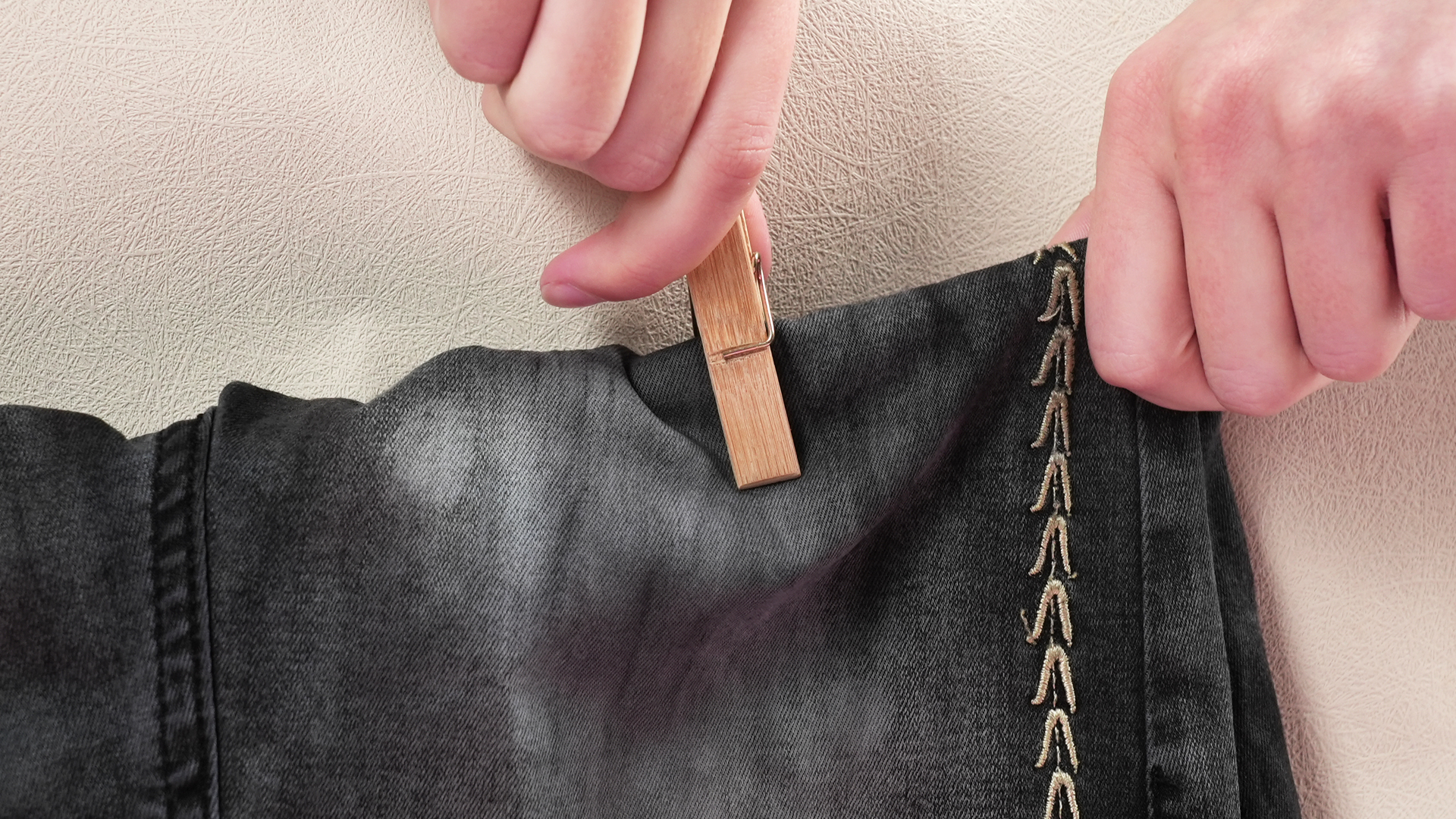
Jeans are the overachievers of your closet. They show up for coffee runs, backyard barbecues, road trips, date nights, and random adventures that somehow involve ketchup, grass, and mystery sauce. The problem is that denim is also really good at collecting evidence. One minute you are living your life. The next minute your favorite pair looks like it lost a fight with lunch.
The good news is that most stains in jeans are not permanent if you treat them the right way. The better news is that you do not need a chemistry degree or a laundry room that looks like a science lab. A few smart DIY hacks, a little patience, and one critical ruledo not throw stained jeans into the dryer and hope for the bestcan save a surprising number of denim disasters.
This guide breaks down how to get stains out of jeans using practical, fabric-friendly methods for common messes like grease, blood, ink, grass, coffee, wine, mud, and makeup. It also covers what not to do, because nothing makes a stain feel more committed than panic-cleaning it with hot water and optimism.
Why Jeans Need a Slightly Different Stain Strategy
Denim is sturdy, but it is not invincible. Many jeans are made from cotton denim, while others include elastane or spandex for stretch. That means stain removal has to balance effectiveness with fabric care. Use something too weak and the stain laughs at you. Use something too harsh and your dark wash jeans may fade into a sad imitation of themselves.
That is why the best DIY stain remover for jeans depends on three things: what caused the stain, how long it has been sitting there, and whether the denim is dark, light, rigid, or stretchy. Fresh grease behaves differently than dried coffee. Black jeans need more color caution than pale denim. Stretch jeans also hate excessive heat, which is one more reason the dryer should stay out of the conversation until the stain is truly gone.
First Things First: What to Do Before You Attack the Stain
1. Check the care label
Yes, the tiny tag you usually ignore is having its moment. Before you try any stain-removal method, check whether your jeans can handle warm water, spot treatment, or oxygen-based cleaners.
2. Test in a hidden spot
Before using vinegar, rubbing alcohol, hydrogen peroxide, or even a strong detergent, test the product on an inside seam or the hem. Denim dyes can be moody, especially on darker washes.
3. Blot, do not rub
Rubbing pushes the stain deeper into the fibers and can rough up the denim surface. Blot gently with a clean cloth, paper towel, or sponge to lift as much of the mess as possible.
4. Work from the back when possible
For many stains, especially fresh ones, flushing from the back of the fabric helps push the stain outward instead of driving it farther in.
5. Keep the jeans out of the dryer
This is the golden rule. Heat can set many stains, especially blood, grass, and anything protein-based. Air-dry first, inspect in good light, and repeat treatment if needed.
The Universal 5-Step Method for Removing Stains From Denim
If you are dealing with a stain you cannot immediately identify, start here:
Step 1: Remove excess material with a spoon, dull knife, or paper towel.
Step 2: Blot with a clean, dry cloth.
Step 3: Rinse or dampen with cool water from the back of the stain.
Step 4: Apply a gentle pre-treatment, like liquid laundry detergent or a small amount of dish soap, and let it sit for 5 to 10 minutes.
Step 5: Wash according to the care label, then air-dry and check before repeating.
That basic routine alone can rescue a lot of stains before they become a permanent denim memoir.
Best DIY Hacks for Common Jeans Stains
How to Get Grease and Oil Out of Jeans
Grease stains are sneaky because they often look minor at first, then turn into a dark shadow that refuses to leave. If your jeans got splashed by pizza oil, burger grease, salad dressing, or cooking oil, move quickly.
Best DIY hack: dish soap plus baking soda.
Start by blotting up excess grease with a paper towel. Do not add water first. Water and oil are not exactly best friends, and starting wet can make the job harder. Sprinkle baking soda or cornstarch over the stain and let it sit long enough to absorb the oil. If the stain is fresh, 15 to 30 minutes can help. If it is heavier, give it longer.
Brush away the powder, then work a few drops of grease-cutting dish soap into the area using your fingers or a soft toothbrush. Let it sit for several minutes, rinse, then launder as usual. If the stain has a stubborn halo, repeat before drying.
This is one of the best DIY hacks for jeans stains because dish soap is designed to break down grease, and baking soda helps absorb what denim is hanging onto like a grudge.
How to Remove Coffee and Tea Stains From Jeans
Coffee stains are what happen when ambition meets a bumpy sidewalk. Tea can leave tannin stains that look deceptively mild until they dry.
Best DIY hack: cold water, liquid detergent, and a little white vinegar.
Blot the spill first, then flush the area with cool water from the back. Rub in a small amount of liquid laundry detergent and let it sit. If the stain remains, dab it with a diluted mix of white vinegar and water. For milky coffee, the detergent step matters because you are not just fighting coffeeyou are also fighting dairy or sweetener residue.
Wash the jeans and air-dry them. If the stain fades but does not fully disappear, repeat instead of escalating straight to something harsher.
How to Get Grass and Mud Out of Jeans
Grass stains are the green little overachievers of the stain world. They combine pigment, plant matter, and bad timing. Mud is easier, unless it brought grass to the party.
Best DIY hack: let mud dry, then use detergent or vinegar for the leftover stain.
If it is mud, let it dry first. Trying to scrub wet mud is just relocating dirt with passion. Once dry, brush off as much as possible. For the stain that remains, apply liquid laundry detergent mixed with a little water and gently work it in with a soft brush.
For grass stains, you can use diluted white vinegar or liquid detergent as a pre-treatment. A baking soda paste can also help on stubborn marks. Let the treatment sit briefly, rinse with cool water, and wash according to the care label. Repeat before drying if needed.
Because grass stains can behave like pigment stains, patience matters. Think less “instant transformation” and more “quiet, strategic win.”
How to Get Ink Out of Jeans
Ink stains have the emotional energy of a villain origin story. They spread fast, look dramatic, and always happen when the pen “was definitely closed.”
Best DIY hack: rubbing alcohol and an absorbent towel.
Place a clean towel or paper towels behind the stained area to prevent the ink from transferring to the other side of the jeans. Then dab rubbing alcohol onto the ink using a cotton ball or cloth. Do not scrub like you are sanding a deck. Just blot and lift. As the ink transfers, switch to a clean part of the towel.
Once the stain lightens, rinse the area, apply a bit of liquid detergent, and wash. Always test rubbing alcohol in a hidden spot first, especially on dark denim, because some dyes are less cooperative than others.
How to Get Blood Out of Jeans
Blood stains need speed and cold water. Hot water can set protein stains, which is a very rude trait for a stain to have, but there it is.
Best DIY hack: cold water first, then detergent or hydrogen peroxide if appropriate.
Flush the stain with cold water as soon as possible. If it is fresh, this alone can remove a surprising amount. Then rub in liquid detergent or a little bar soap and gently work it through the fabric. For light-colored or colorfast jeans, hydrogen peroxide can help lift what remains, but test first and use it carefully because it may lighten dye.
If the blood stain is old, soak the area in cold water first and repeat treatment. Then wash in cool or cold water and air-dry before checking. This is not the time for shortcuts.
How to Remove Red Wine, Juice, and Sauce From Jeans
These stains often combine color, sugar, and panic. A thrilling trio.
Best DIY hack: blot fast, use dish soap, then try vinegar or hydrogen peroxide with caution.
Blot the spill immediately. Do not rub, and please do not pour random internet potions on it in a frenzy. Start with cool water and a small amount of dish soap or liquid detergent. If the stain remains, dab diluted white vinegar onto the spot. On light or colorfast denim, a cautious touch of hydrogen peroxide can sometimes help with lingering color, but always test first.
Tomato-based sauce stains may also respond well to detergent plus a gentle rinse from the back of the fabric.
How to Get Makeup, Deodorant, and Body Soil Out of Jeans
Jeans pick up foundation at the waistband, deodorant transfer from rushed outfit changes, and body oils from everyday wear. Denim is living a full life.
Best DIY hack: liquid detergent, dish soap, or baking soda paste.
For oily makeup or body soil, start with dish soap or liquid detergent. For deodorant residue or general buildup, a baking soda paste can help loosen the mess and reduce odor. Gently brush, rinse, then wash.
If the stain is near the waistband or pockets, where oils collect over time, an enzyme detergent is especially useful because it is better at breaking down organic residue than plain water and wishful thinking.
How to Deal With Mystery Stains on Jeans
If you have no idea what caused the stain, welcome to the club. The mystery stain is one of laundry’s great traditions.
Start with cool water and liquid detergent. If the stain looks oily, add dish soap. If it seems colored or plant-based, try a baking soda paste or diluted vinegar after testing a hidden area. If it is old and dry, dampen it first and let the pre-treatment sit longer before washing. Repeat until the stain is gone, then dry.
What Not to Do When Trying to Remove Stains From Denim
Do not use hot water on blood or protein stains. That can set the stain.
Do not rub aggressively. It can spread the stain and rough up the fibers.
Do not mix random cleaning chemicals. Laundry should not feel like a risky chemistry experiment.
Do not overuse bleach on jeans. It can fade denim and damage fibers, especially dark wash and stretch jeans.
Do not machine-dry until the stain is gone. Heat locks in mistakes.
When DIY Hacks Are Not Enough
Sometimes the stain is old, large, or deeply set. Sometimes the jeans are expensive enough that you suddenly become very respectful of professional cleaners. If your denim is dry-clean-only, heavily embellished, or vintage, a professional is the smarter move. The same applies if you have already tried two or three safe treatments and the stain is still hanging on like it pays rent.
Final Thoughts: Save the Jeans, Save the Mood
If you have ever thought a stain automatically means your jeans are done for, good news: denim is often more forgiving than it looks. The trick is using the right method for the right mess. Grease calls for dish soap. Blood wants cold water. Ink usually needs rubbing alcohol. Grass and mystery grime respond well to detergent, vinegar, or baking soda. And nearly every stain benefits from patience, gentle handling, and refusing to let the dryer make bad decisions for you.
So the next time your jeans collect coffee, grass, burger grease, or a highly suspicious smudge you do not remember earning, do not panic. Grab a towel, choose a smart DIY fix, and give your denim a fair chance at a comeback.
Experience Section: What Stains on Jeans Teach You in Real Life
Anyone who wears jeans regularly eventually develops a strange kind of laundry wisdom. It is not glamorous wisdom. It does not get framed. But it does arrive the moment you realize your favorite jeans have become a scrapbook of your week. The coffee splash on the thigh from Monday morning. The grass stain on the knee from sitting outside “for just a second.” The tiny dot of grease that somehow appeared during lunch, as if denim attracts salad dressing by magnetic force.
One of the biggest lessons people learn is that timing matters more than perfection. A sloppy but immediate blot is usually more helpful than a beautifully organized cleaning session six hours later. Real-life experience teaches you that the stain you deal with right away is often the stain you forget ever happened. The stain you ignore because you are busy, tired, or convinced it will “probably wash out” is the one that comes back from the laundry looking stronger, darker, and somehow smug.
Another practical lesson is that most stain removal success comes from simple products, not dramatic ones. People often expect some miracle spray with a name that sounds like it was developed by astronauts. In reality, a lot of denim stains respond well to boring household staples: dish soap, liquid laundry detergent, baking soda, white vinegar, rubbing alcohol, and cold water. It is humbling, honestly. The heroes of the laundry room are not flashy. They are just reliable.
There is also the emotional journey of learning not to overreact. The first time someone gets ink on dark jeans, there is often a brief internal monologue that sounds like, “Well, this is my life now.” Then they discover that careful blotting with rubbing alcohol can actually lift a lot of it. The same thing happens with grease. That ominous dark circle looks like a permanent ending, but absorbent powder and dish soap can often turn it into a temporary inconvenience instead.
Real-life stain experience also teaches caution. People learn the hard way that heat is not always helpful. A dryer can turn a “maybe gone” stain into a “definitely forever” stain. Once that happens, everyone becomes an air-dry evangelist. Suddenly they are holding jeans up to a window like detectives, inspecting the fabric before allowing it anywhere near heat.
Then there is the color lesson. Dark denim can be dramatic. It looks amazing, but it can also react badly if you dump strong cleaners onto it without testing first. After one unfortunate fading incident, most people become much more respectful of hidden seam tests. It is not exciting, but neither is accidentally creating a lighter patch right on the front of your jeans.
Maybe the most useful lesson of all is that stains are normal. They do not mean you are careless. They usually mean you are wearing your clothes in the real world, where coffee exists, parks exist, pens leak, and lunch has terrible aim. Learning how to remove stains from jeans is not about keeping denim unnaturally perfect. It is about making your clothes last longer, look better, and survive ordinary life with a little dignity left.