The preteen years can feel like standing in a doorway: you are no longers may become more complicated, school may demand more, and your brain may suddenly hold twelve different opinions about one hairstyle.
The good news is that these years are not merely something to “get through.” They can be creative, funny, adventurous, and surprisingly meaningful. The secret is learning how to handle change without rushing to become someone else.
What Are the Preteen Years, Anyway?
The word “preteen” generally describes the years immediately before the teenage period, often around ages 9 through 12. There is no magical alarm that rings on your ninth birthday and announces, “Congratulations, everything is awkward now.” Development happens gradually, and every person follows a slightly different schedule.
During these years, many young people want more independence, care more about what friends think, develop stronger personal interests, and begin experiencing puberty. You might feel very grown-up while organizing a school project and then become deeply upset because somebody ate the snack you were saving. Both reactions can exist in the same person.
The goal is not to avoid every uncomfortable feeling. It is to develop the skills that help you enjoy good moments, recover from difficult ones, and understand yourself a little better each month.
>
Give Yourself Permission to Still Be a Kid
One of the fastest ways to make your preteen years less enjoyable is to treat childhood like an embarrassing sweater that must be thrown away immediately. You do not need to stop playing games, building things, drawing cartoons, collecting unusual objects, making blanket forts, or laughing at jokes that cause nearby adults to stare silently into the distance.
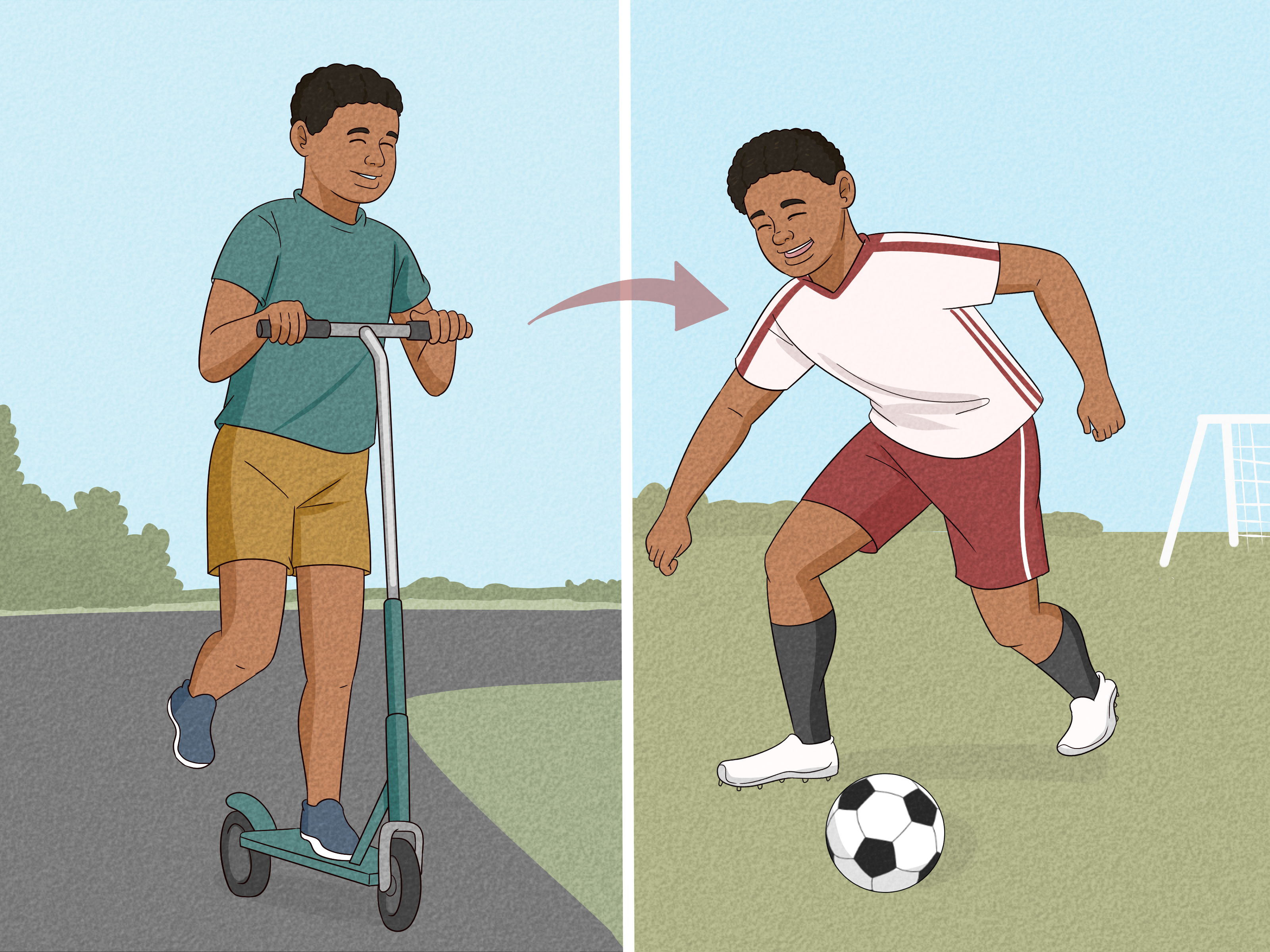
Growing up does not mean deleting everything you loved before. It means adding new abilities while keeping the interests that still bring you joy. A twelve-year-old can enjoy a challenging novel and sleep with a stuffed animal. A ten-year-old can learn coding and still race scooters with the neighbors.
Maturity is not pretending to be bored. Real maturity includes being comfortable with harmless things that make you happy.
Build Friendships That Feel Safe, Not Exhausting
Friendships often become more important during the preteen years. A good friend does not have to agree with you about everything. In fact, a friend who likes different books, sports, games, or music may introduce you to a whole new world.
What matters is respect. Healthy friendships allow both people to speak, say no, make mistakes, apologize, and spend time with other people. Pay attention to how you usually feel after being with someone. Do you feel accepted and energized, or nervous and smaller?
A friendship may be unhealthy when one person repeatedly insults the other, shares private information, pressures someone to break rules, controls who they can talk to, or turns every disagreement into a public trial involving seventeen dramatic group-chat messages.
Learn the Difference Between Conflict and Bullying
Friends sometimes argue. A disagreement or rude comment is not automatically bullying. Bullying involves unwanted aggressive behavior and a real or perceived imbalance of power, and it may be repeated or likely to happen again.
If someone threatens you, deliberately humiliates you, spreads harmful rumors, targets you online, or makes school feel unsafe, tell a trusted adult. When cyberbullying occurs, save messages, usernames, dates, and screenshots when it is safe to do so. This information can help adults understand what happened.
Asking for help is not tattling. It is using your support system. You can also support others by including someone who is alone, refusing to forward embarrassing content, or getting an adult when stepping in directly would be unsafe.
>
Handle Peer Pressure Without Becoming a Human Weather Vane
Peer pressure happens when you feel pushed to act a certain way because other people are doing it or expect it. Sometimes peer influence is positive. Friends may encourage you to join a team, study for a test, try a new hobby, or treat someone more kindly.
Negative peer pressure asks you to ignore your values, safety, or comfort to earn approval. Prepare a few short responses before you need them: “No thanks,” “I’m not doing that,” “That isn’t worth the trouble,” or “I have to go.” You do not owe anyone a ten-minute courtroom defense.
When you are unsure, ask yourself three questions:
- Would I choose this if nobody were watching?
- Would I feel comfortable telling a trusted adult what happened?
- Could this seriously hurt someone, including me?
If the answers make your stomach feel like it is practicing gymnastics, pause and leave the situation.
>
Make Peace With a Changing Body
Puberty brings physical and emotional changes, but it does not follow one perfect schedule. Growth spurts, body hair, skin changes, body odor, breast development, voice changes, menstruation, and changes in body shape can happen at different times for different people.
Starting puberty earlier or later than your friends may feel strange even when your development is healthy. Avoid treating your body like a group project graded by classmates or strangers online. Bodies are built differently, grow differently, and continue changing throughout life.
Focus on What Your Body Can Do
Your body allows you to run, laugh, think, draw, dance, breathe, create, hug people, play sports, and recover after accidentally walking into the corner of a table. Appreciating those abilities can be more helpful than spending hours searching for supposed flaws.
Learn practical hygiene, wear clothes that feel comfortable, use deodorant when needed, care for your skin gently, and ask a parent, caregiver, school nurse, or doctor questions about puberty. Reliable information is far more useful than rumors from classmates who explain biology with tremendous confidence and almost no accuracy.
If worries about your appearance begin controlling your eating, exercise, mood, or willingness to be around other people, talk to a trusted adult. Feeling self-conscious occasionally is common. Feeling trapped by body worries deserves support.
>
Use Screens as Tools, Not Tiny Bosses
Phones, games, videos, messaging apps, and social media can be fun and useful. They help people learn, create, communicate, and find communities built around shared interests. The problem begins when screen use repeatedly replaces sleep, exercise, homework, face-to-face conversations, or activities you once enjoyed.
Create boundaries that protect the rest of your life. Put devices away during meals and focused homework sessions. Avoid keeping your phone in bed. Turn off unnecessary notifications, disable autoplay when possible, and take regular breaks from endless scrolling.
Curate Your Feed
Unfollow accounts that repeatedly make you feel anxious, ugly, angry, or left out. Block people who harass you. Follow creators who teach useful skills, make you laugh without hurting others, or inspire healthy interests.
Remember that social media usually shows selected moments rather than complete lives. Comparing your ordinary Tuesday afternoon with someone else’s edited vacation video is not a fair contest.
Before posting, ask whether the content is kind, safe, and something you would be comfortable seeing again in the future. Never share your address, passwords, school schedule, live location, or other private information publicly.
>
Protect the Basics: Sleep, Food, and Movement
Life is harder to enjoy when your body is running on four hours of sleep, half a bag of candy, and the emotional energy of a wet sock. Children ages 6 through 12 generally need about 9 to 12 hours of sleep within a 24-hour period.
A regular sleep routine can make mornings less painful. Try showering, reading, stretching, preparing tomorrow’s clothes, and putting electronic devices away before bedtime. Going to sleep and waking up at approximately the same times each day can also help.
Eat regular meals and snacks containing a variety of foods. Food supplies energy for growth, learning, movement, and mood. You do not need a flawless menu, and one cookie does not erase every vegetable you have ever eaten.
Movement should not feel like punishment. Try activities that are genuinely enjoyable, such as biking, swimming, dancing, martial arts, skateboarding, hiking, active games, team sports, walking a dog, or creating a backyard obstacle course. The best activity is often the one you will willingly do again.
>
Find Something You Can Improve at Slowly
Preteen life becomes more satisfying when you have a skill that belongs to you. Choose something interesting enough to practice even when you are not instantly excellent. It might be guitar, drawing, chess, photography, robotics, cooking, sewing, storytelling, basketball, gardening, video editing, or learning another language.
Being bad at the beginning is not proof that you lack talent. It is the entrance fee. Instead of trying to become amazing immediately, set small goals:
- Learn three guitar chords.
- Complete one drawing each week.
- Cook one simple breakfast.
- Read ten pages each day.
- Practice free throws for fifteen minutes.
Small successes build confidence because they prove that effort can change what you are able to do.
>
Do Better at School Without Becoming Your Grades
School matters, but a grade is information about one performance. It is not a complete description of your intelligence, personality, or future.
When schoolwork feels overwhelming, break it into smaller pieces. Start with five minutes. Ask the teacher what you misunderstood. Use a planner or calendar. Study in shorter sessions rather than attempting to learn an entire chapter at midnight while questioning every decision that brought you there.
Experiment with different learning methods. Some students remember information by drawing diagrams. Others explain ideas aloud, create flash cards, practice sample questions, or teach the material to someone else.
Make room for life outside academics. A balanced week can include schoolwork, sleep, chores, friendships, hobbies, exercise, and family time. Nobody should have to earn basic rest by completing every possible task.
Talk to Adults Before a Problem Becomes a Volcano
Wanting more privacy is normal, but independence does not mean handling every difficulty alone. Trusted adults may include parents, caregivers, relatives, teachers, coaches, counselors, school nurses, doctors, or community leaders.
Choose adults who listen, respect safety, and take your concerns seriously. You can begin with a direct sentence:
- “I need help with something.”
- “I don’t feel safe.”
- “I have been worried for a while.”
- “Please listen before giving advice.”
If the first adult does not understand, speak to another one. Keep asking until someone responds appropriately.
Know When Extra Support Is Important
Everyone has difficult days. However, ongoing sadness, intense worry, major changes in sleep or eating, loss of interest in favorite activities, frequent physical complaints, avoiding school, or trouble functioning at home may mean that professional support is needed.
A doctor, counselor, or qualified mental health professional can help determine what is happening. Asking for support early is a strong decision, not a failure.
>
Real-Life Experiences That Make Preteen Years More Enjoyable
Imagine a preteen named Maya who joins the school art club because her best friend is attending. During the first meeting, Maya discovers that her friend loves painting while she prefers making tiny clay creatures with enormous eyebrows.
At first, Maya worries that her project looks childish. Then another student laughsin a good wayand asks how she made it. By the end of the semester, Maya has a shelf full of strange creatures and one important lesson: enjoying an activity matters more than choosing the activity that looks most impressive.
Another preteen, Jordan, feels left out when several classmates create a group chat without him. His first plan is to post something sarcastic and pretend he does not care. Instead, he talks to his older cousin, who helps him separate facts from guesses.
Jordan discovers that the chat was created for a gaming group he rarely joins. He still feels disappointed, but he invites two classmates to play basketball after school. One says yes. The situation does not become a perfect movie ending, but it reminds Jordan that one closed door is not the entire building.
Then there is Luis, who is nervous about starting middle school. He imagines getting lost, forgetting his locker combination, and somehow arriving in an advanced chemistry class despite being eleven.
Before school begins, Luis walks through the building during orientation, writes his schedule in a pocket notebook, and practices opening his locker. On the first day, he still enters the wrong hallway. The disaster lasts approximately ninety seconds. An older student points him in the right direction, and Luis realizes that confidence often arrives after doing something scary, not before.
Consider Ava, who loves watching dance videos but notices that certain accounts leave her criticizing her body. She experiments by unfollowing those accounts for two weeks and replacing them with dancers who focus on creativity, technique, and enjoyment.
Her life does not instantly transform into a motivational poster, but she spends less time comparing herself with strangers and more time practicing. One small digital decision gives her attention back.
Finally, picture Sam, who receives a lower math grade than expected. Sam immediately decides this proves he is “terrible at math forever,” which is a dramatic conclusion to reach after one quiz about fractions.
After speaking with the teacher, Sam discovers that he understands the concepts but rushes through multi-step questions. He begins circling important instructions and checking one problem at the end of each homework session. His next grade improves. More importantly, Sam learns to treat mistakes as clues rather than permanent labels.
These experiences show that enjoyable preteen years are not built from nonstop happiness. They are built from trying, adjusting, asking for help, choosing supportive people, protecting your attention, and finding humor when moments do not go as planned.
The memorable part is often not avoiding every awkward experience. It is discovering that awkward experiences are survivableand that some of them become excellent stories later.
Conclusion: Grow at Your Own Speed
Your preteen years are a transition, not an audition for adulthood. Enjoy them by staying curious, keeping trustworthy friends, caring for your body, learning useful skills, setting digital boundaries, and talking to adults when something feels unsafe or overwhelming.
You are allowed to feel confident one day and uncertain the next. You can outgrow an interest, return to an old one, make new friends, need help, and begin again. The point is not to become a flawless preteen. That creature does not exist.
The point is to understand yourself better, treat people well, and collect meaningful experiences. Do not spend these years merely waiting to become older. Your life is already happening, so explore it, laugh often, stay safe, and grow at your own speed.
Note: This article provides general educational guidance. Development differs from person to person. Questions about puberty, health, bullying, personal safety, or persistent emotional distress should be discussed with a trusted adult and an appropriate health or school professional.