The Cupid Shuffle is one of those dances that can rescue almost any party from awkward silence. Wedding reception? Cupid Shuffle. School dance? Cupid Shuffle. Family reunion where nobody wants to be the first person on the floor? Definitely Cupid Shuffle. It is simple, social, and forgiving enough that even people who claim they “do not dance” suddenly become certified line-dance professionals after about two minutes.
Created around the hit song “Cupid Shuffle” by Cupid, this beginner-friendly line dance became popular because the music practically tells dancers what to do. You do not need a partner, advanced rhythm, or a dramatic wind machine. You only need a little space, comfortable shoes, and the willingness to move right, move left, kick, turn, and repeat. That is the magic formula.
In this complete tutorial, you will learn how to do the Cupid Shuffle dance step by step, how to count the rhythm, how to avoid common mistakes, and how to add your own style without accidentally starting a new dance called “The Confused Flamingo.” Whether you are practicing for a wedding, party, dance class, TikTok-style group video, or a living-room confidence boost, this guide will walk you through everything in plain English.
What Is the Cupid Shuffle?
The Cupid Shuffle is a four-wall line dance, which means everyone performs the same steps in rows while gradually turning to face a new direction. After each full sequence, you rotate one quarter turn and repeat the pattern. By the time the song continues, the whole group has faced multiple walls, creating that classic line-dance effect where everyone looks organized even if half the crowd is secretly following the person in front.
The dance is usually described as a 32-count beginner line dance. That sounds more complicated than it is. The routine breaks down into four easy sections: shuffle to the right, shuffle to the left, kick four times, then groove or walk while turning. Once you understand those four parts, you know the entire dance.
Why the Cupid Shuffle Is So Easy to Learn
The main reason the Cupid Shuffle is so popular is that it uses everyday movements. You are not doing spins, lifts, floorwork, or anything that requires stretching like a professional gymnast. The steps are based on side steps, heel taps, marching, and turning. If you can walk sideways and tap your heel, you are already halfway there.
Another reason it works so well at parties is that the dance repeats. Repetition gives beginners time to catch up. If you miss the first round because you were adjusting your shoe, laughing with a friend, or trying to figure out which direction is “right,” no problem. The pattern comes back again and again.
Before You Start: Set Up Your Practice Space
Before learning the Cupid Shuffle steps, give yourself enough room to move side to side. You do not need a dance studio, but you should avoid practicing next to coffee tables, pets, or relatives holding hot soup. A small open space in your bedroom, living room, gym, or backyard works perfectly.
Wear the Right Shoes
Choose comfortable shoes that let you slide, step, and pivot safely. Sneakers are usually best. Avoid slippery socks on a smooth floor unless your backup plan is becoming a human bowling ball. If you are dancing at a wedding or formal event, practice in shoes similar to what you will wear that day.
Warm Up Lightly
The Cupid Shuffle is beginner-friendly, but it is still movement. Roll your shoulders, gently bend your knees, step side to side, and loosen your ankles. A short warm-up helps your body feel ready and makes the dance smoother.
How to Count the Cupid Shuffle
The Cupid Shuffle follows a steady count. Most dancers count it in groups of eight. The basic structure looks like this:
- Counts 1–8: Move to the right.
- Counts 9–16: Move to the left.
- Counts 17–24: Kick or heel tap four times.
- Counts 25–32: Walk, groove, or twist while turning one quarter to the left.
Once the 32 counts are finished, the dance begins again facing the new wall. Think of it as a loop. Right, left, kick, turn. Right, left, kick, turn. That is your entire roadmap.
Step-by-Step Cupid Shuffle Tutorial
Now let us break down the Cupid Shuffle dance in detail. Practice slowly first. Once the moves feel natural, turn on the music and let the rhythm do some of the work.
Step 1: Shuffle to the Right
Start with your feet about hip-width apart. On count one, step your right foot to the right. Bring your left foot toward your right foot. Repeat that side-step pattern until you have moved right for four counts.
A beginner version is simple: step right, close left, step right, close left. Keep your knees soft and your body relaxed. You do not have to travel far. This is not a race to the snack table.
If you want the movement to look more like a shuffle, add a small bounce. Let your shoulders move naturally with the beat. Your feet should feel light, not stiff. Imagine you are sliding across the floor with confidence, even if your brain is still whispering, “Are we doing this correctly?” Yes, we are.
Step 2: Shuffle to the Left
After moving right, reverse the same idea. Step your left foot to the left, then bring your right foot toward it. Continue for four counts. You are basically undoing the direction you just traveled.
The most common beginner mistake here is overthinking. Do not make the left side a brand-new science project. It is the same side-step pattern, just traveling in the opposite direction. Step left, close right, step left, close right.
Keep your chest facing forward. Avoid turning your whole body too early. The turn comes later. For now, you are simply moving side to side.
Step 3: Do Four Heel Kicks
Next comes the kick section. This is where many dancers start adding personality, but the beginner version is very easy. Tap or kick one heel forward, step that foot back under your body, then switch to the other foot. You will do four alternating heel taps or small kicks.
A basic pattern looks like this: right heel forward, step in; left heel forward, step in; right heel forward, step in; left heel forward, step in. Keep the kicks low and controlled. They should look fun, not like you are trying to open an invisible door with your foot.
If you have knee, hip, or balance concerns, make the kicks tiny. A heel tap is enough. The goal is rhythm and participation, not height. The Cupid Shuffle welcomes small moves, big moves, and everything in between.
Step 4: Walk It Out and Turn
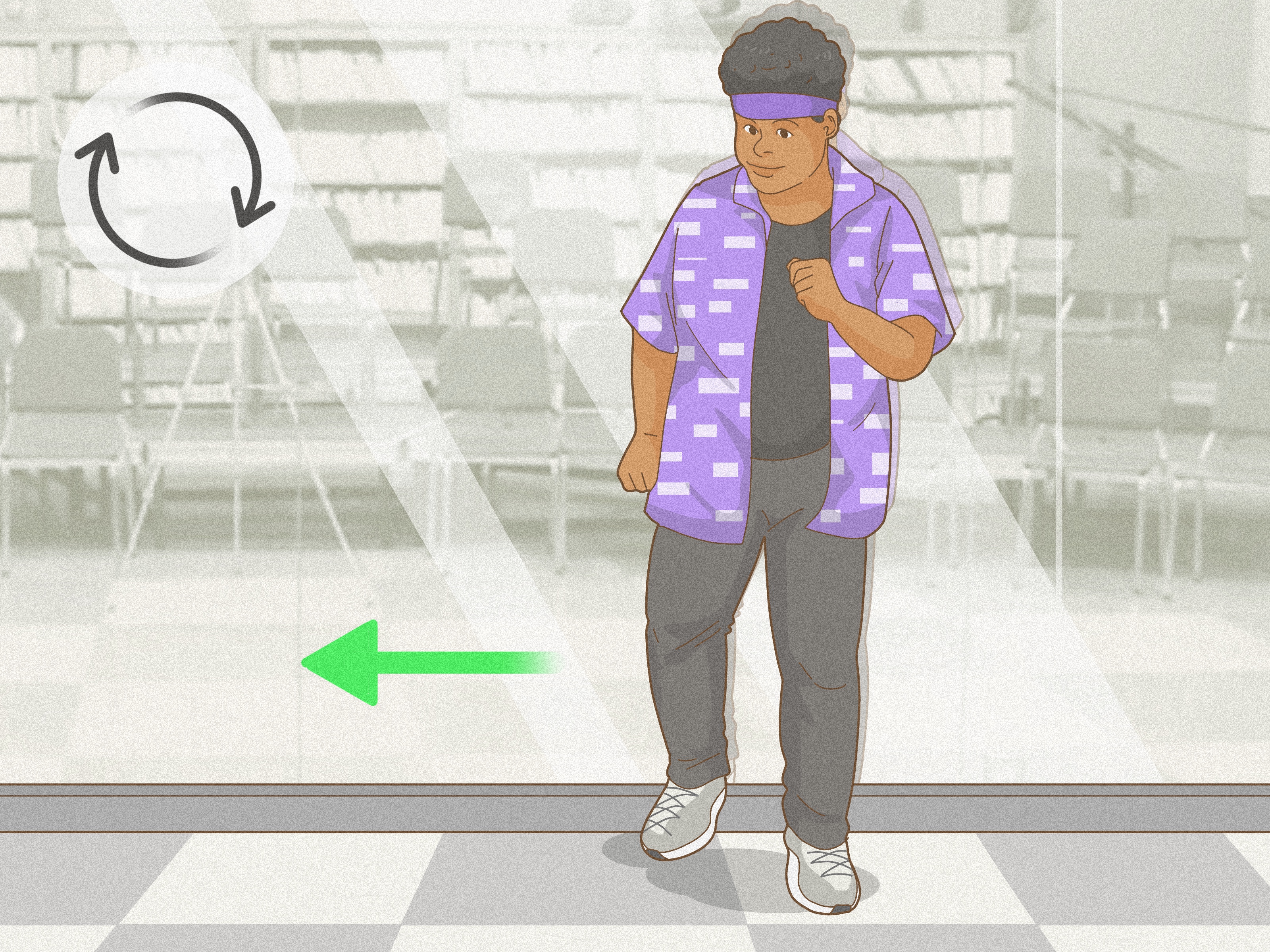
The final section is the famous groove part. For eight counts, you march, twist, or walk in place while slowly turning one quarter to the left. After the turn, you are facing a new wall, and the dance begins again.
Beginners should start with a simple march. Step in place for eight counts while gradually rotating left. Do not rush the turn. You have the whole section to get there. By the end of the eight counts, you should be facing the next direction.
More confident dancers can add style here. Bend your knees slightly, twist your feet, roll your shoulders, or add a small bounce. This is the freestyle zone, so your personality gets a little stage time. Just remember to complete the quarter turn before the next shuffle begins.
The Full Cupid Shuffle Pattern
Here is the complete beginner version in one place:
- Step right and bring the left foot in for four counts.
- Step left and bring the right foot in for four counts.
- Alternate four heel taps or low kicks.
- March or groove in place for eight counts while turning one quarter to the left.
- Repeat the same pattern facing the new wall.
That is it. If you can remember “right, left, kick, turn,” you can survive the Cupid Shuffle at any event. In fact, you might do more than survive. You might become the person others quietly follow when they forget what comes next.
Common Cupid Shuffle Mistakes and How to Fix Them
Mistake 1: Turning Too Early
Many beginners start rotating during the side steps or kicks. Try to keep your body facing forward until the final groove section. The dance looks cleaner when everyone turns at the same time.
Mistake 2: Making the Kicks Too Big
Large kicks can throw off your balance and make the timing harder. Keep the kicks low, relaxed, and rhythmic. A neat heel tap often looks better than a dramatic kick that nearly introduces your shoe to someone’s shin.
Mistake 3: Traveling Too Far
The Cupid Shuffle is usually done in groups, so space matters. Take moderate side steps. You do not need to cross the entire dance floor during the right shuffle. Stay in your lane so everyone can move comfortably.
Mistake 4: Losing the Beat After the Turn
The transition from the turn back into the right shuffle can feel tricky at first. Count out loud during practice: one, two, three, four, five, six, seven, eight. On the next count one, start moving right again.
How to Add Style Without Losing the Steps
Once you know the basic Cupid Shuffle steps, you can make the dance feel more natural. Add a little bounce in your knees. Let your arms swing lightly. Smile if you can; it makes the whole thing look intentional, even if your feet are still negotiating.
During the right and left shuffles, some dancers add shoulder movement or a small clap. During the kick section, you can point your toes, tap your heel with attitude, or add a tiny lean back. During the turn, you can twist your hips, roll your shoulders, or do a playful walk.
The secret is to decorate the dance, not replace it. Keep the main structure clear. Style should sit on top of the timing like frosting on a cupcake. Too much frosting, and suddenly nobody knows where the cupcake went.
Tips for Teaching the Cupid Shuffle to a Group
The Cupid Shuffle is a great dance to teach because the steps are short and repetitive. Start without music. Have everyone stand facing the same direction. Explain the four sections in simple language: right, left, kick, turn.
Practice each section separately. First, do the right shuffle four or five times. Then practice the left shuffle. Next, teach the heel taps. Finally, add the quarter turn. Once everyone understands the parts, connect them slowly.
When teaching beginners, face the same direction as the group instead of standing opposite them. If you face them like a mirror, your right becomes their left, and suddenly the room looks like a math problem wearing sneakers. Standing in front and facing the same way makes it easier for people to copy you.
How to Practice at Home
To practice the Cupid Shuffle at home, start with no music and count slowly. Say the directions out loud. “Right, two, three, four. Left, two, three, four. Kick, kick, kick, kick. Turn, two, three, four, five, six, seven, eight.”
After a few slow rounds, play the song and try to keep up. If the full speed feels too fast, practice the steps to a slower beat first. You can even clap the rhythm before moving your feet. Rhythm gets easier when your body has heard the pattern several times.
Use a mirror if you have one. A mirror helps you see whether you are turning too soon, taking steps too wide, or forgetting to shift your weight. If you do not have a mirror, record a short video for yourself. You do not need to post it. This is research, not a public performance review.
When You Will Use the Cupid Shuffle
The Cupid Shuffle shows up everywhere because it is simple, recognizable, and group-friendly. It is popular at weddings because guests of different ages can join. It works at school events because the steps are clean and easy to organize. It fits family reunions, birthday parties, fitness warm-ups, community events, and casual dance nights.
It is also a confidence builder. Many people are nervous about dancing because they do not know what to do with their bodies once music starts. The Cupid Shuffle solves that problem by giving everyone a shared pattern. You are not dancing alone; you are part of a moving crowd. That takes pressure off and makes the experience more fun.
Health and Fitness Benefits of Learning a Line Dance
Learning the Cupid Shuffle is not just fun. It also gets you moving. Dancing can raise your heart rate, improve coordination, challenge your memory, and encourage social connection. Because the Cupid Shuffle uses repeated side steps, heel taps, marching, and turning, it gives your body a light cardio activity without feeling like a traditional workout.
Line dancing can also help with balance and rhythm because you have to shift weight from one foot to the other while staying aware of timing. For beginners, this is a friendly way to practice movement confidence. You are exercising, but nobody has to call it exercise. Sometimes the best workout is the one disguised as a party.
Beginner Practice Routine
Use this simple 10-minute practice plan if you want to learn the Cupid Shuffle quickly:
- Minute 1: Warm up with easy side steps and shoulder rolls.
- Minutes 2–3: Practice shuffling right and left without music.
- Minutes 4–5: Practice alternating heel taps or low kicks.
- Minutes 6–7: Practice marching while turning one quarter left.
- Minutes 8–9: Put the full pattern together slowly.
- Minute 10: Try it with music and celebrate every successful turn.
Repeat this routine for a few days, and the dance will feel much easier. The goal is not perfection. The goal is to know the pattern well enough that you can jump in confidently when the song starts.
Real-Life Experiences: What It Feels Like to Learn the Cupid Shuffle
The first time many people learn the Cupid Shuffle, they have the same experience: it looks easy from the edge of the dance floor, then suddenly their feet develop their own opinions. That is completely normal. The beginning is usually not about talent; it is about orientation. You are learning which direction to move, when to kick, and how to turn without drifting into the person next to you.
A common beginner moment happens during the first quarter turn. You finish the kicks, start grooving, and then realize everyone else is facing a different wall. Do not panic. The beauty of the Cupid Shuffle is that the pattern repeats quickly. Just face the same direction as the group and rejoin on the next right shuffle. Nobody is keeping score, and if they are, they need a hobby.
At weddings, the Cupid Shuffle often becomes the dance that pulls shy guests onto the floor. One person starts, then a cousin joins, then an aunt, then three kids who have unlimited energy and questionable respect for personal space. Within a minute, the floor fills up. The dance works because it gives everyone a job. You are not inventing moves under pressure; you are following a simple map.
In fitness or school settings, the dance can feel like a warm-up disguised as fun. Students or participants learn to follow rhythm, move in formation, and stay aware of spacing. The repeated pattern builds confidence because every round feels more familiar. By the third or fourth repeat, even nervous dancers usually start adding personality. Shoulders loosen. Arms swing. Someone adds a dramatic kick. Someone else adds a tiny spin during the turn. The room gets lighter.
Practicing alone at home has its own charm. You may feel silly at first, especially if you are counting out loud in your kitchen. But that private practice is where the dance becomes automatic. Once your body remembers the order, the music feels less intimidating. The next time the song plays in public, you will not need to hide behind your drink or pretend to receive a very urgent text. You will know exactly what to do.
The biggest lesson from learning the Cupid Shuffle is that dancing does not have to be complicated to be joyful. You do not need perfect technique to have fun. You need timing, repetition, and the courage to step onto the floor. The Cupid Shuffle gives you all three in a low-pressure package. It is structured enough for beginners, flexible enough for personal style, and familiar enough that someone nearby will always help you find the beat again.
Conclusion
Learning how to do the Cupid Shuffle dance is simple once you break it into four parts: shuffle right, shuffle left, kick four times, and turn one quarter to the left. The dance is popular because it is easy to follow, fun in groups, and welcoming to beginners. With a little practice, you can move confidently at weddings, parties, school events, family gatherings, and anywhere else the song brings people to the floor.
Start slowly, count the steps, keep your kicks controlled, and do not worry if you miss a turn at first. The Cupid Shuffle is built for real people, not dance robots. Once the pattern clicks, you can add your own style and enjoy the best part of line dancing: moving together, laughing together, and pretending you knew the steps all along.