Sexing a rabbit (yes, that’s the official word, and yes, it always makes people giggle) is one of those “sounds easy, is weirdly tricky” skills. Rabbits don’t come with a big neon sign that says Hi, I’m a buck or Hello, I’m a doe. And if you guess wrong? Congratulationsyou may accidentally become the proud parent of a surprise litter.
The good news: with the right handling, the right angles, and a little patience, you can learn how to tell if your rabbit is male or female safely. This guide walks you through the process step-by-step, explains what you’re looking at (without making it awkward… okay, only slightly awkward), and helps you avoid the most common “Wait… is that a testicle or just… fluff?” mistakes.
Why knowing your rabbit’s sex actually matters
Determining the sex of a rabbit isn’t just trivia for rabbit nerds (though rabbit nerds are delightful). It matters because it impacts:
- Accidental pregnancies: Rabbits can reproduce quickly, and young rabbits can become fertile sooner than many new owners expect.
- Bonding and housing: Pairing rabbits is often easier and safer when you know what you’re working with (and when everyone is spayed/neutered).
- Vet planning: Spay/neuter timing and preventive care decisions depend on sex and age.
- Behavior changes: Hormones can influence spraying, mounting, and territorial behaviorespecially in intact rabbits.
When can you tell if a rabbit is male or female?
You can sometimes sex rabbits when they’re young, but it’s much easier as they age. In many males, the testicles become more obvious around the time they descend (often around 10–12 weeks, though it can vary). Some sources note it may even take longer in certain rabbits, which is why young kits can be tricky to sex with confidence.
Age-based reality check
- 0–6 weeks: Possible, but difficult. Everything is tiny and looks deceptively similar.
- 6–10 weeks: Still tricky, but you can often identify shape differences with careful technique.
- 10–16 weeks: Usually much easierespecially if the male’s testicles are visible.
- Adults: Often easiest, but neutered males may not have visible testicles, so you still need to examine the genital opening.
What you’ll need (no fancy gear required)
- A towel (for grip, comfort, and the occasional “bunny burrito” wrap)
- Good lighting (a bright lamp or phone flashlight aimed at the areahands-free if possible)
- A second person (helpful, especially for wiggly rabbits)
- A calm space (quiet room, no barking dogs, no sudden loud noises)
- A treat (for afterwardbribery is a time-honored tradition)
Safety first: how to handle your rabbit without drama
Rabbits are prey animals with powerful back legs and delicate spines. If a rabbit panics and kicks while unsupported, injuries can happen fast. The goal is a quick, gentle checknot a wrestling match.
Golden handling rules
- Always support the hindquarters (the back end) and keep your rabbit close to your body.
- Use a non-slip surface (a towel on a table or your lap).
- Don’t “trance” your rabbit on purpose for convenience. If a rabbit must be on their back briefly for a health check, keep it short and controlled.
- If your rabbit panics, stop. Try again later or ask a rabbit-savvy veterinarian.
How to determine the sex of a rabbit: step-by-step
The most reliable way to tell if your rabbit is male or female is to examine the genital area and look at the shape of the genital opening when gentle pressure is applied. You’re not trying to “force” anythingjust encouraging the anatomy to show itself clearly.
Step 1: Get your rabbit calm and positioned
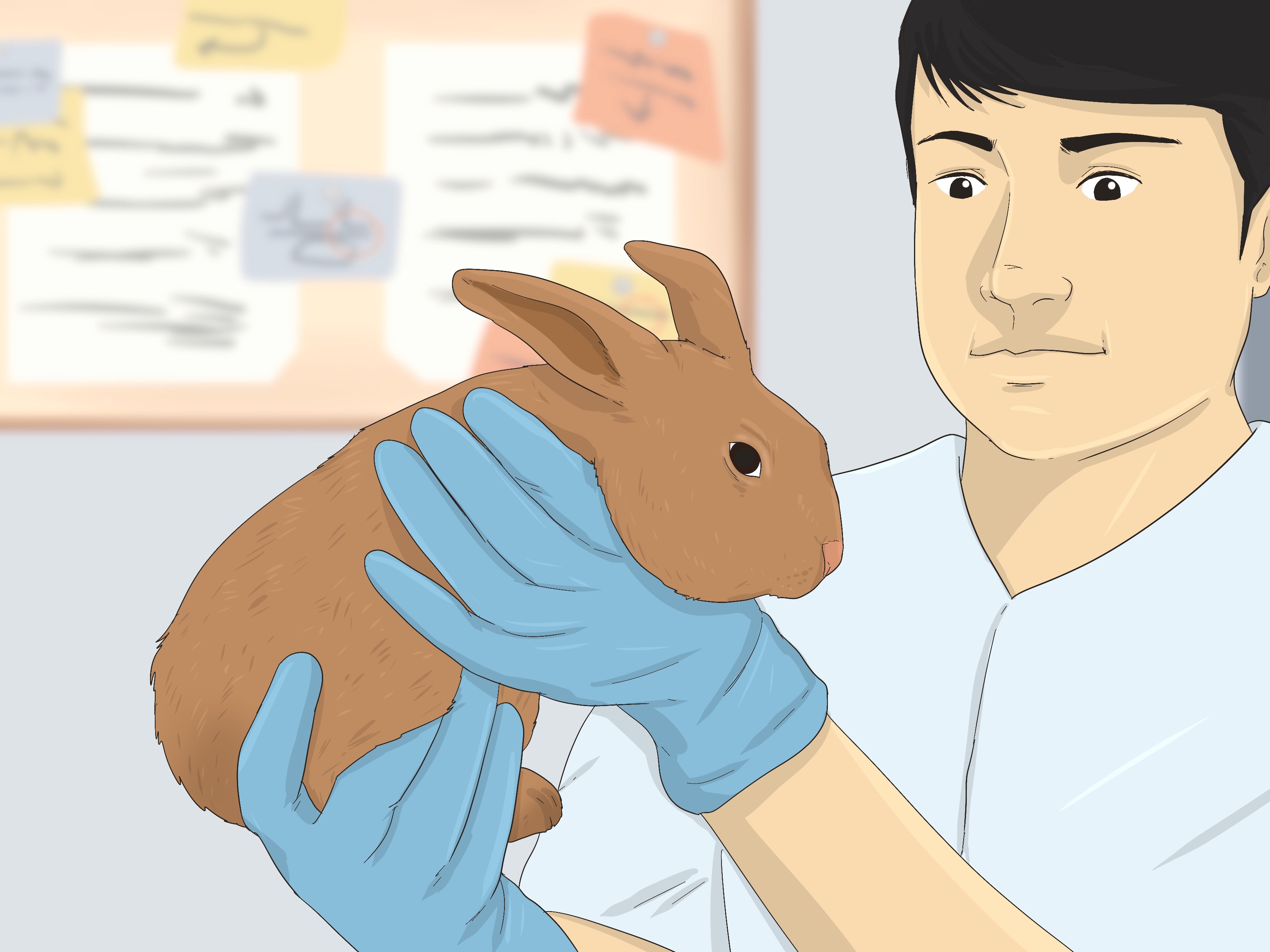
Sit down. Place a towel on your lap or a table. Hold your rabbit securely with their back end supported. Many people find it easiest to have the rabbit facing away from them so the tail and underside are accessible. If you have a helper, one person can hold and soothe while the other checks.
Step 2: Locate the two openings
Under the tail, you’ll see (at least) two openings: the anus (closer to the tail) and the genital opening (slightly forward, between the hind legs). Part the fur gently with your fingers so you can see skin, not just fluff.
Step 3: Use gentle pressure to “reveal” the shape
Place a finger on each side of the genital area (not the anus) and apply gentle pressure downward and slightly forward. Think “firm enough to see,” not “I’m trying to start a campfire.”
This is the key step. The shape you see is what helps determine rabbit sex.
Step 4: Identify what you see (male vs female)
| What you’re looking for | Male rabbit (buck) | Female rabbit (doe) |
|---|---|---|
| Genital opening shape | More round “O”-like opening; penis may protrude as a small tube | More slit-like “I” shape; vulva looks like a vertical slit |
| Distance from anus | Often a bit more space between anus and genital opening | Openings tend to be closer together |
| Testicles | May appear as two hairless/flesh-colored sacs on either side (but can retract and may not show, especially when stressed or if neutered) | No testicles |
| “Volcano” vs “leaf” vibe | Often looks like a rounded protrusion with a circular opening | Often looks more pointed or petal/leaf-like with a slit |
Step 5: Double-check (because rabbits love humbling us)
If you’re sexing a young rabbit, check twice on different days. Lighting, fur, and rabbit mood can change what you see. Also, remember: a female vulva can look surprisingly “pointy,” and that confuses a lot of people. The key difference is the openinground for male, slit for female.
Examples that make this easier to picture
Example 1: The 8-week-old mystery kit
You apply gentle pressure and see a small protrusion. Your brain says, “Aha! That’s a boy!” But hold up. Females can also have visible tissue protrude slightly. Now look at the opening:
- If it’s a vertical slit (like a tiny line), that’s likely a doe.
- If it’s a round opening (more “O” than “I”), that’s likely a buck.
Example 2: The “neutered male with no obvious testicles” curveball
Neutered males won’t have prominent testicles, and even intact males can pull them up into the abdomen. So if you don’t see “the obvious,” don’t panicuse the genital opening shape test. A buck will still show a more tubular protrusion and a rounder opening when pressure is applied.
Common mistakes (and how to avoid them)
Mistake 1: Relying on testicles alone
Testicles can be hidden by fur, may not have descended yet in young rabbits, and can retract when a rabbit is stressed. So “I don’t see testicles” does not automatically mean “female.”
Mistake 2: Confusing scent glands with testicles
Rabbits have scent glands near the genital area. In young rabbits especially, these can be mistaken for developing testicles. Focus on the genital opening shapenot just nearby anatomy.
Mistake 3: Guessing based on personality
“This one is sweet, so it must be a girl.” “This one is chaotic, so it must be a boy.” Fun theorycompletely unreliable. Behavior can vary wildly by individual, age, hormones, and whether a rabbit is altered.
Mistake 4: Holding the rabbit in a stressful position for too long
Your rabbit does not want a 10-minute photoshoot of their private parts. Keep checks short, calm, and safe. If your rabbit struggles, stop and try again later (or let a rabbit-savvy vet handle it).
What if you’re still not sure?
If you’ve tried the step-by-step method and it still feels like a tiny anatomical optical illusion, it’s completely reasonable to ask a veterinarian (ideally one experienced with rabbits) to confirm. Many rescues and clinics will also help confirm sexespecially for new owners.
While you’re waiting for confirmation
- Separate rabbits if there is any chance you have a male/female pair.
- Don’t trust pet store labels blindlymis-sexing happens.
- Plan for spay/neuter with professional guidance based on your rabbit’s age, size, and health.
FAQ: quick answers to common rabbit sexing questions
Can I tell the sex of a rabbit without flipping them over?
Sometimes you can do a careful check with the rabbit supported in your lap without fully placing them on their back. The less stressful the position, the betterbut you still need a clear view and gentle pressure near the genital opening.
Do male rabbits always have visible testicles?
No. Young males may not have descended testicles yet, intact males can retract them, and neutered males won’t have prominent ones. That’s why the genital opening shape test matters.
What does a female rabbit’s genital area look like?
The vulva typically shows a vertical slit and may look somewhat pointed or “petal-like” when pressure is applied. In some females, it can appear like a small moundso focus on the slit.
What does a male rabbit’s genital area look like?
With gentle pressure, the penis may protrude as a small tube, and the opening tends to look more round (“O”-like). Adult intact males may also show scrotal sacs on either side.
At what age should rabbits be separated to prevent breeding?
Many rabbit care and breeding resources recommend separating males and females early (often around weaning age in some settings), because rabbits can mature quickly. If you’re unsure of sex, separate first and confirm second.
What if my rabbit gets stressed during sexing?
Stop. Stress and struggling increase injury risk. Try again later with better setup (towel, calmer environment, helper), or ask a rabbit-savvy vet to do the check quickly and safely.
Extra: 500+ words of real-world rabbit sexing experiences (the “we’ve all been there” edition)
If you’re feeling slightly ridiculous reading a rabbit gender guide, welcome to the club. Many rabbit owners describe their first attempt at determining the sex of a rabbit as a mix of science, suspense, and mild disbelief that this is now part of their personality.
One common experience is the “I was sure… until I wasn’t” moment. New owners often start confident: “This is obviously a boy.” Then the rabbit shifts a half-inch, the lighting changes, and suddenly the whole situation looks like a tiny Rorschach test. That’s why experienced rescuers encourage people to check more than once, and why many owners learn to use the opening shape (round vs slit) as their anchor, instead of fixating on nearby bumps or fur patterns.
Another classic is the “two boys” that become “boy and girl” overnight story. It’s so common that rescues regularly warn adopters not to assume pet store sexing is accurateespecially for young kits. People adopt a “bonded pair of brothers,” set up a cute shared pen, and then a few weeks later they’re googling things like “why is my rabbit building a nest” and “how do I explain surprise babies to my spouse.” (Pro tip: lead with “I have good news and also I have many rabbits.”)
Owners also talk about learning the difference between seeing and interpreting. The first time you look, everything is just “rabbit underside.” The second time, you can spot the anus and the genital opening. The third time, you start noticing spacing and shape. By the fourth time, you’re casually saying sentences you never expected to say, like “That’s definitely more of an O than an I,” as if you’re grading typography.
People who volunteer with rabbit rescues often mention that the biggest game-changer is having a comparison. Sexing one rabbit in isolation can be tricky, but comparing two rabbits of the same age makes differences stand out: a slightly longer distance here, a clearer slit there, a more tubular protrusion on the other one. It’s the rabbit version of “spot the difference,” except the stakes are “do you want grandchildren in six weeks.”
Handling confidence is another major theme. Many owners report that their rabbit wasn’t the problemtheir nerves were. When a human is tense, they move hesitantly, and rabbits pick up on that. The best “experienced owner” advice is: prep your space, get good lighting, support the hindquarters, and keep the check short. If your rabbit starts to wiggle, you pause, breathe, and resetbecause rabbits can go from calm to pogo-stick in a heartbeat.
And finally, there’s the sweet part: lots of owners say that once they mastered basic handling and gentle checks, their rabbits became more comfortable being touched for grooming and vet-style exams. Sexing wasn’t just about determining male vs female rabbit anatomyit became part of building trust, learning body language, and becoming the kind of rabbit parent who can say, “Yes, I can trim nails, check scent glands, and confirm sex… and I still have time to love my bunny like a tiny royal.”
Conclusion
Learning how to determine the sex of a rabbit is a practical skill that protects your rabbit’s health, prevents surprise litters, and makes housing decisions a whole lot easier. The safest approach is calm handling, good lighting, and using the step-by-step genital opening shape method (round/tubular for males, slit-like for females). When in doubt, don’t guessseparate rabbits and ask a rabbit-savvy vet to confirm.