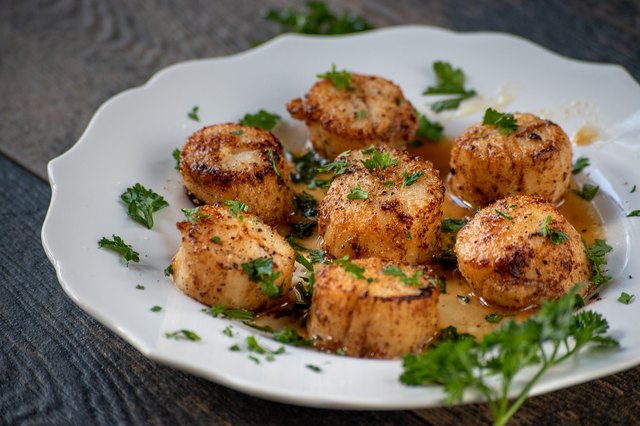
Frozen sea scallops are one of the best “cheat codes” in the seafood aisle: sweet, buttery, and weeknight-fast once they’re thawed.
The catch? Scallops are basically moisture magnets, and the wrong defrost method can turn your fancy dinner into a pale, watery situation
that refuses to sear. (A scallop that steams is a scallop that cries.)
This guide walks you through the safest, best-texture ways to defrost sea scallopsplus a few chef-y tricks to keep them dry enough for
that golden-brown crust. You’ll also learn what not to do (spoiler: countertop thawing is a hard no), how to tell if scallops are
“dry-packed” or “wet,” and what to do with that mysterious milky liquid that sometimes shows up.
Quick Answer: The Best Way to Defrost Sea Scallops
For the best texture and the safest results, defrost sea scallops overnight in the refrigerator. Place them so excess liquid can
drain away, then pat them very dry before cooking.
Choose your timeline
- Best (plan ahead): Refrigerator thaw (8–12 hours, sometimes up to 24)
- Fast (same-day): Cold-water thaw (about 30–60 minutes per pound, depending on size)
- Last resort: Microwave defrost (only if cooking immediately after)
Before You Start: Know Your Scallops
Sea scallops vs. bay scallops
This article is for sea scallopsthe larger ones that are perfect for pan-searing. Bay scallops are smaller and thaw faster, but
they’re easier to overcook and usually better for quick sautés, pasta, or chowder.
Dry-packed vs. wet-packed (why some scallops won’t brown)
You’ll hear cooks talk about “dry” and “wet” scallops. Dry-packed scallops are not treated with water-retaining additives, so they
naturally sear better. Wet-packed scallops (sometimes called “soaked”) have been treated to hold more moistureso they can taste a
little diluted and release more liquid in the pan.
If your scallops consistently “boil” in the skillet instead of browning, the issue might not be your techniqueit might be extra moisture. The defrost
steps below help either kind, but they’re especially helpful for wetter scallops.
Food Safety Basics (Because Seafood Doesn’t Do Second Chances)
Scallops are perishable, so the goal is simple: keep them out of the temperature “danger zone” as much as possible and thaw them in a controlled way.
Never thaw scallops on the counter, in warm water, or in the sink all afternoon “while you get to it.” That’s not meal prepthat’s microbial networking.
- Safe thaw methods: refrigerator, cold water, or microwave
- Cold-water or microwave thawed scallops: cook immediately after thawing
- Once thawed in the fridge: use within 1–2 days for best quality
Method 1 (Best): How to Defrost Sea Scallops in the Refrigerator
This method protects texture, keeps scallops cold the whole time, and makes it much easier to get a great sear.
Step-by-step refrigerator thaw (the “no regrets” method)
-
Keep them sealed if possible. If your scallops are vacuum-sealed, keep the package closed while thawing (unless it’s damaged or leaking).
If they’re in a regular bag, squeeze out excess air and reseal. -
Set up a drip-proof, dryness-friendly landing pad. Place a small rack over a plate, or set a colander inside a bowl.
The idea is to let liquid drain away instead of letting scallops sit in it. -
Refrigerate 8–12 hours. For very large sea scallops or a thick, tightly packed block, plan for up to 24 hours.
If you’re thawing a single pound in a flat layer, it often finishes sooner. -
Drain and dry. Once thawed, pour off any liquid. Gently pat scallops dry with paper towels.
For extra sear insurance, place them on fresh paper towels and refrigerate uncovered for 10–15 minutes, then pat dry again. -
Remove the side muscle (optional but recommended). Feel for a small, crescent-shaped “tag” on the side of each scallop. Pull it off.
It’s edible, but it can get chewy.
Why the rack/colander trick matters
Sitting in meltwater is the enemy of browning. Scallops release moisture as they thaw, and if they soak in it, you’re basically rehydrating them.
Draining plus aggressive drying sets you up for caramelization instead of steaming.
How to tell scallops are fully thawed
- They should feel pliable all the way through, not stiff in the center.
- There may still be a few icy crystalsthat’s okay if you’re cooking right away.
- They should smell clean and briny, not sour, ammonia-like, or intensely “fishy.”
Method 2 (Fast & Safe): How to Defrost Sea Scallops in Cold Water
If dinner is happening soon, cold-water thawing is your best quick option. The key is keeping the scallops sealed and the water
cold, then cooking promptly once thawed.
Step-by-step cold-water thaw
- Seal tightly. Put scallops in a leak-proof zip-top bag (or keep them in an intact vacuum-sealed pack).
- Submerge in cold water. Place the bag in a bowl of cold tap water. Weight it with a small plate if it floats.
- Refresh the water every 10–15 minutes. This keeps the water cold and speeds thawing.
-
Thaw time: Expect roughly 30–60 minutes per pound, depending on how tightly they’re frozen together and how large the scallops are.
Small packages can thaw surprisingly quickly. - Dry like you mean it. Remove from the bag, drain, and pat thoroughly dry. Then cook immediately.
Cold-water thawing: common mistakes
- Warm water: It speeds thawing, but it also invites bacteria and worsens texture.
- Unsealed scallops: Don’t let scallops soak directly in wateryou’ll wash away flavor and add moisture.
- Thaw now, cook later: If you cold-water thaw, don’t stash them in the fridge “for tomorrow.” Cook them right away.
Method 3 (Last Resort): Microwave Defrost (Only If You Cook Immediately)
Microwaves can partially cook delicate seafood in a blink, so this is the “break glass in case of hunger” method. Use it only if you’ll cook right away.
How to microwave-defrost scallops without cooking them (too much)
- Place scallops in a single layer on a microwave-safe plate.
- Use the defrost setting (or 30% power).
- Microwave in short bursts (15–20 seconds), checking and flipping once or twice.
- Stop when scallops are still icy but pliable.
- Pat dry and cook immediately.
If you notice edges turning opaque, you’re already in “accidentally poached” territory. Not a tragedy, but searing will be harder.
What NOT to Do When Defrosting Sea Scallops
- Don’t thaw on the countertop. Room-temp thawing is unsafe and can cause uneven texture.
- Don’t soak scallops in water. You’ll waterlog them and make browning a struggle.
- Don’t use hot water. Fast thawing at warm temps is a food safety risk.
- Don’t skip drying. Moisture is the #1 reason scallops refuse to brown.
After Thawing: How to Prep Scallops for Better Browning
1) Drain off liquid, then pat dry (twice, if needed)
The easiest upgrade you can make is drying. Press gentlydon’t smash themthen switch to a fresh towel and pat again.
Want restaurant-level sear? Let the scallops sit on paper towels in the fridge for 10–15 minutes and pat once more.
2) Should you rinse scallops?
Usually, no. Rinsing can make scallops absorb extra water, which works against browning. If your scallops have grit or an unpleasant surface film,
a very quick rinse can helpbut dry them immediately and thoroughly afterward.
3) Remove the side muscle
That little side flap can be chewy. Pinch and pull it off. It’s a small detail that makes the finished dish feel more “special occasion.”
4) Season timing matters
Salt draws moisture to the surface. If you salt too early, you may create a damp exterior. For maximum browning, salt right before the panor
salt lightly, then re-pat if you see beads of moisture.
How Long Do Thawed Sea Scallops Last in the Fridge?
If you thawed scallops in the refrigerator, aim to cook them within 1–2 days for the best flavor and texture. Keep them cold, covered,
and ideally in the coldest part of the fridge. If you thawed scallops in cold water or the microwave, cook them immediately.
Can you refreeze thawed scallops?
It depends on how they were thawed. If scallops were thawed safely in the refrigerator and stayed cold, they can often be refrozen from a safety
standpointbut quality usually takes a hit (more moisture loss, tougher texture). If they were thawed in cold water or a microwave, don’t refreeze:
cook them instead.
Troubleshooting: Common Scallop Thawing Problems
“My scallops are sitting in a milky white liquid.”
Some frozen scallops release a cloudy liquid as they thaw. This can be normal, especially if the product was previously treated to retain moisture.
Drain it off, then pat dry thoroughly. If the smell is clean, you’re likely fine. If it smells sour, sharply fishy, or “chemical,” discard them.
“They smell fishy… are they bad?”
Fresh scallops should smell like the oceanbriny and mildly sweetnot like a dock in July. Strong fishy odor, sourness, or ammonia-like notes are red flags.
When in doubt, don’t gamble.
“They won’t brown no matter what.”
- They’re too wet (dry more, and consider the fridge-air-dry step).
- Your pan isn’t hot enough.
- You overcrowded the skillet (steam city).
- You may have wet-packed scallops that release more liquid.
Mini Game Plan: Defrosted Scallops to Dinner in 10 Minutes
Once your scallops are thawed and dry, the cooking part is fast. Here’s a simple path that works with almost any recipe:
- Pat scallops dry. Remove side muscles.
- Preheat a heavy skillet until very hot.
- Add a thin layer of high-heat oil.
- Season scallops. Sear without moving them until deeply browned, then flip briefly.
- Finish with butter, lemon, and herbs if you want to feel fancy with minimal effort.
FAQ: How to Defrost Sea Scallops
Can I cook sea scallops from frozen?
You can, but it’s tricky. Frozen scallops tend to release water as they cook, which makes it harder to sear evenly. For the best texture and browning,
thaw first, then dry aggressively.
Is it okay if scallops still have a little ice on them?
A few icy crystals are okay if the scallops are mostly pliable and you’re cooking immediately. But a frozen core can cause uneven cookingdry and overdone
on the outside, undercooked inside.
What’s the “fastest safe” method?
Cold-water thawing in a sealed bag is typically the fastest safe method that still protects texture. Just remember: cook immediately after thawing.
Conclusion
Defrosting sea scallops isn’t complicated, but it is oddly unforgiving. The best method is the simplest: thaw overnight in the refrigerator, let excess
liquid drain away, and dry them well. If you’re short on time, cold-water thawing works greatas long as the scallops stay sealed and you cook right away.
When in doubt, choose safety and dryness. Your reward is that restaurant-style sear: browned edges, tender center, and the kind of dinner that makes people
assume you own at least one linen napkin.
Kitchen Notes & Real-World Experiences ()
Ask anyone who has cooked scallops a few times and you’ll hear the same origin story: the first attempt is usually “why are these swimming in liquid?”
Scallops have a way of humbling confident home cooks because they look so simplelittle white medallions, barely any prepyet they demand one thing:
a dry surface. In real kitchens, the biggest “aha” moment is learning that defrosting is only half the job. The other half is managing moisture like it’s
your side hustle.
A common experience goes like this: you thaw scallops in the fridge, open the package, and discover a puddle. The instinct is to rinse them (because
puddle = suspicious, obviously). But then the pan refuses to brown them, and instead you get pale scallops that smell great but look like they’re wearing
a sad beige sweater. The fix most cooks end up discovering is wonderfully unglamorous: paper towels. Lots of them. Pat, replace, pat again. Thenthis is
the part that feels almost too easygive them a short rest in the fridge on fresh towels so the surface dries out again. That tiny extra wait often turns
“meh” into “did you secretly go to culinary school?”
Another real-life moment: you’re in a hurry, so you cold-water thaw. It works, but the scallops come out colder and wetter than expected, and if you toss
them into a pan that isn’t ripping hot, they’ll leak moisture before they sear. People describe this as “they boiled” or “they steamed,” and it’s exactly
what happened. The pan wasn’t ready, or there were too many scallops crowded together, or both. Once you’ve lived through this once, you start doing two
small things automatically: (1) you preheat the skillet longer than feels necessary, and (2) you cook in batches, even if it means your first batch is
staring at you from a plate like, “Hi, I’m getting cold.” (A quick solution: warm plate, low oven, or just accept that scallops disappear fast anyway.)
Some cooks also notice that certain scallops release more liquid than others and assume they “did something wrong.” Often, it’s just the product. If you’ve
ever seen scallops with a lot of cloudy liquid or a slightly soapy smell, you may be dealing with wet-packed scallops that retain extra moisture. The
experience here is frustratingbut it’s also empowering, because it explains why you can do everything “right” and still struggle. In those cases, the best
real-world move is to double down on drying: drain well, pat dry, give them a short uncovered rest in the fridge, then pat again right before cooking. It’s
not fancy. It’s effective.
Finally, there’s the confidence experience: once you nail defrosting and drying, scallops become one of the easiest “impressive” dinners you can keep in
your back pocket. They cook fast, pair with anything, and feel celebratory even on a Tuesday. The truth is, the wow factor isn’t complicated techniqueit’s
just respecting the scallop’s one big rule: stay cold, thaw safely, and stay dry.