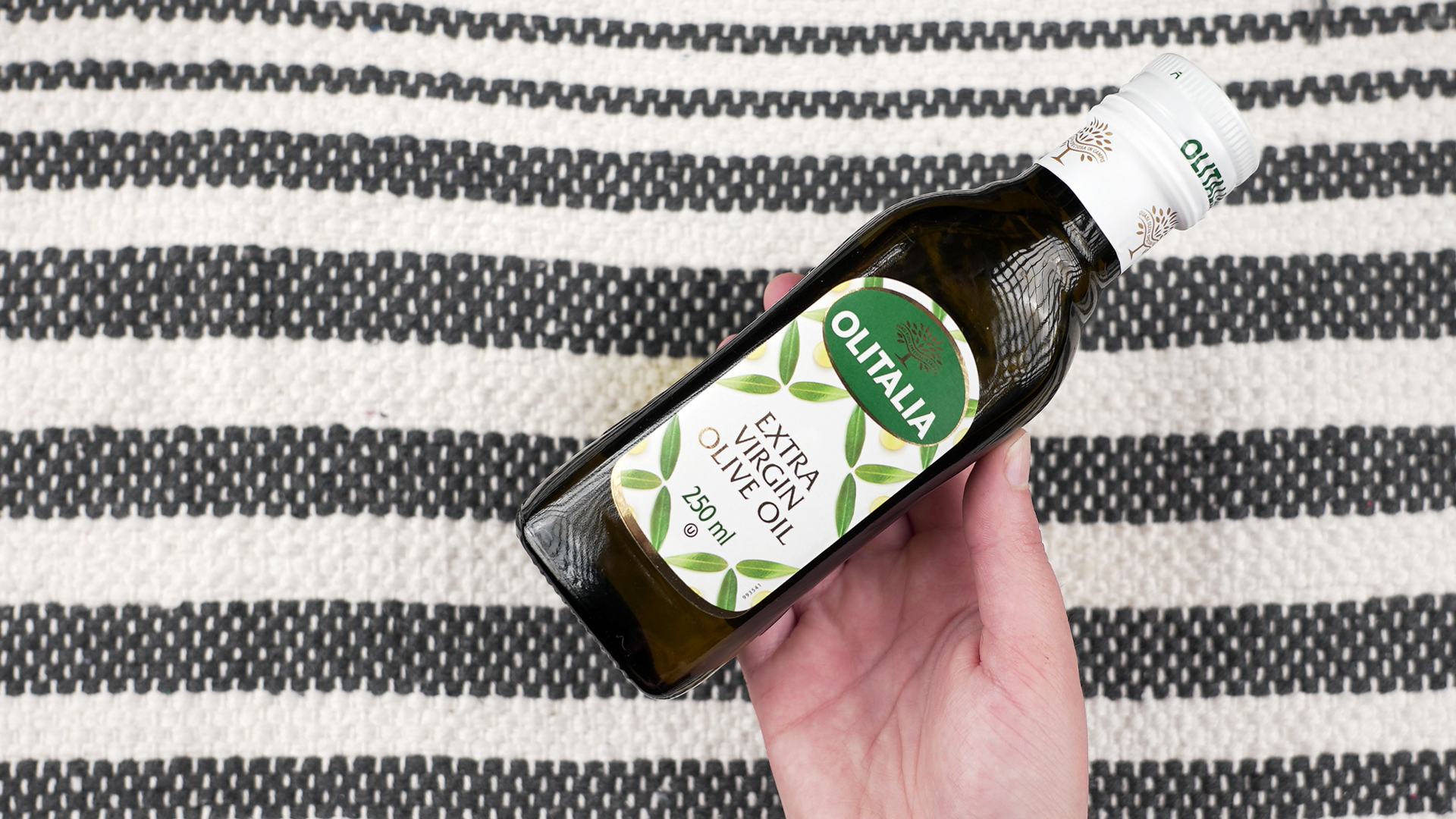
Oil on the floor is one of those household problems that starts small and immediately turns dramatic. One second you are cooking, fixing a bike, changing motor oil, or carrying groceries. The next second, your floor has become a skating rink with a shiny personality problem. Whether the spill is olive oil in the kitchen, motor oil in the garage, grease near the stove, or leaked lubricant in a basement workshop, the first rule is simple: do not panic, and do not start mopping wildly like you are auditioning for a cleaning commercial.
The best way to clean oil from the floor depends on three things: the type of oil, the type of flooring, and how long the oil has been sitting there plotting against your socks. Fresh oil needs fast absorption. Old oil stains need a degreasing method that breaks down residue and pulls it out of porous surfaces. Delicate floors like hardwood, laminate, natural stone, and vinyl need gentler treatment than concrete or garage flooring.
This guide explains the seven best ways to clean oil from the floor using practical, realistic methods. You will also learn what not to use, how to avoid slippery residue, and how to handle different floor materials without accidentally turning a small spill into a home improvement project with a dramatic soundtrack.
Before You Start: Safety Comes First
Oil spills are not just ugly; they are slip hazards. A small splash of cooking oil can send a person sliding across the kitchen like a confused penguin. Before cleaning, block off the area, keep pets and children away, and avoid walking through the spill. If the oil is near electrical cords, appliances, or power tools, unplug what you safely can before beginning.
Wear rubber gloves if you are dealing with motor oil, machine oil, unknown oily liquids, or strong degreasers. Open a window or ventilate the area when using commercial cleaners. Never mix cleaning chemicals unless the product label specifically says it is safe. Bleach, ammonia, acids, and solvents do not become more powerful when combined; they become a chemistry lesson nobody asked for.
Know Your Floor Type Before Choosing a Method
The right oil-cleaning method depends heavily on the surface. Concrete can handle stronger scrubbing and absorbent powders. Ceramic and porcelain tile usually tolerate mild detergent and warm water well. Hardwood and laminate need very little moisture. Natural stone requires pH-neutral cleaners because acids such as vinegar or lemon juice can etch marble, limestone, travertine, and similar stone surfaces.
If you are unsure what your floor can handle, test the cleaning method in a hidden spot first. This tiny step can save you from creating a bright, clean patch that looks suspiciously different from the rest of the floor.
1. Blot and Absorb Fresh Oil Immediately
The fastest and often most effective way to clean oil from the floor is to absorb it before it spreads. This works especially well for fresh cooking oil, motor oil, garage spills, and greasy drips on concrete, tile, vinyl, or sealed floors.
What You Need
- Paper towels, old rags, or microfiber cloths
- Baking soda, cornstarch, sawdust, clay cat litter, or oil absorbent granules
- Broom or dustpan
- Mild dish soap
- Warm water
How to Do It
Start by blotting the oil with paper towels or rags. Press down gently and lift. Do not wipe in circles because that spreads the oil into a larger, slipperier masterpiece. Once the surface liquid is mostly gone, cover the area generously with an absorbent material. Baking soda and cornstarch work well for kitchen spills. Clay cat litter, sawdust, or commercial absorbent granules are better for garage floors and motor oil.
Let the absorbent sit for at least 15 to 30 minutes for small spills. For a larger or thicker oil spill, leave it for several hours or overnight. Then sweep it up carefully and dispose of it according to the type of oil. Cooking oil absorbed into paper towels can usually go in household trash, but used motor oil or oily garage waste may require local hazardous-waste disposal.
Finish by washing the area with warm water and a small amount of dish soap. Rinse with a damp cloth and dry thoroughly. The floor should feel clean, not slick. If it still feels greasy, repeat the soap step.
2. Use Dish Soap and Warm Water for Light Oil Residue
Dish soap is designed to cut grease, which makes it one of the simplest tools for cleaning oil from many household floors. It is especially useful on tile, sealed vinyl, sealed concrete, and many washable kitchen floors.
Best For
- Cooking oil spills
- Greasy footprints
- Light oil film near stoves
- Small spills on tile or vinyl
How to Do It
Mix a few drops of grease-cutting dish soap into a bucket or bowl of warm water. Dip a microfiber cloth or soft mop into the solution, wring it out well, and wipe the oily area. For textured tile or grout lines, use a soft-bristle brush to work the soap into the surface. Let it sit for a few minutes if the oil is stubborn, but do not allow standing water to soak into seams, wood, laminate edges, or unsealed flooring.
After cleaning, wipe the area with clean water to remove soap residue. This step matters because leftover soap can make the floor dull, sticky, and oddly attractive to dirt. Dry the floor with a towel. A dry finish is not just prettier; it also reduces slip risk.
3. Try Baking Soda Paste for Grease Stains
Baking soda is the humble little box in the pantry that somehow keeps getting promoted. It absorbs oil, gently scrubs without being too harsh, and helps lift light grease stains. It is especially helpful for tile, grout, concrete, and some vinyl floors.
How to Make the Paste
Mix baking soda with a small amount of water until it forms a thick paste. The texture should be spreadable, not soupy. Apply the paste to the oily spot and let it sit for 15 to 30 minutes. For deeper stains on concrete, you can leave it longer.
Scrub gently with a nylon brush or sponge, then wipe up the paste with a damp cloth. Rinse and dry the area. Avoid using a harsh abrasive pad on glossy tile, vinyl, laminate, or finished wood because scratches are not the kind of “character” most floors need.
When Baking Soda Works Best
This method shines when the oil spill is not extremely old or deeply soaked in. It is also a good first step before moving to stronger cleaners. Think of baking soda paste as the polite opening move before you bring in the heavy-duty degreaser.
4. Use Cat Litter or Sawdust for Garage and Concrete Oil Spills
Concrete floors are strong, but they are also porous. Oil can seep into tiny openings and leave behind dark stains. If you are dealing with motor oil, hydraulic fluid, or greasy garage spills, absorbent material is your best first move.
How to Do It
Cover the oil stain with clay cat litter, sawdust, or a commercial absorbent. Do not use crystal cat litter or lightweight scented varieties if you can avoid it. Plain clay litter works better because it grabs oil more effectively.
For fresh spills, let the material sit for several hours. For heavy spills, leave it overnight or up to 24 hours. Then grind it gently into the stain with the sole of an old shoe or a stiff broom. This helps the absorbent reach more oil. Sweep everything up and repeat if the spot still looks wet.
After absorbing the oil, clean the remaining stain with dish soap, laundry detergent paste, or a concrete-safe degreaser. Scrub with a stiff nylon brush, rinse, and allow the floor to dry fully. Concrete sometimes needs more than one round. It is not being difficult; it is just full of tiny pores with commitment issues.
5. Apply a Degreaser for Stubborn Oil Stains
When soap and baking soda are not enough, a degreaser can help break down oily residue. Degreasers are useful on concrete garage floors, sealed tile, some vinyl floors, and other durable surfaces. However, not every degreaser is safe for every floor, so always read the label.
How to Use a Degreaser Safely
Choose a cleaner made for your surface. Concrete degreasers are not automatically safe for hardwood, laminate, natural stone, or delicate finishes. Apply the product according to the label directions. Let it dwell for the recommended time, then scrub with a suitable brush or mop.
Rinse thoroughly. This is important because degreaser residue can leave the floor sticky or slippery. Dry the surface completely before allowing foot traffic. If you have pets, keep them away until the floor is rinsed and dry.
Where Degreasers Work Best
Degreasers are most effective on old cooking grease buildup, garage oil stains, workshop spills, and oily footprints. For concrete, a degreaser may be followed by pressure washing if the surface is outdoors or in a garage with proper drainage. Indoors, use controlled rinsing and a wet vacuum if needed.
6. Use a Poultice for Oil Stains on Natural Stone
Natural stone floors are beautiful, but they are picky. Marble, limestone, travertine, slate, and granite can absorb oil, especially if the sealer is worn. An oil stain on stone often appears as a dark spot. Scrubbing harder rarely solves the problem because the oil has moved below the surface.
What Is a Poultice?
A poultice is a paste made from an absorbent powder and a cleaning liquid. As it dries, it helps draw the stain out of the stone. For oil-based stains, many stone-care professionals recommend using a poultice rather than aggressive scrubbing.
How to Use It
Start by blotting any surface oil. Clean the area with a pH-neutral stone cleaner or mild dish soap and water. Then make a paste using baking soda and water for a mild approach, or use a stone-safe poultice product for tougher stains. Spread the paste over the stain about one-quarter inch thick. Cover it with plastic wrap and tape the edges loosely. Let it sit for 24 to 48 hours, then remove the dried paste and clean the area gently.
Avoid vinegar, lemon juice, acidic cleaners, and abrasive powders on natural stone. They may remove the oil, but they can also dull or etch the surface. That is like fixing a coffee stain by setting the table on firetechnically decisive, but not recommended.
7. Clean Hardwood and Laminate Floors with Minimal Moisture
Oil spills on hardwood and laminate require a careful hand. Too much water can damage wood, swell laminate seams, or leave streaks. Strong chemicals can strip finishes. The goal is to remove the oil without soaking or scratching the floor.
How to Clean Oil from Hardwood Floors
Blot the oil immediately with a dry cloth. Then use a barely damp microfiber cloth with a small amount of pH-neutral wood floor cleaner or very diluted dish soap. Wipe the oily area gently, following the grain of the wood. Follow with a clean damp cloth to remove residue, then dry immediately with a soft towel.
If the oil has soaked into unfinished or worn wood, the stain may be difficult to remove without refinishing. In that case, avoid experimenting with harsh solvents. Contact a flooring professional before making the spot larger, lighter, or somehow both.
How to Clean Oil from Laminate Floors
For laminate, blot first, then use a damp cloth with mild dish soap or a laminate-safe cleaner. Do not flood the floor. Do not use steam cleaners. Dry the area thoroughly, especially along plank seams. If oil has slipped into the joints, repeat gentle cleaning rather than soaking the floor.
What Not to Use When Cleaning Oil from the Floor
Some cleaning shortcuts sound tempting but can cause damage or create safety issues. Avoid gasoline, paint thinner, or harsh solvents for ordinary household oil spills. These products can be flammable, toxic, and damaging to many flooring materials. Do not use vinegar on natural stone. Do not use abrasive scrubbers on glossy tile, vinyl, laminate, or finished wood. Do not pour oil-contaminated water into storm drains, soil, or outdoor areas where it can reach waterways.
Also, do not assume more cleaner means better cleaning. Too much soap or degreaser can leave a film that attracts dirt and makes the floor slippery. Cleaning oil from the floor is a little like seasoning food: the right amount works beautifully; too much creates regret.
How to Remove Old Oil Stains from Concrete
Old oil stains are tougher because the oil has already soaked in. Start by sweeping the area clean. Apply a concrete-safe degreaser or a paste made from powdered laundry detergent and water. Let it sit long enough to break down the oil, usually 10 to 30 minutes depending on the product and stain. Scrub with a stiff nylon brush, rinse, and let the area dry.
If the stain remains, use an absorbent poultice method. Mix an absorbent material such as baking soda, diatomaceous earth, or powdered absorbent with a concrete-safe cleaner to form a paste. Spread it over the stain and let it dry completely. As it dries, it can pull loosened oil from the concrete. Sweep it away and repeat if necessary.
For outdoor concrete, pressure washing can help after degreasing, but use caution. High pressure can damage weak concrete, force dirty water into unwanted places, or spread oily runoff. Protect nearby plants and keep oily water out of storm drains.
How to Prevent Oil Stains in the Future
The easiest oil stain to clean is the one that never gets a chance to move in and sign a lease. In kitchens, wipe cooking splatters quickly and place washable mats near stoves or prep areas. In garages, use drip pans under vehicles and equipment. Store oil containers upright in a tray or bin. Keep absorbent materials nearby so spills can be handled quickly.
For concrete garage floors, consider sealing the concrete after stains are removed. A quality concrete sealer can reduce absorption and make future cleanup easier. For natural stone, keep the stone properly sealed according to the manufacturer’s recommendation. For wood and laminate, clean spills immediately and avoid oil-based soaps unless your floor manufacturer specifically recommends them.
Quick Floor-by-Floor Cleaning Guide
Tile Floors
Blot fresh oil, wash with warm water and dish soap, scrub grout gently with a nylon brush, rinse, and dry. Avoid oily cleaners that leave a slippery film.
Concrete Floors
Absorb with cat litter or sawdust, sweep, scrub with degreaser or detergent paste, rinse, and dry. Repeat for old stains.
Hardwood Floors
Blot immediately, wipe with a barely damp cloth and wood-safe cleaner, then dry right away. Avoid soaking, steam, ammonia, and abrasive pads.
Laminate Floors
Use minimal moisture, mild cleaner, and a microfiber cloth. Dry seams carefully. Do not flood or steam-clean.
Natural Stone Floors
Use pH-neutral cleaner. For dark oil stains, use a stone-safe poultice. Avoid vinegar, lemon, harsh acids, and abrasive powders.
Vinyl Floors
Blot, clean with mild dish soap or a vinyl-safe cleaner, rinse lightly, and dry. Avoid strong solvents that can dull or damage the surface.
Extra Experience-Based Tips for Cleaning Oil from the Floor
After dealing with more oil spills than any reasonable household should admit, one lesson stands out: the first five minutes matter more than the next five cleaning products. Fresh oil is much easier to absorb than old oil. If you catch the spill early and cover it with baking soda, cornstarch, or cat litter, you can often prevent a permanent stain. Waiting usually turns a simple cleanup into a full-body workout involving scrubbing, rinsing, repeating, and questioning your life choices.
In the kitchen, the biggest mistake is mopping too soon. A wet mop pushes oil across the floor and creates a thin greasy film. That film can travel farther than expected, especially on smooth tile or vinyl. The better approach is to blot first, absorb second, and wash third. I like to think of it as the “stop, soak, soap” method. Stop the spread, soak up the oil, then soap away the residue.
For garage floors, patience beats aggression. People often attack motor oil stains with a pressure washer first, but water alone does not dissolve oil well. It can spread the stain or push oily runoff somewhere it should not go. Absorbent material first, degreaser second, rinse third is the smarter order. If the concrete still looks shadowed after one round, let it dry before deciding whether to repeat. Wet concrete often looks darker and can fool you into thinking the stain is worse than it is.
Another useful tip is to match the brush to the floor. A stiff garage brush is great for concrete but too harsh for vinyl, laminate, and many tiles. A soft nylon brush is usually safer indoors. For grout lines, a small brush works better than a large mop because it reaches the low spots where oily grime hides. Grout is basically the neighborhood gossip of flooring: it collects everything.
On hardwood, less is more. If a greasy spill happens, use dry cloths first and remove as much oil as possible before adding any moisture. A lightly damp cloth with a wood-safe cleaner is usually enough for surface oil. If the wood is unfinished, worn, or already stained, avoid miracle hacks from random corners of the internet. Hardwood repairs can get expensive quickly, and “I saw it online” is not a warranty.
For natural stone, always respect the sealer. A stone floor may look tough enough to survive a medieval siege, but acids can damage it fast. Vinegar is popular for cleaning many things, but it is not a universal hero. On marble or limestone, it can leave dull marks. A neutral cleaner and poultice method may take longer, but it protects the stone’s finish and avoids turning one stain into a larger cosmetic problem.
Finally, always do the sock test carefully after cleaning. Once the floor is dry, touch it with your hand or step lightly with clean shoes to see whether it feels slick. If it does, rinse again. Oil residue can be invisible, and invisible slipperiness is the villain of many household accidents. A clean floor should feel dry, stable, and boring. In floor care, boring is excellent.
Conclusion
Cleaning oil from the floor is all about acting quickly, choosing the right method, and respecting the surface under the spill. Fresh oil should be blotted and absorbed before washing. Light residue often responds to dish soap and warm water. Stubborn stains may need baking soda paste, cat litter, a degreaser, or a poultice. Concrete can handle tougher treatment, while hardwood, laminate, vinyl, and natural stone need gentler care.
The most important rule is to avoid spreading the oil. Do not rush in with a wet mop, do not use harsh chemicals blindly, and do not leave residue behind. With the right approach, you can remove oil stains, restore traction, and keep your floor from becoming the world’s least enjoyable slip-and-slide.