Note: This guide is for educational frog-care content only. Red leg disease can become life-threatening quickly, so a sick frog should be evaluated by an exotic-animal veterinarian as soon as possible. Think of this article as the “don’t panic, do the right things” checklistnot a replacement for professional treatment.
Introduction: When a Frog’s Legs Turn Red, Do Not Wing It
Frogs are tiny, dramatic roommates. One day they are perched like little green philosophers, and the next day they are refusing food, sitting oddly, or showing alarming redness on the belly and legs. That red color may be a warning sign of red leg disease, also called red-leg syndrome or bacterial dermatosepticemia. In plain American English: it can mean the frog has a serious infection affecting the skin and body system.
Red leg disease in frogs is often associated with opportunistic bacteria such as Aeromonas and Pseudomonas, though viruses, fungi, poor water quality, overcrowding, malnutrition, and stress can produce similar signs or make the illness worse. The tricky part is that the frog does not send a calendar invite titled “Systemic Infection at 3 p.m.” Instead, you may notice subtle warning signs: lethargy, loss of appetite, swelling, red patches, ulcers, weight loss, or the classic reddish belly and legs.
The good news? Fast action can improve the odds. The bad news? Waiting “just one more day” can be risky. Amphibians absorb water and chemicals through their skin, so dirty water, harsh disinfectants, incorrect temperature, and rough handling can make a sick frog even sicker. Below are 11 practical steps for caring for a sick frog with red leg disease while you arrange veterinary care.
What Is Red Leg Disease in Frogs?
Red leg disease is not one single villain wearing a name tag. It is a syndrome, meaning a group of signs that may come from different underlying causes. The most recognized sign is redness or pinpoint bleeding on the underside of the legs and abdomen. This redness may reflect inflammation, blood vessel changes, or septicemiaa body-wide infection.
In captive frogs, red leg disease often appears when the enclosure has gone from “mini rainforest” to “bacterial soup with décor.” Poor water quality, low or high temperatures, dirty substrate, crowding, inadequate diet, and recent transport can stress the immune system. Once the frog is weakened, bacteria that normally exist in the environment may take advantage.
Common signs of red leg disease
- Redness on the belly, thighs, or underside of the legs
- Lethargy, weakness, or unusual posture
- Loss of appetite or weight loss
- Swelling, bloating, or fluid buildup
- Skin sores, ulcers, or damaged toes
- Excessive shedding or dull skin
- Abnormal swimming, balance issues, or staying in one spot
Some frogs show only a few symptoms before becoming seriously ill. That is why the safest approach is simple: if you suspect frog red leg disease, act immediately.
How to Care for a Sick Frog with Red Leg Disease: 11 Steps
Step 1: Treat Redness as an Emergency, Not a Decoration
If your frog’s legs or belly look red, do not assume it is normal coloration. Some species naturally have brighter undersides, but sudden redness, especially with lethargy or appetite loss, deserves urgent attention. Take clear photos under natural-looking light and note when the symptoms started. This helps your veterinarian compare changes over time.
Do not poke, rub, or “check” the red area repeatedly. Frogs are not stress balls with eyeballs. Their skin is delicate and highly absorbent, so unnecessary touching can damage the skin barrier and increase stress.
Step 2: Isolate the Sick Frog Immediately
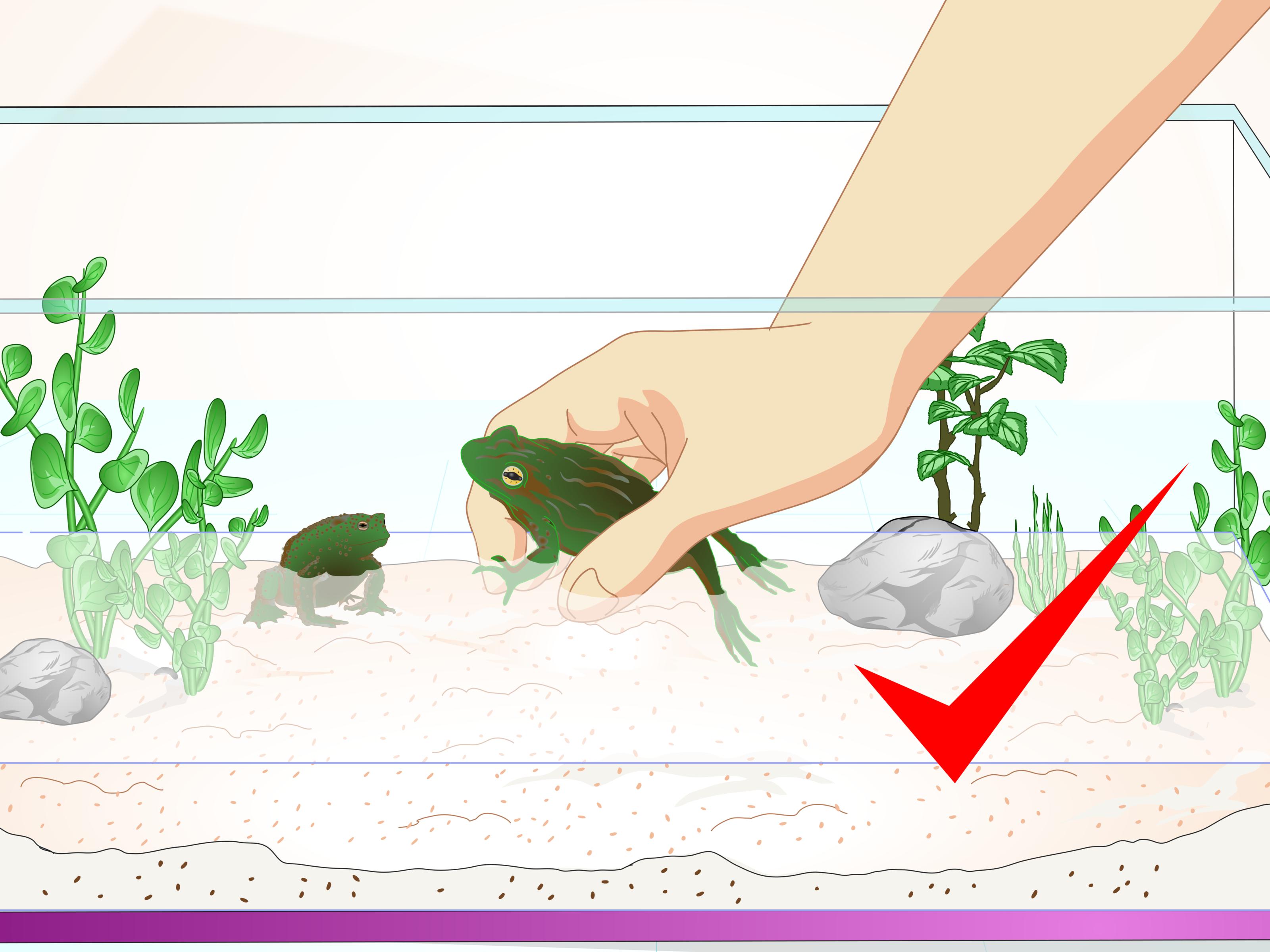
Move the frog to a separate quarantine or hospital enclosure. Isolation protects other amphibians and lets you monitor the sick frog’s behavior, droppings, appetite, and skin changes more easily. A simple hospital setup is usually better than a fancy display tank because it is easier to clean.
Use a secure, escape-proof plastic or glass container with good ventilation, species-appropriate temperature and humidity, and a clean hide. For many terrestrial or tree frogs, damp unbleached paper towels can be used temporarily as substrate because they are easy to replace. For aquatic frogs, use clean, properly treated water with gentle filtration or frequent water changes.
Step 3: Call an Exotic-Animal Veterinarian
Red leg disease often requires prescription medication, diagnostic testing, and careful supportive care. Call a veterinarian experienced with amphibians, reptiles, or exotic pets. Ask whether they can see frogs specificallynot just “small pets,” because frogs are not furry hamsters that forgot the fur.
Be ready to provide details: species, age, tank size, water source, temperature, humidity, diet, supplements, recent new animals, cleaning routine, and symptoms. If the vet asks you to bring the frog in, transport it in a secure ventilated container with moist paper towel and stable temperature. Avoid sloshing water, overheating, or chilling.
Step 4: Fix Water Quality Before It Makes Things Worse
Water quality is one of the biggest factors in sick frog care. Amphibians absorb water through their skin, so chlorine, chloramine, ammonia, nitrite, pesticides, heavy metals, and dirty tank water can irritate the skin and weaken the frog further.
Use dechlorinated water appropriate for your species. Do not use untreated tap water. Do not use distilled water as the main enclosure water because it lacks minerals and can be unsafe for amphibians. Test aquatic setups for ammonia, nitrite, nitrate, pH, and temperature. If ammonia or nitrite is present, perform partial water changes using treated water and review the filtration system.
Step 5: Keep Temperature and Humidity in the Safe Range
A sick frog needs the correct environment to fight infection. Too cold, and the immune system may slow down. Too hot, and the frog may become stressed or dehydrated. The right temperature depends on the species, so check a reliable care guide or ask your veterinarian.
Use a digital thermometer and hygrometer. Guessing by touching the glass is not science; it is just vibes with fingerprints. Provide a mild thermal gradient when appropriate so the frog can choose a warmer or cooler area. Keep humidity stable for terrestrial and tree frogs, but avoid stagnant, swampy air. Moist is good. Moldy cave of doom is not.
Step 6: Clean the Main Enclosure Thoroughly
While the frog is in quarantine, clean the original habitat. Remove old substrate, uneaten insects, feces, shed skin, and dirty décor. Organic waste feeds bacteria and fungi, which is exactly the kind of party you do not want in a frog tank.
Wash enclosure items with hot water and scrub away debris before disinfecting. Use only disinfectants that are safe for amphibian equipment, and rinse everything extremely well afterward. Any chemical residue can harm a frog through its skin. Let items dry completely when possible before reuse. Replace porous materials that cannot be cleaned safely.
Step 7: Reduce Handling and Use Excellent Hygiene
Handle the sick frog only when necessary. When you must move it, use clean, powder-free nitrile gloves moistened with treated water. Dry gloves can stick to delicate amphibian skin, and bare hands may transfer oils, soap, lotion, sanitizer, or germs.
Wash your hands before and after working with the frog or enclosure. Keep frog supplies away from kitchens, food-preparation surfaces, and bathroom sinks used by people. Amphibians can carry germs such as Salmonella even when they look healthy, so safe handling protects both the frog and the humans who pay rent.
Step 8: Do Not Self-Medicate with Random Internet Potions
Red leg disease may require antibiotics, antifungals, fluids, or other treatment, but the correct choice depends on the cause. A veterinarian may recommend cultures, cytology, skin testing, or other diagnostics to identify the organism and choose medication.
Do not use fish antibiotics, human ointments, essential oils, salt baths, copper treatments, or “my cousin’s turtle medicine” unless a qualified veterinarian specifically instructs you. Amphibians absorb substances through their skin, so a dose that seems small can be dangerous. The internet has many confident people; frogs need competent care.
Step 9: Support Hydration and Comfort
A frog with red leg disease may be dehydrated, weak, or too stressed to behave normally. Provide clean, shallow water for soaking if appropriate for the species. For tree frogs and terrestrial frogs, make sure the water dish is easy to enter and exit. A weak frog should not have to perform an Olympic diving routine to avoid drowning.
Keep the hospital enclosure quiet and dim, with a clean hide. Avoid placing the tank near loud speakers, direct sunlight, heating vents, curious cats, or enthusiastic children. Stress reduction is not a luxury; it is supportive care.
Step 10: Encourage Feeding, But Do Not Force It
Sick frogs often stop eating. Offer appropriate live prey such as gut-loaded crickets, fruit flies, worms, or other species-safe feeders. Remove uneaten insects quickly because crickets can bite weak amphibians and add waste to the enclosure.
Use calcium and vitamin supplements according to the species’ needs and your veterinarian’s advice. Poor nutrition can weaken immunity, especially in frogs fed the same feeder insect forever. Variety matters. A frog living only on plain crickets is like a person eating beige crackers for every meal and calling it a wellness plan.
Step 11: Track Progress and Prevent Relapse
Keep a daily log of the frog’s color, appetite, weight if possible, behavior, water test results, temperature, humidity, medication schedule, and cleaning routine. Photos are helpful, but take them quickly to avoid stress.
Once the frog improves, do not rush it back into the main enclosure. Follow your vet’s guidance on when quarantine can end. Review the habitat: Is the water safe? Is the tank overcrowded? Are new frogs quarantined for several weeks before introduction? Is the cleaning routine realistic? Prevention is cheaper, kinder, and less emotionally exhausting than another emergency.
What Not to Do When a Frog Has Red Leg Disease
- Do not wait several days to “see if it clears up.”
- Do not place the sick frog back with healthy frogs.
- Do not use untreated tap water.
- Do not scrub the frog’s skin.
- Do not apply human antibiotic cream.
- Do not use harsh chemicals in the enclosure without proper rinsing.
- Do not assume redness always means the same disease.
The most important mindset is this: red leg disease is a symptom pattern, not a home diagnosis trophy. The visible redness may be only the surface clue to a deeper infection or environmental problem.
When to Seek Immediate Veterinary Help
Seek urgent veterinary care if your frog has red legs plus any of the following: severe lethargy, swelling, bleeding, open sores, refusal to eat, abnormal swimming, floating, bloating, weight loss, cloudy eyes, or sudden color change. Also call a vet immediately if multiple frogs in the same enclosure show symptoms. That may indicate a contagious or environmental problem affecting the whole habitat.
If you keep several amphibians, separate tools should be used for the sick frog. Wash hands and change gloves between enclosures. Disease control sounds boring until you realize it is the difference between one patient and an entire frog opera of chaos.
Prevention: The Best Treatment Is a Tank That Does Not Betray You
Preventing frog red leg disease begins with husbandry. Keep water clean, test it regularly, maintain proper temperature and humidity, avoid overcrowding, feed a balanced diet, quarantine new arrivals, and clean the enclosure before it smells like a swamp wrote a complaint letter.
New frogs should be quarantined before joining established animals. Even healthy-looking frogs may carry bacteria, fungi, parasites, or viruses. A simple quarantine tank with easy-to-clean surfaces can prevent heartbreak later.
Experience Section: Practical Lessons from Caring for a Sick Frog
Caring for a sick frog with red leg disease teaches one lesson very quickly: amphibian care rewards observation. Frogs do not cough dramatically, whine, or tap you on the shoulder to announce that their water chemistry is terrible. They communicate in tiny clues. A frog that sits lower than usual, misses prey, hides constantly, soaks more than normal, or develops a faint pink shade underneath may already be in trouble.
One practical experience many keepers share is that the hospital tank becomes the hero of the story. Before illness happens, a quarantine setup may feel unnecessary, like buying an umbrella on a sunny day. But when a frog suddenly looks unwell, having a clean container, treated water, paper towels, gloves, thermometer, hygrometer, and spare hide ready can save valuable time. It also keeps the keeper from frantically assembling supplies while whispering, “Please do not jump behind the bookshelf.”
Another real-world lesson is that “clean” and “safe for frogs” are not always the same thing. A tank can look sparkling after bleach or disinfectant, but if it is not rinsed properly, chemical residue may harm the frog. A hospital enclosure should be simple: fewer decorations, fewer hiding places for waste, and fewer objects to disinfect. This is not the time for an elaborate jungle mansion. It is the time for a calm, controlled recovery space.
Water habits also matter more than many beginners expect. A keeper may be feeding correctly and providing nice plants, but if tap water contains chloramine or ammonia rises between changes, the frog’s skin and immune system can suffer. Testing water is not glamorous, but neither is explaining to a veterinarian that the ammonia reading is “somewhere between bad and oops.” Keeping a written schedule for water changes and test results makes patterns easier to catch.
Handling discipline is another big experience-based tip. When a frog is sick, the urge to check constantly is strong. You want reassurance. You want improvement. You want the frog to look at you and say, “Great work, giant mammal.” Unfortunately, repeated handling often adds stress. The better approach is to observe quietly, record changes once or twice daily, and handle only for necessary cleaning, medication, or transport.
Finally, caring for a frog with red leg disease often changes how keepers manage future pets. They quarantine new frogs. They stop guessing temperature. They buy water test kits. They find an exotic vet before an emergency. They feed more thoughtfully. In other words, one frightening illness can turn a casual keeper into a careful amphibian caretaker. That is the silver lining: your frog’s tiny red warning sign can become the reason your entire setup becomes cleaner, safer, and more stable.
Conclusion
Red leg disease in frogs is serious, but panic is not a treatment plan. The best response is fast, calm, and practical: isolate the frog, contact an amphibian-experienced veterinarian, correct water quality, stabilize temperature and humidity, reduce handling, clean the enclosure, and follow prescribed treatment exactly. Redness on the legs or belly may be the visible sign, but the root problem often involves infection, stress, or husbandry issues that need attention.
A healthy frog environment is built on clean water, proper humidity, safe temperatures, good nutrition, quarantine, and regular observation. Frogs may be small, but their care is wonderfully specific. Give them the right conditions, and they reward you with quiet weirdness, sudden jumps, and the deeply satisfying feeling that your miniature rainforest is not trying to kill anyone.