Snake shedding can look dramatic if you are new to reptile care. One day your snake is glossy, curious, and doing its usual slow-motion noodle routine. The next day, its colors look dull, its eyes turn cloudy blue, and it may act like someone canceled its favorite hide box. Good news: in most cases, shedding is completely normal. Even better news: with the right setup, you can help your snake shed comfortably without hovering like an anxious stage parent at a school play.
Shedding, also called ecdysis, is how snakes replace old skin as they grow, heal, and maintain healthy scales. A proper shed usually comes off in one long, inside-out piece, including the clear eye caps that cover the eyes. When care conditions are offespecially humidity, hydration, temperature, enclosure cleanliness, or stress levelthe shed may come off in patches. That condition is commonly called stuck shed or dysecdysis.
This guide explains how to care for a shedding snake before, during, and after the shed cycle, including how to adjust humidity, when to avoid handling, what supplies help, and when a reptile veterinarian should step in.
What Happens When a Snake Sheds?
Snakes do not shed like dogs lose fur or like humans get dry skin in winter. They shed the outer layer of their skin in a coordinated process. As the new skin forms underneath, fluid separates the old layer from the new one. During this stage, your snake may look pale, gray, dusty, or “in blue,” because the clear scales over the eyes become cloudy.
After a few days, the eyes usually clear again. Many keepers mistake this for “the shed is over,” but the actual skin may not come off for another few days. Then the snake rubs its nose or face against a rough surface and works the old skin backward, turning it inside out like the world’s strangest sock.
Common Signs Your Snake Is About to Shed
A shedding snake may show several predictable signs. Its skin may become dull, its belly may look slightly pink or milky, and its eyes may turn blue-gray or cloudy. Many snakes hide more, move less, refuse food, or become defensive because their vision is temporarily reduced. This is not your snake being rude; it is your snake saying, “Please respect my spa week.”
Some snakes also soak in their water bowl more often. This can be normal during a shed cycle, but frequent soaking outside shedding periods may indicate mites, dehydration, overheating, or another husbandry issue that needs attention.
Why Proper Shedding Care Matters
A healthy shed is more than a cosmetic win. Retained skin can tighten as it dries, especially around the tail tip. If ignored, it may restrict circulation. Retained eye caps can also become a problem if they build up over multiple sheds. While one imperfect shed is not automatically an emergency, repeated shedding problems are a clue that something in the enclosure or the snake’s health needs review.
Most shedding trouble comes from husbandry issues: humidity that is too low, temperatures outside the species’ preferred range, lack of fresh water, poor nutrition, illness, parasites, or not enough textured surfaces for rubbing. The goal is not to peel your snake like a banana. The goal is to create conditions that let the snake do what snakes are built to do.
Set the Right Humidity for Your Snake’s Species
Humidity is the superstar of snake shedding care. Too little moisture can dry the old skin before it separates fully, causing flakes, patches, or stuck eye caps. However, “more humidity” is not always the answer. A ball python, corn snake, boa, kingsnake, hognose, and sand boa do not all want the same microclimate.
Research your exact species and, when possible, your snake’s natural habitat. Tropical and subtropical species often need higher humidity than desert or semi-arid species. During shed, many snakes benefit from a temporary humidity boost, but the enclosure should still have ventilation and should not stay constantly soggy. Wet, dirty bedding can invite mold, bacteria, scale irritation, and that lovely swamp smell nobody ordered.
Use a Digital Hygrometer
Guessing humidity by looking at the glass is a hobby best left to fortune-tellers. Use a digital hygrometer to measure humidity in the enclosure. Place it where it gives useful information about the average environment, and check both warm and cool areas if your setup allows. Cheap analog dial gauges can be inaccurate, so digital tools are usually more dependable.
Create a Humid Hide
A humid hide is one of the simplest and most effective tools for shedding support. Use a hide box with an entrance large enough for the snake to enter comfortably. Line it with damp sphagnum moss, damp paper towels, or another safe moisture-holding material. The hide should be humid, not dripping wet. Think “fresh forest floor,” not “forgotten kitchen sponge.”
Place the humid hide in a suitable part of the enclosure, often around the middle or slightly warm side depending on the species and setup. Replace damp material regularly to prevent mold. Many snakes will use the humid hide when they need it and ignore it when they do not, which makes it a low-stress solution.
Keep Fresh Water Available at All Times
Hydration supports healthy shedding from the inside out. Your snake should always have access to clean, fresh water in a bowl large enough for drinking. Some species also like to soak, especially during shed. If your snake soaks, change the water immediately afterward because snakes have a talent for turning bath time into bathroom time.
Use a sturdy bowl that cannot be tipped over easily. Clean it frequently with reptile-safe cleaning practices, rinse thoroughly, and avoid strong fragrances or residues. A clean water bowl helps your snake stay hydrated and reduces the chance of bacteria building up in the enclosure.
Do Not Overhandle a Shedding Snake
One of the best things you can do for a shedding snake is beautifully simple: leave it alone. During the cloudy-eye phase, snakes may not see well. They may feel vulnerable, defensive, or more likely to strike. Even normally calm snakes can become jumpy when they are in shed.
Avoid unnecessary handling until the shed is complete. Do not feed unless your snake is willing and your species’ care routine supports feeding during this time. Many snakes refuse food while shedding, and that is usually normal. If your snake skips one meal during shed but otherwise acts healthy, there is usually no reason to panic.
When Handling Is Necessary
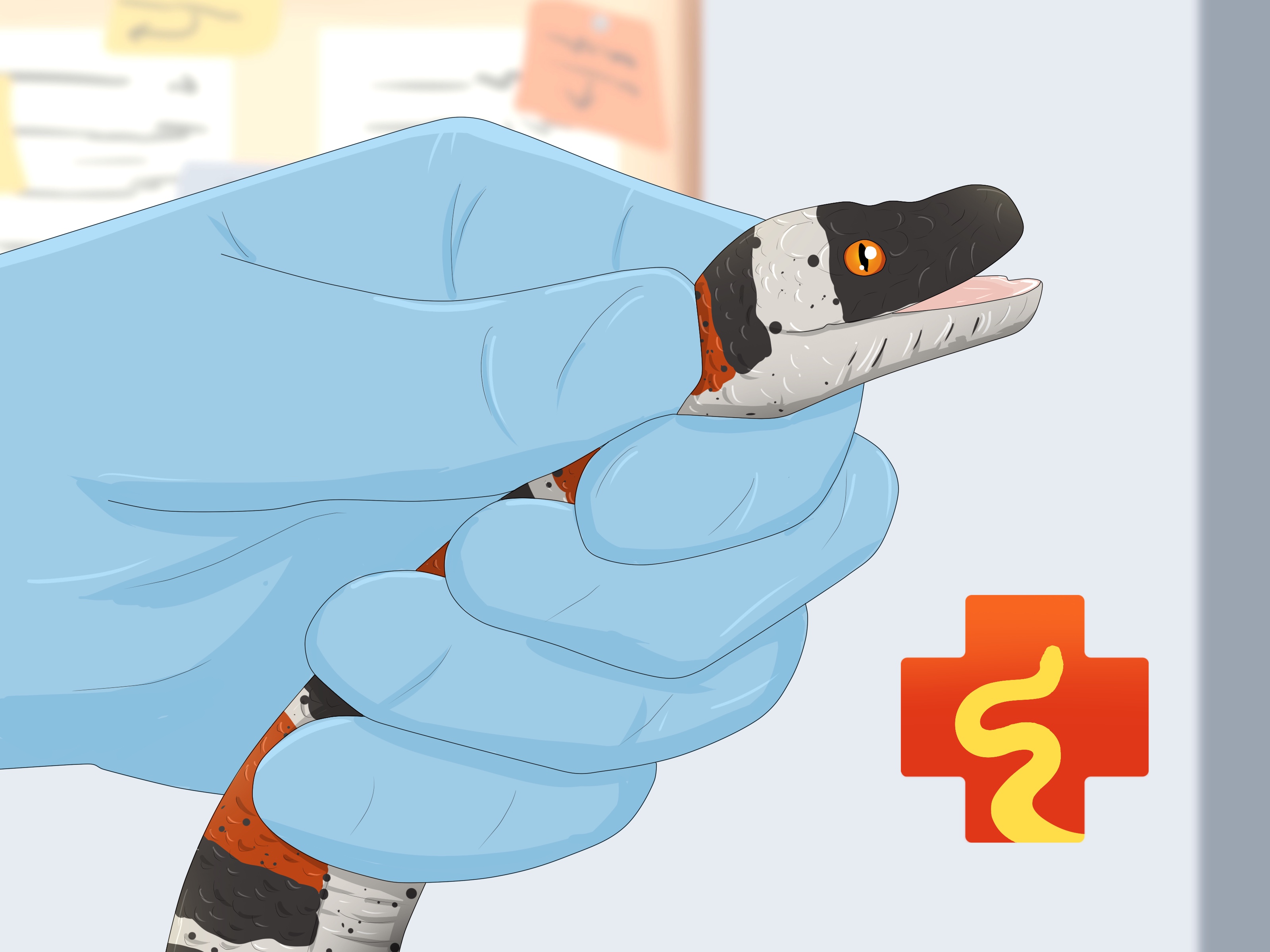
If you must move your snake for cleaning or safety, be calm and deliberate. Wash your hands before and after handling. Support the body gently and avoid grabbing near the head. Keep the session short. Your snake does not need emotional speeches, pep talks, or a full wellness interview. It needs quiet, warmth, and stable conditions.
Provide Safe Surfaces for Rubbing
Snakes start shedding by rubbing their nose, mouth, or head against textured surfaces. In the wild, they use rocks, bark, branches, roots, and other natural materials. In captivity, you can help by providing safe enclosure décor with gentle texture.
Good options include cork bark, branches, smooth rocks, sturdy hides with textured edges, and reptile-safe climbing structures. Avoid anything sharp, splintery, resinous, chemically treated, or unstable. The goal is to give your snake traction, not build an obstacle course designed by a medieval villain.
Check Temperature and the Heat Gradient
Temperature affects digestion, immune function, activity, and shedding. Snakes are ectothermic, meaning they depend on their environment to regulate body temperature. If the enclosure is too cool, the shed process may slow down. If it is too hot, the snake may dehydrate faster or soak excessively.
Every snake enclosure should have a proper heat gradient: a warm side, a cooler side, and hides in both zones. Use a thermostat to regulate heat sources, and measure temperatures with reliable thermometers. Do not rely on touch alone. A surface that feels “fine” to your hand may not be safe or ideal for a reptile.
What to Do After Your Snake Sheds
Once your snake sheds, inspect the old skin and your snake. A complete shed should usually include the head, body, tail tip, and both eye caps. The eye caps look like tiny clear lenses in the head portion of the shed. If the shed is shredded, still check your snake directly for retained skin around the eyes, tail tip, nostrils, chin, and body folds.
Signs of a Healthy Shed
A healthy shed often comes off in one piece or a few large pieces. Your snake’s new skin should look clean, bright, and smooth. The eyes should be clear, not cloudy or dented. The tail tip should be free of old skin. Your snake may become more active and may accept food again after the shed is complete.
Signs of Stuck Shed
Stuck shed may look like dry flakes, patches of dull skin, rings around the tail tip, or cloudy eye caps that remain after the rest of the skin has come off. If your snake has repeated stuck sheds, retained eye caps, swelling, wounds, mites, wheezing, mouth bubbles, weight loss, or lethargy, schedule a visit with a reptile veterinarian.
How to Help With Mild Stuck Shed
If your snake has a small patch of retained skin, start by improving the environment. Confirm humidity, provide a humid hide, refresh water, and make sure temperatures are correct. Many mild cases resolve after the snake spends time in a humid hide or moves through damp moss.
For some species, a short soak in shallow, lukewarm water may help loosen retained skin. The water should be shallow enough that the snake can rest safely with its head above water, and the container should be secure and supervised. However, soaking is stressful for some snakes, especially certain pythons, and it can be dangerous if done carelessly. A humidity chamber or humid hide is often a gentler option.
Using a Humidity Chamber
A humidity chamber can be made with a secure plastic container, air holes, and a warm damp towel inside. It should be warm, dark, ventilated, and escape-proof. The snake can spend a short supervised period inside so moisture softens the old skin. Never overheat the chamber, never leave the snake unattended for long periods, and never use standing deep water.
After moisture softens the retained skin, the snake may remove it naturally by moving against the towel or enclosure décor. You can let the snake crawl through a damp towel while you gently support it, but do not pick, scrape, or pull dry skin from the body.
Never Pull Off Eye Caps
Retained eye caps make many owners nervous, and understandably so. The eye cap is a clear scale that protects the eye because snakes do not have eyelids. If it remains after shedding, do not remove it with tweezers, tape, fingernails, or “I saw this online” confidence. Forced removal can injure the spectacle or the eye beneath it.
If you suspect a retained eye cap, improve humidity and contact a reptile veterinarian, especially if it persists, appears layered, or the eye looks swollen, dented, irritated, or infected. Eye issues are not the place to audition for amateur surgery.
Keep the Enclosure Clean, But Do Not Sterilize the Snake’s World During Shed
A clean enclosure supports healthy skin, but major cleaning during shed can stress some snakes. Spot-clean waste promptly, replace soiled substrate, and keep water fresh. If a full enclosure cleaning is needed, do it calmly and return familiar hides and décor when possible.
Avoid strong-smelling cleaners, fumes, or residues. Use reptile-safe disinfecting methods, rinse well, and allow items to dry as appropriate before returning the snake. Cleanliness matters, but your snake also relies on familiar scents to feel secure.
Feeding During Shed: Should You Offer Food?
Some snakes eat during shed. Others refuse like a tiny scaly food critic. Both can be normal depending on the individual and species. If your snake is in the cloudy-eye stage, it may be better to wait until after the shed to offer food. Reduced vision can make feeding mistakes more likely, and many snakes are simply not interested.
If your snake refuses a meal during shed, remove the prey item and try again after the shed is complete. Repeated food refusal outside normal shed cycles, especially with weight loss or other symptoms, deserves a husbandry review and possibly veterinary advice.
When to Call a Reptile Veterinarian
Call a reptile veterinarian if your snake has retained eye caps that do not resolve, multiple layers of stuck shed, a tight ring of skin around the tail, swelling, bleeding, open sores, mites, mouth discharge, wheezing, severe lethargy, repeated bad sheds, or signs of dehydration. Also seek help if you are unsure whether the problem is stuck shed or injury.
Veterinary care is especially important for snakes that repeatedly shed in pieces despite improved humidity and temperature. Chronic shedding problems may point to parasites, poor nutrition, infection, old injuries, or deeper husbandry issues.
Helpful Supplies for Shedding Snake Care
You do not need a palace of expensive gadgets to care for a shedding snake, but a few tools make life easier. Keep a digital hygrometer, digital thermometers, a thermostat for heat sources, a secure humid hide, fresh sphagnum moss or paper towels, a sturdy water bowl, reptile-safe décor, and cleaning supplies. A feeding log and shed record are also helpful. Write down shed dates, feeding dates, humidity ranges, and any problems. Patterns are easier to spot when they are not floating around in your memory next to grocery lists and forgotten passwords.
Experience-Based Tips: What Snake Keepers Learn Over Time
After caring for snakes through many shed cycles, one lesson becomes clear: the shed itself is rarely the whole story. A bad shed is usually a message from the enclosure. Maybe the humidity dipped during a dry week. Maybe the water bowl was too small. Maybe the warm side was running hotter than expected. Maybe the snake did not have a humid retreat. Instead of blaming the snake for being “bad at shedding,” experienced keepers look at the setup first.
A practical habit is to check humidity more often when the snake first looks dull. Do not wait until the eyes are fully cloudy. Add or refresh the humid hide early, make sure the water bowl is full, and lightly adjust the environment according to the species’ needs. This simple timing shift can prevent many stuck shed problems before they start.
Another useful experience is learning your individual snake’s personality. Some snakes become shy before shed and disappear for days. Others cruise around restlessly, as if searching for the perfect doorway to exit their old skin. A few become defensive, and some act almost normal. Once you know your snake’s pattern, you can avoid unnecessary worry. The key is noticing changes that are unusual for that specific animal.
Keepers also learn not to celebrate too early when the eyes clear. The clear-eye phase before the actual shed can trick beginners. Your snake may look normal again, but the old skin has not come off yet. Keep humidity stable and continue minimizing handling until the shed is actually complete. The shed may happen overnight, and you may wake up to what looks like a ghost snake crumpled behind the hide.
One of the best post-shed routines is to inspect the shed skin before throwing it away. Look at the head area for both eye caps, check the tail tip, and note whether the skin came off whole or in pieces. If the shed is shredded but the snake looks clean and complete, it may not be a problem. If the snake has retained patches, address them calmly with humidity support.
Many owners also discover that less interference often works better. It is tempting to “help” by pulling loose skin, but snakes usually need time and the right environment. Pulling can damage new skin, especially if the retained shed is dry. Moisture, patience, and proper surfaces are safer than force.
Finally, experienced snake keepers know that every species has its own sweet spot. A humidity routine that works beautifully for a boa may be wrong for a sand boa. A ball python may benefit from a consistent humid hide, while another species may prefer a drier enclosure with occasional humidity boosts. Good shedding care is not about copying one universal number. It is about matching care to the animal, measuring conditions, and making thoughtful adjustments.
Note: This article is for educational reptile-care guidance and does not replace diagnosis or treatment from a qualified reptile or exotic-animal veterinarian. If your snake has repeated shedding problems, retained eye caps, wounds, swelling, breathing symptoms, parasites, or severe lethargy, seek veterinary care promptly.
Conclusion
Caring for a shedding snake is mostly about preparation, patience, and good husbandry. Keep humidity appropriate for the species, provide a humid hide, maintain fresh water, reduce handling, offer safe rubbing surfaces, and check the shed afterward. Most healthy snakes can shed without dramatic intervention when their enclosure supports them properly.
If a shed goes wrong, do not panic and do not pull. Correct the environment, use gentle humidity support, and contact a reptile veterinarian when the eyes, tail tip, or repeated stuck shed are involved. Your snake does not need a makeover artist; it needs a calm keeper, stable conditions, and a little privacy while it changes outfits.