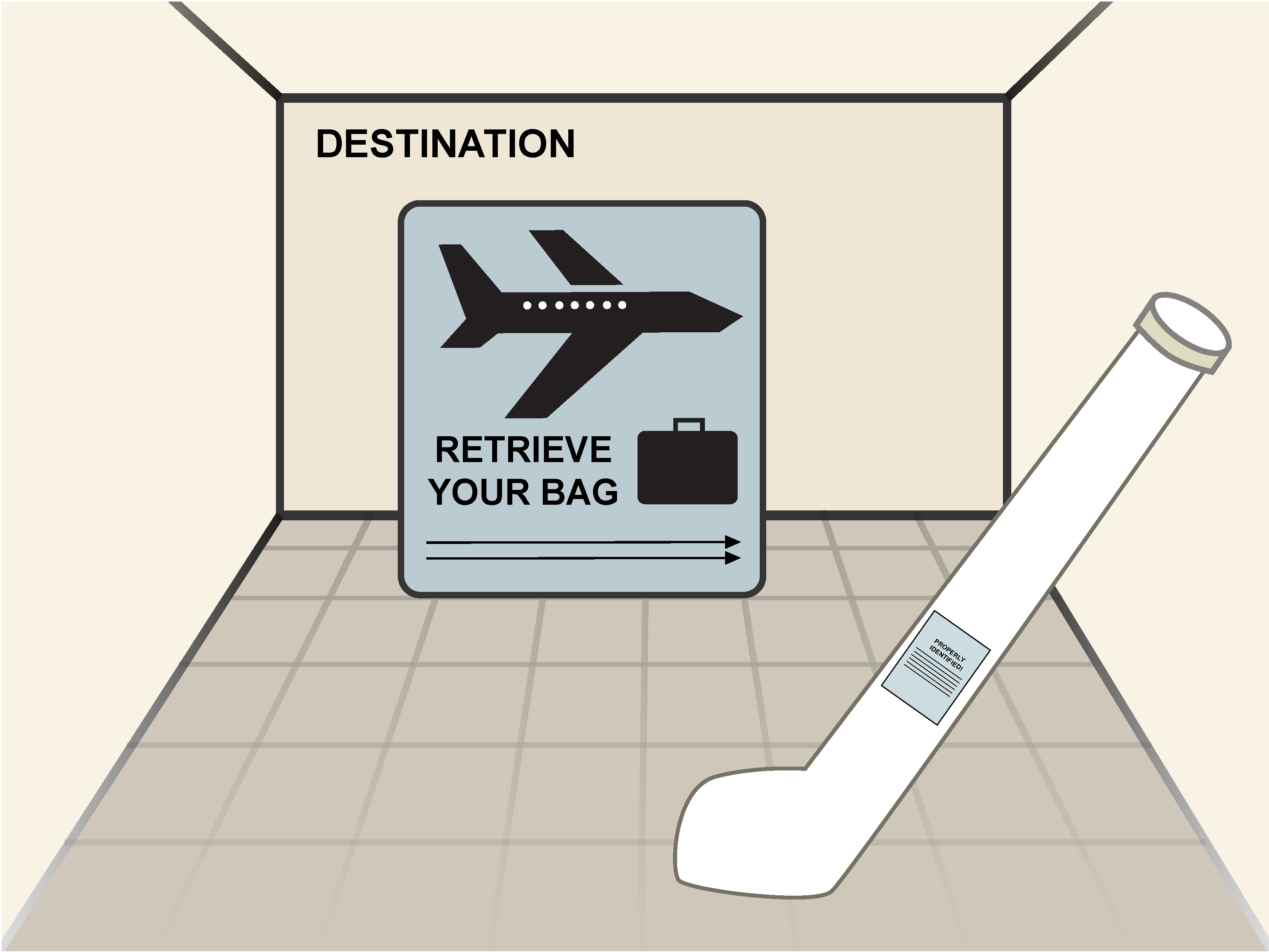
Flying with golf clubs sounds like the beginning of a travel comedy: one person, one suitcase, one enormous golf travel bag, and one airport elevator that suddenly feels the size of a shoebox. But the good news is simple: bringing golf clubs on a plane is completely normal, widely accepted by U.S. airlines, and far less stressful when you know the rules before you reach the check-in counter.
The most important rule is also the easiest to remember: golf clubs cannot go in your carry-on bag. The TSA allows golf clubs in checked baggage only because, as elegant as a 7-iron may look, it is still basically a polished metal stick. Once you accept that your clubs are going underneath the plane, the rest becomes a matter of packing well, watching the weight limit, and choosing the right airline strategy.
This guide explains how to bring golf clubs on a plane in 8 practical steps, including how to pack your golf travel bag, what airlines usually allow, how to avoid extra fees, what to do with golf balls and shoes, and how to protect your clubs from the mysterious underground obstacle course known as baggage handling.
Can You Bring Golf Clubs on a Plane?
Yes, you can bring golf clubs on a plane, but they must be checked. TSA rules list golf clubs as not allowed in carry-on bags and allowed in checked bags. That means your driver, irons, wedges, putter, and golf bag need to be packed in a checked golf travel case and dropped off at the airline counter or oversized baggage area.
Most major U.S. airlines treat a golf bag as a standard checked bag as long as it follows their weight and packing rules. In many cases, oversize fees are waived for golf clubs, but overweight fees still apply. Translation: the long shape of the bag usually is not the problem; the scale is. Your golf bag can look like a small submarine, but if it stays under the weight limit, you are usually in safer territory.
How to Bring Golf Clubs on a Plane: 8 Steps
Step 1: Check Your Airline’s Golf Bag Policy Before Booking
Before you buy a ticket, check the airline’s sports equipment policy. This takes five minutes and can save you from a very expensive airport surprise. Airlines change baggage fees, weight limits, and sports-equipment rules more often than golfers change swing thoughts after a bad front nine.
American Airlines, Delta, United, Southwest, Alaska, JetBlue, Spirit, and Frontier all allow golf equipment as checked baggage, but their details vary. Some airlines permit one golf bag with clubs, balls, tees, and one pair of golf shoes. Others specify maximum numbers of clubs or golf balls. Some budget airlines have lower standard weight thresholds, meaning a golf travel bag that is fine on one carrier may trigger extra fees on another.
As a general rule, aim to keep your packed golf bag under 50 pounds. Many U.S. airlines use 50 pounds as the standard checked bag weight limit. If your golf bag weighs more than that, you may pay overweight charges. On some airlines, even a few extra pounds can turn your dream golf trip into a donation to the baggage-fee department.
Step 2: Use a Proper Golf Travel Bag or Hard Case
Never check loose clubs or a regular golf stand bag by itself. A standard golf bag is designed for carts, fairways, and maybe the trunk of your carnot conveyor belts, luggage carts, cargo holds, and hurried baggage handlers. Use a golf travel bag designed for flying.
A hard-shell golf travel case offers the best protection. It is bulkier, heavier, and less convenient to store, but it gives your clubs a sturdy outer shield. A soft-sided golf travel bag is lighter and easier to handle, especially if it has wheels, but it needs extra internal protection. Many frequent golf travelers use a soft case with a stiff support rod or “backbone” device that extends above the driver and absorbs impact if the bag is dropped upside down.
If you own expensive clubs, a fitted driver, or custom shafts, do not gamble with a thin travel cover. Your golf clubs may forgive a toe strike; they are less forgiving when crushed under a family’s four-piece luggage set.
Step 3: Remove Adjustable Clubheads When Possible
If your driver, fairway woods, or hybrids have removable heads, take them off before packing. Use the manufacturer’s torque wrench, remove the clubhead, wrap it in a towel or headcover, and place it safely inside a side pocket or your carry-on if allowed by your airline and security rules.
The longest clubs are usually the most vulnerable because the shaft and head sit near the top of the travel bag. Removing the head reduces the risk of a snap at the hosel. Keep the screws and wrench together in a small pouch so you are not standing on the first tee conducting a search-and-rescue mission for a tiny piece of hardware.
If the clubheads are not removable, add extra padding around the top of the bag. Wrap towels, rain gear, or soft clothing around the longer clubs. The goal is to stop the heads from rattling, bending, or taking the full force of impact.
Step 4: Pack the Bag Tightly and Protect the Shafts
The secret to packing golf clubs for air travel is simple: movement is the enemy. The less your clubs shift inside the bag, the safer they are. Use headcovers on woods, hybrids, and putters. Bundle irons together with a towel. Add socks, shirts, or soft layers around the clubheads. Fill empty spaces so the clubs do not knock against one another like wind chimes in a thunderstorm.
Place heavier items, such as shoes, toward the bottom of the bag. If your travel bag has internal straps, use them. Tighten everything so the golf bag sits securely inside the travel cover. Do not overload the top of the bag with hard objects. A rangefinder, watch, GPS device, or fragile accessory should usually travel in your carry-on rather than being tossed into the checked golf bag.
Golf balls are heavy, so pack only what you need. A dozen premium balls may not seem like much until your bag is sitting at 52 pounds and the agent is giving you the look. Buy extra balls at your destination if needed. It is better to pay pro shop prices than overweight baggage fees, which can feel like buying golf balls made of gold.
Step 5: Keep Restricted or Battery Items Out of the Checked Golf Bag
Golf bags often become “miscellaneous sports closets” during packing, but not everything belongs in checked baggage. Spare lithium batteries and power banks should go in your carry-on, not your checked golf bag. If you use a GPS device, launch monitor, rangefinder, electric trolley battery, or portable charger, review FAA and airline battery rules before packing.
Small electronics with installed batteries may be allowed under certain conditions, but loose spare batteries and power banks require special care. Battery terminals should be protected from short circuits, and larger batteries may need airline approval. When in doubt, keep valuable electronics and battery-powered accessories in your carry-on bag.
Also avoid packing prohibited golf-related items such as swingless golf club load strips, which some airlines specifically ban. If you are traveling with unusual training aids, compressed-gas accessories, or anything that looks like it belongs in a spy movie, check the airline and FAA rules first.
Step 6: Weigh and Measure Your Golf Bag at Home
Do not wait until the airport to learn your golf bag is overweight. Use a luggage scale at home. If you do not own one, buy one; it costs less than most airline overweight fees and has the emotional benefit of preventing check-in counter panic.
Weigh the fully packed travel bag, including shoes, rain gear, balls, towels, and accessories. If it is close to the limit, move nonessential items to your regular suitcase or carry-on. Remember that airport scales may differ slightly from your home scale, so give yourself a cushion. A bag weighing 49.8 pounds at home is living dangerously.
Measure the bag as well, especially if flying a budget carrier or taking a regional aircraft. Most airlines understand that golf bags are long, and many waive oversize fees for accepted sports equipment. Still, you should confirm the maximum length and total linear inches allowed. International flights and partner airlines may have different rules from domestic U.S. flights.
Step 7: Arrive Early and Check the Bag Correctly
Golf clubs often need to be dropped at a special oversized baggage counter after you check in. Arrive early, especially during busy travel periods, at large airports, or when flying with a group of golfers. Nothing says “vacation stress” like sprinting through an airport while dragging a travel bag that handles like a sleepy alligator.
At check-in, confirm that the destination tag is correct. If you have a connecting flight, make sure the bag is tagged all the way to your final destination. Take a photo of the bag, the baggage tag, and the receipt. These photos can help if the bag is delayed, damaged, or sent to a city where no one asked it to play golf.
Use a TSA-approved lock if your travel bag allows it. TSA may need to inspect checked luggage, and approved locks can be opened without being cut. Add an identification tag on the outside of the travel bag and place a second tag or card inside with your name, phone number, email, and destination address.
Step 8: Inspect Your Clubs Immediately After Arrival
When you land, golf clubs may appear at the regular baggage carousel or at the oversized baggage area. Do not panic if they are not with standard suitcases. Oversized pickup is common for golf bags.
Before leaving the airport, inspect the travel bag and clubs. Look for cracked heads, bent shafts, broken zippers, missing wheels, torn fabric, or crushed corners. If something is damaged, report it to the airline baggage office immediately. Airlines typically require prompt reporting, and claims are much easier when filed before you leave the airport.
If your clubs are delayed, file a baggage report and keep your baggage claim number. For domestic flights, airlines have liability limits for lost, delayed, or damaged baggage, but you will usually need documentation. Receipts, photos, serial numbers, and a list of club values can make the claim process smoother.
Hard Case vs. Soft Golf Travel Bag: Which Is Better?
A hard case is best for maximum protection. It is ideal for expensive clubs, long trips, connecting flights, and golfers who would rather wrestle a bulky case than worry about a snapped driver shaft. The downside is storage and transportation. Hard cases can be awkward in rental cars, hotel rooms, and small apartments.
A soft travel bag is best for convenience. It is easier to roll, easier to store, and often lighter. Many soft bags offer excellent protection when packed correctly, especially with a support rod. The downside is that some airlines may limit liability for damage if clubs are not packed in a hard-sided case. Always read the airline’s conditions of carriage before choosing.
For most casual golf trips, a high-quality padded soft bag with a support rod works well. For custom clubs, frequent flying, or bucket-list golf vacations, a hard case is the safer investment.
How Much Does It Cost to Fly with Golf Clubs?
The cost depends on your airline, route, fare class, loyalty status, credit card benefits, and the weight of the golf bag. On many U.S. airlines, a golf bag counts as one checked bag and standard checked bag fees apply. If your ticket includes a free checked bag, your golf clubs may be covered as that checked item.
However, fees can change quickly. Some airlines charge more for bags paid at the airport than bags paid online. Some loyalty members, premium cabin passengers, and airline credit card holders receive free checked bags. Budget airlines may charge separately for checked bags, and their lower weight limits can make golf bags trickier.
To estimate your real cost, compare three things before booking: the ticket price, the checked bag fee, and the overweight fee. A cheap fare can become less cheap when your golf bag costs extra in both directions.
What Can You Pack in a Golf Travel Bag?
Most airlines allow a golf travel bag to include golf clubs, golf balls, tees, and one pair of golf shoes. Some airlines are specific about the number of clubs or balls. For example, certain policies mention up to 14 clubs, matching the standard number allowed in a round of golf.
You can often add soft clothing or towels as padding, but avoid turning the golf bag into a second suitcase. If airline staff inspect the bag and find unrelated heavy items, you could face extra charges or a repacking session at the counter. That is not the kind of warm-up routine anyone wants before a flight.
Should You Ship Golf Clubs Instead?
Shipping golf clubs can be a smart alternative if you want to avoid airport handling, baggage claim, and hauling a large case through rideshares and hotel lobbies. Specialty golf shipping services can send clubs directly to a course, resort, or hotel. This option is especially useful for longer golf vacations, business trips with one round attached, or travelers who do not want to manage oversized luggage.
The tradeoff is cost and timing. Shipping may be more expensive than checking clubs, and you need to send them early enough to arrive before your tee time. If your itinerary changes, shipping can become less flexible. For a quick weekend trip, checking the clubs may be easier. For a dream golf trip where convenience matters, shipping may be worth considering.
Common Mistakes to Avoid When Flying with Golf Clubs
Trying to Carry Clubs Through Security
Golf clubs are not allowed in carry-on bags. Do not bring one to the TSA checkpoint expecting a friendly exception. You will likely have to go back and check it, which can create delays.
Overpacking Golf Balls
Golf balls are surprisingly heavy. Bring enough for your rounds, but do not pack like you are supplying the Ryder Cup.
Skipping the Travel Bag Support Rod
A support rod is inexpensive compared with a new driver shaft. It helps protect the tallest clubs from impact.
Ignoring Return-Flight Weight
Souvenirs, wet shoes, extra balls, and pro shop purchases can make your return bag heavier. Leave room for the trip home.
Leaving Damage Claims Until Later
If your clubs are damaged, report it at the airport. Waiting until you get home can make the claim harder.
Real-World Experience: What Flying with Golf Clubs Actually Feels Like
The first time you fly with golf clubs, you may feel like everyone is staring at you. They are not. Airports see golf bags every day, especially on routes to places like Florida, Arizona, California, Nevada, South Carolina, and Hawaii. The check-in agent has probably tagged three sets of clubs before breakfast.
The real challenge is movement. Golf travel bags are long, awkward, and not always graceful. In a parking garage, they roll fine until one wheel catches a crack and the bag attempts a dramatic sideways escape. In hotel shuttles, they fit best when loaded first. In rental cars, they often require folding a seat down, placing the bag diagonally, or briefly questioning why you did not take up pickleball.
A useful habit is to pack your golf bag the same way every time. Put shoes in the same pocket, gloves in the same pouch, wrench in the same zipper compartment, and balls in a predictable place. This prevents frantic digging at the course. It also helps you notice if something is missing after the flight.
Another smart move is to take photos before departure. Photograph the clubs in the bag, the packed travel case, the baggage tag, and any expensive components. This is not paranoia; it is preparation. If a shaft cracks or the bag disappears, documentation makes the conversation with the airline much more productive.
Many golfers also place a Bluetooth tracker in the golf travel bag. A tracker does not prevent delays, but it can tell you whether your clubs made the plane, stayed at the departure airport, or decided to enjoy a layover without you. If your airline supports location sharing for lost baggage, that information may help speed up recovery.
On arrival, give yourself extra time before your first tee time. Do not schedule a round two hours after landing unless you enjoy suspense. Bags can be delayed, oversized baggage may take longer, rental car lines can move slowly, and airports have a special talent for making time disappear. A same-day round is possible, but a comfortable buffer keeps the trip fun.
For golf resorts, call ahead and ask whether they can receive shipped clubs or store travel bags. Some resorts are used to golf travelers and have systems for club storage, bag drop, and transportation to the course. Smaller hotels may not have much space, so knowing in advance helps.
Finally, keep perspective. Flying with golf clubs is not complicated; it is just equipment logistics. Pack tightly, stay under the weight limit, arrive early, and inspect your clubs when you land. Once you are standing on the first tee, the travel stress fades quickly. Unfortunately, your slice may still be there. Airlines can move your clubs, but they cannot fix an open clubface.
Conclusion
Bringing golf clubs on a plane is easy when you follow the right steps. Check your airline’s policy, use a proper golf travel bag, protect the clubheads and shafts, keep battery items in the correct luggage, weigh the bag before leaving home, arrive early, and inspect everything after landing. Most U.S. airlines treat golf clubs as standard checked sports equipment, but weight limits and fees still matter.
The best strategy is to plan like a careful traveler and pack like a nervous caddie. Give your clubs padding, documentation, and a strong travel case. Do that, and your biggest problem at the destination will not be the airportit will be explaining why your “vacation swing” looks exactly like your regular one.