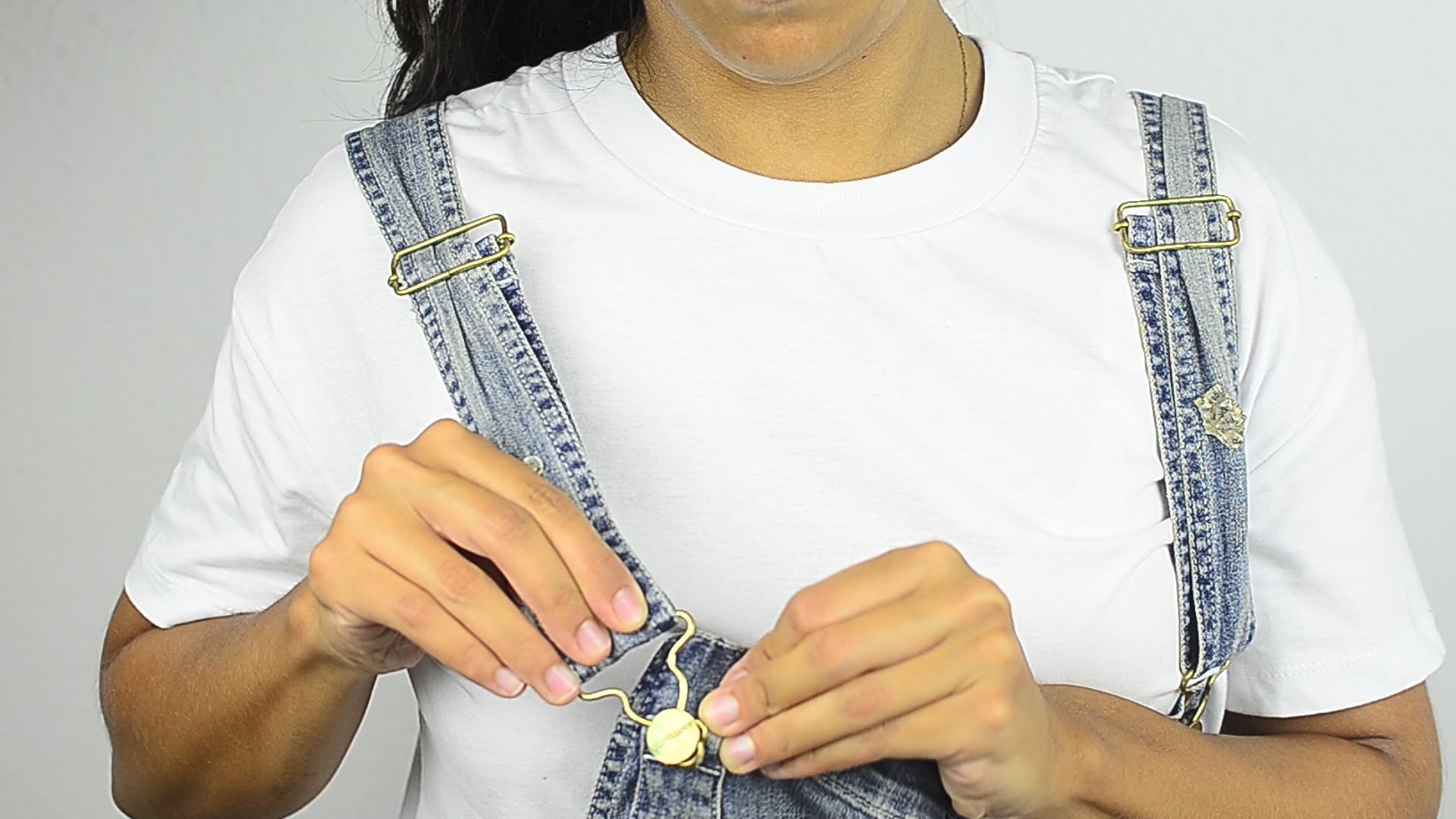
Overalls are the rare piece of clothing that can make you look ready to build a cabin, paint a mural, pick tomatoes, or simply drink iced coffee with excellent pocket storage. But when the straps are wrong, the whole outfit turns into a tiny wrestling match. Too tight, and the bib creeps toward your chin like it has breaking news. Too loose, and the crotch hangs somewhere in the next zip code.
The good news: learning how to adjust overall buckles is simple once you understand the hardware. Most bib overalls use a strap, a slider or tri-glide, a buckle clasp, and a button or stud on the bib. The slider controls strap length, while the buckle hooks onto the button to keep the front secure. Whether you wear denim overalls, work bibs, painter’s overalls, shortalls, or handmade dungarees, the same basic adjustment principles apply.
This guide walks you through 12 practical steps to fix loose overall straps, shorten overalls, lengthen shoulder straps, rethread buckle hardware, and get a fit that feels secure without squeezing your shoulders. Let’s rescue those buckles from chaos.
Before You Start: Know the Parts of Overall Buckles
Before adjusting anything, take a quick look at the strap setup. Overalls usually have four key parts:
- Shoulder strap: The fabric, denim, canvas, or elastic strip that runs from the back waist to the front bib.
- Slider or tri-glide: The small rectangular piece that lets you lengthen or shorten the strap.
- Buckle clasp: The metal hook or loop that clips onto the button on the bib.
- Overall button or stud: The round fastener attached to the upper corners of the bib.
If your overalls are already assembled, you will mostly be moving the strap through the slider. If the buckle has slipped off, the strap came unthreaded, or you are replacing broken overall buckles, you may need to rethread the hardware from scratch.
How Should Overalls Fit?
A good overall fit should feel relaxed but not sloppy. The bib should sit flat against your chest without pulling upward. The straps should rest on your shoulders without digging in. The waist and hips should allow you to bend, squat, sit, and reach without feeling like the fabric is filing a complaint.
For workwear, leave room for movement and layers. If you wear a hoodie, flannel, thermal shirt, or tool belt with your bib overalls, adjust the buckles while wearing those layers. For fashion overalls, you can choose a cleaner or looser look, but the straps still need to stay put.
Tools You May Need
For a basic strap adjustment, you usually need no tools at all. For repairs or rethreading, gather the following:
- A mirror
- Measuring tape
- Safety pin or fabric clip
- Needle and strong thread
- Small scissors
- Replacement overall buckles, if needed
- Iron, if you are folding and finishing raw strap ends
How to Adjust Overall Buckles: 12 Steps
1. Put the Overalls On First
Do not adjust your overalls while they are lying flat on the bed unless you enjoy guessing games. Put them on over the shirt, sweatshirt, or jacket you plan to wear most often. Fasten the side buttons if your overalls have them. Hook the buckle clasps onto the bib buttons so the garment is sitting naturally on your body.
Stand in front of a mirror. Check the bib height, shoulder tension, and crotch position. This gives you a real starting point instead of an imaginary one.
2. Check the Bib Height
The front bib should generally sit comfortably on your upper chest. It should not press into your throat, fold under your arms, or sag so low that the chest pocket becomes a belly pocket. A practical rule: the top of the bib should feel secure and useful, not dramatic.
If the bib is too high, you need to lengthen the straps. If it is too low, you need to shorten them.
3. Look at the Crotch and Seat
Overall buckles do more than control the bib. They also affect how the pants portion hangs. If the straps are too short, the crotch may pull upward and feel tight when you sit or bend. If the straps are too long, the crotch may hang too low and make walking feel awkward.
Sit down, squat, and raise your arms. If the overalls pull sharply at the shoulders or ride up, lengthen the straps slightly. If the fabric droops and the straps slide off your shoulders, shorten them.
4. Unhook the Buckle Clasps
Once you know what needs to change, unhook the buckle clasps from the bib buttons. This gives you slack and makes the sliders easier to move. Trying to adjust tight buckles while the overalls are fully clipped can work, but it often turns into a small hand-strength competition.
Hold one strap near the slider so you can see how the fabric passes through the metal bars.
5. Find the Movable Strap Section
Most overall straps fold back through a slider. One layer of strap stays relatively fixed while the loose or adjustable layer moves. The slider works by friction: when the strap lies flat, it grips; when you pull the right section, it changes length.
Gently tug on different sections of the strap. The part that moves through the slider is the section you will adjust. Do not yank hard. If the buckle is old, rusty, or bent, aggressive pulling can fray the fabric or warp the hardware.
6. Shorten the Straps
To shorten overall straps, pull the loose end of the strap through the slider so more strap is folded back on itself. This raises the bib and reduces shoulder strap length. Make small changes first. One inch can make a bigger difference than expected, especially on shortalls or fitted denim overalls.
After shortening, smooth the strap layers so they lie flat. Twisted straps are uncomfortable and can make the buckle slip.
7. Lengthen the Straps
To lengthen overall straps, feed some of the folded-back strap out through the slider. This gives more length from the back of the overalls to the front buckle. Lengthening lowers the bib and creates more room through the torso.
If the strap will not move, check for stitching, knots, thick seams, or fabric caught in the hardware. Some work overalls have heavy canvas straps that need firm, steady pressure rather than quick pulling.
8. Match Both Strap Lengths
Adjust both straps evenly unless your body or garment needs a small custom difference. Uneven straps can make one side of the bib sit higher, twist the back, or pull one shoulder forward. That is not a style statement; that is laundry trying to become architecture.
Use a measuring tape to compare the visible strap length on both sides. You can also mark the position temporarily with a safety pin or fabric clip before fine-tuning.
9. Reclip the Buckles and Test the Fit
Hook the buckle clasps back onto the bib buttons. Stand normally and check the front. Then move around. Bend forward, sit, reach overhead, and walk a few steps. Good overalls should move with you, not negotiate every motion.
If the straps dig into your shoulders, lengthen them slightly. If the bib flops away from your chest or the straps slide off, shorten them. Repeat until the fit feels balanced.
10. Rethread the Overall Buckle If It Came Undone
If the strap has slipped out of the buckle hardware, rethread it carefully. While buckle designs vary, many traditional overall buckles follow this general path:
- Slide the strap through the slider or tri-glide first.
- Run the strap through the buckle clasp, moving under and over the bars as the hardware design requires.
- Bring the strap end back toward the slider.
- Feed the strap back through the slider so the strap can adjust.
- Fold the raw end under and secure it if the strap is unfinished.
The key is to keep the strap flat and avoid twists. If the buckle sits backward, remove the strap and reverse the direction. It is normal to need a second try. Overall buckles are simple, but they have the personality of a puzzle box until you see the pattern.
11. Secure Loose Strap Ends
After adjusting, check the loose tail of each strap. If it hangs too long, tuck it neatly under the strap layer. If the fabric end is raw, fold it under twice and stitch it down to prevent fraying. For denim or canvas, use strong thread and a short backstitch or machine stitch.
If you are adjusting children’s overalls, securing the strap end is especially helpful. Kids have a talent for turning loose straps into mystery knots before breakfast.
12. Fix Slipping Buckles
If your overall buckles keep loosening during the day, the issue may be smooth strap fabric, worn hardware, or a slider that no longer grips. Start by washing and drying the overalls according to the care label; dust, softener residue, and wear can reduce friction. Then rethread the strap so the layers sit correctly.
If slipping continues, try replacing the slider or buckle with hardware that matches the strap width. For a semi-permanent fix, you can add a few stitches through the strap at your preferred length. Do this only after you are sure the fit is right, because stitched straps are less adjustable.
Common Mistakes When Adjusting Overall Buckles
Making the Straps Too Tight
Many people shorten overalls until the bib looks neat while standing still. Then they sit down and discover the fabric has become a denim elevator. Leave enough room for movement, especially if the overalls are for work, gardening, painting, or chasing a dog that stole a sock.
Ignoring Layers
Adjusting overalls over a thin T-shirt and then wearing them over a hoodie will change the fit. If your bib overalls are winter workwear, adjust them over your cold-weather layers.
Letting Straps Twist
A twisted strap can rub your shoulder and make the buckle sit at an angle. Before clipping the buckle, run your fingers along the strap from back to front to make sure it lies flat.
Using the Wrong Size Replacement Buckle
Replacement overall buckles must match the strap width. A 1-inch strap needs 1-inch hardware; a 1.5-inch strap needs 1.5-inch hardware. If the buckle is too large, the strap may slip. If it is too small, the fabric may bunch, fray, or refuse to move.
How to Adjust Different Types of Overalls
Denim Overalls
Denim overall straps usually hold well because cotton denim creates friction against metal hardware. However, thick seams can be hard to pull through sliders. Move slowly and flatten the fabric as you adjust.
Canvas Work Overalls
Canvas bib overalls are often heavier and stiffer. They may need more break-in time before the straps glide smoothly. Adjust them while wearing your work layers, and leave room for bending and squatting.
Elastic Strap Overalls
Elastic straps are comfortable and flexible, but they can stretch with wear. Adjust them snugly enough to stay on your shoulders, but not so tight that the elastic is constantly under strain.
Fashion Overalls and Shortalls
Fashion overalls often prioritize silhouette. For a relaxed look, let the bib sit a little lower. For a cleaner fit, shorten the straps until the bib lies flat. Just make sure you can still sit down without making a face.
When Should You Replace Overall Buckles?
Adjustment cannot fix everything. Replace overall buckles if the clasp no longer hooks securely, the slider is bent, the metal has sharp edges, or the strap slips no matter how carefully you thread it. Replacement buckle sets are inexpensive and usually include clasps, sliders, and buttons.
If the buttons on the bib are loose, repair those too. A perfect strap adjustment will not help if the button pops off during normal wear. That is less “rugged workwear” and more “wardrobe betrayal.”
Real-Life Experience: What Adjusting Overall Buckles Teaches You
The first time many people adjust overall buckles, they assume the process will take ten seconds. Then they meet the slider. The slider looks harmless, almost decorative, but it controls the whole fit. Pull the wrong strap layer, and nothing happens. Pull the right one too far, and suddenly one shoulder strap is short enough for a toddler while the other is ready for a basketball player.
In everyday use, the best adjustment often comes from trial and movement rather than measurements alone. For example, a pair of denim overalls may look perfect in the mirror while you are standing straight. The bib is centered, the straps are even, and everything seems ready for a catalog photo. But once you crouch to tie your shoe, the straps may pull tightly across your shoulders. That is your sign to lengthen them slightly.
Work overalls create a different lesson. If you wear them for yard work, carpentry, farming, painting, or garage projects, comfort matters more than a sleek outline. You need room for a shirt underneath, space around the waist, and enough strap length for full shoulder movement. A slightly looser strap can be the difference between working comfortably and feeling like your overalls are supervising you too closely.
Another common experience is discovering that both straps do not always need to be mathematically identical. Bodies are not factory-stamped objects. One shoulder may sit a little lower, or one strap anchor may be sewn slightly differently. Start with even straps, then adjust by feel. If one side needs a tiny change to make the bib sit straight, that is not cheating. That is tailoring with common sense.
Parents adjusting children’s overalls often learn a separate truth: leave growing room. Kids bend, climb, run, and somehow sit in positions adults cannot legally describe as posture. Their straps should be secure but forgiving. If the buckle hardware is difficult for small hands, check that the clasp opens and closes smoothly. A comfortable child is less likely to declare war on the outfit before leaving the house.
People who sew or repair overalls also learn to respect strap ends. An unfinished strap may look fine for a day, then fray into a sad little fabric broom. Folding and stitching the end keeps the hardware from sliding off and gives the overalls a cleaner finish. It is a small detail, but it makes the repair look intentional rather than emergency-based.
The biggest lesson is simple: overall buckles are adjustable for a reason. Your best fit may change with layers, seasons, washing, weight changes, fabric stretch, or the difference between lounging and working. Once you understand how the slider and clasp work together, you can fine-tune your overalls anytime. That tiny piece of hardware stops being annoying and becomes what it was meant to be: a practical little tool that keeps your bib where it belongs.
Conclusion
Learning how to adjust overall buckles is a small skill with a big payoff. The right strap length keeps the bib comfortable, the crotch from sagging or pulling, and the shoulder straps from sliding around like they have weekend plans. Start by wearing the overalls, check the bib height, move the strap through the slider, even out both sides, and test the fit by sitting, bending, and reaching.
If your buckles are slipping, rethread the hardware, secure the loose ends, or replace worn parts. Whether your overalls are rugged work bibs, vintage denim, handmade dungarees, or casual shortalls, a few minutes of adjustment can make them feel custom-fitted. And yes, you may now proudly say you have conquered the mysterious metal rectangle.
Note: This article is written for general clothing adjustment and repair guidance. Always follow the garment care label and use replacement hardware that matches your overall strap width.